Eating in Yamaguchi
Try these dishes while you are here.
Try these dishes while you are here.
Order the first one and work down the list.
We recommend ordering this one first.
Blowfish, prepared only by licensed cooks. Shimonoseki handles most of Japan’s, and it is at its best in winter.

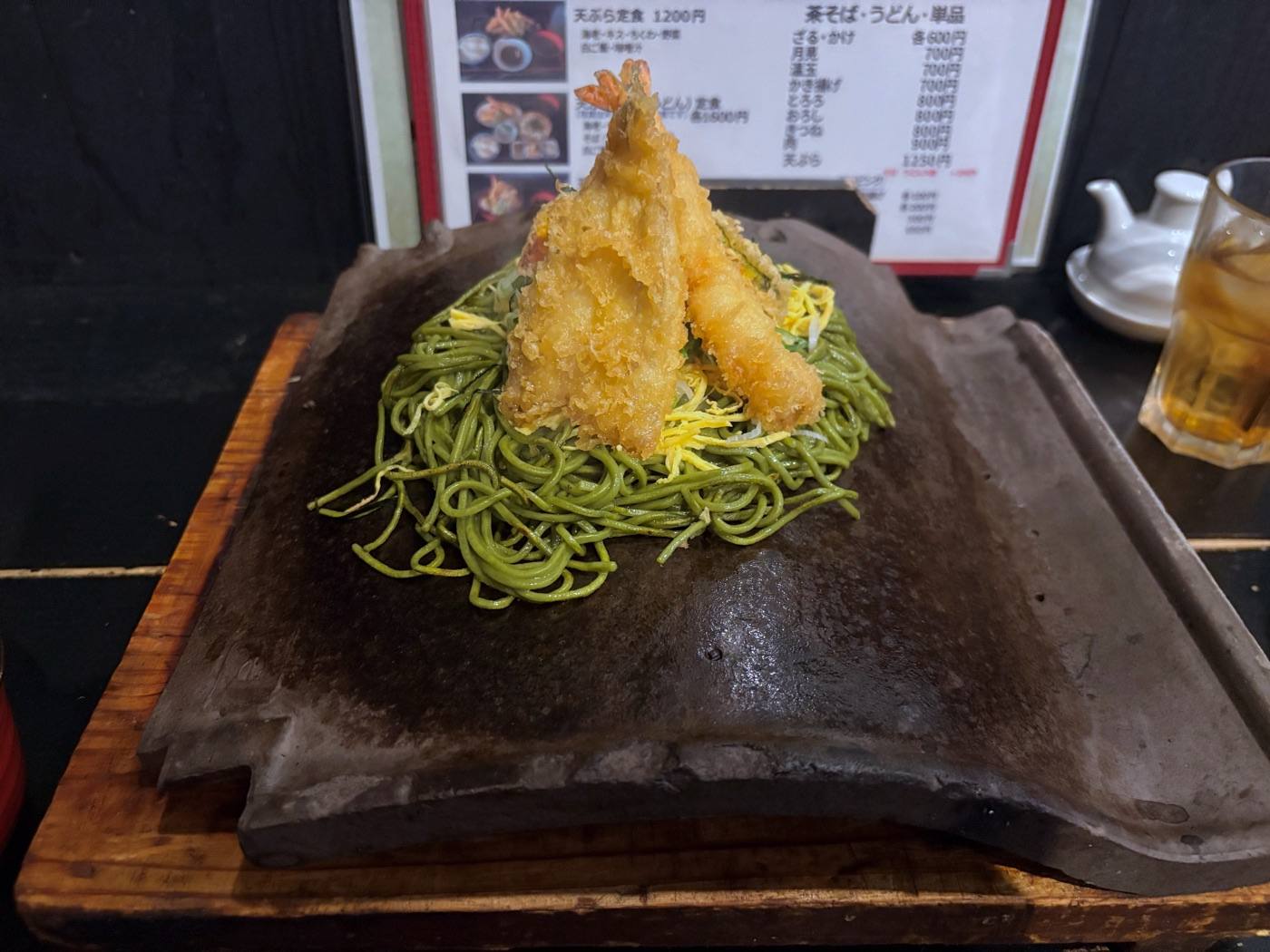
Green tea soba served on a hot roof tile with egg and beef on top, near Kawatana. Odd, and good.
Sea urchin from the Japan Sea coast, and Shimonoseki was where the processed version was invented.
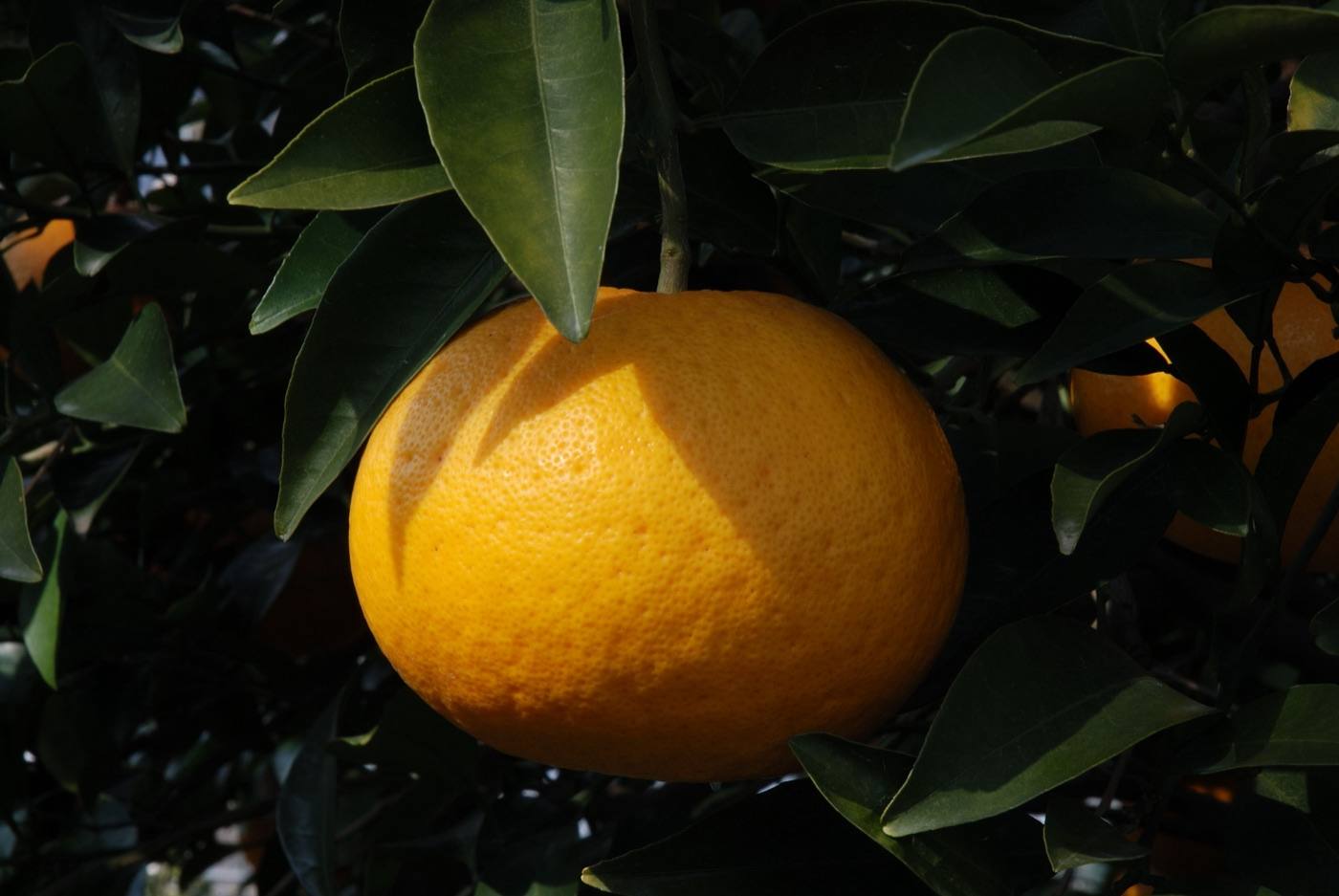
Large sour citrus grown in the old castle town of Hagi, made into peel sweets and marmalade.
Small shops, no English sign outside, and worth the walk.
A large public bath house with a dining room inside. One ticket covers the bath and the meal.
Green tea soba served on a heated roof tile, with beef, egg and seaweed on top. The tile keeps cooking it while you eat.
On Friday, Saturday, Sunday and public holidays the fish market opens its floor to the public and the wholesalers sell sushi by the piece. You eat it standing, or outside on the quay.
Uiro elsewhere in Japan is made with rice flour. Yamaguchi uses bracken starch, so it comes out clearer and springier. There is a tea room in the garden behind the shop.
Iwakuni sushi is packed into a wooden box in layers — vinegared rice, lotus root, shredded egg, fish — then pressed down hard and cut into squares. The shop is at the foot of the arched bridge.
When the domain was dissolved the samurai of Hagi planted natsu-mikan trees in their gardens. The peel is candied whole and the hollow filled with white bean jelly.
Yanai kept a street of white-walled merchant houses. This maker brews its soy sauce a second time over the first and leaves it two years; part of the store is open to look round.
Nagato eats its yakitori by the plateful. This one sits in the Yumoto hot spring village, and opens at lunchtime as well as at night.
At the mouth of the Akiyoshi cave, this place kneads burdock grown on the plateau above into its noodles.