
Travelling with children子どもと旅する
Plan two rests and one sit-down meal. Changing tables in every station and food a child will eat on every corner. Stairs and quiet carriages are the hard part. Here is how to plan around both.
Plan two rests and one sit-down meal. Changing tables in every station and food a child will eat on every corner. Stairs and quiet carriages are the hard part. Here is how to plan around both.
Two things make travelling here with children much easier than people expect: every station, department store and roadside stop has a proper changing table, and convenience stores are everywhere and sell food a child will actually eat. You are never far from a clean toilet or a plain rice ball.
Two things make it harder: stairs — older stations have a lot of them, and a buggy plus a suitcase is one item too many — and quiet. Trains here are quiet, and a toddler making noise is normal here. Sit at the end of the carriage, near the door, and it matters less.
1. Send the suitcase ahead. Any convenience store will deliver it to your next hotel, usually next day. Then you have one hand for a child and one for a buggy.
2. Two places a day, not five. The temple you did not see will still be there. The afternoon meltdown will not wait.
3. Pick a hotel by its station, not its view. A station with a lift, on a line that goes where you are going, is worth more than anything in the room.
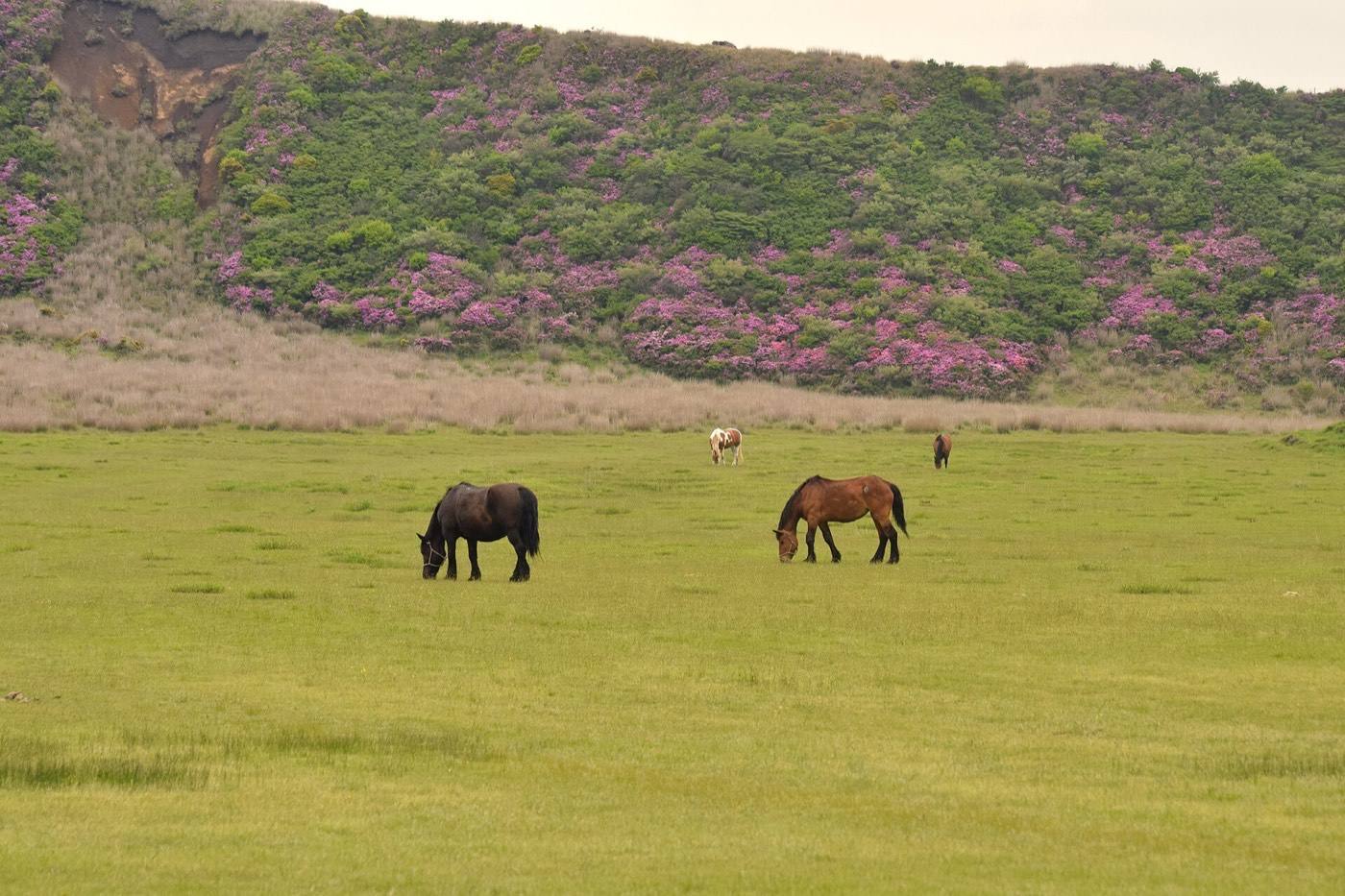
Nothing to climb, nothing to break, room to run. Kusasenri on Mt. Aso is the best example.
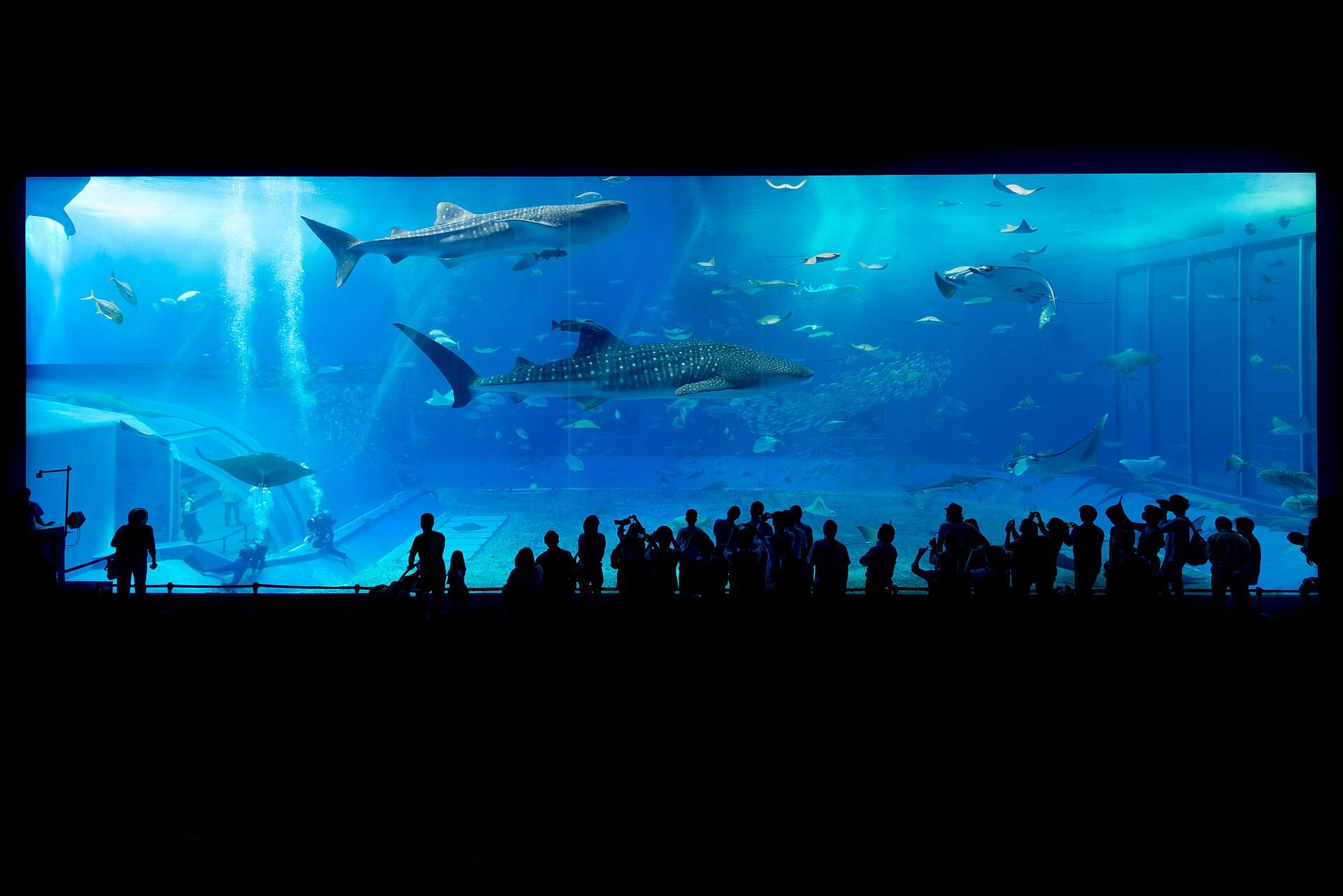
Japan does these extremely well, and they rescue a wet day. Churaumi in Okinawa is the largest.
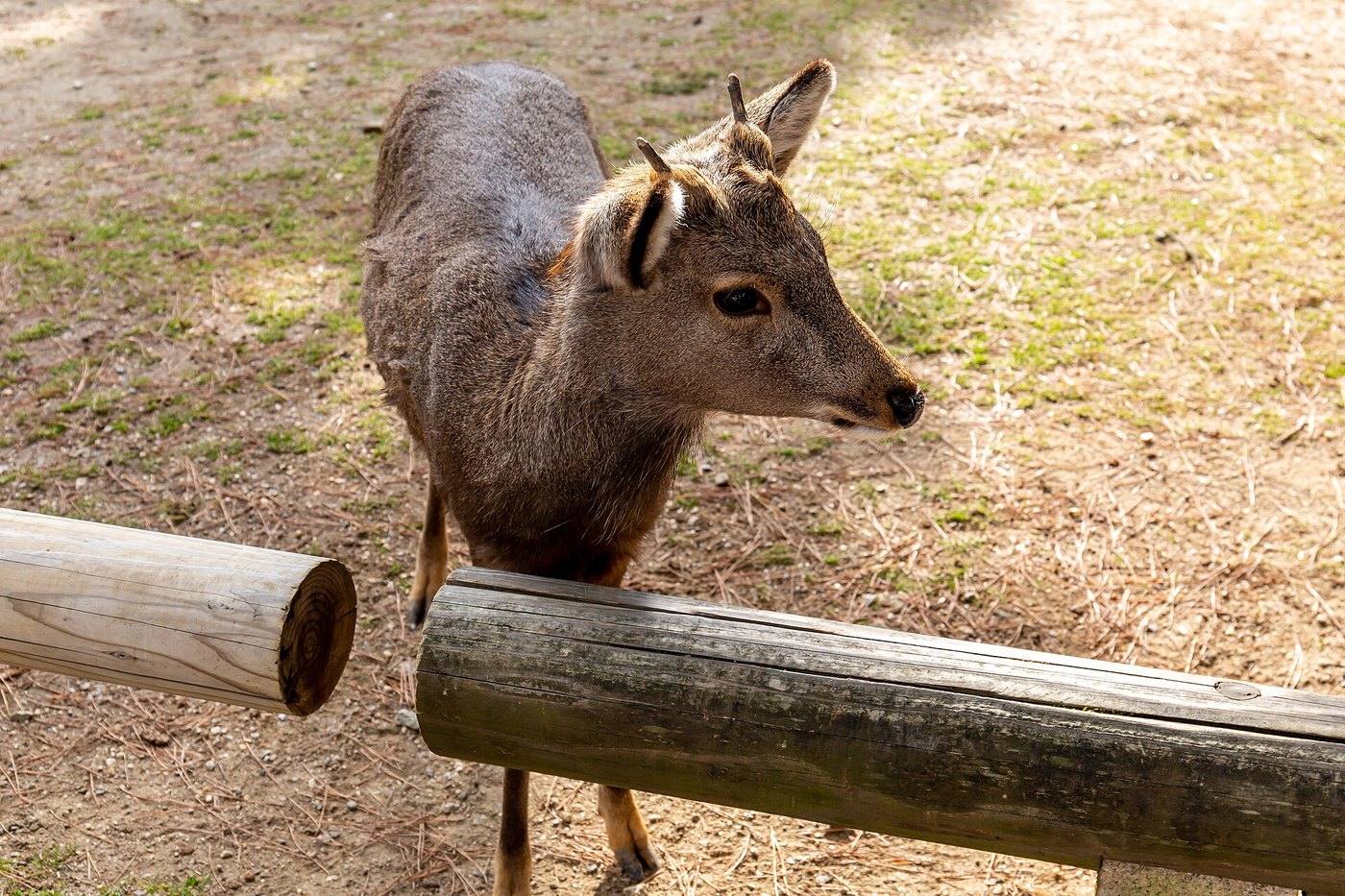
The deer at Nara, the monkeys in Nagano, dolphins at Amakusa. Feeding rules vary — read the sign.
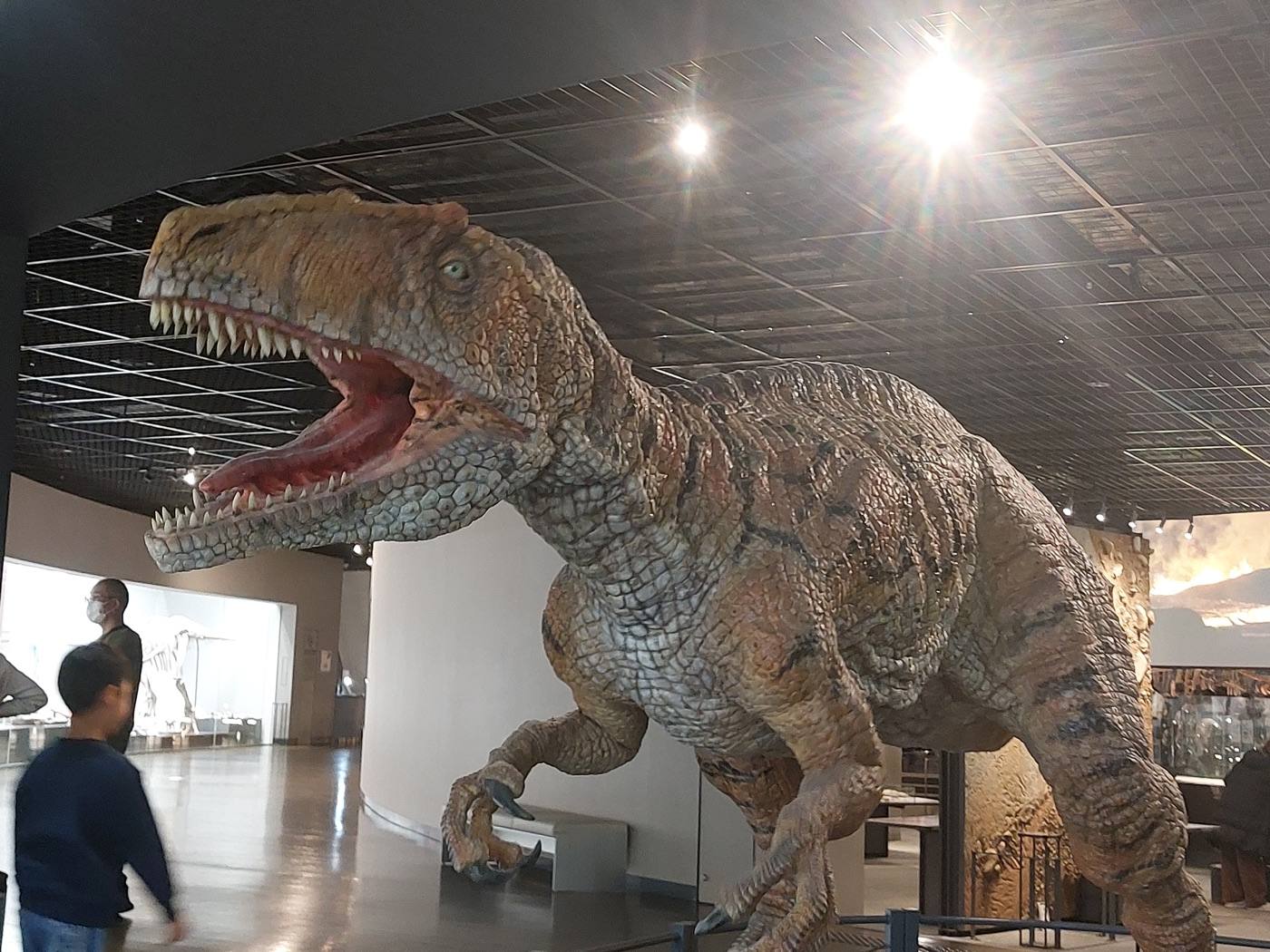
The dinosaur museum in Fukui, and railway museums in several cities. Serious places, not gimmicks.
Volcano crater rims have steps, uneven ground and volcanic gas, and they close at short notice. The grassland below gives you the same mountain without any of that.
Castles have steep wooden stairs and you carry the buggy. Best with children who walk.