Snow雪
Come in February.
Come in February.
Cold air crosses the Sea of Japan, picks up moisture, and drops it on the western side of the country as dry, light snow, in enormous quantities, reliably, every year. That is why skiers fly here from the other side of the world, and why some inhabited towns here record among the heaviest snowfall on earth.
For visitors who do not ski, the point is different: snow is what makes an outdoor hot spring worth the journey, and it turns a thatched village or a gas-lit street into the photograph you have seen. Deep winter is the least crowded season in Japan, and in the snow country it is the best one.
Trains run. Shinkansen services are barely affected, and local lines are cleared. Roads are the risk — mountain passes close, and a hire car needs winter tyres, which the rental company will fit if you say where you are going. Indoors is hot everywhere.
Not all of these are for skiing. Half of them are for looking, and bathing.
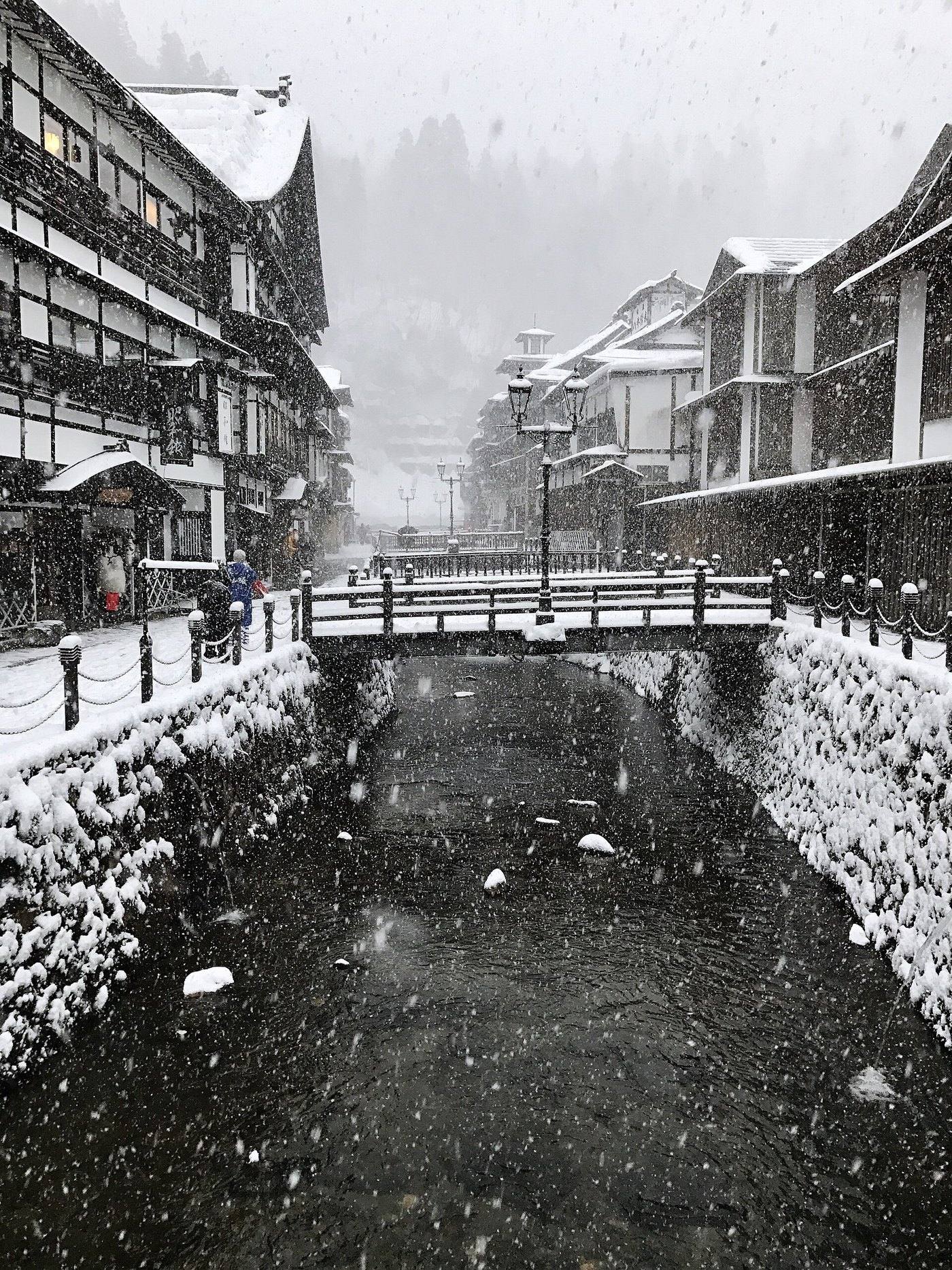
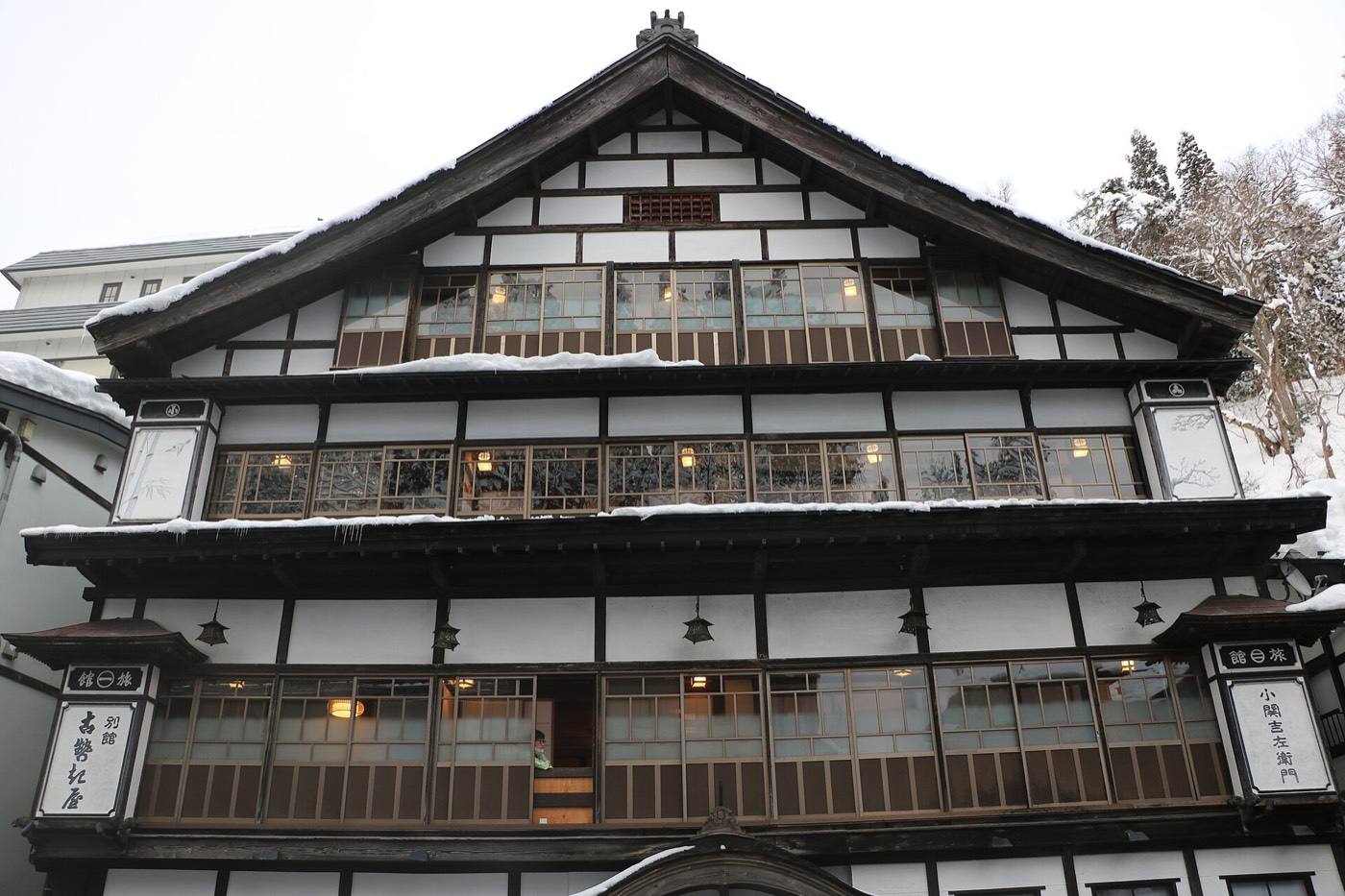
Wooden inns facing each other across a stream, gas lamps, deep snow. Booked months ahead.
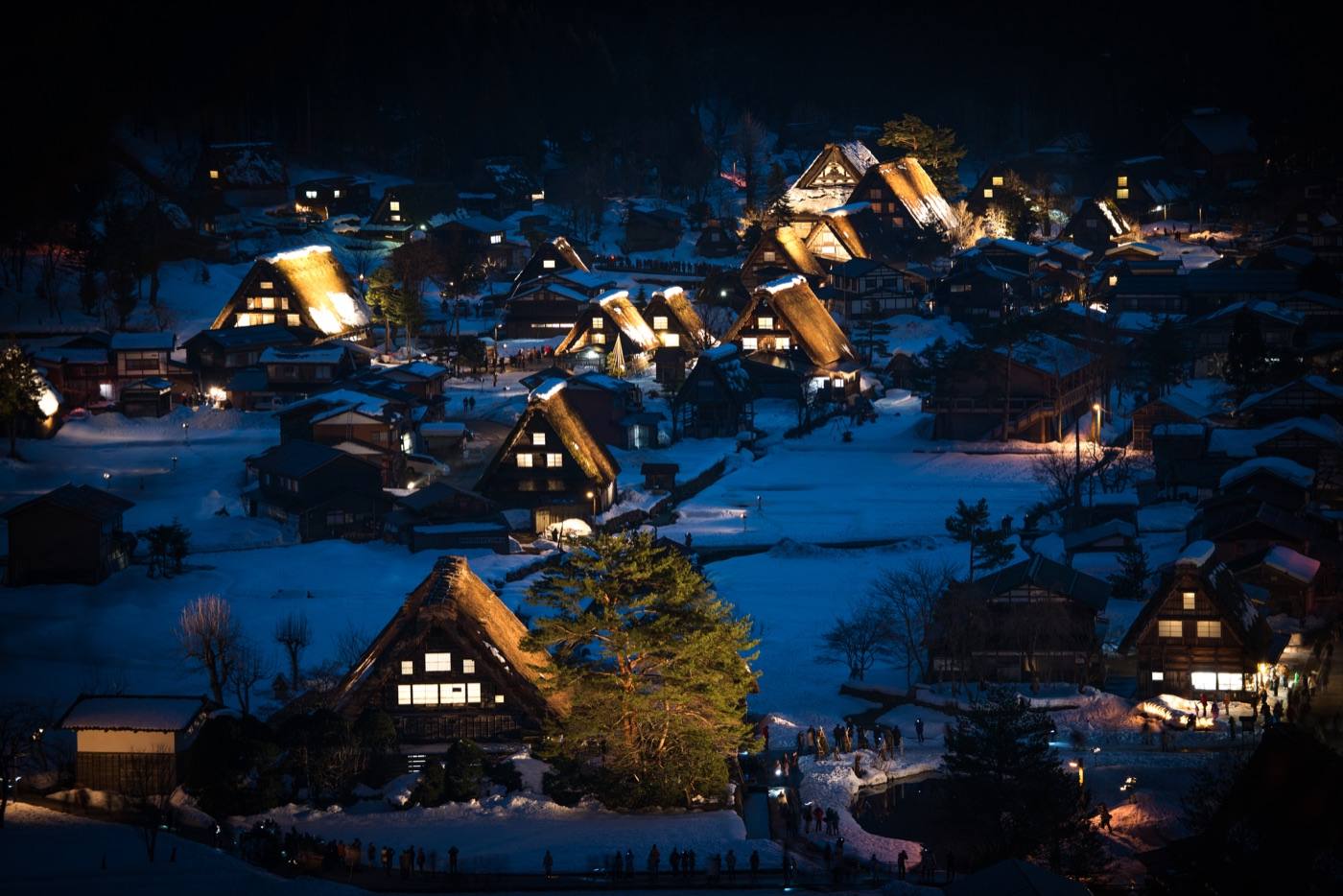
Thatched farmhouses under four metres of snow. Winter light-up dates sell out months ahead.
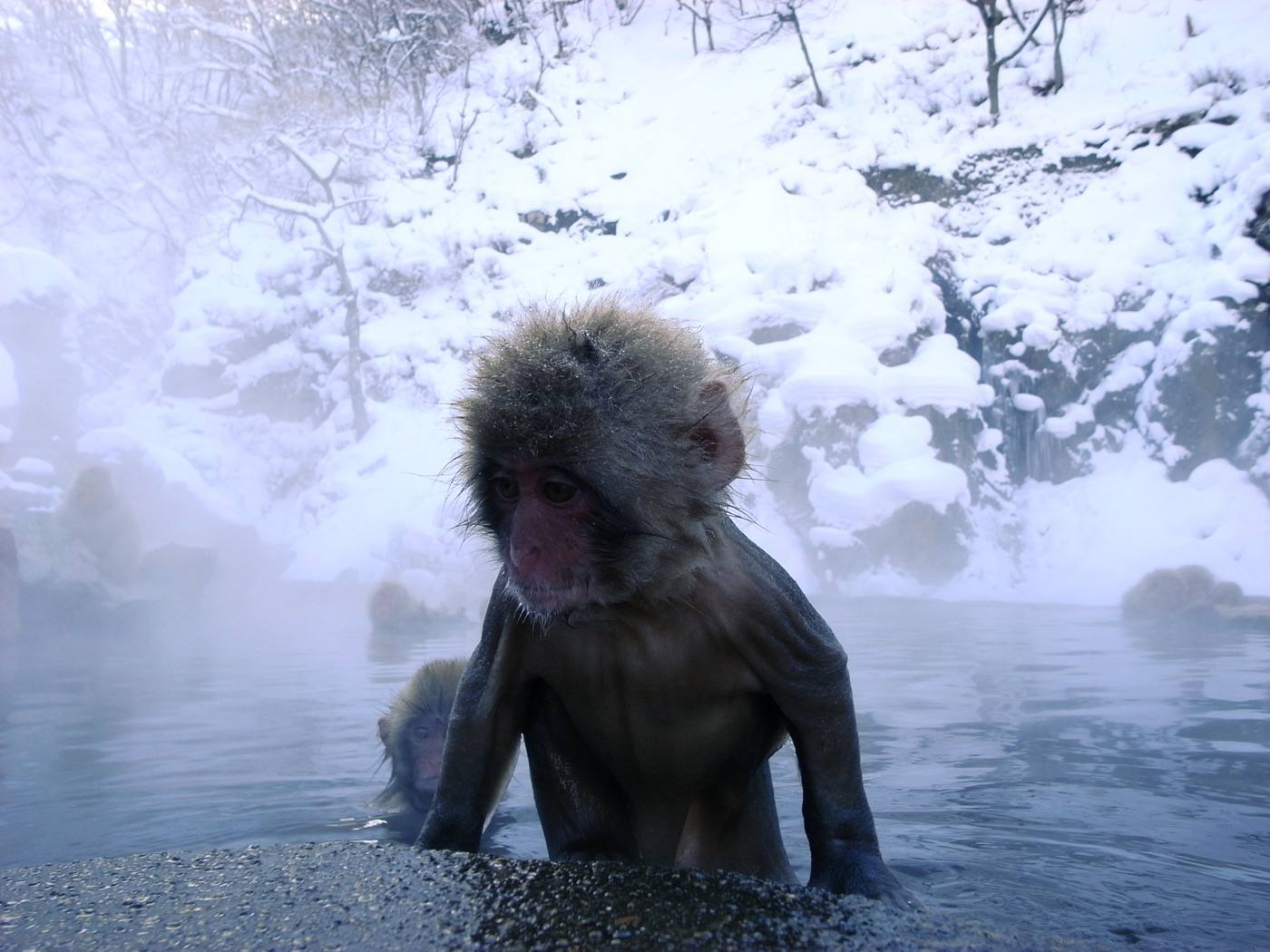
Wild monkeys sitting in a hot spring in the snow. A level thirty-minute walk in.
Dry powder snow, a snow festival in February, and the food to recover with.
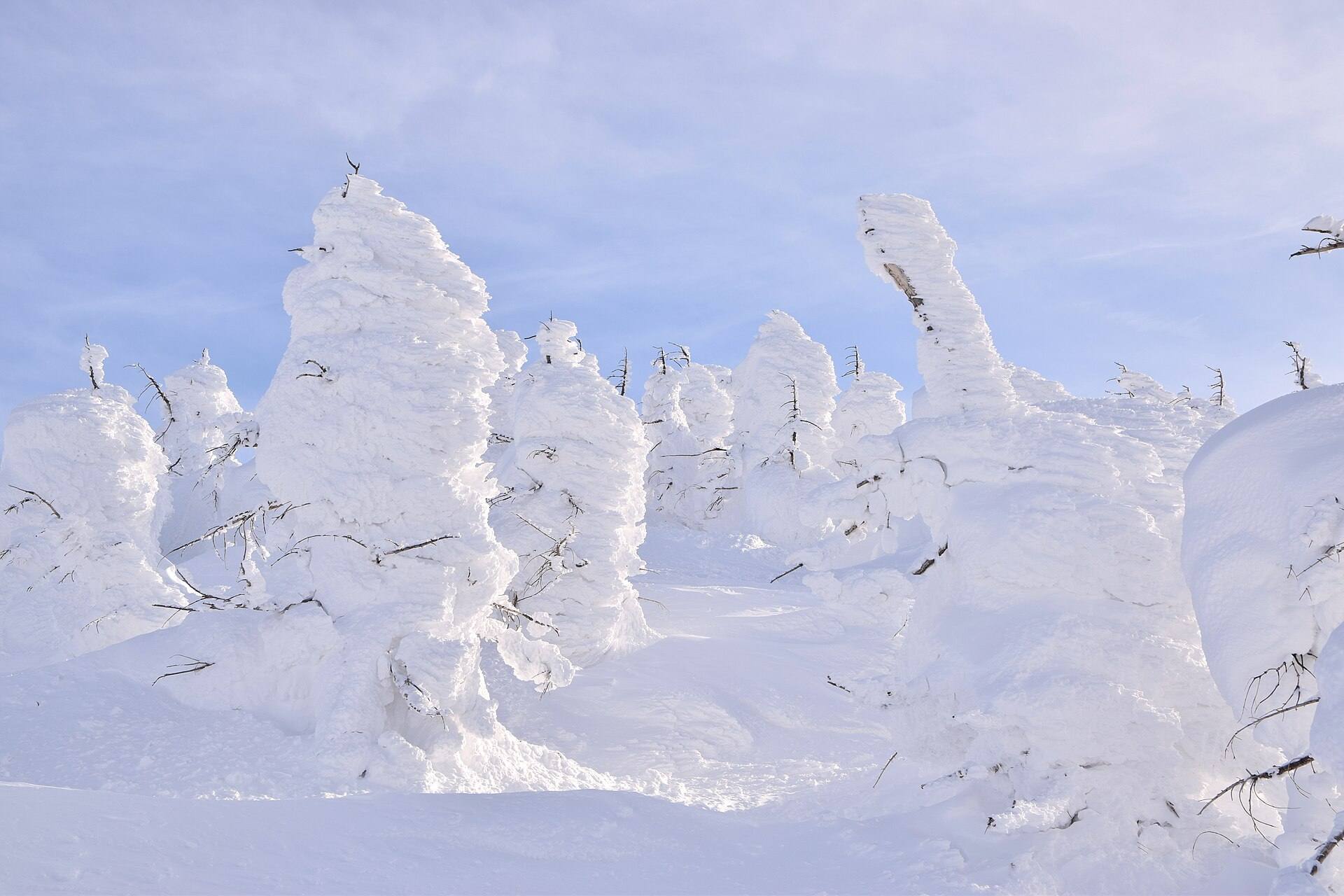
Fir trees frozen solid into white shapes by wind-driven snow. February, by ropeway.
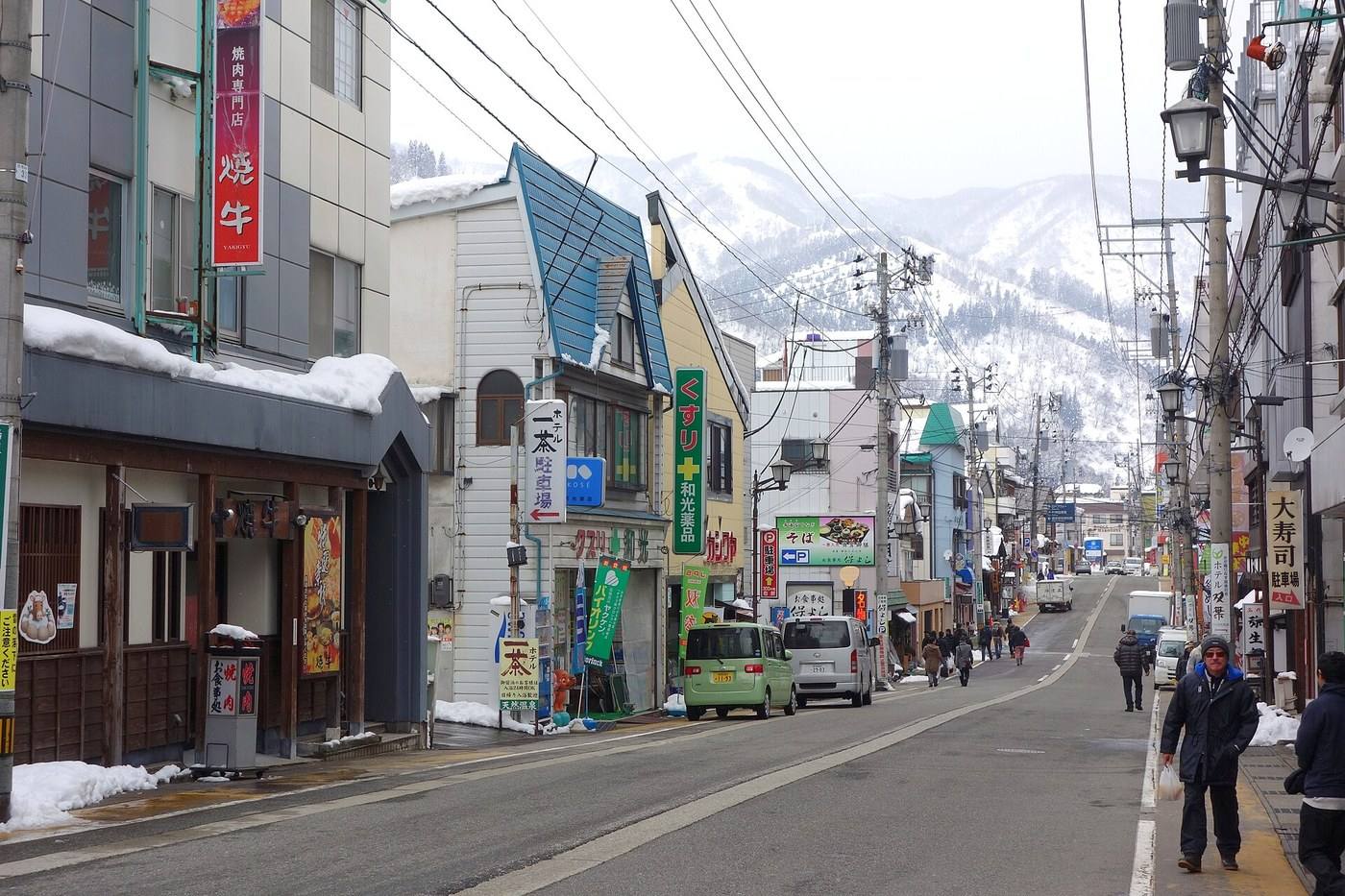
The closest reliable deep snow to Tokyo — under ninety minutes by shinkansen.
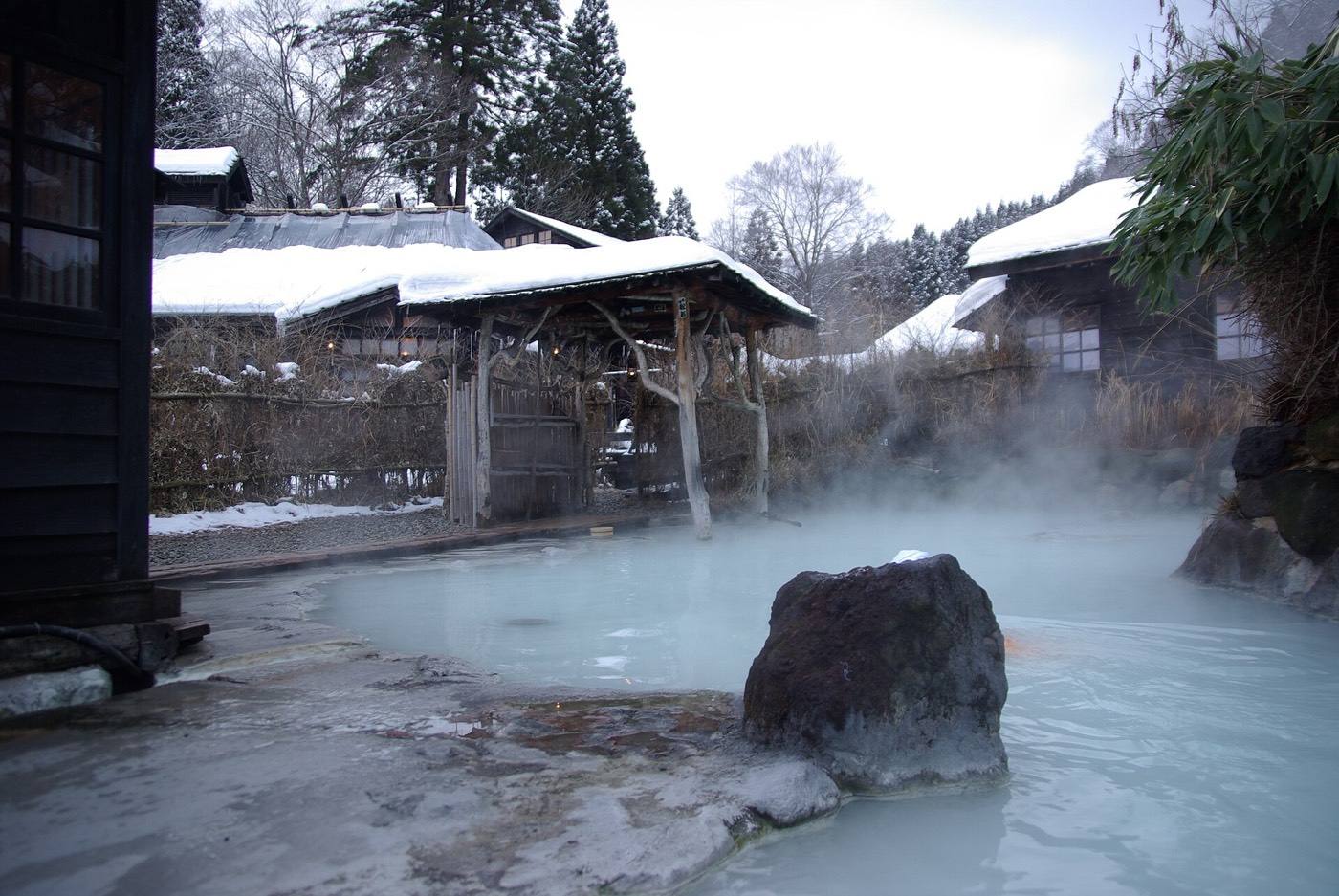
Old mountain inns, one with a milky white bath in a three-hundred-year-old wooden hut.
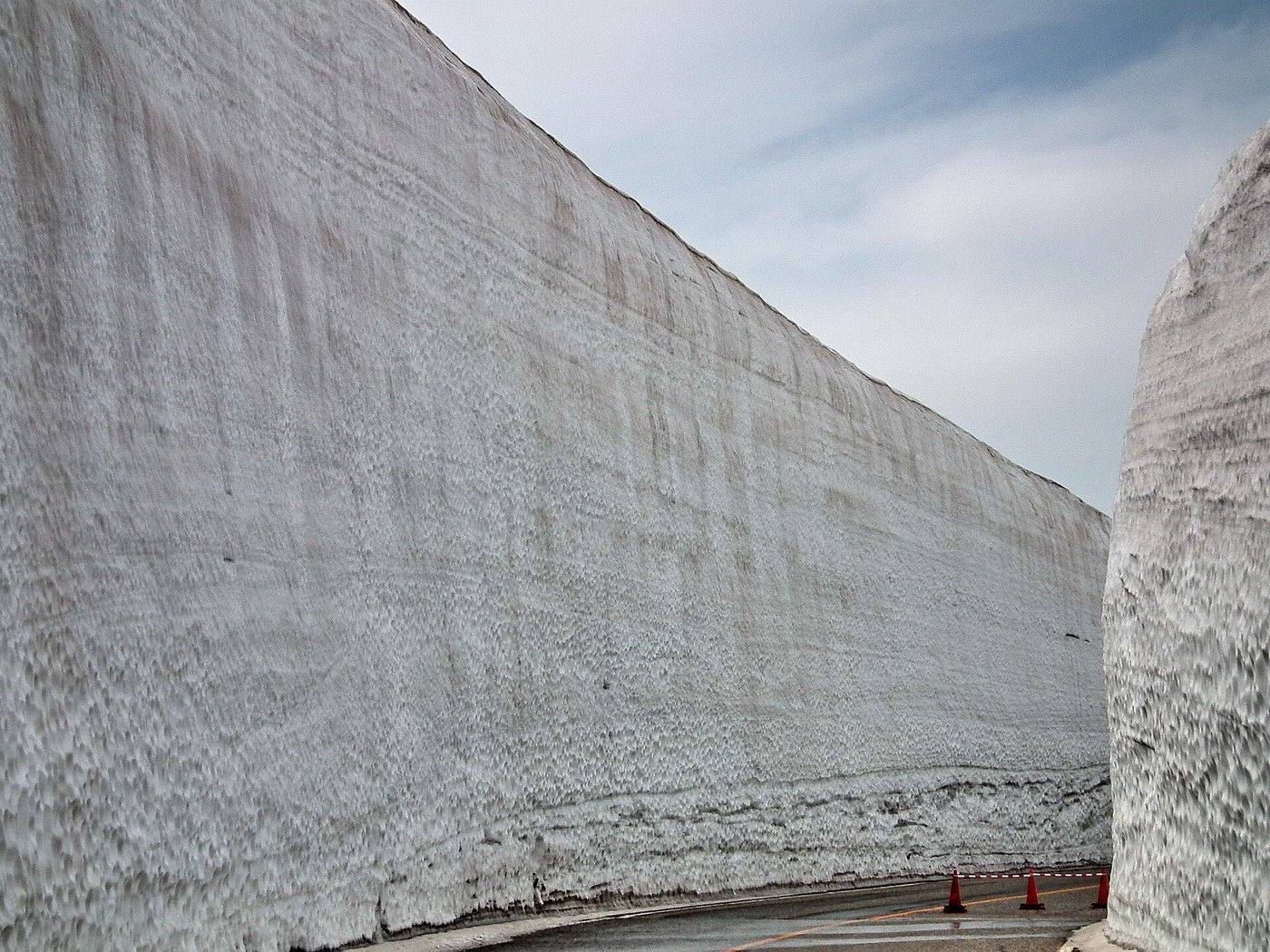
A road cut through up to twenty metres of snow, walked between the walls. April and May.