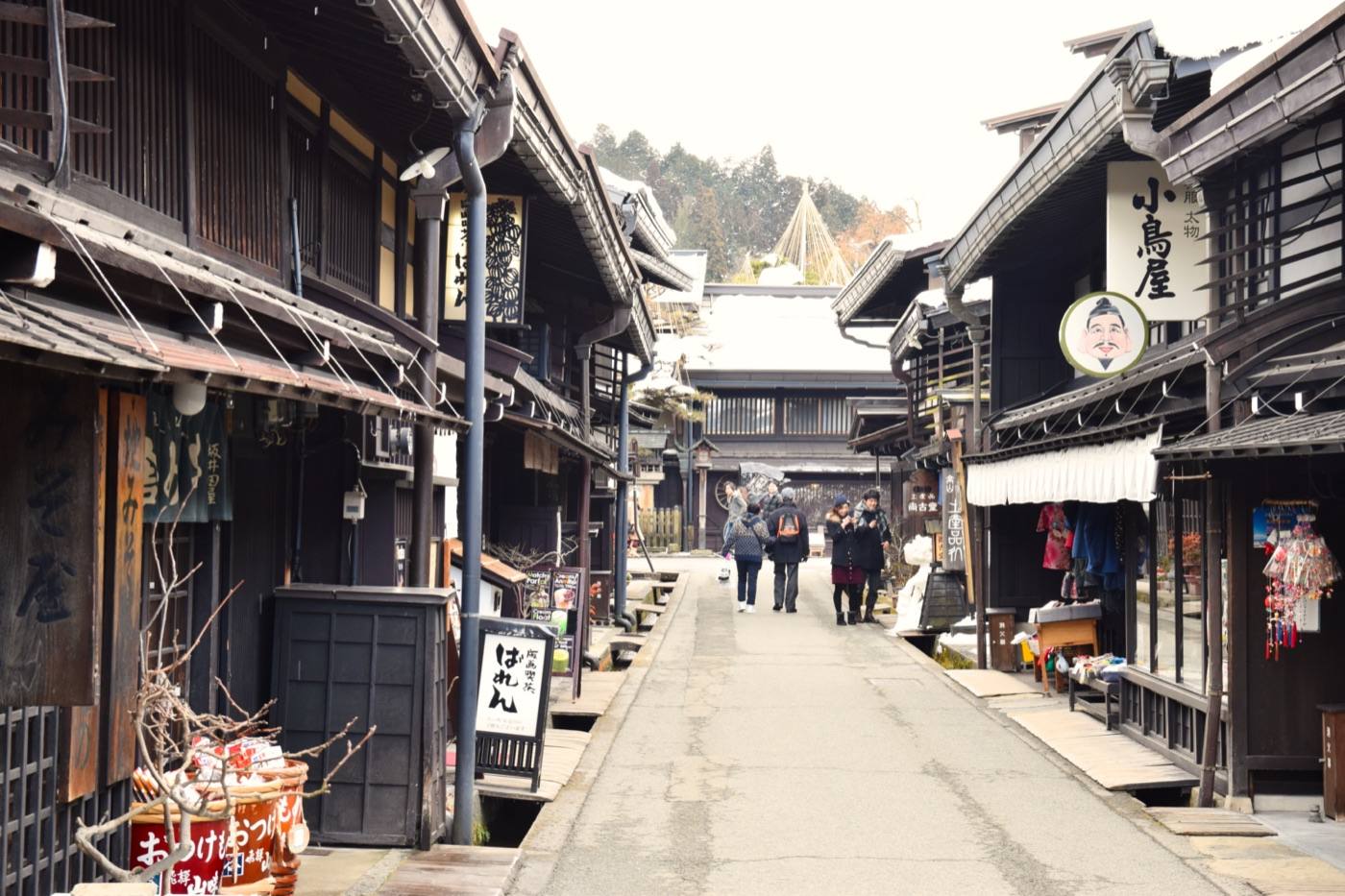
Old towns古い町並み
Walk one of these streets before nine in the morning. Wooden streets that people still live in, passed over by the rebuilding.
Walk one of these streets before nine in the morning. Wooden streets that people still live in, passed over by the rebuilding.
Most Japanese towns were rebuilt in concrete during the growth of the last century. The places below were passed over — too far from a main line, too small, too poor at the wrong moment — and what they kept is a street of wooden buildings that people still live and work in.
That last part matters. These are not open-air museums. Somebody’s grandmother lives behind the lattice, and the shop selling you a wooden comb has sold them since before your country’s constitution. Photograph the street, not the people in it, and keep your voice down after dark.
Stay the night. These streets fill with coaches between ten and four. At seven in the morning and eight at night they are yours, with the lights on in the upper windows.
Each links to its prefecture, where you will find how to get there and where to sleep.
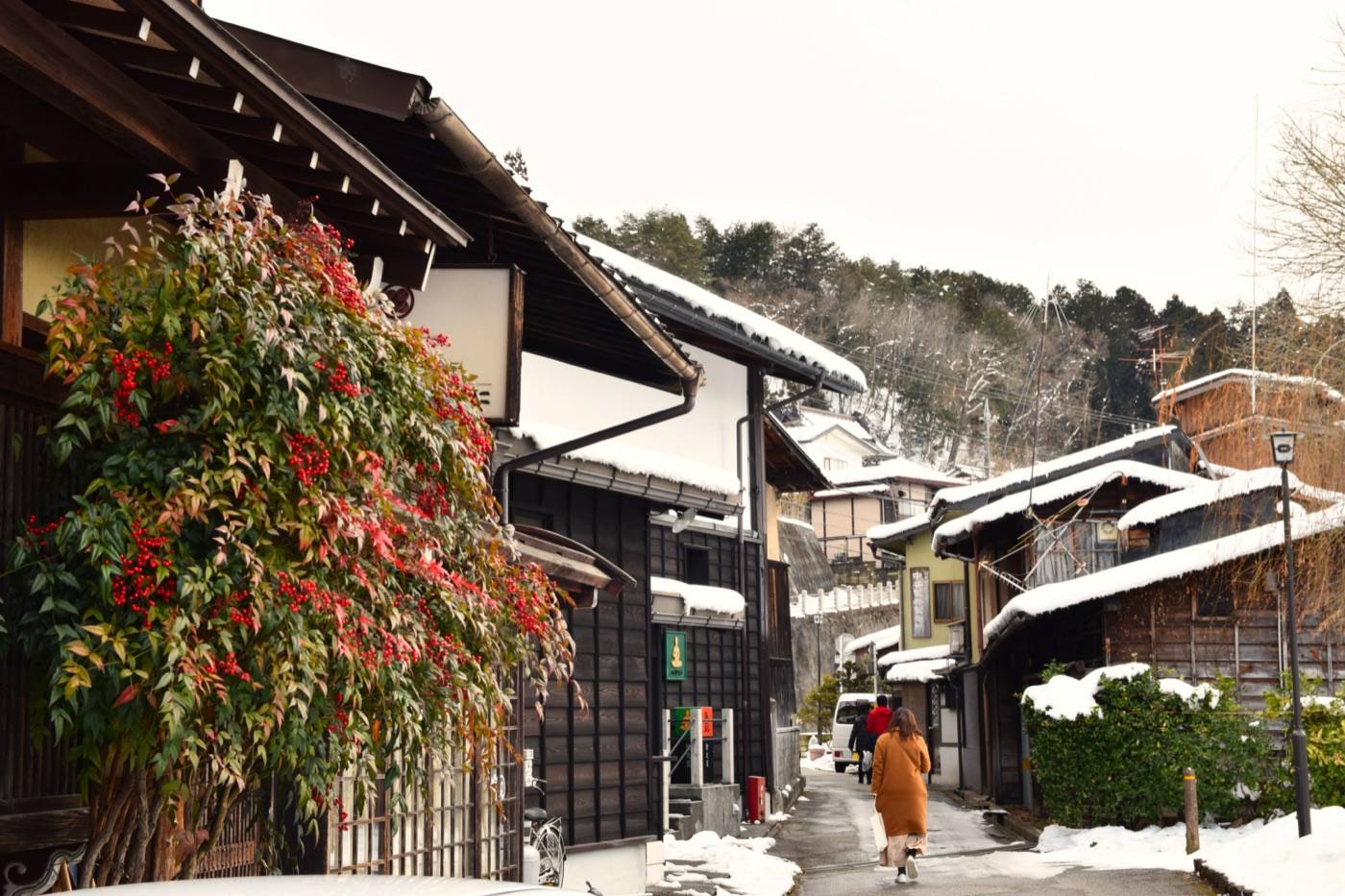
A preserved merchant quarter of dark wood, with a morning market and sake breweries.
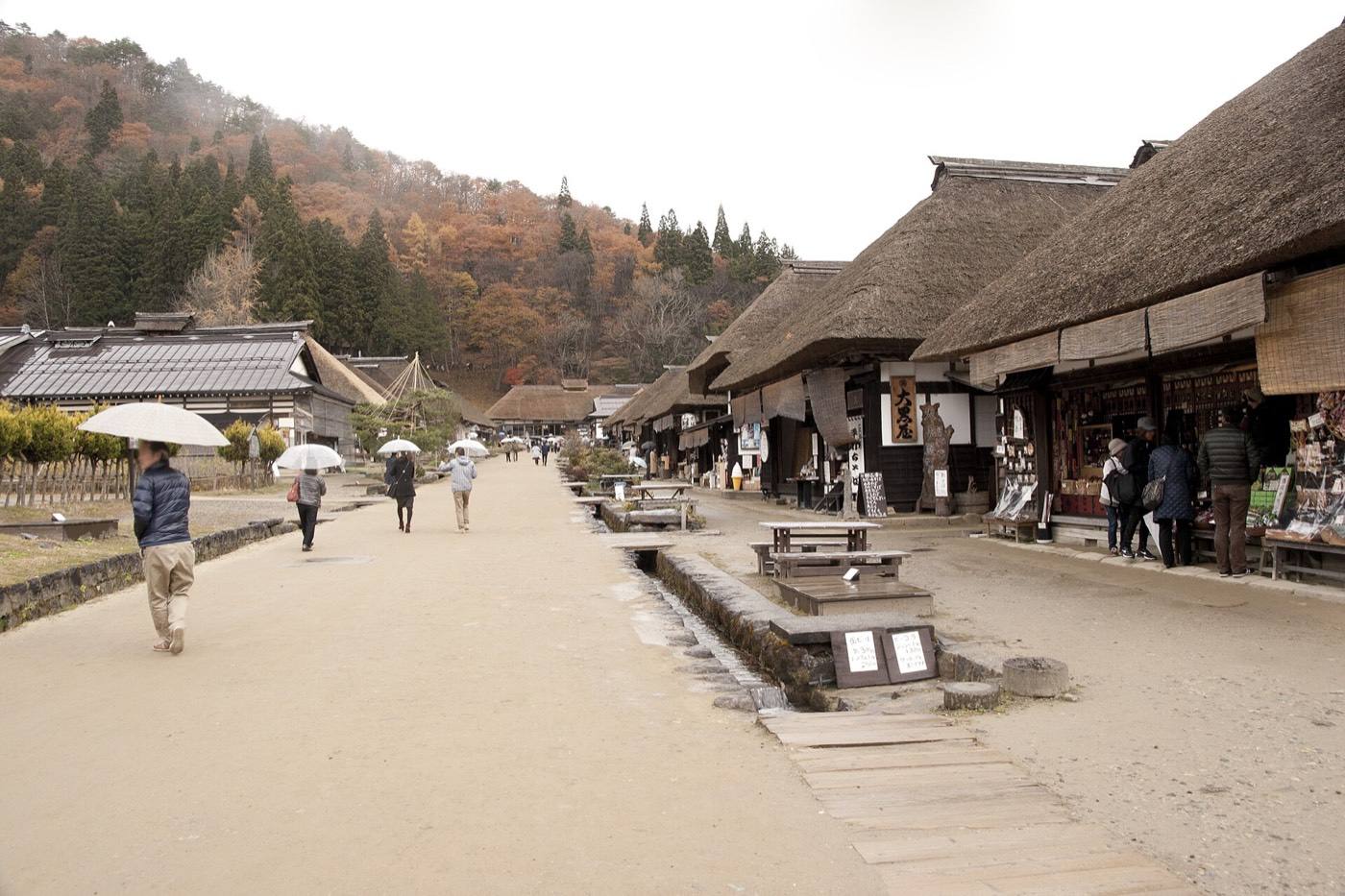
Thatched houses along one unpaved street. Soba eaten with a spring onion for chopsticks.
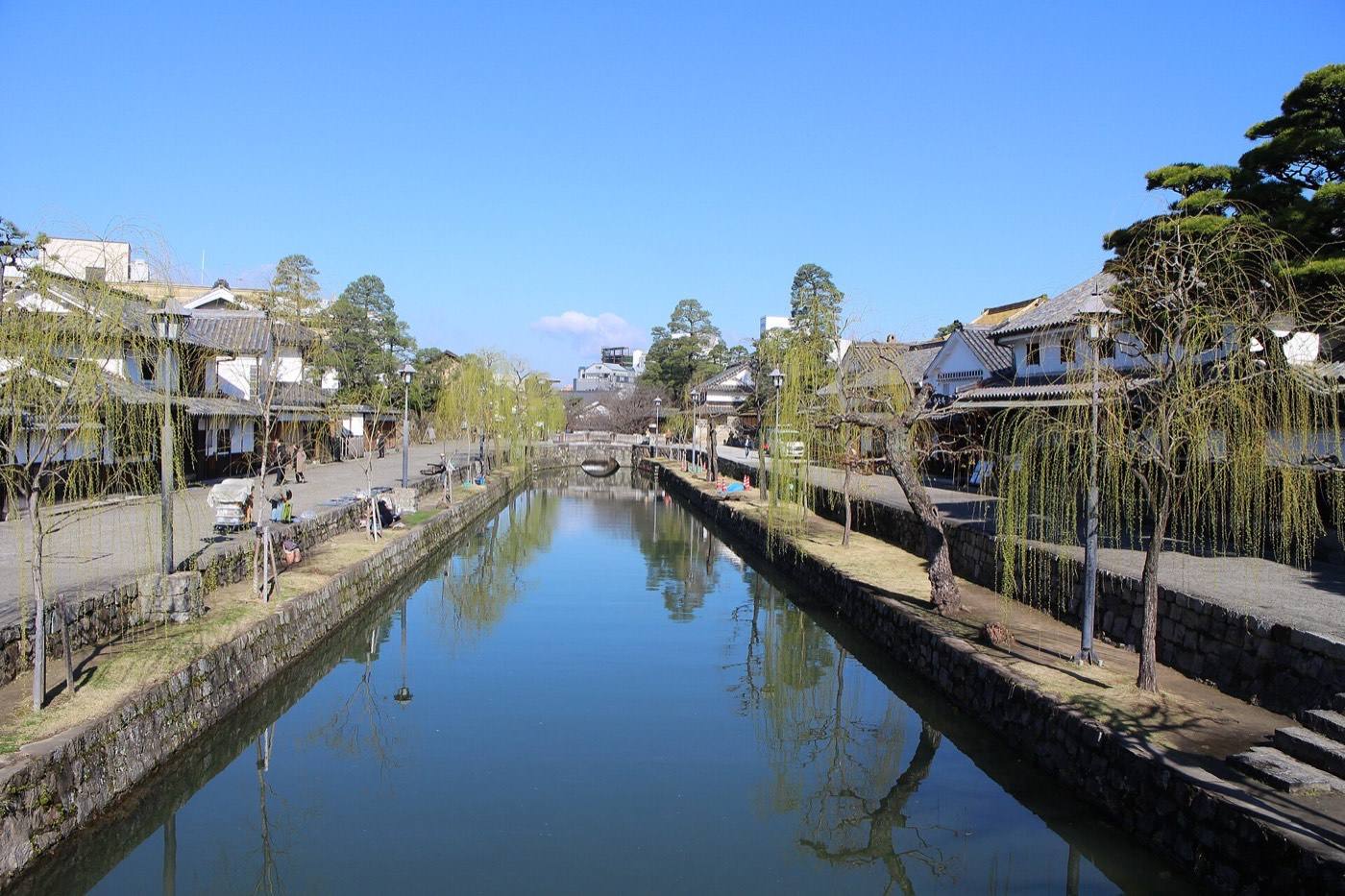
A canal of white warehouses and willows, walked in an hour and worth two.
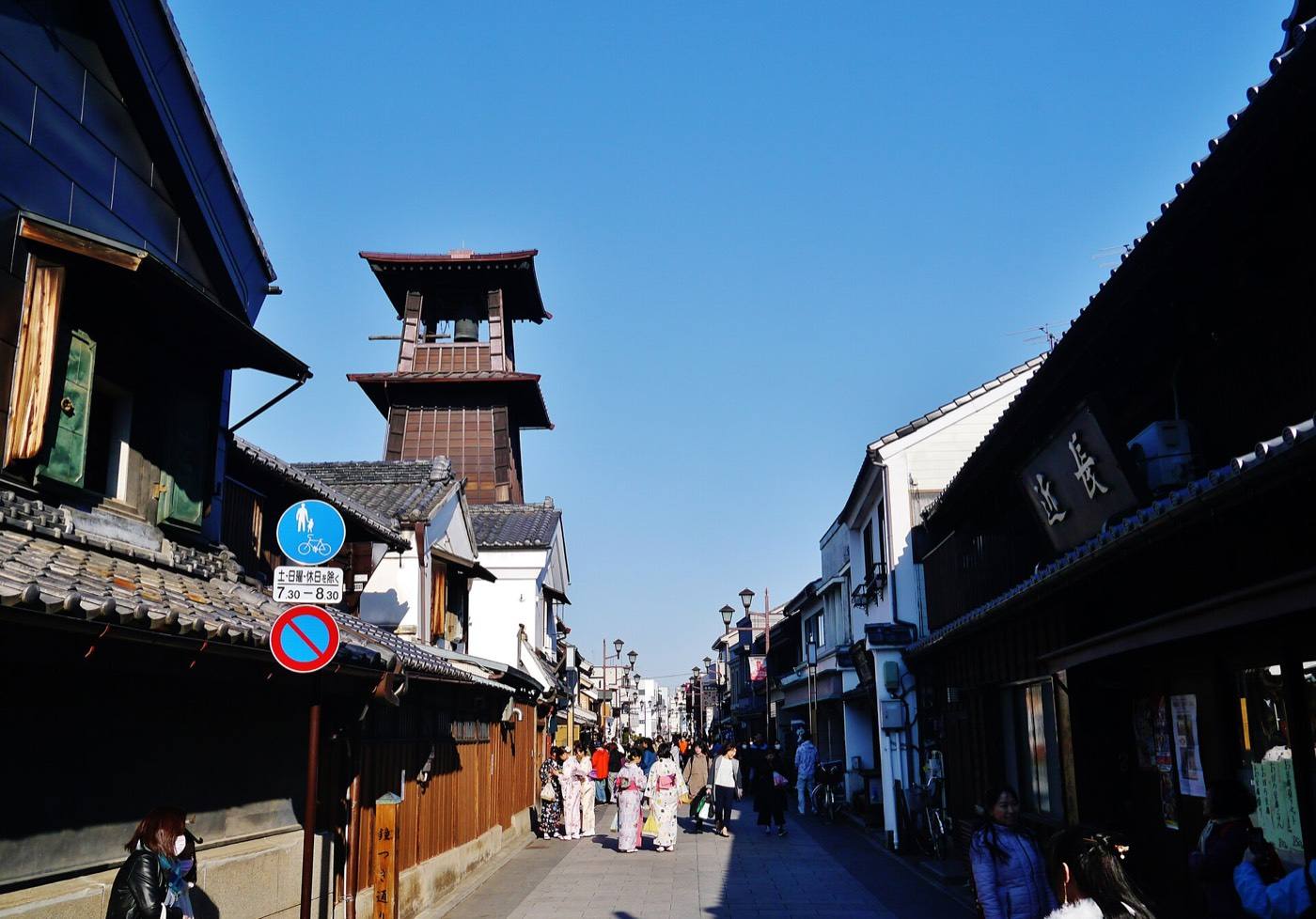
Black clay warehouses and a bell tower, thirty minutes from central Tokyo.
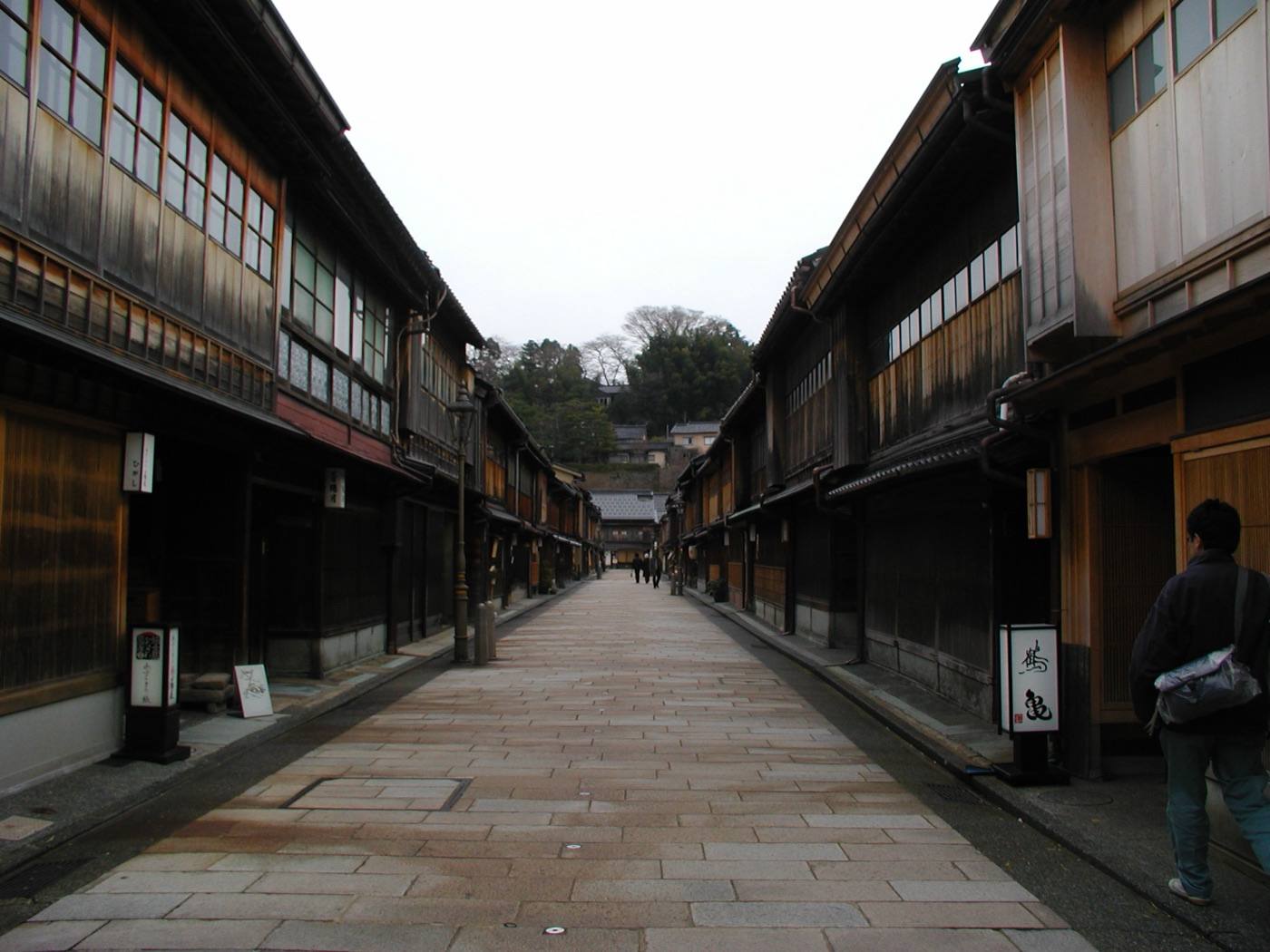
Wooden tea houses, gold leaf, and a samurai quarter of earthen walls nearby.
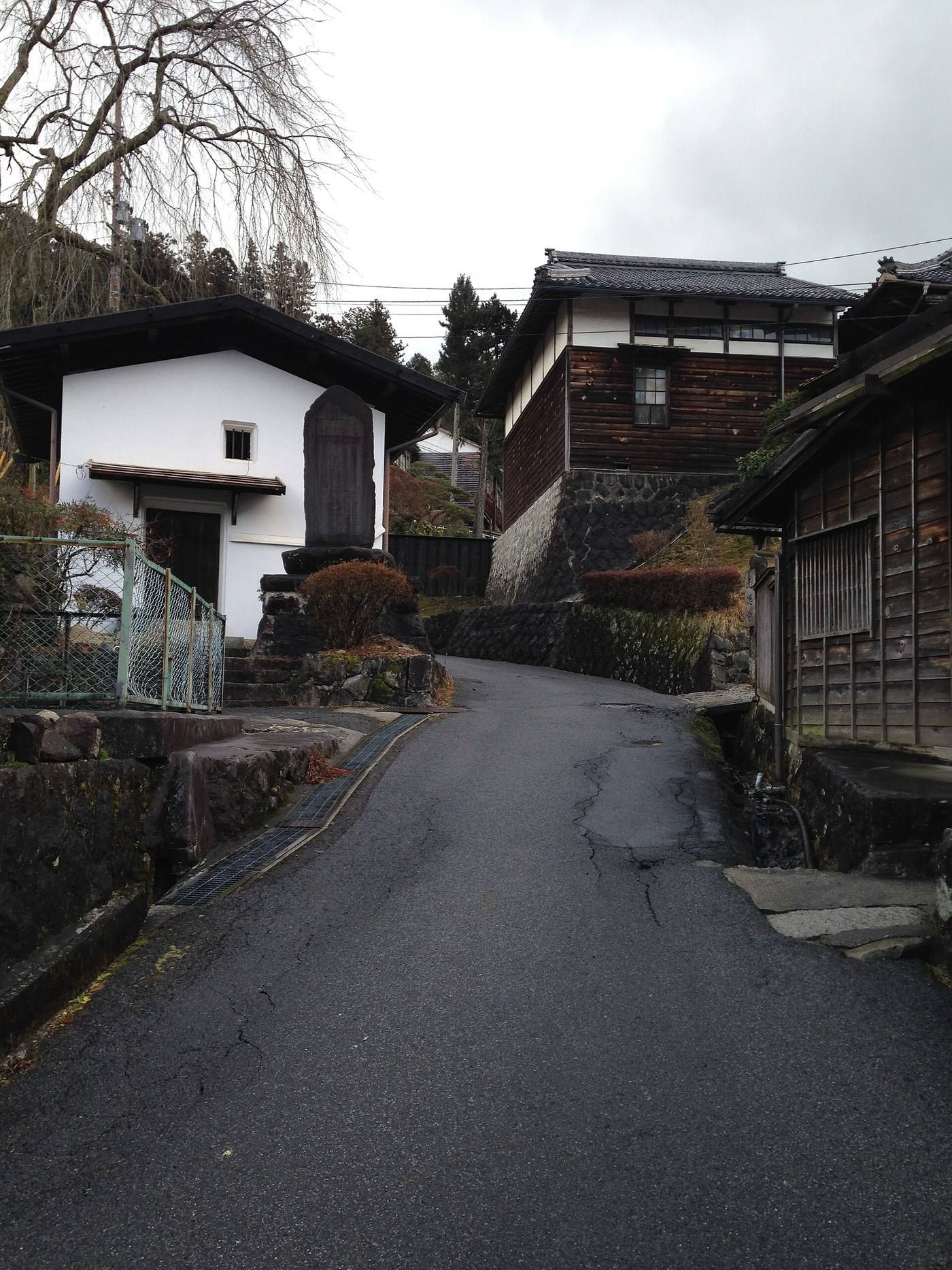
Two post towns on the old mountain road, joined by an eight-kilometre walk.
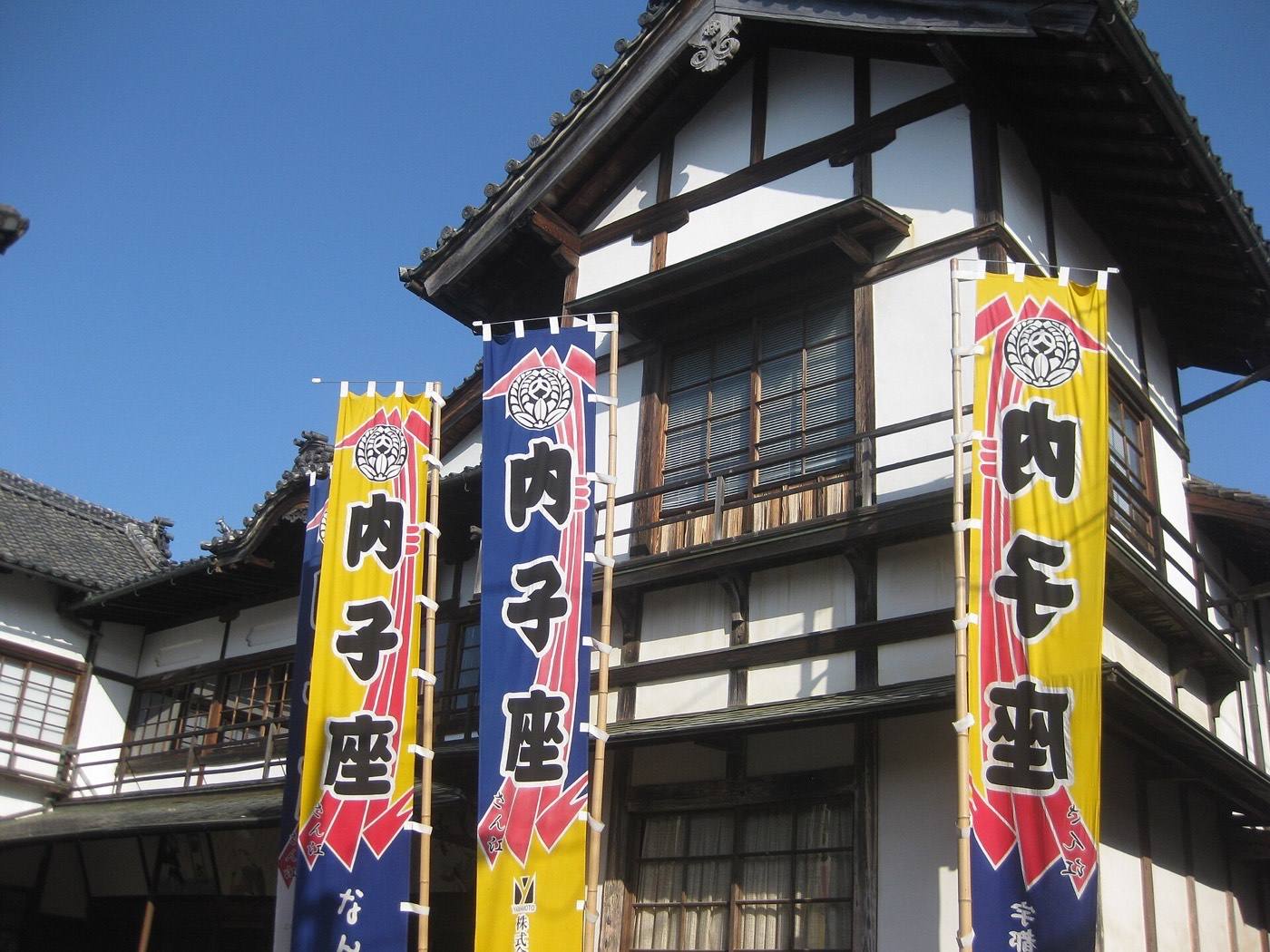
A street of merchant houses built on wax money, with a wooden theatre still in use.
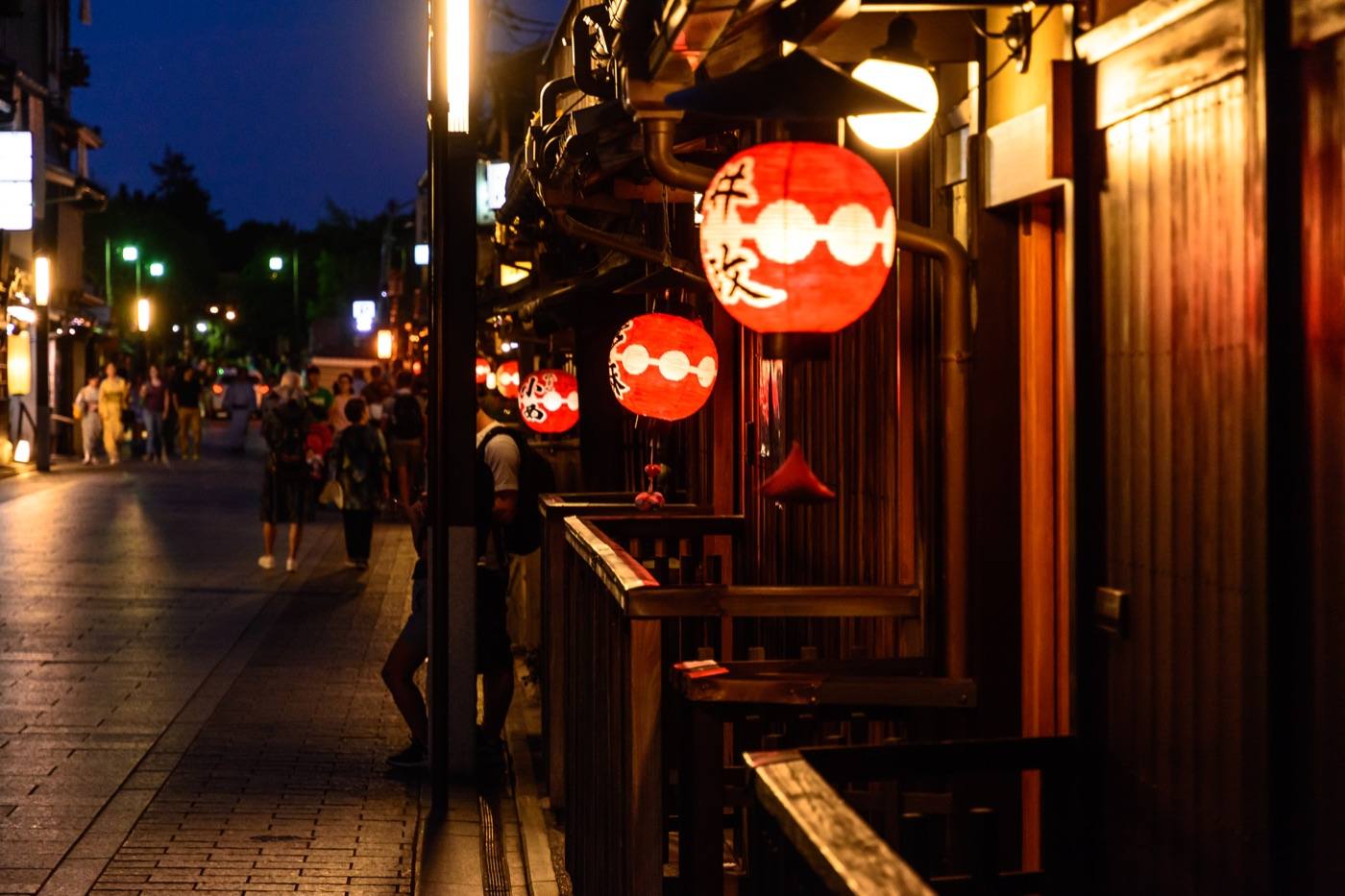
Wooden streets that are still lived in. Walk them in the evening, and ask before photographing anyone.