Hot springs温泉 — onsen
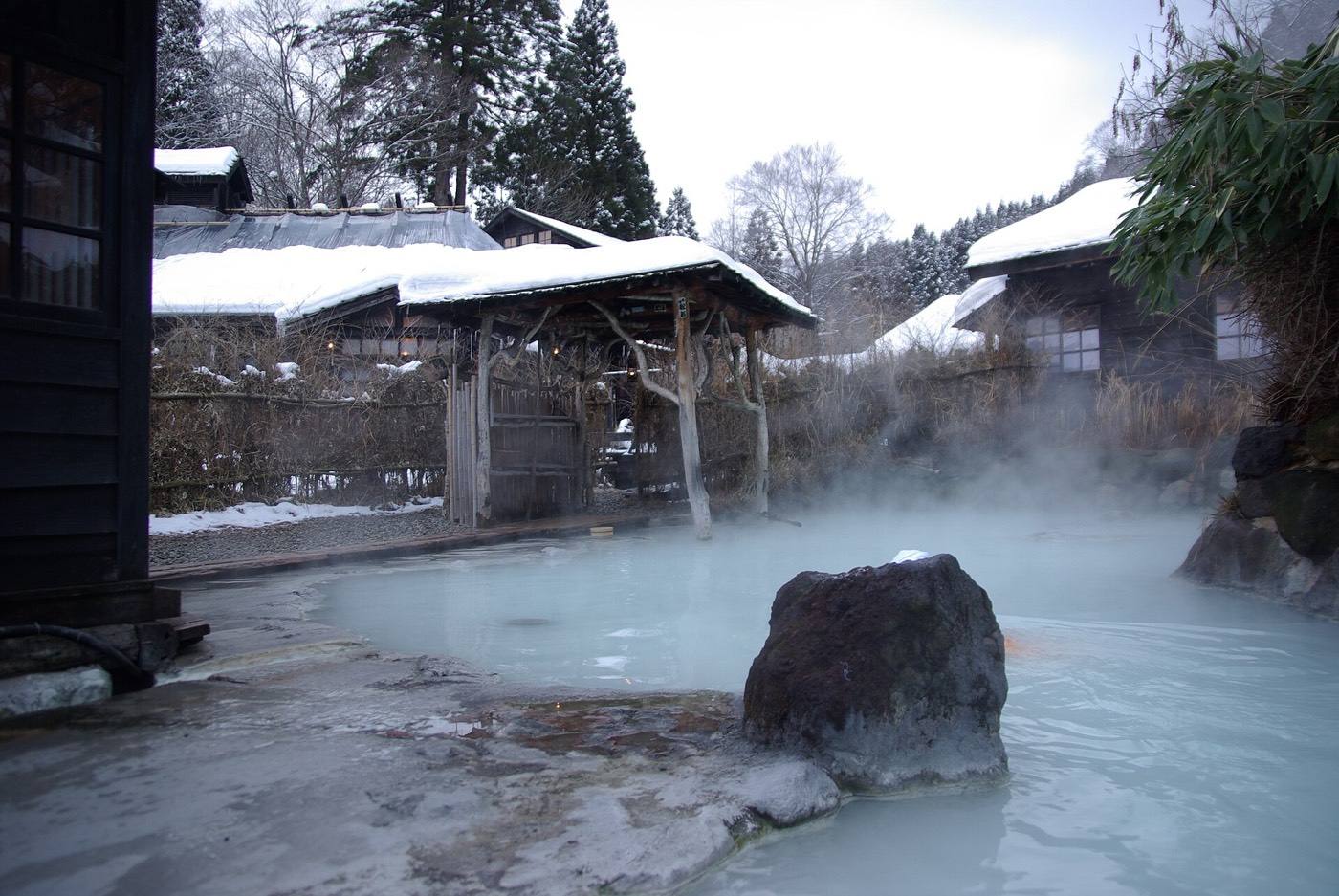
Wash first, sit down, and keep the towel out of the water. Very hot water, an outdoor bath in the snow, and ten minutes of doing absolutely nothing. Here is exactly how it works.
Wash first, sit down, and keep the towel out of the water. Very hot water, an outdoor bath in the snow, and ten minutes of doing absolutely nothing. Here is exactly how it works.
An onsen is a bath filled from a hot spring, and it is where Japan goes to stop. You do not wash in it — you wash before you get in, at a low shower, sitting on a stool. Then you get in and do nothing at all for ten minutes.
Every one of these links to the prefecture it is in, so you can build a trip around it rather than treat it as a detour.
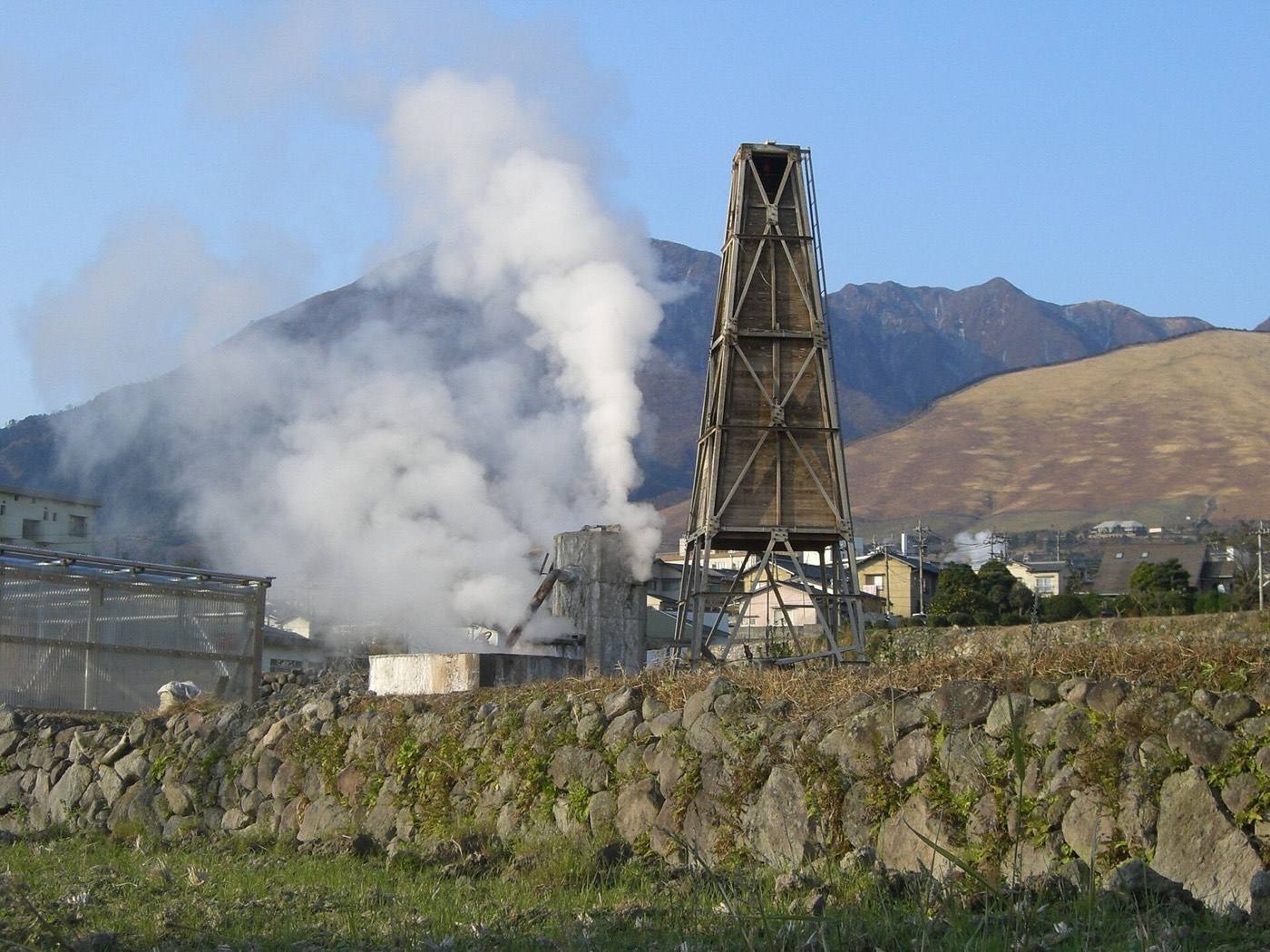
Steam rises out of the streets. Eight separate hot-spring areas in one town, and more sources than anywhere else in Japan.
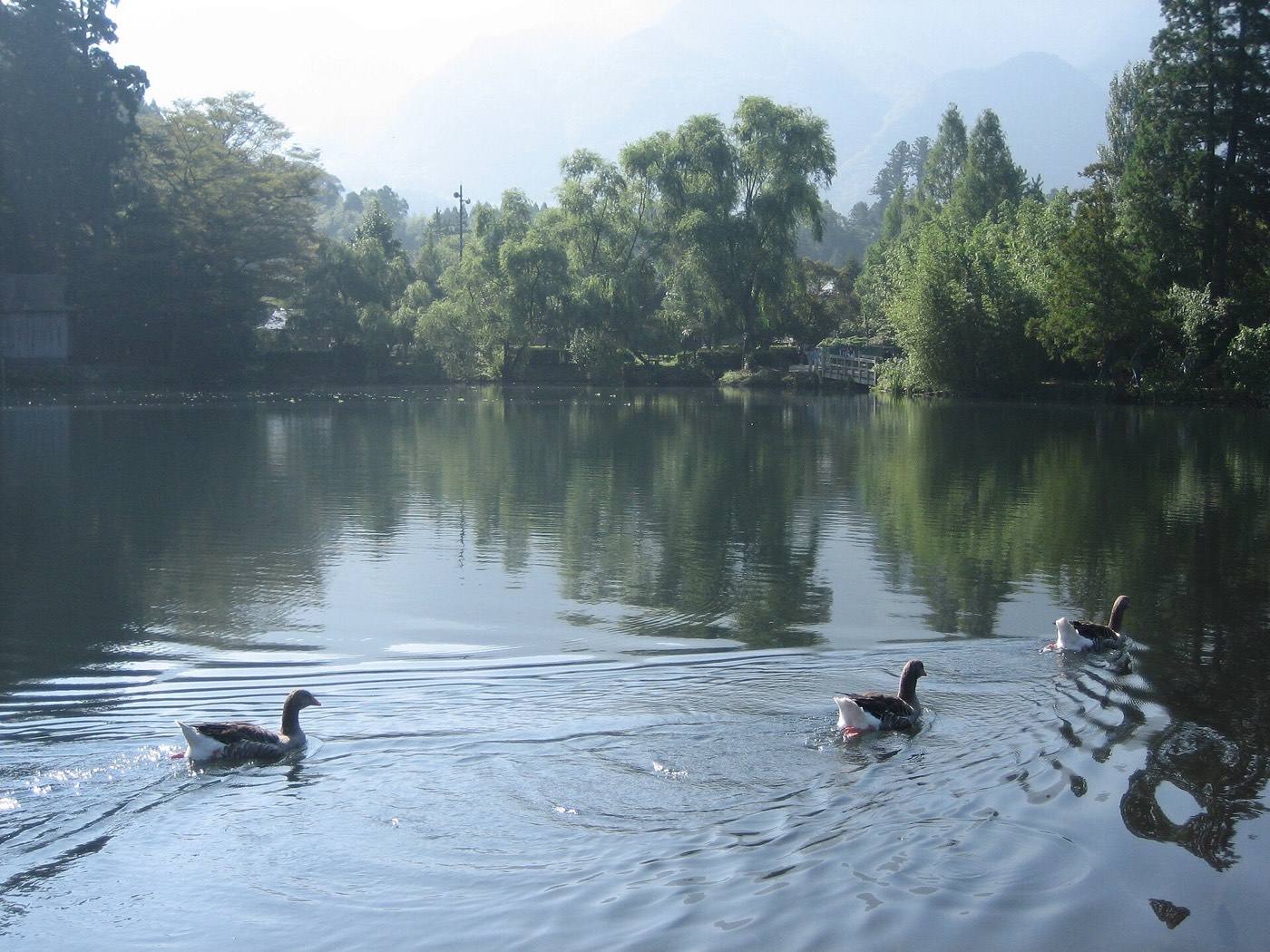
A walk-around town under a twin-peaked mountain, with a lake and small galleries. Gentler than Beppu.
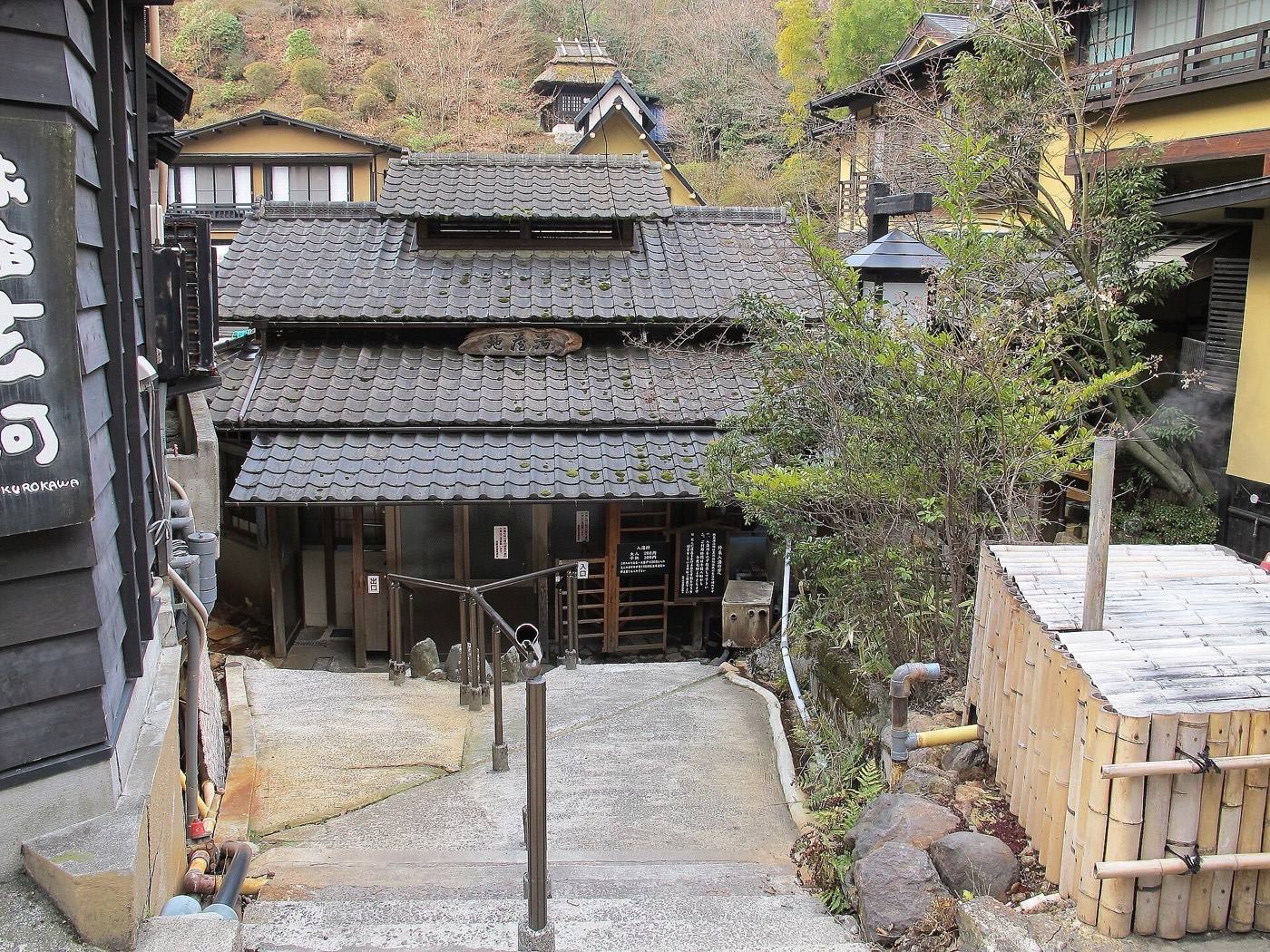
Wooden inns along a river gorge. One pass, three outdoor baths of your choice.
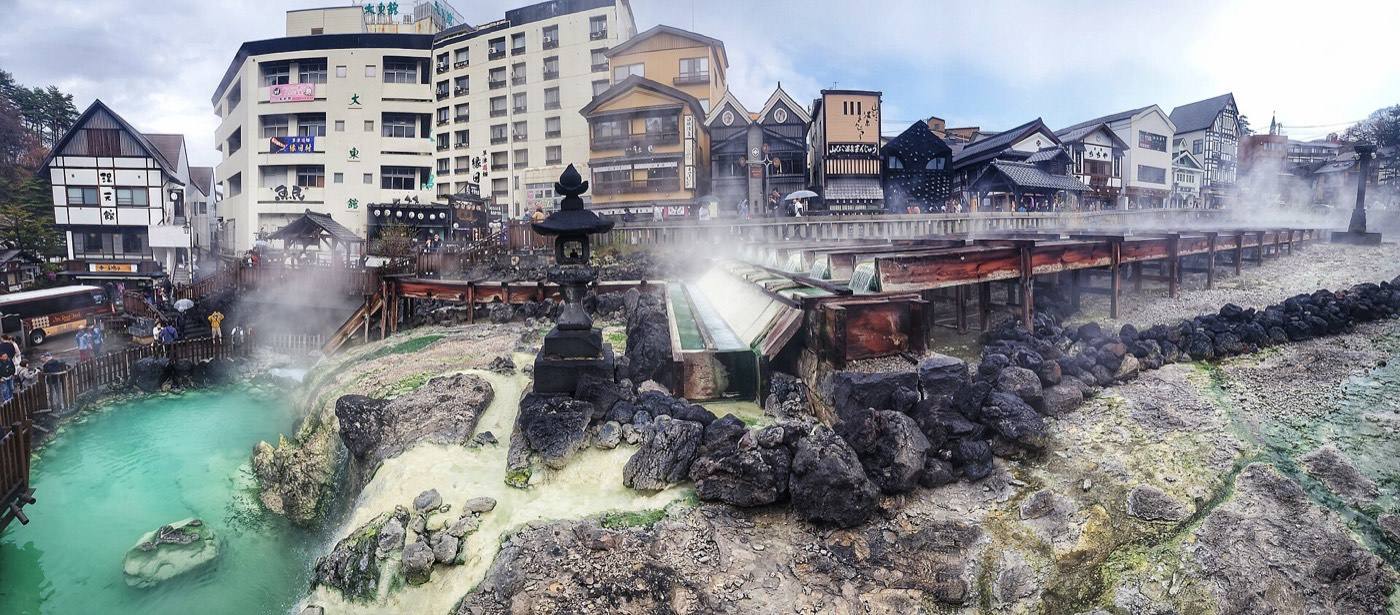
The water comes out too hot to enter, and is cooled by hand with wooden paddles in the square.
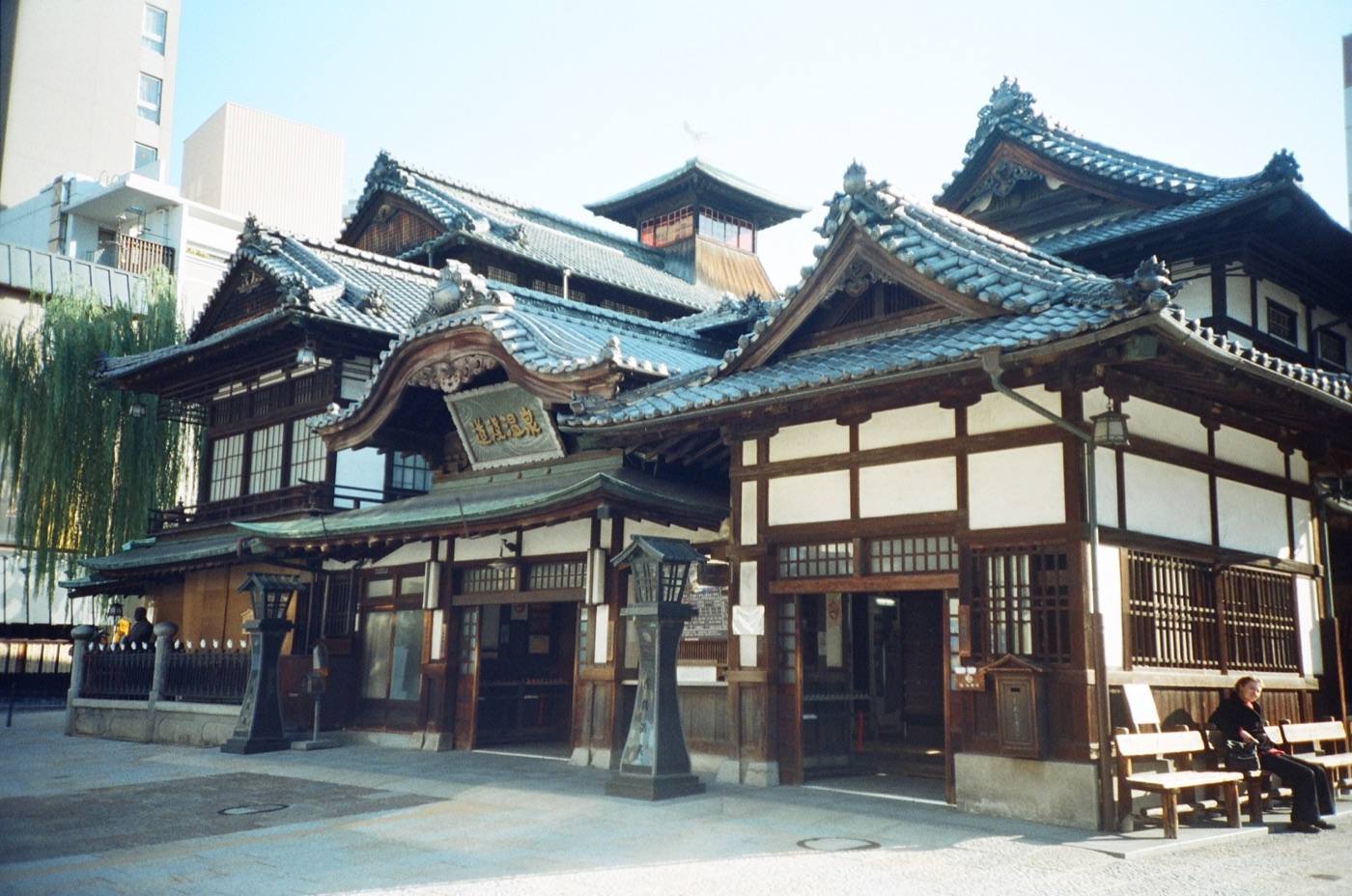
Said to be the oldest hot spring still in use in Japan, in a wooden bath house you can walk into.
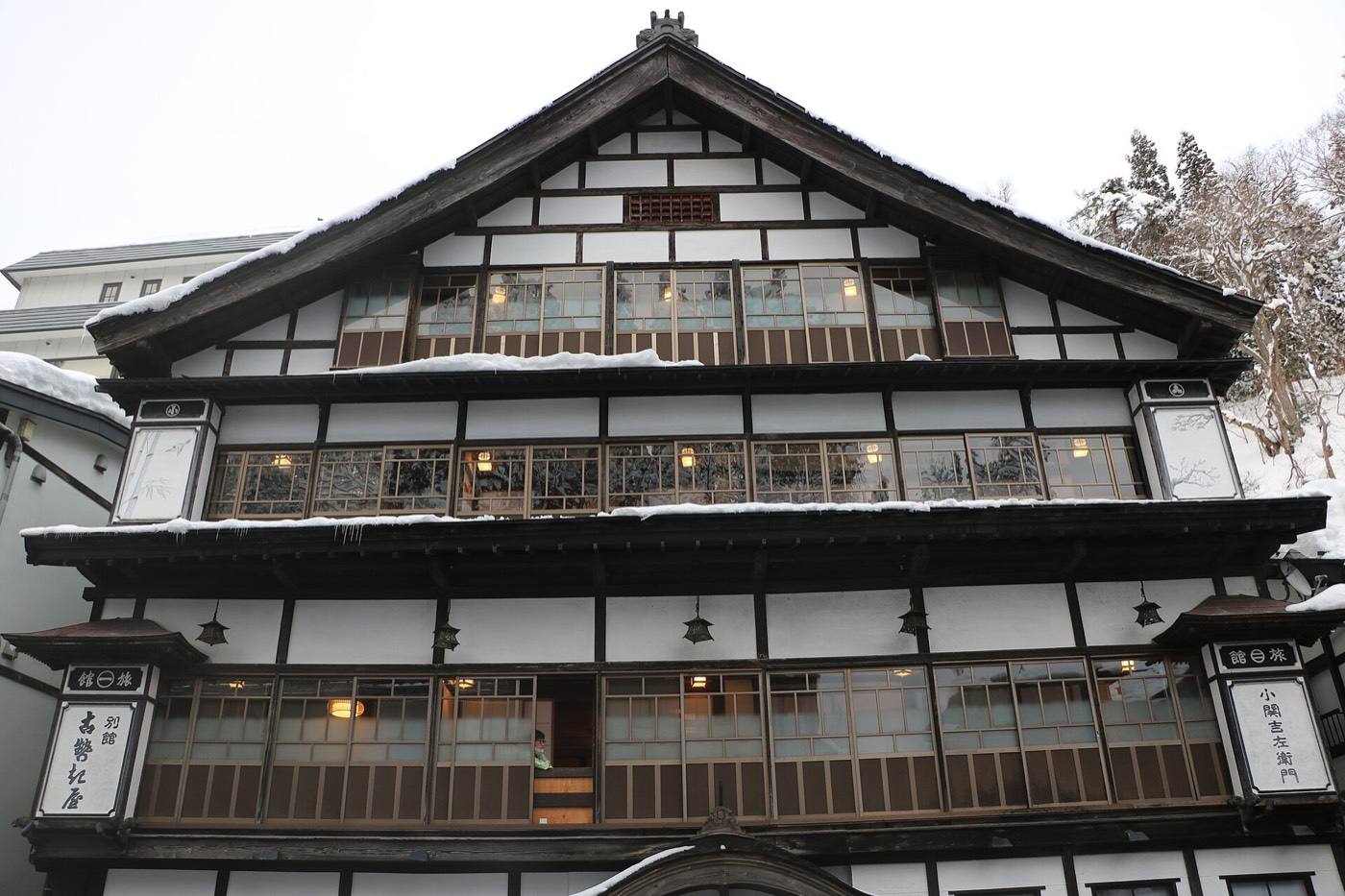
Wooden inns facing each other across a stream, lit by gas lamps. Deep snow in winter.
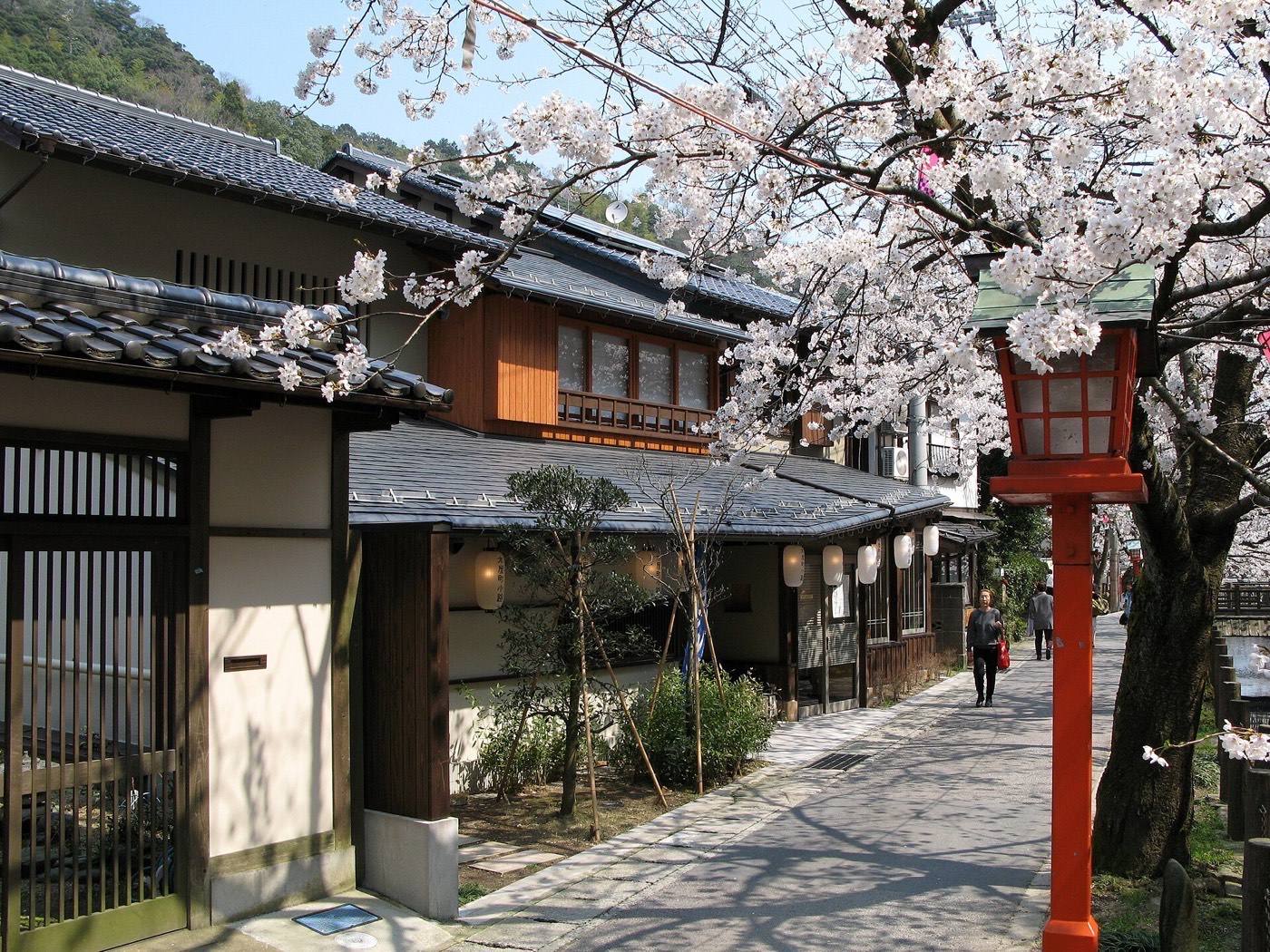
Seven public baths along a willow-lined canal. People walk between them in cotton robes and wooden sandals.
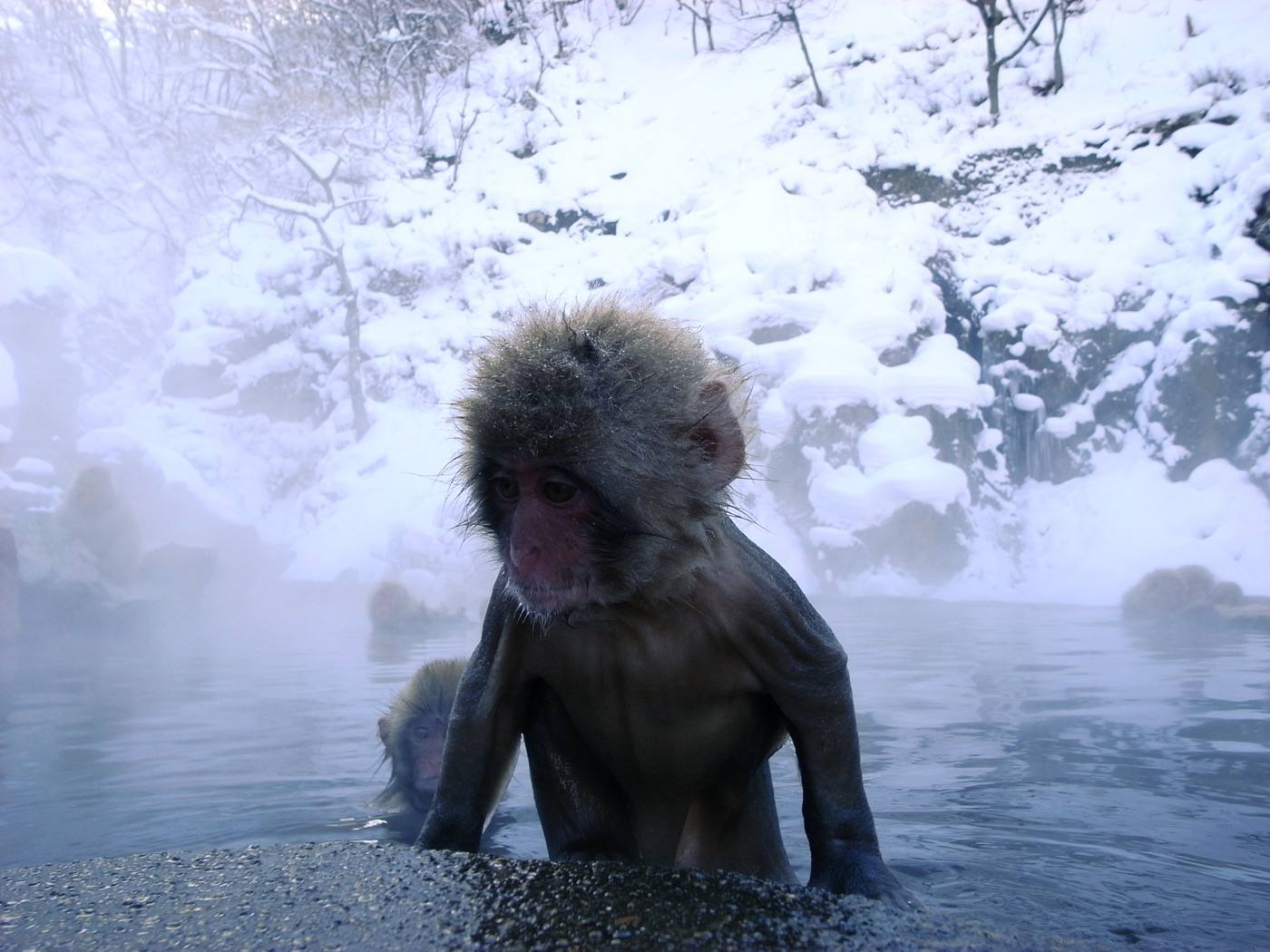
A hot spring used by wild monkeys, in the mountains. You watch; you do not get in with them.
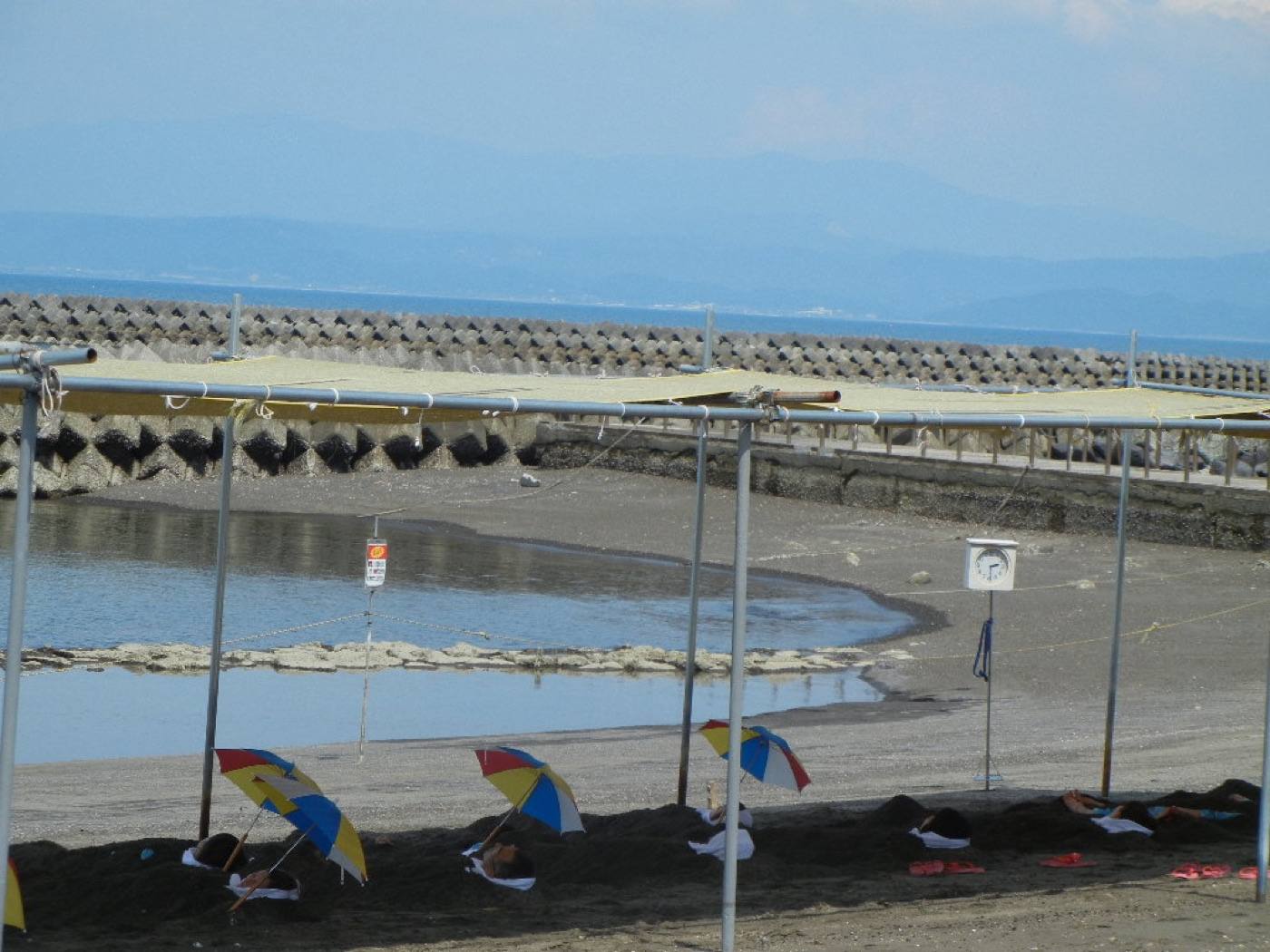
You are buried in hot black sand on the beach instead of sitting in water. Ten minutes is the limit.
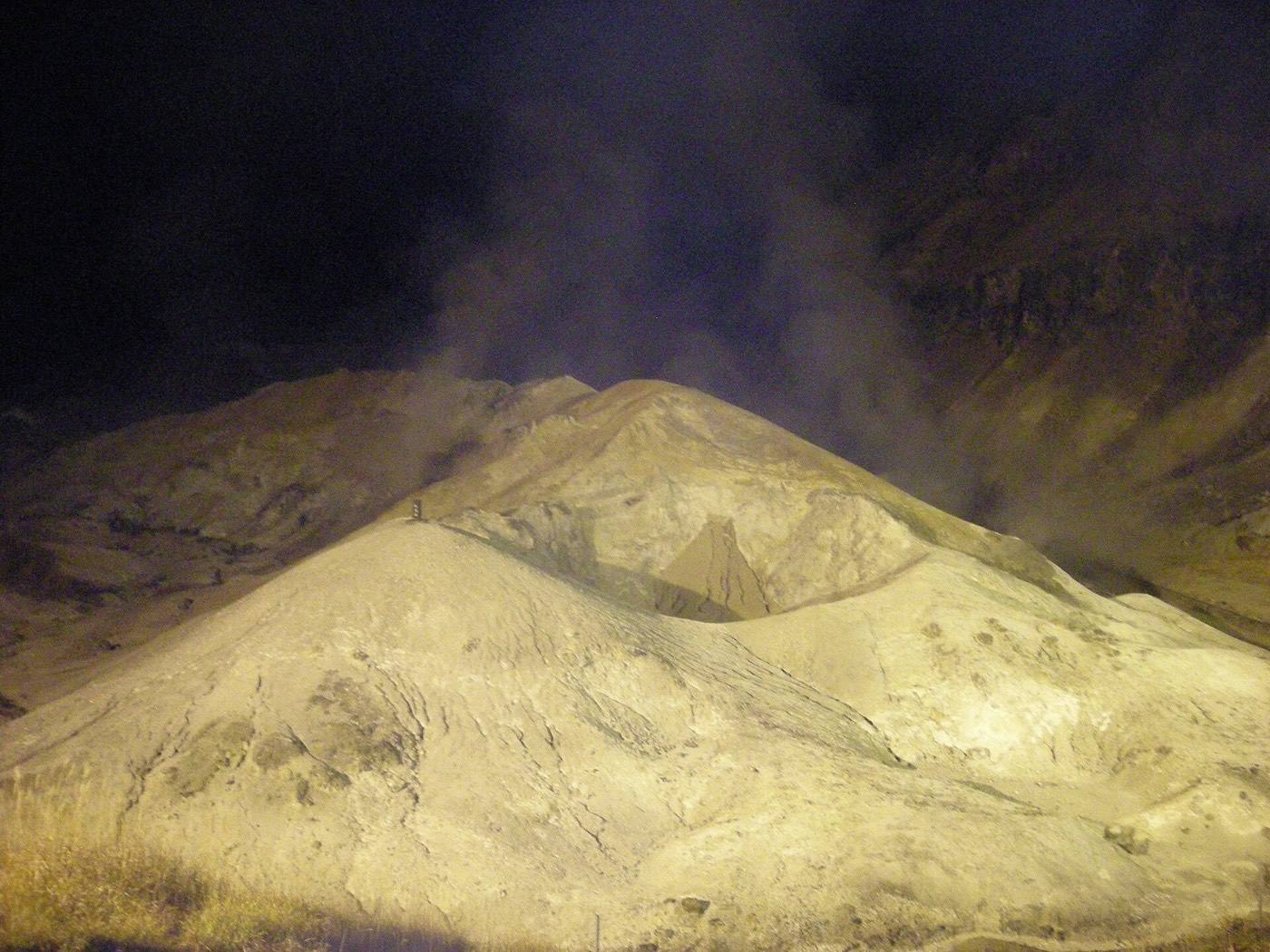
Nine kinds of water in one valley, next to a bare steaming crater floor you can walk across.
Ranges are a guide, not a quotation.
A curtain or sign reading 男 is men and 女 is women — the colours are not reliable, the characters are. Rotenburo means the bath is outdoors, which is the one to choose if there is snow. Kashikiri means private. Higaeri means you can use it for the day without staying.