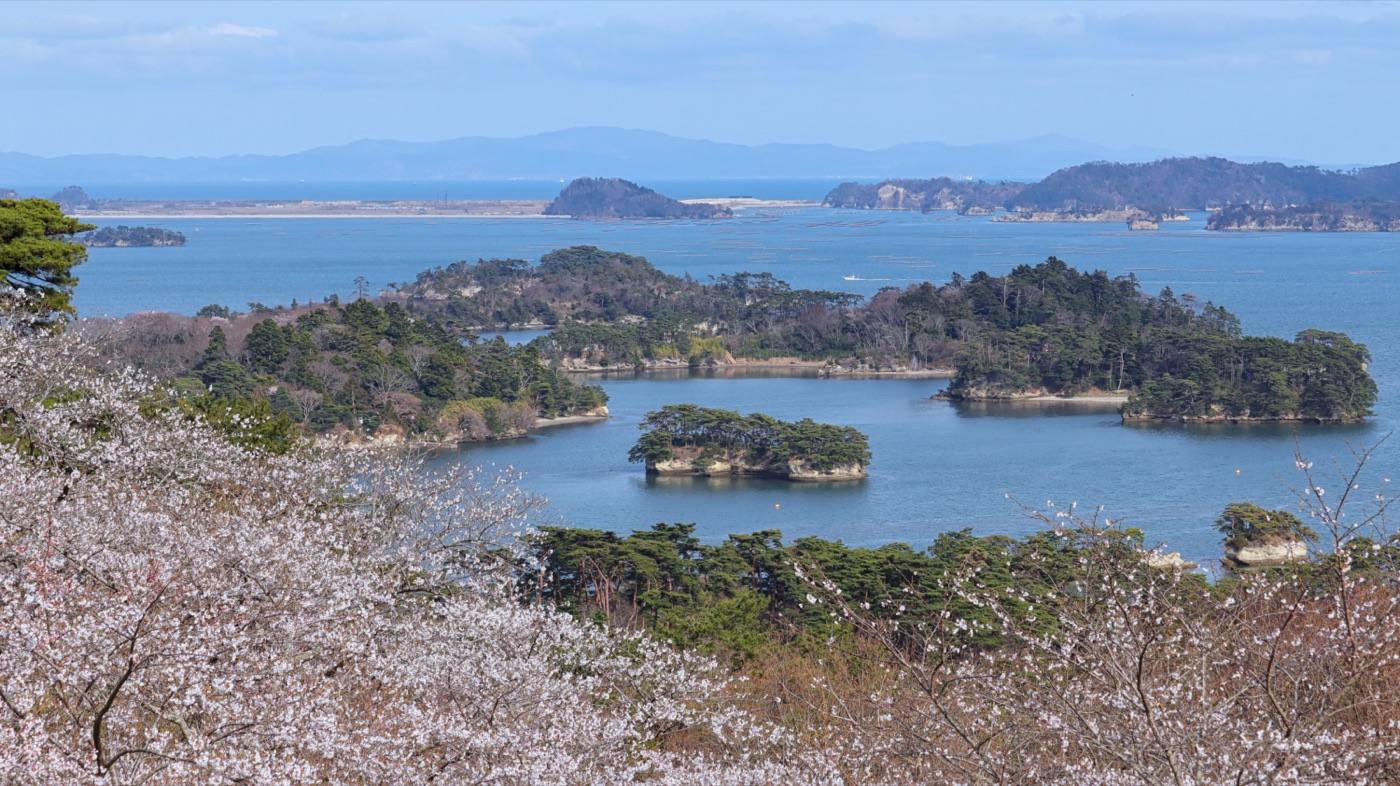
Islands島
About fourteen thousand of them. On any of them, the ferry timetable decides your day.
About fourteen thousand of them. On any of them, the ferry timetable decides your day.
Japan is not four islands but around fourteen thousand, and a few hundred are inhabited. Going to one changes the pace of a trip completely: ferries decide your day, there is often one shop, and the last boat back is not negotiable.
They divide roughly into three kinds. The inland sea islands between Honshu and Shikoku are calm, close and full of art and cycling. The far southern islands are subtropical, with coral and forest. The northern and remote ones are wild, cold and almost empty.
Check the return sailing before you sail out, and check it again the same morning. Ferries are cancelled for wind and swell, not for rain, and the decision comes late.
Take cash.
Book accommodation before you sail if you are staying. Several islands have very few rooms.
Buses are timed to ferries, which is convenient, and means missing one costs you hours. Hire a bicycle or a small car if you can.
Each links to the prefecture it belongs to.
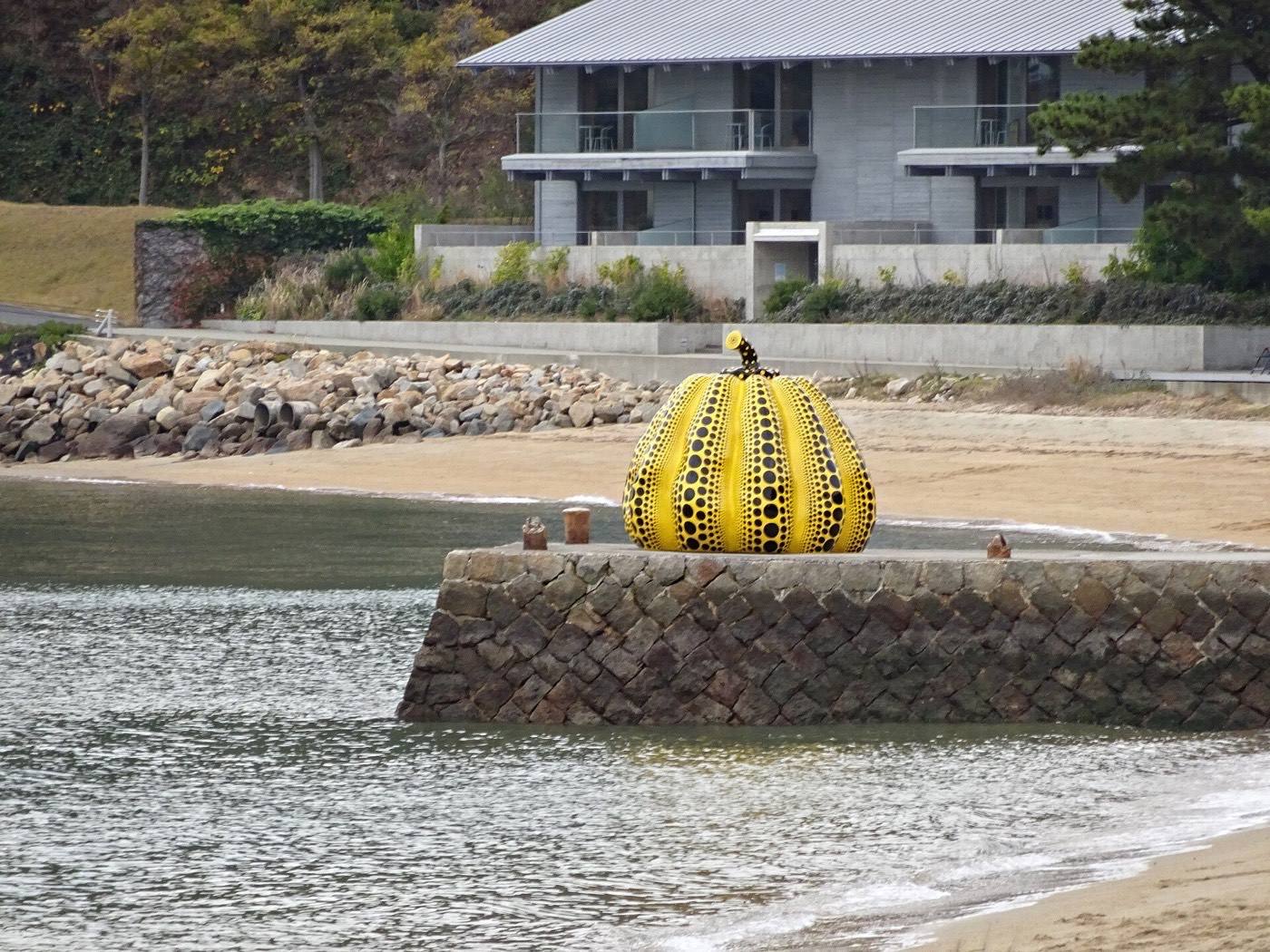
Modern art museums cut into the hillsides, and houses converted into single works.
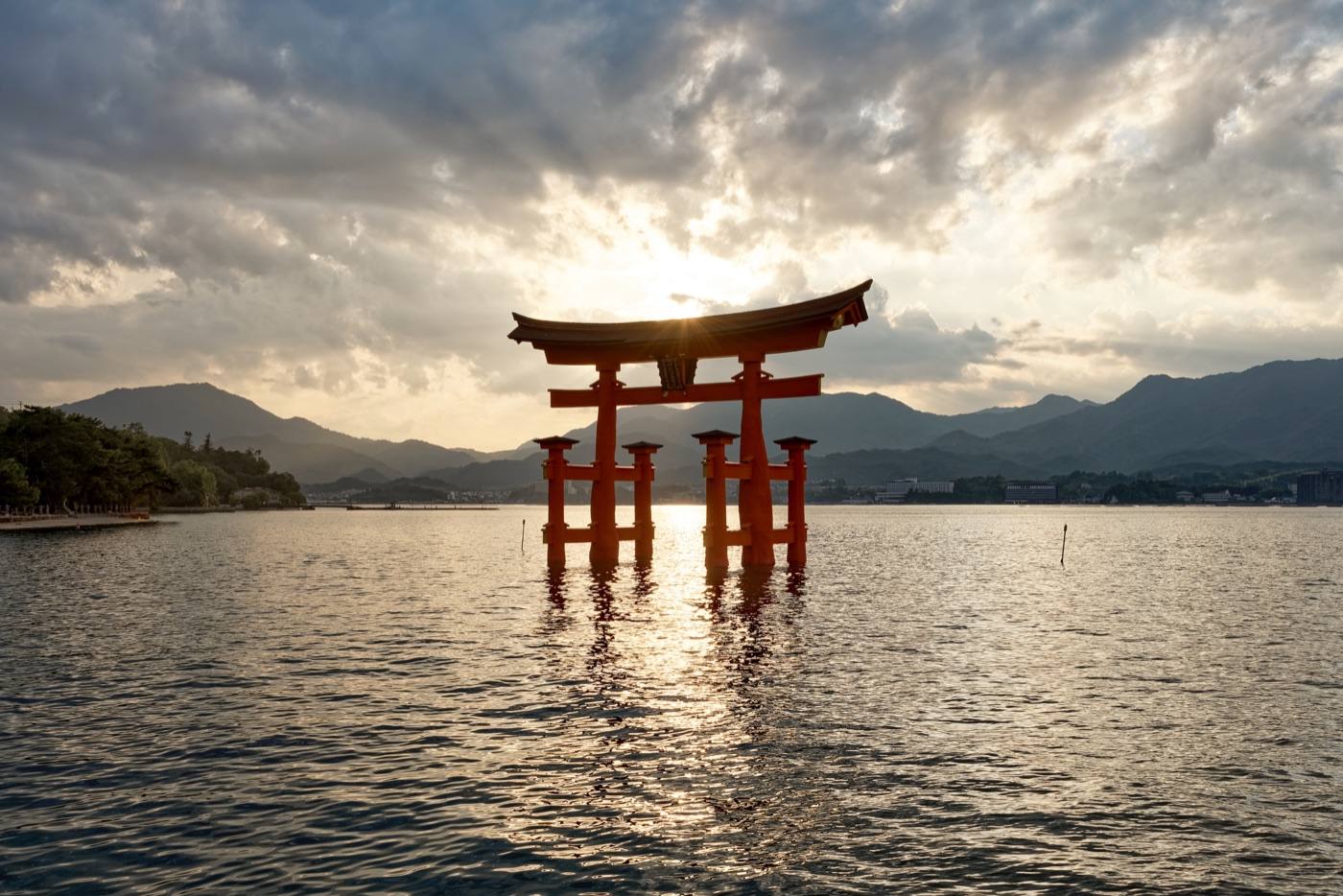
A shrine gate standing in the sea, deer in the streets, and a mountain behind.
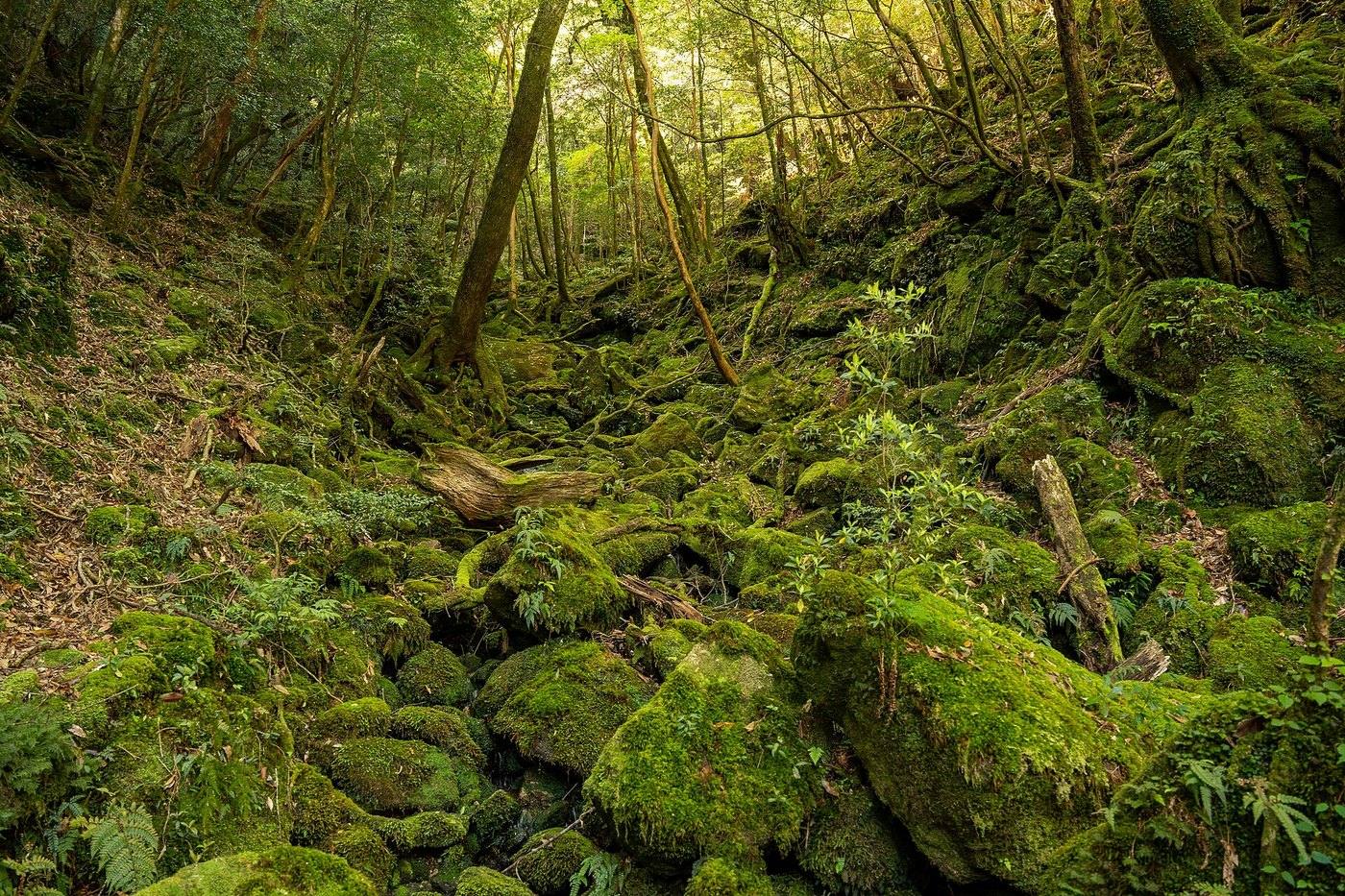
Steep rainforest and thousand-year cedars. It rains most days, and the moss is the point.
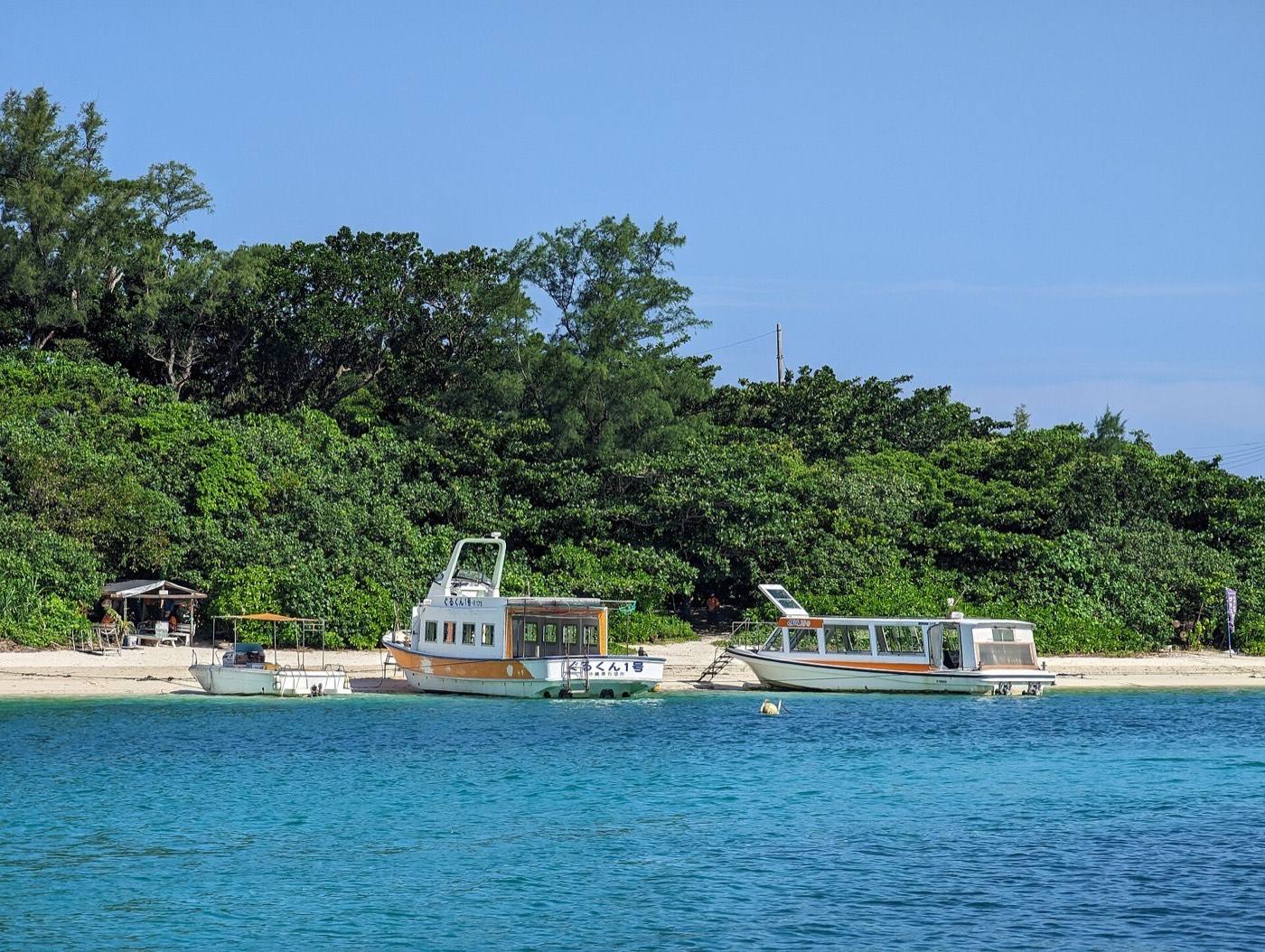
Pale blue bays and coral, an hour by air south of Naha.
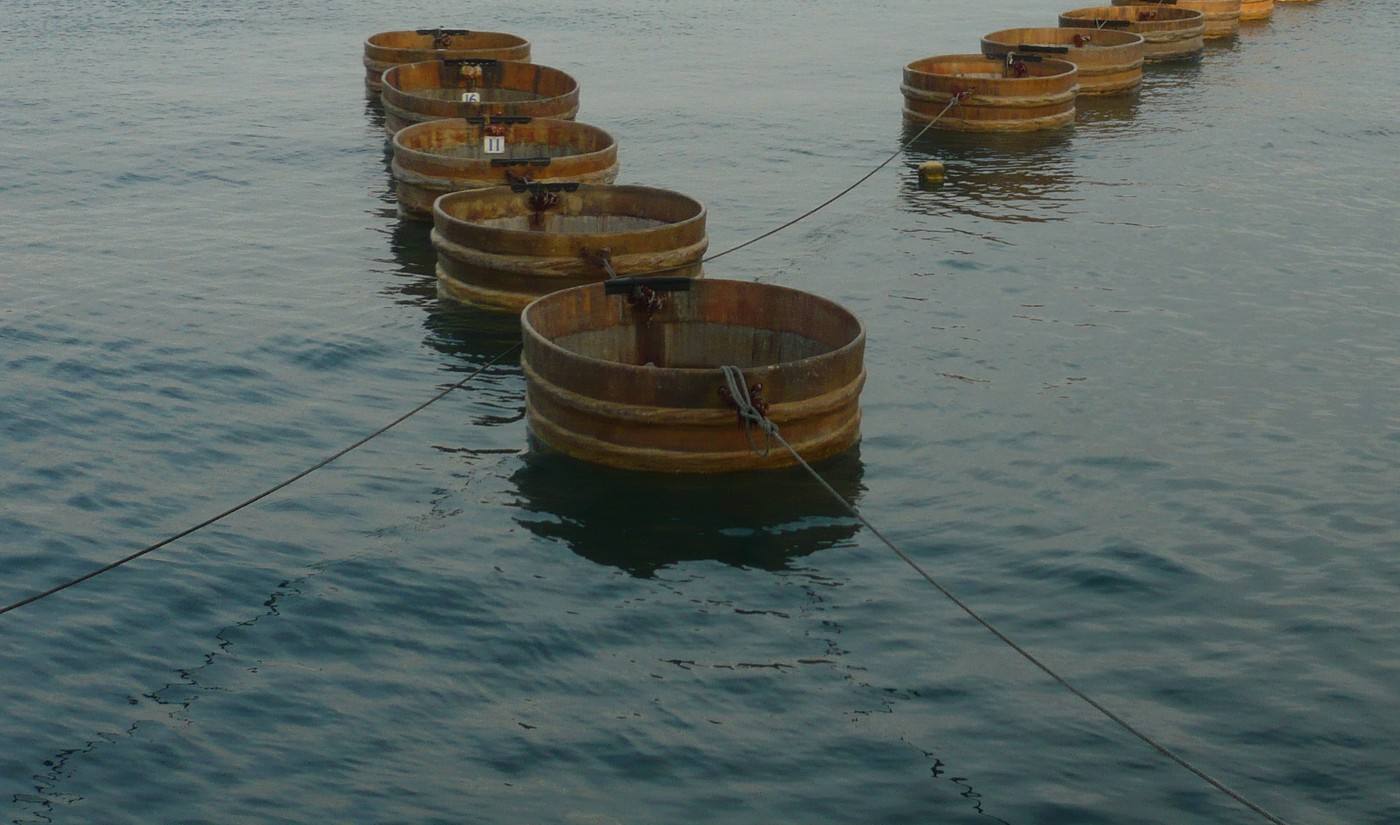
Gold mines, tub-shaped boats and quiet hills, two and a half hours by ferry.
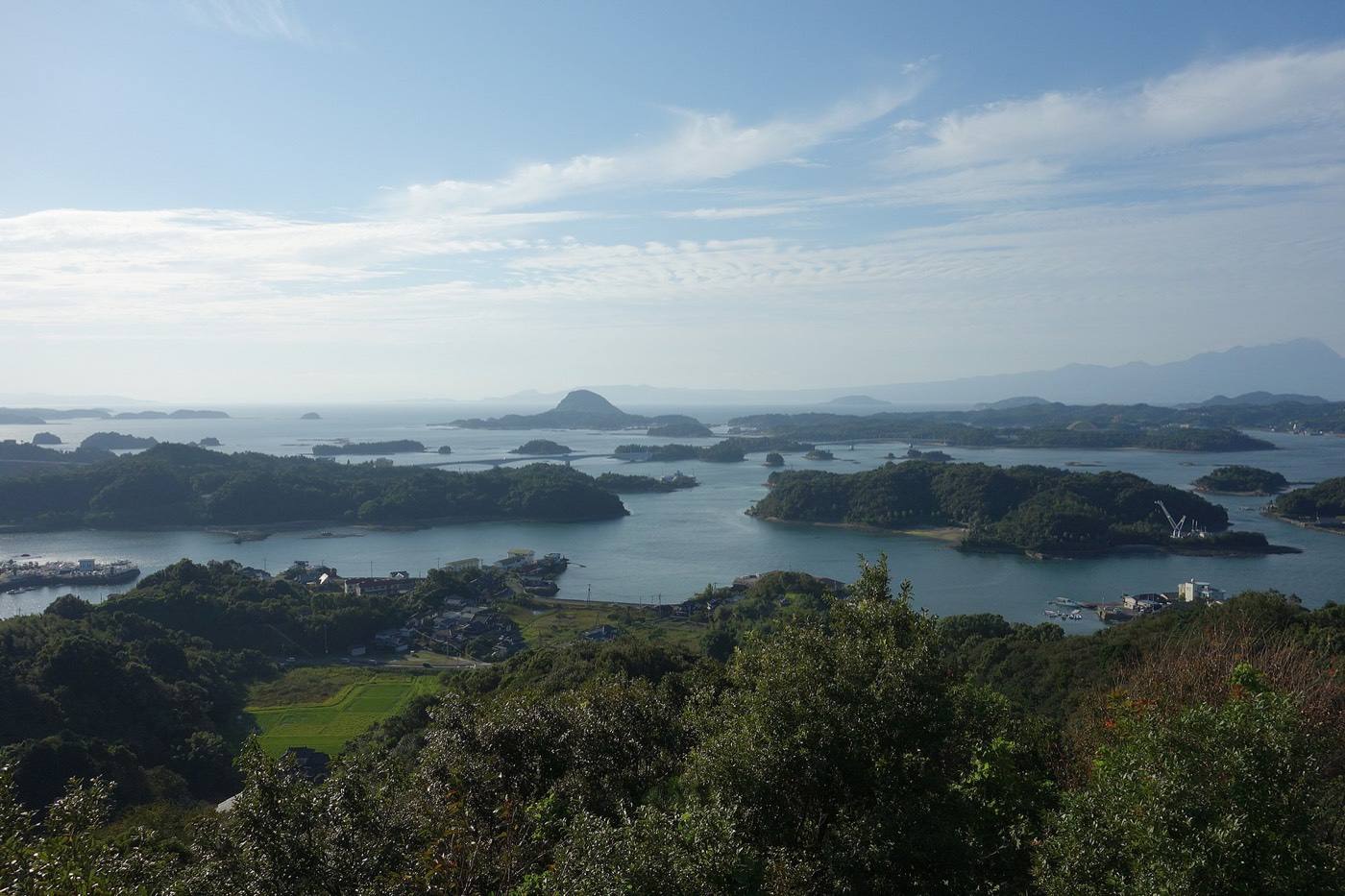
Islands linked by bridges, with wild dolphins in the sea between them.
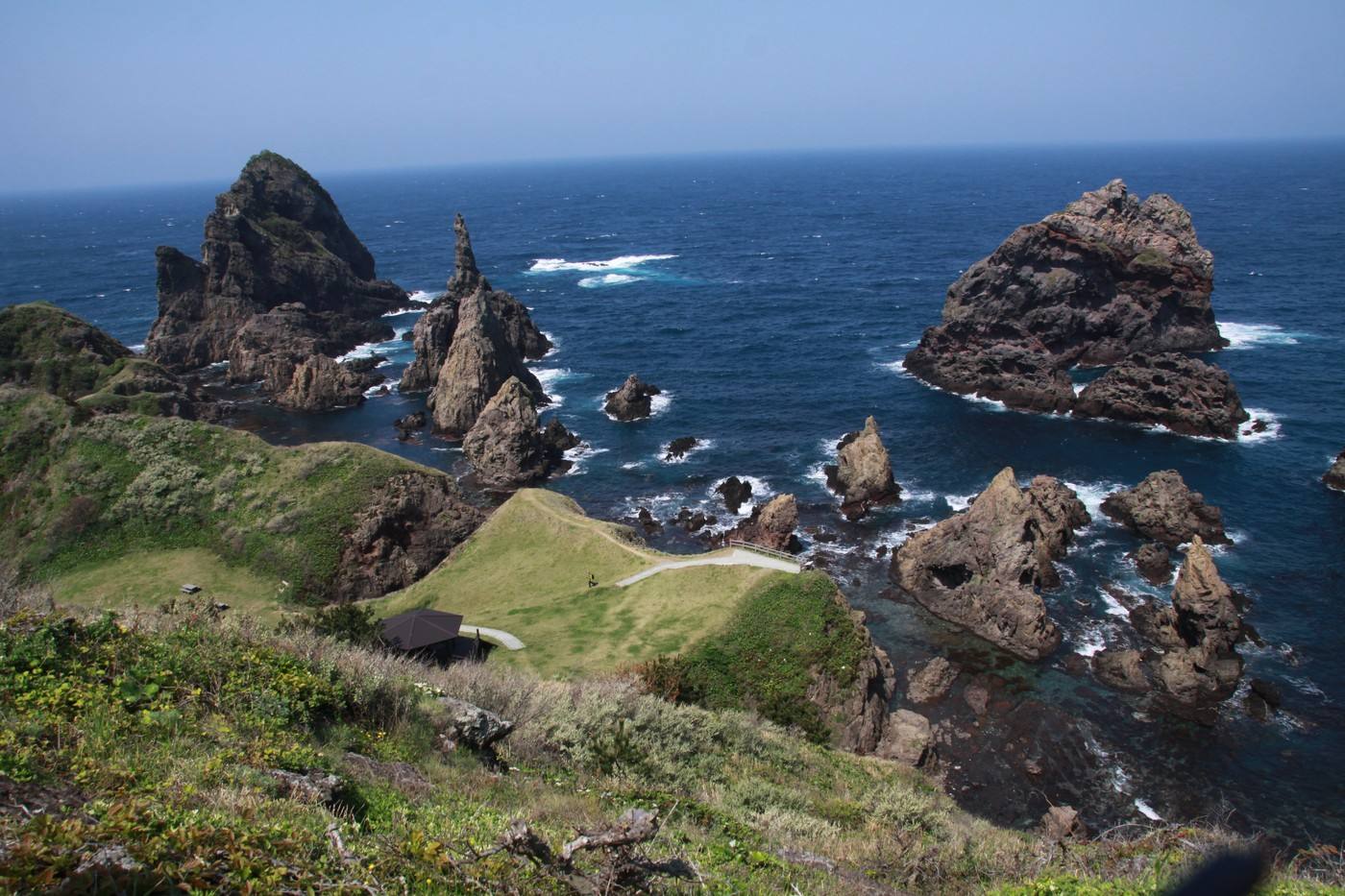
Sea cliffs, horses on the clifftops, and very few visitors.
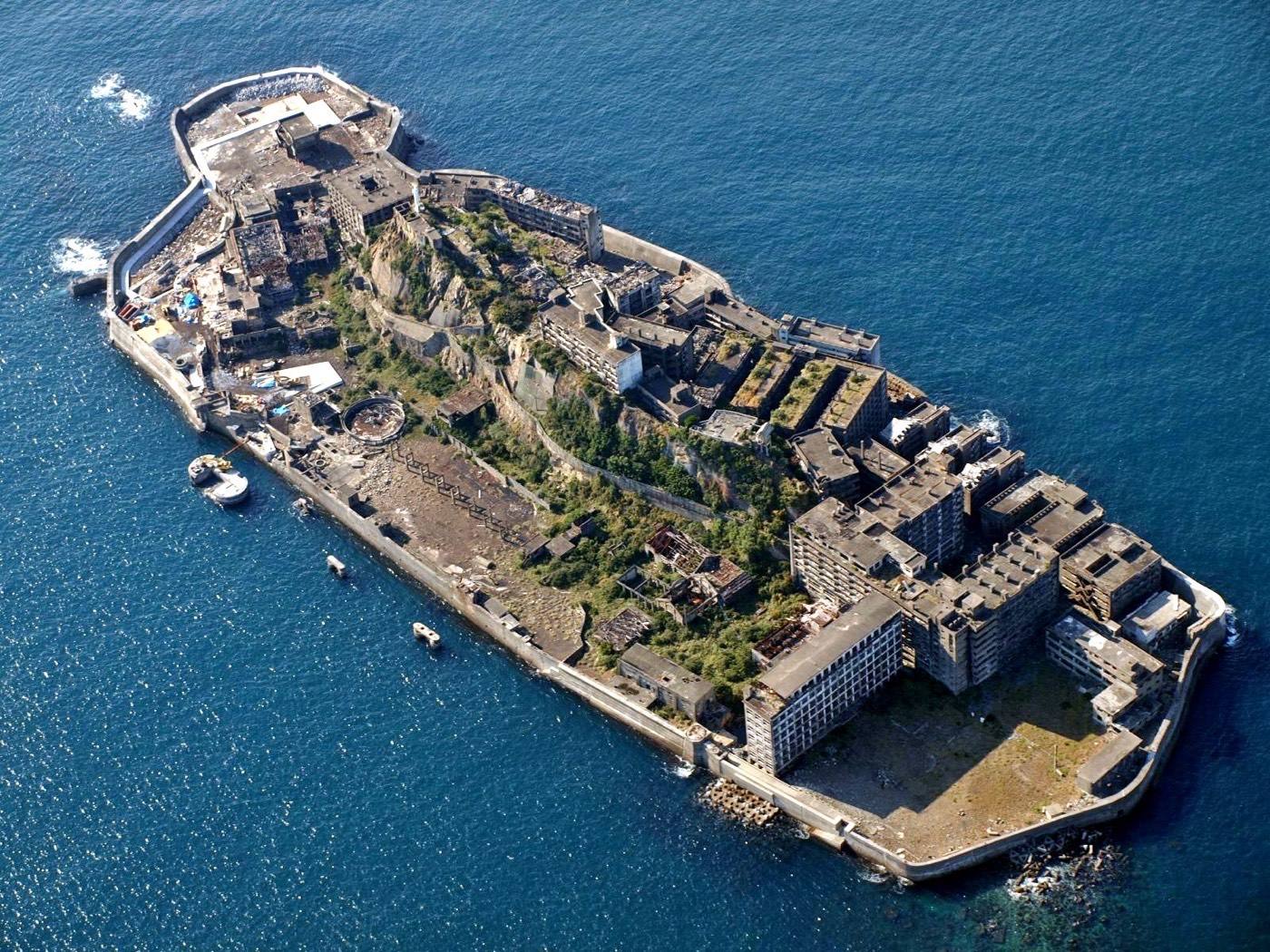
An abandoned island city of concrete. Landing depends on the sea being calm.