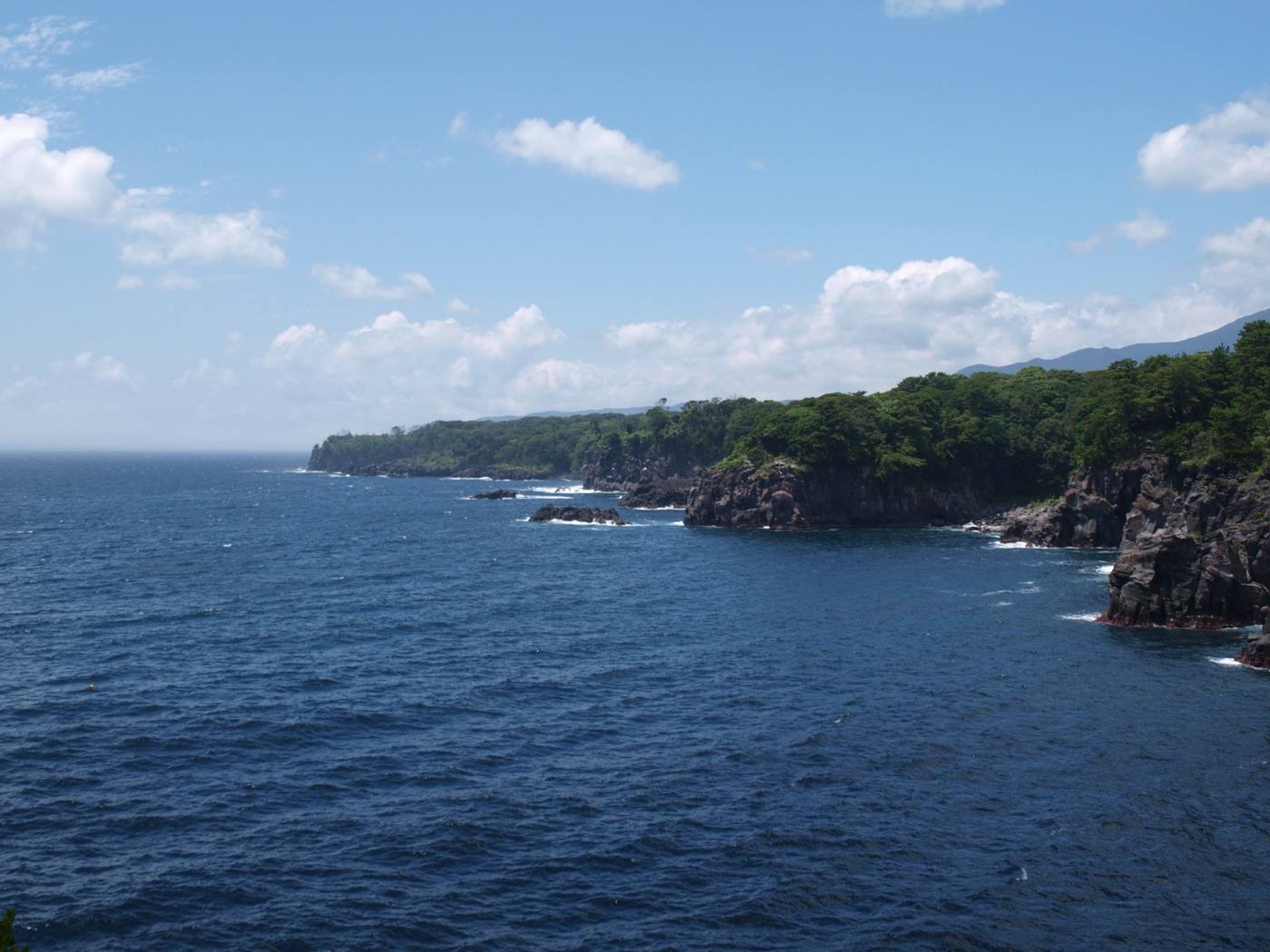
Coast and beaches海岸・ビーチ
Swim inside the official season and at a beach with a lifeguard. A short official season, clear water, and a set of rules worth knowing before you get in.
Swim inside the official season and at a beach with a lifeguard. A short official season, clear water, and a set of rules worth knowing before you get in.
Japan has a great deal of coast and a short official swimming season. Most beaches are supervised only from around early July to late August, and outside those weeks the lifeguards, the showers and the beach cafes are gone, even in perfect weather.
Within the season, beaches are well run: marked swimming areas, lifeguards, showers, changing rooms and rubbish bins. Outside it, treat any beach as an unsupervised coast.
Okinawa is the exception, where the sea is swimmable from late April into October, and hotel beaches are supervised on their own schedule.
Swim between the flags where there are flags.
If the beach is closed, it is closed for a reason you cannot see.
Tattoos are generally fine on a beach, unlike at a bath house. Hotel pools may differ — ask at the desk.
Not all of these are for swimming. Some are for looking at.
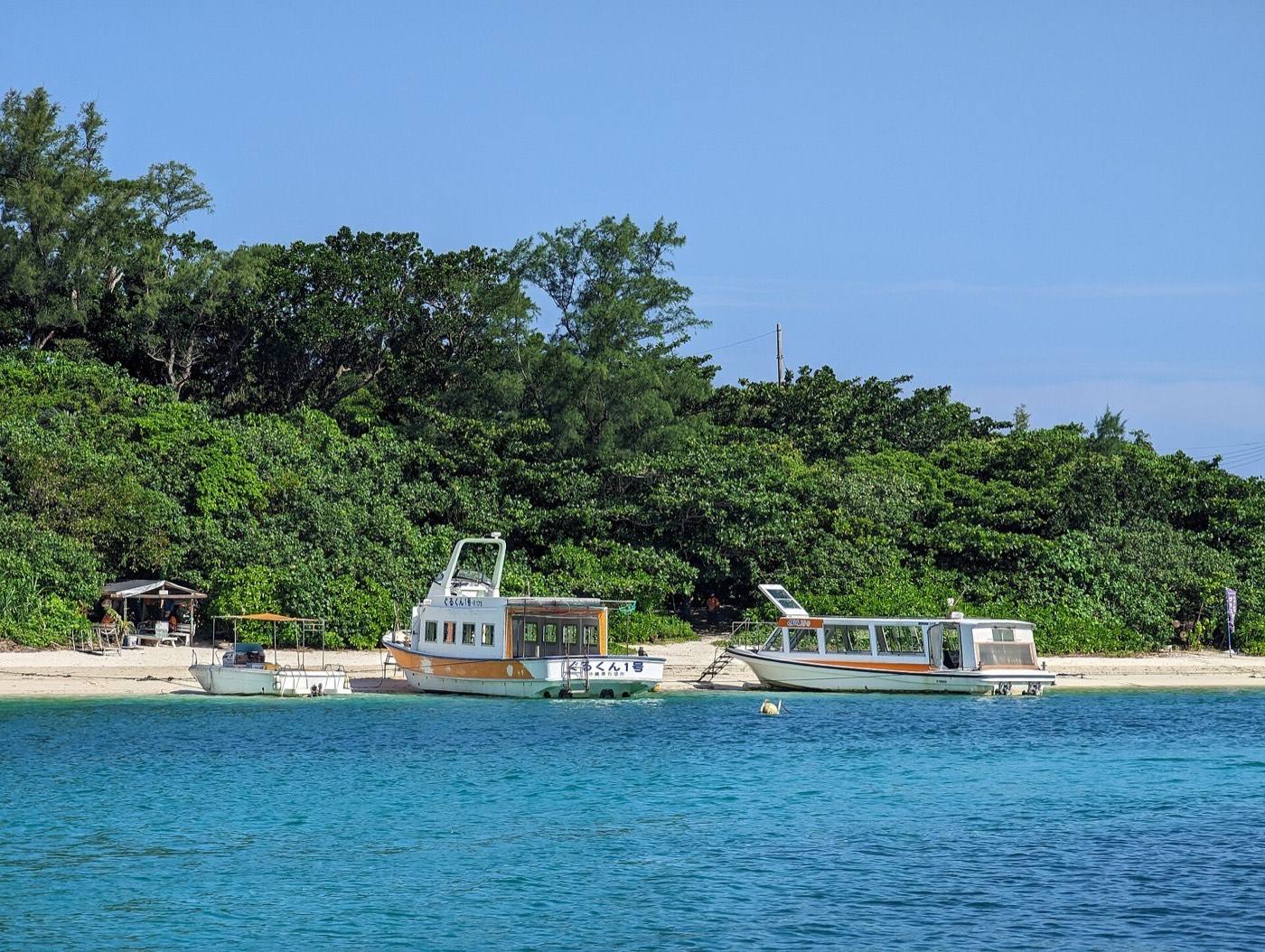
Pale blue water and small islands on Ishigaki. Glass-bottom boats glide over the coral.

Long white beaches and the clearest water in Japan. Swimmable April to October.
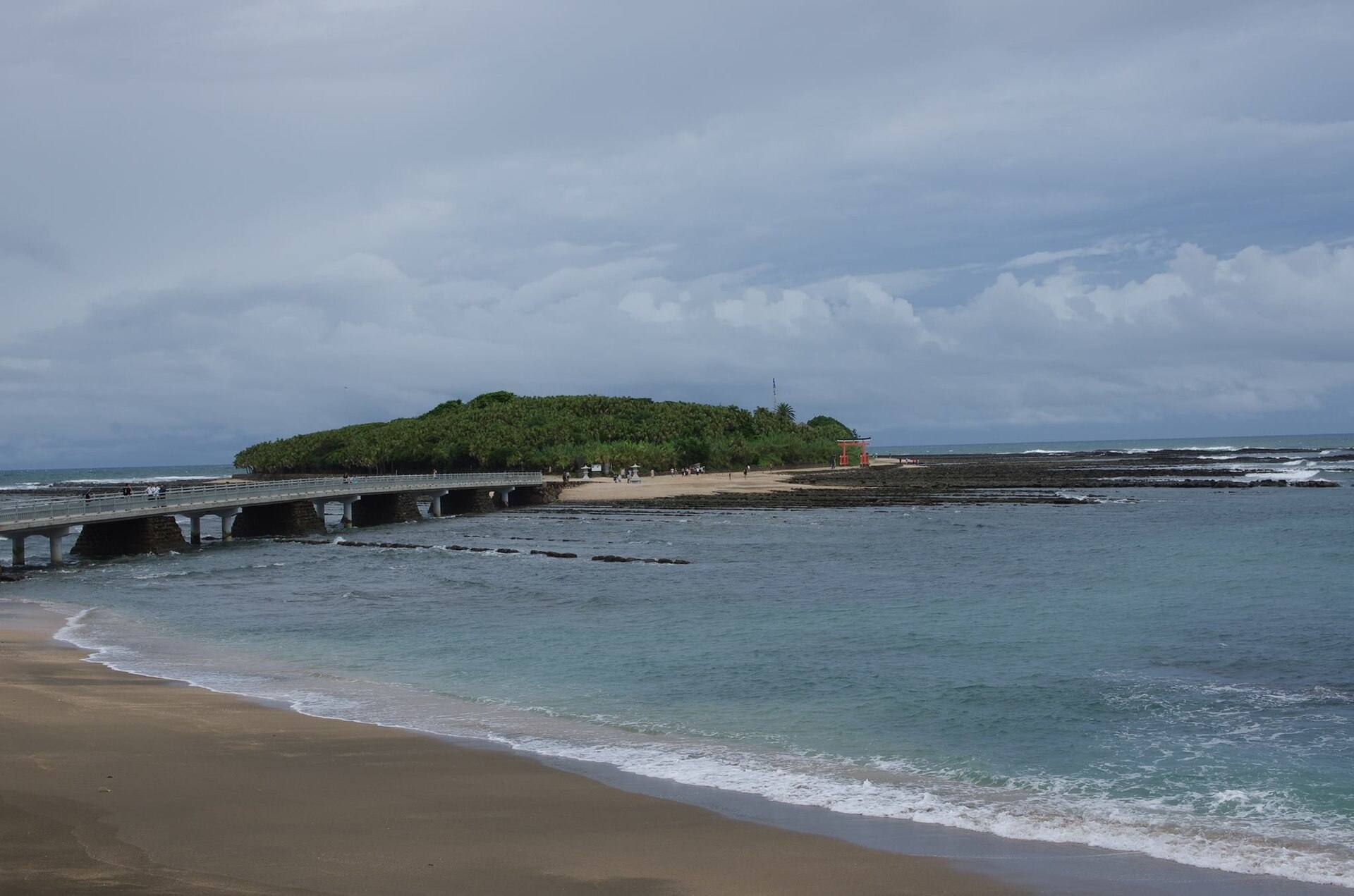
A palm-lined road, small beaches and surf, on the warm side of Kyushu.
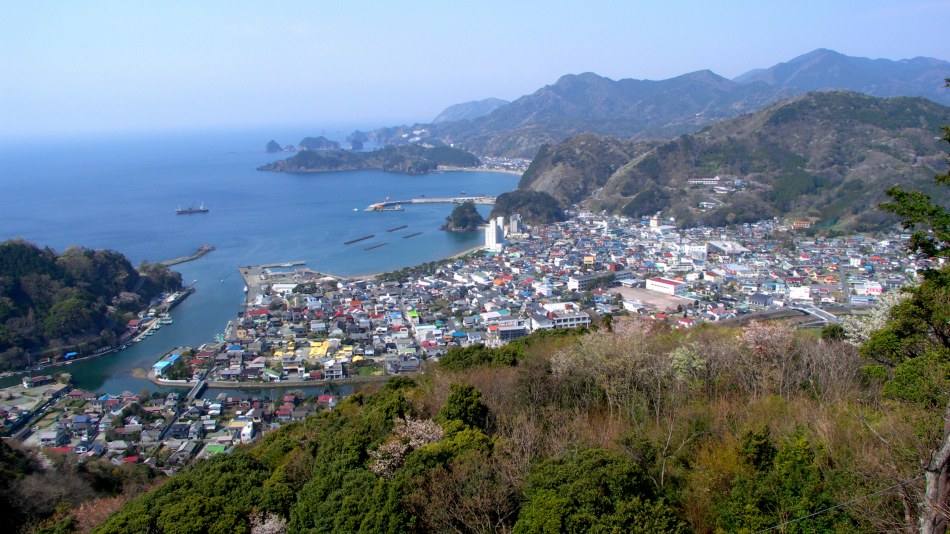
The closest good coast to Tokyo, with hot springs on the same peninsula.
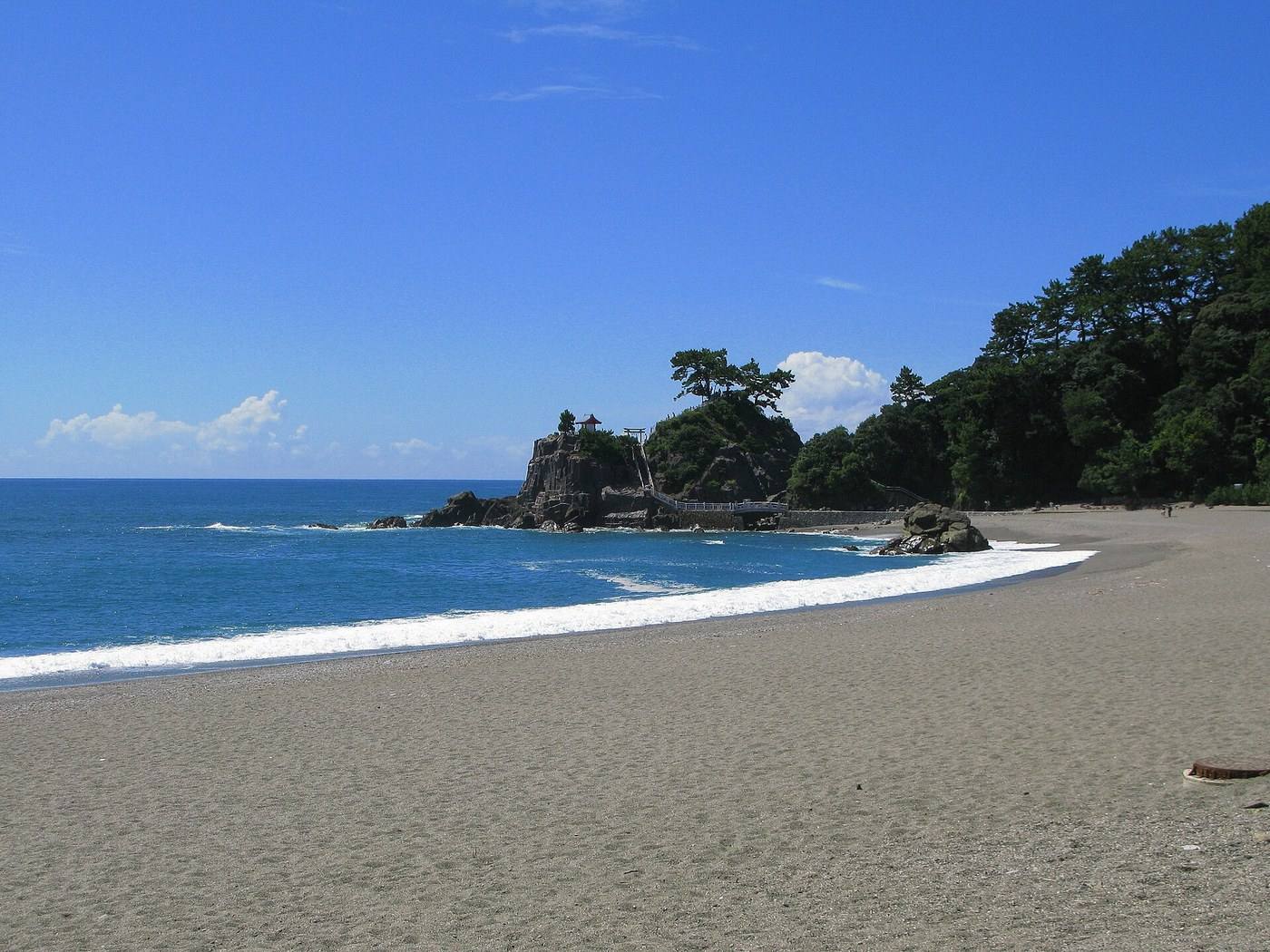
Pale sand, pines and open Pacific. Famous, and not for swimming.
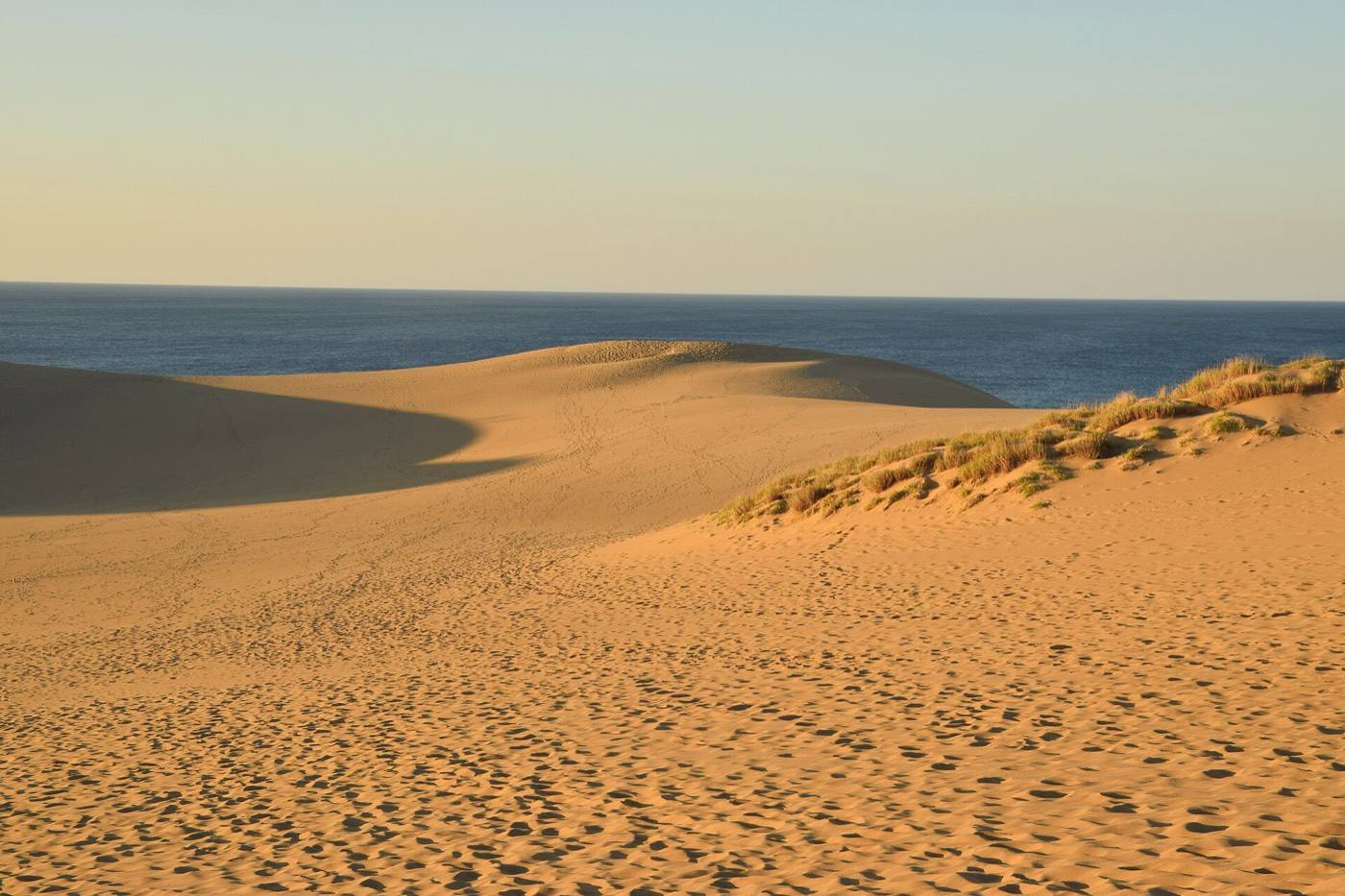
Fifty metres of sand above the Japan Sea. The sand reaches 60°C on summer afternoons.
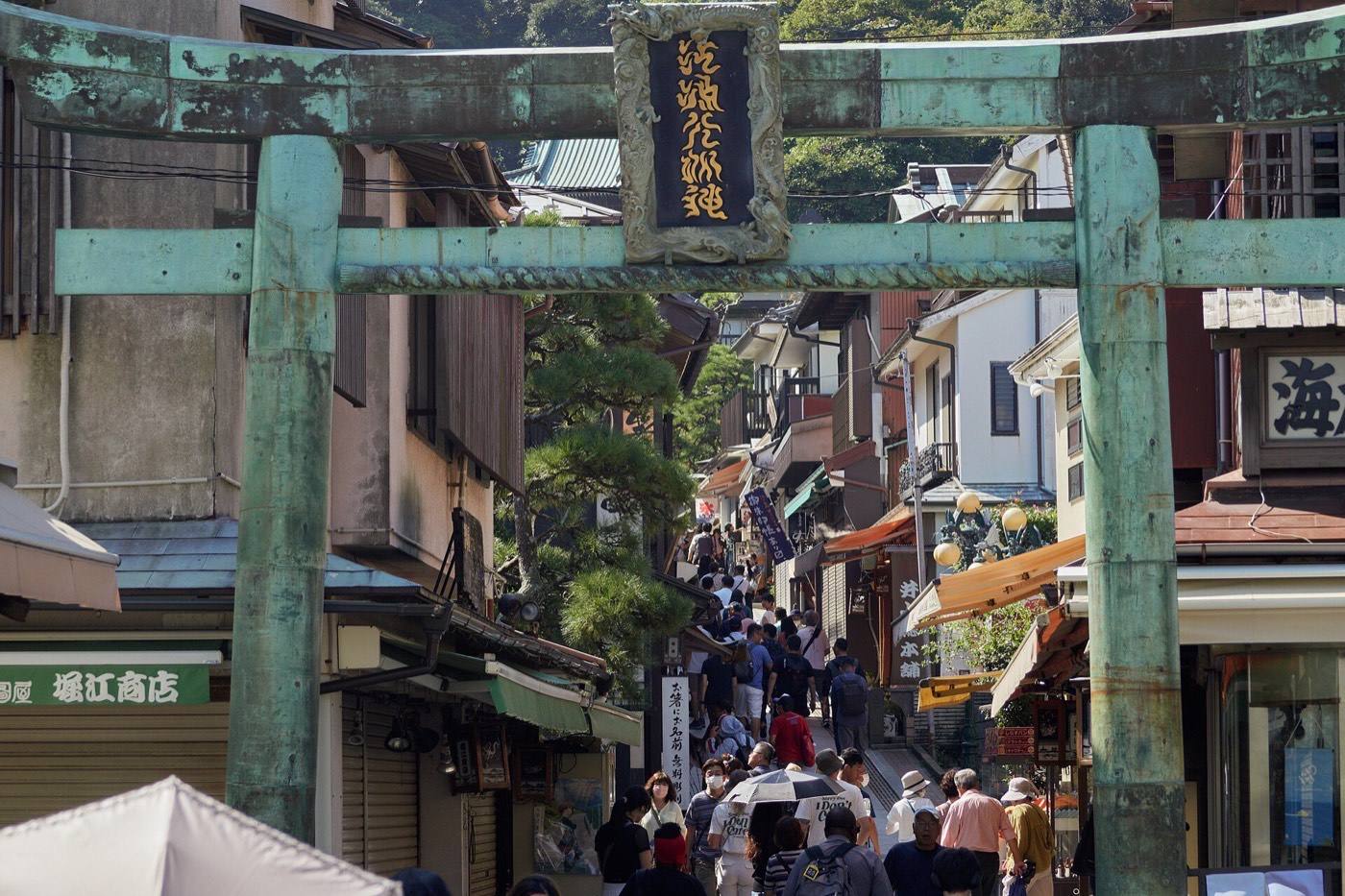
An island joined by a bridge, reached by a wooden coastal tram. Busy in August.
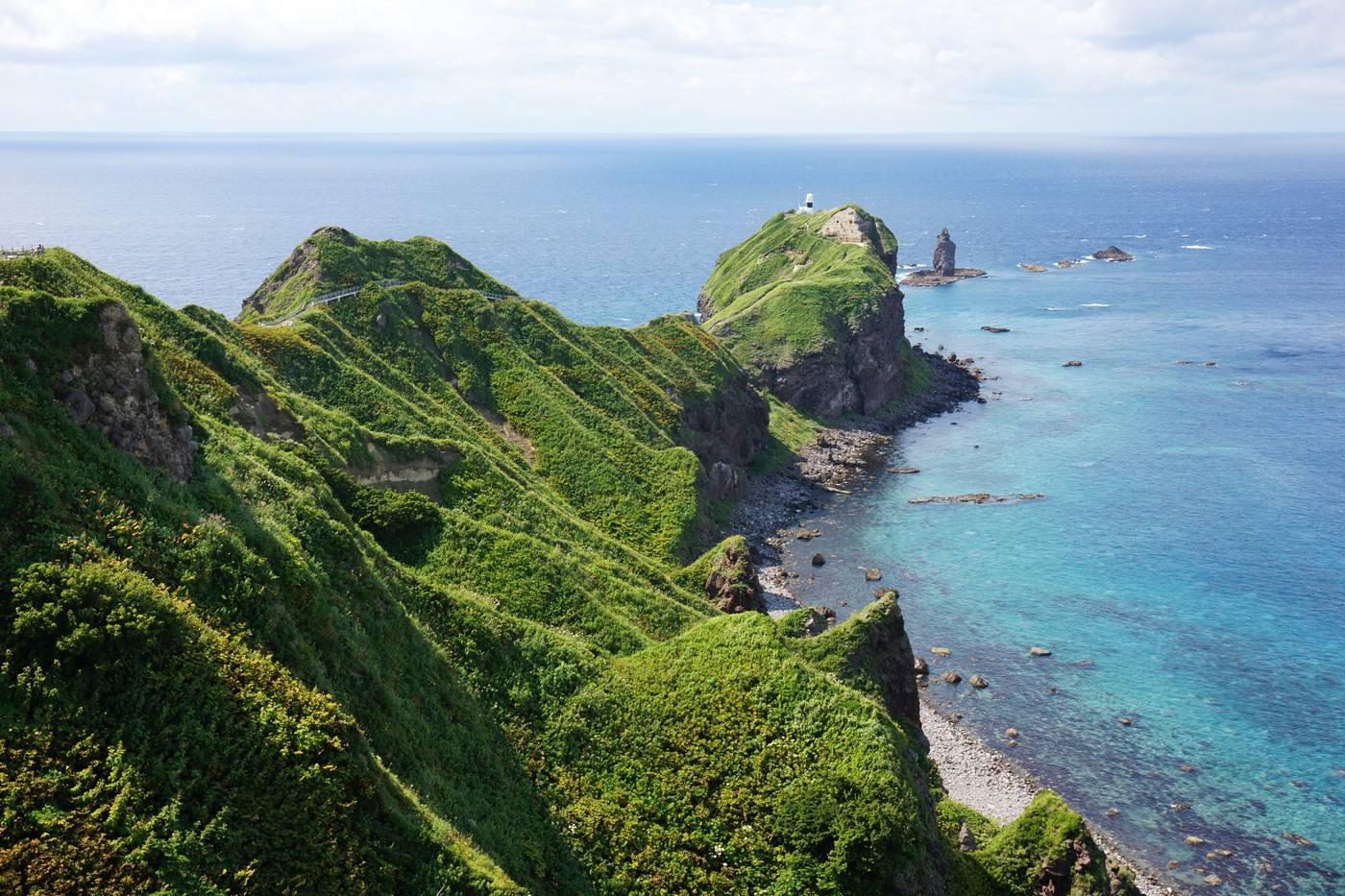
Cliffs and startling blue water in the north — cold, and worth the drive.