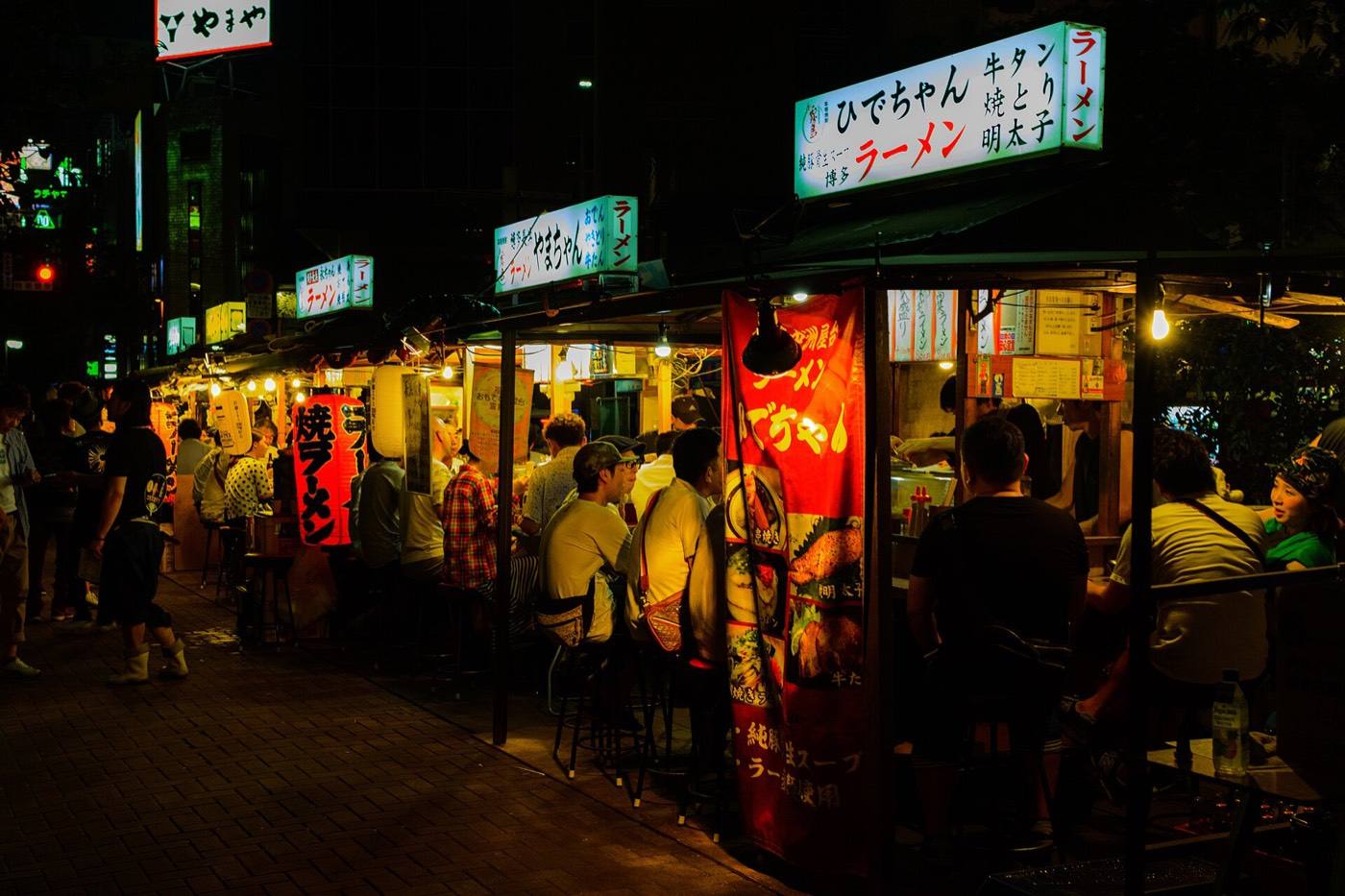
Street food屋台・食べ歩き
Eat standing up where the queue is local. The exceptions — stalls, markets, temple streets — are the cheapest good food in the country.
Eat standing up where the queue is local. The exceptions — stalls, markets, temple streets — are the cheapest good food in the country.
Japan generally does not eat while walking, and visitors are often told so. The exception is large and delicious: festival stalls, market lanes, temple approach streets and covered arcades are places where buying something hot and eating it on your feet is exactly what everyone does.
The rules on those streets are simple. Eat near the stall you bought it from, use the bin the stall provides, and do not carry an open food container onto a train.
It is also the cheapest good food in the country. A few hundred yen at a stall in Fukuoka, Osaka or Asakusa will feed you better than most sit-down meals of the same price.
Stalls are cash only, and small notes and coins are appreciated.
Ask what is in it before you buy if you avoid pork — several of the most common items contain it, and the answer at the point of sale is easy to get.
Each links to the prefecture where it is best.
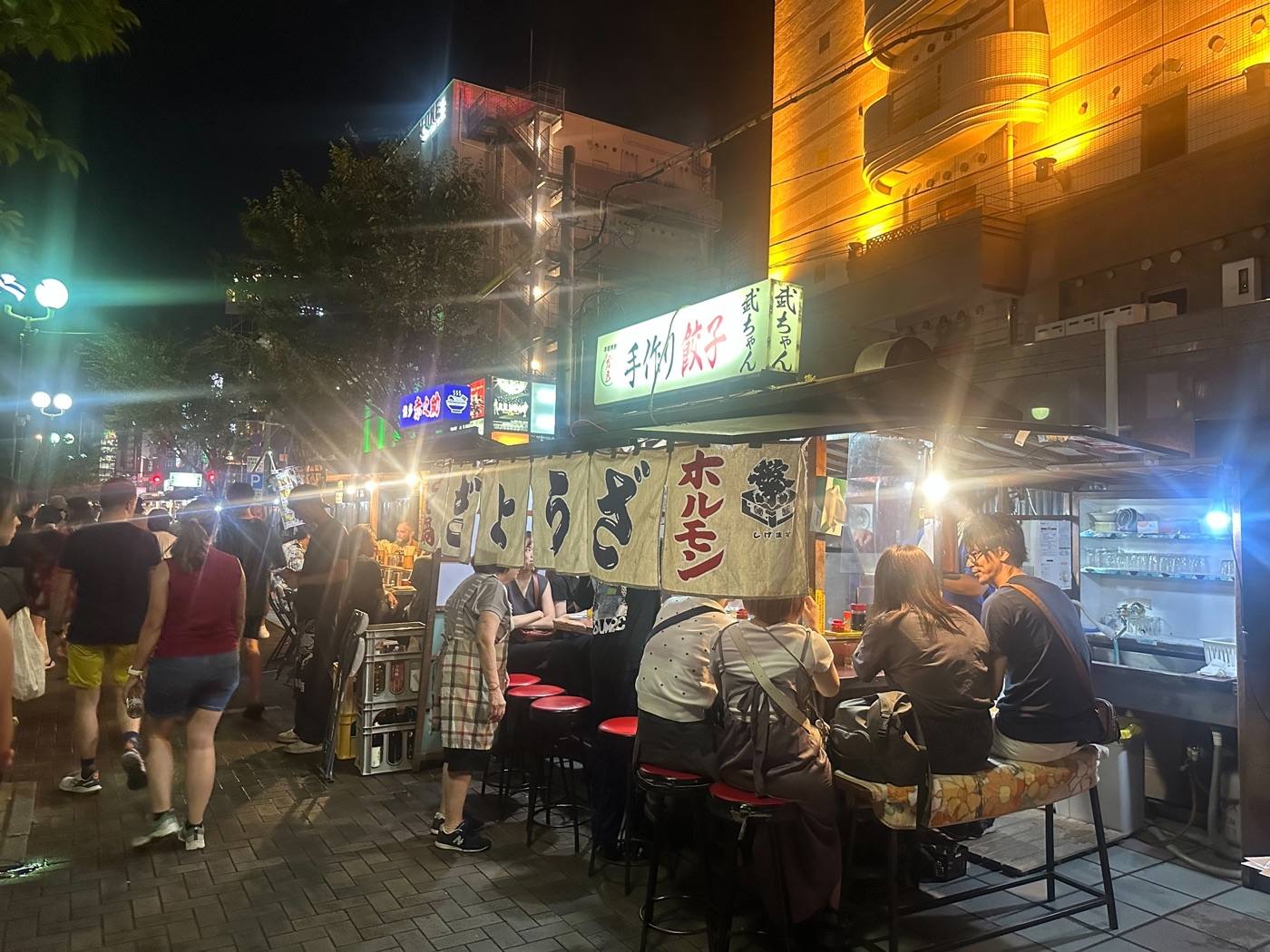
Canvas-sided stalls along a river, eight seats each, ramen and skewers. From early evening.
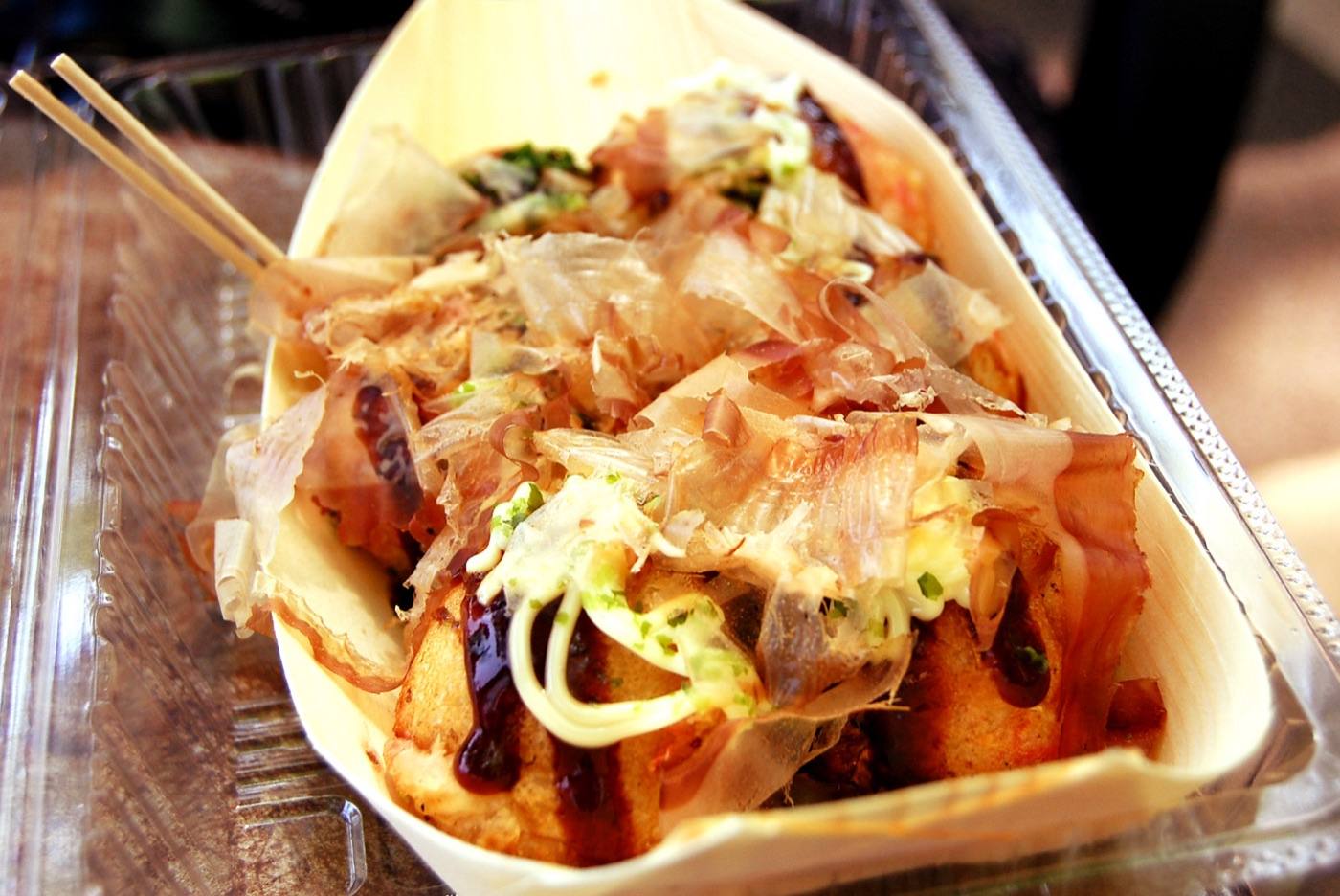
Batter balls with octopus inside, turned with a pick. Hot enough to hurt — wait.
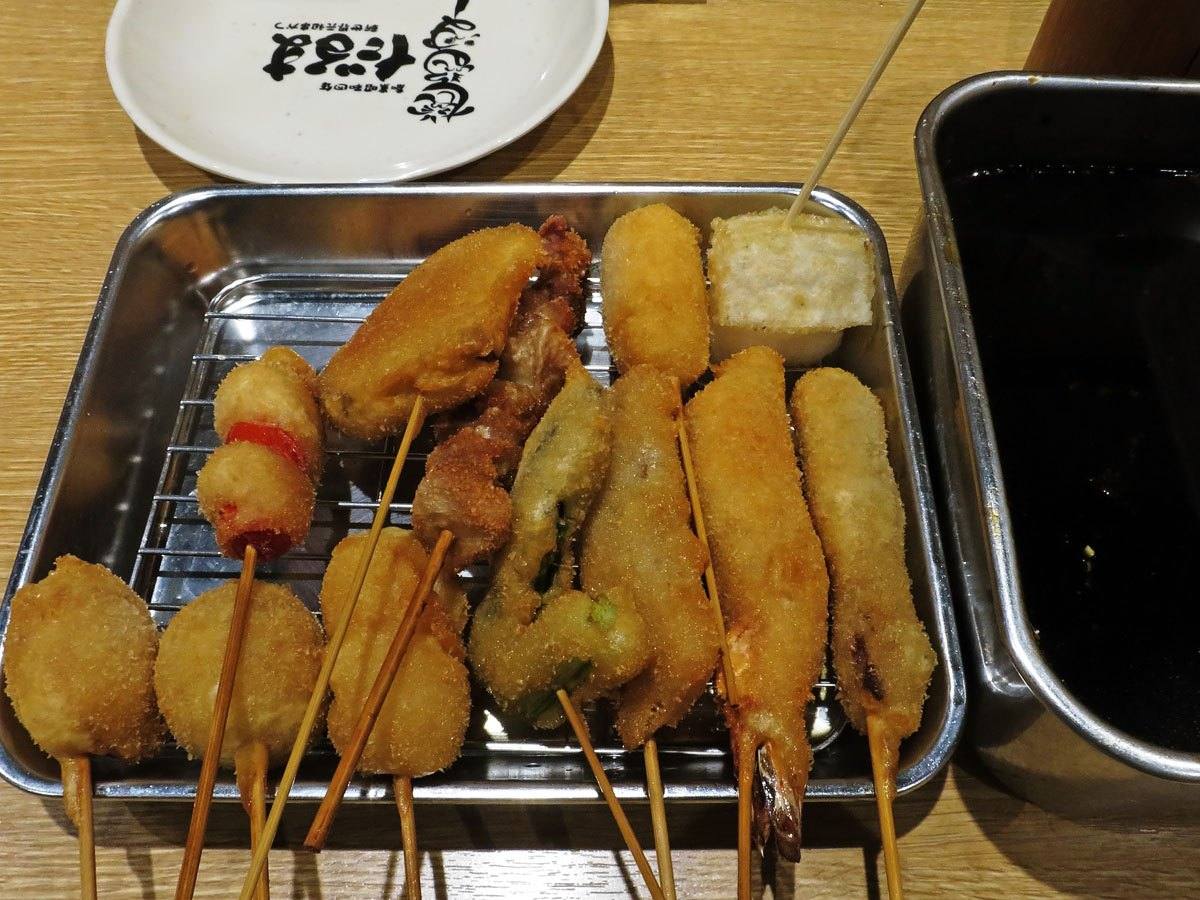
Fried skewers with a shared sauce pot. One dip each — that rule is taken seriously.
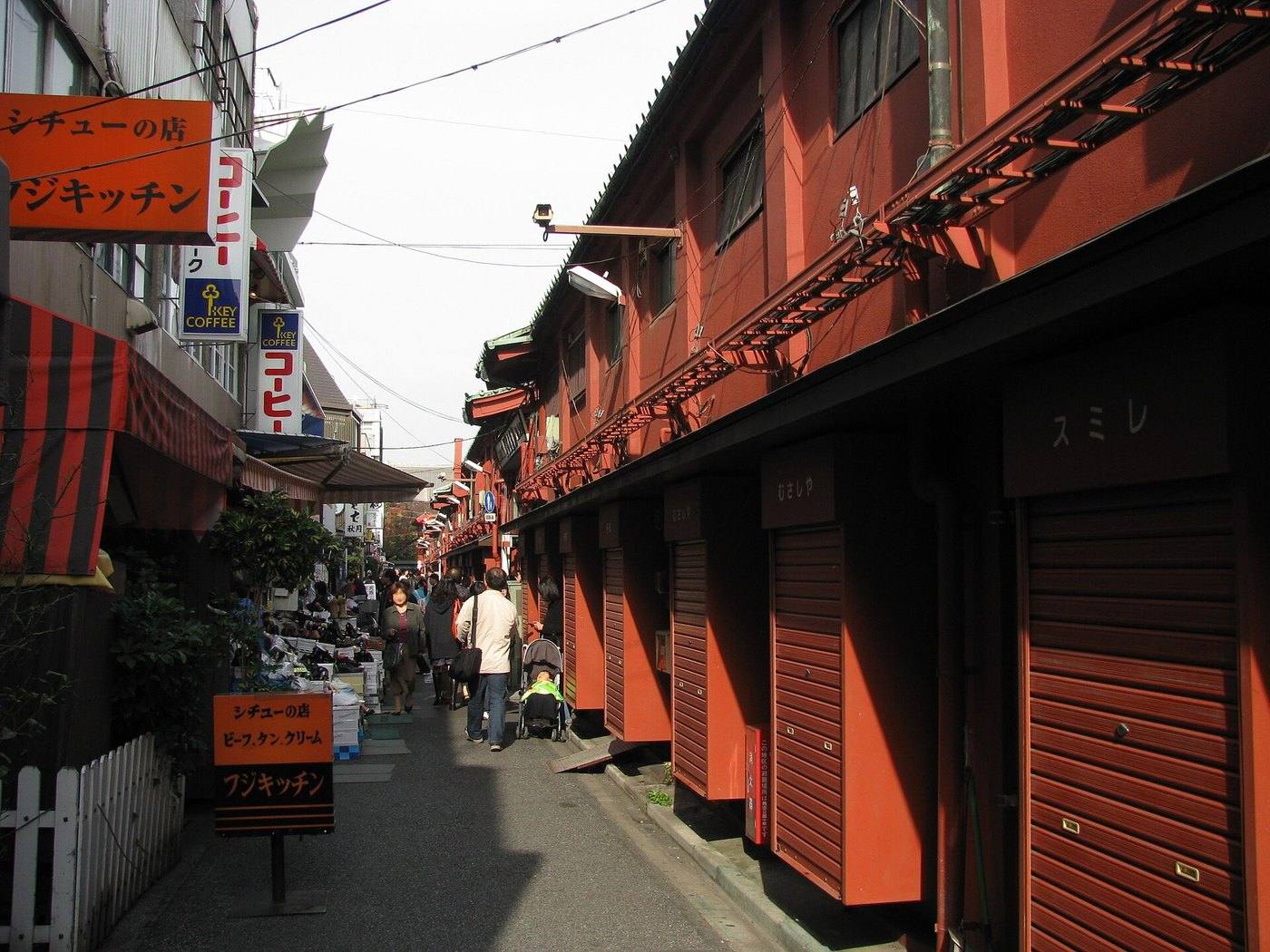
Grilled rice crackers and bean-paste buns on the street up to the temple. Eating as you walk is expected.
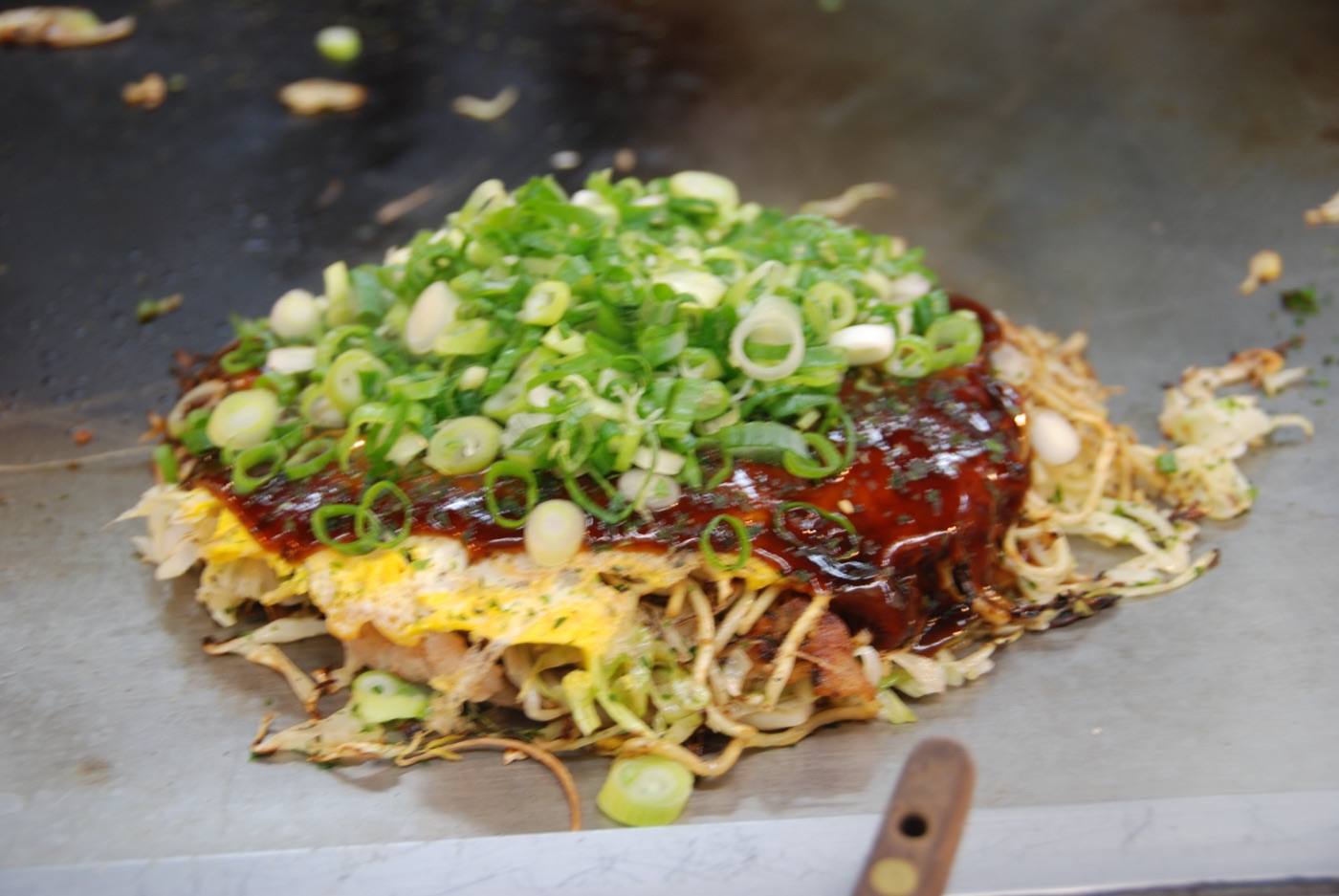
Cabbage, noodles and egg built in layers on a hot plate in front of you.

A covered lane of pickles, tofu, skewers and sweets, four hundred metres long.
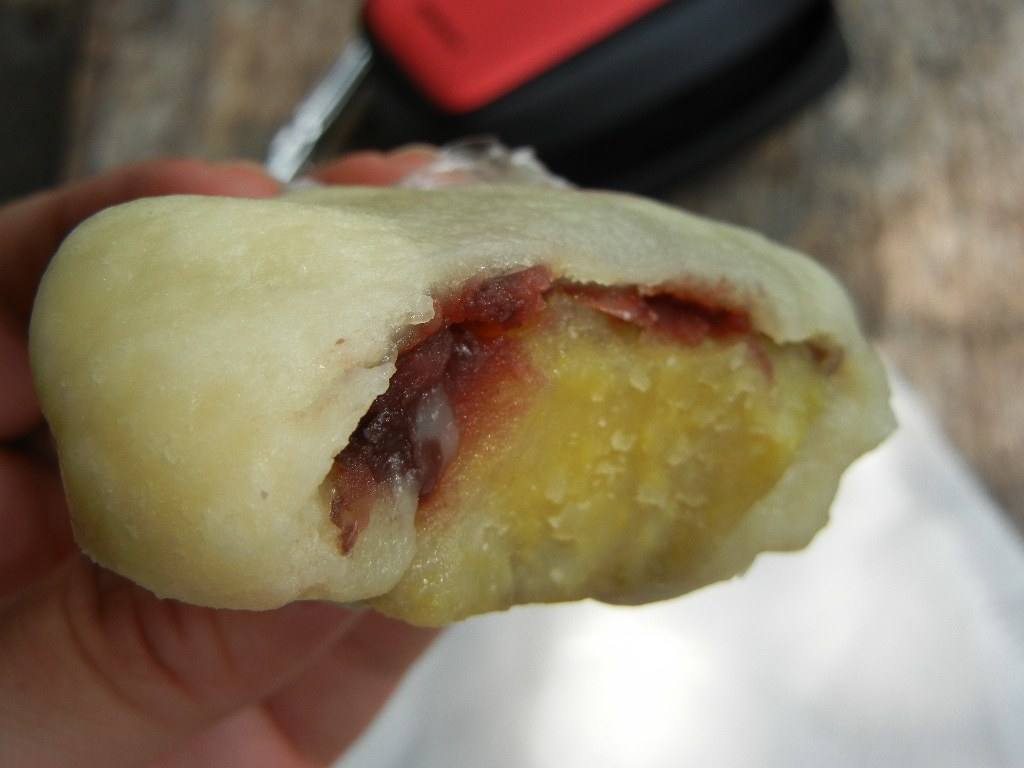
Sweet potato and bean paste in steamed dough. The price of a coffee, and better.
Market and festival stalls in the north, grilled over charcoal in the cold.