Festivals祭り
Go to one, and stand where the local people stand. Most run on the same dates every year.
Go to one, and stand where the local people stand. Most run on the same dates every year.
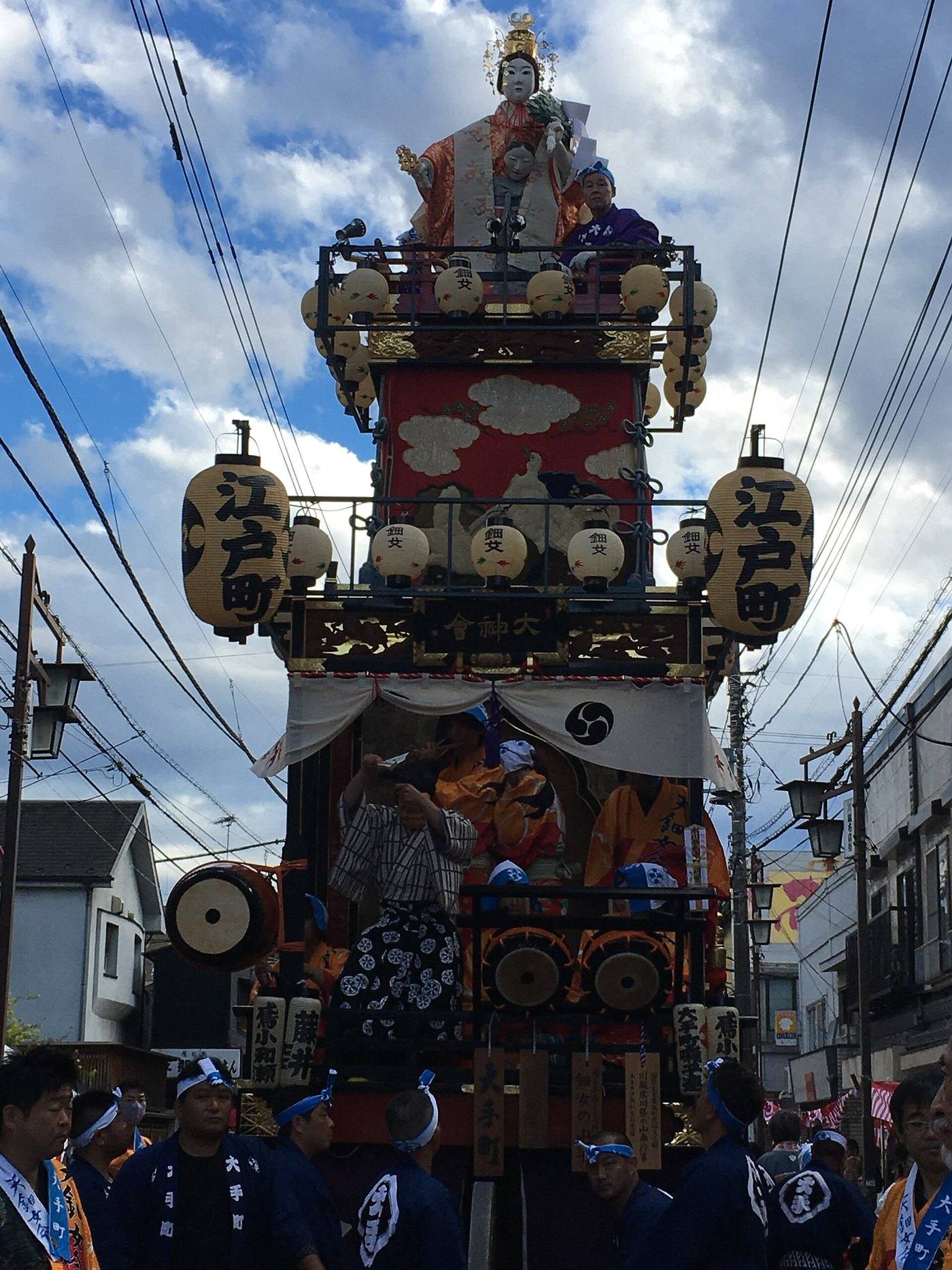
A Japanese matsuri is a shrine festival, not a concert. Something is carried through the streets, there is drumming, there are food stalls, and the whole town is in it — including the people you saw at the station that morning.
You are welcome to watch, and often to join. Several of the largest teach visitors the steps and put them in the parade. Nobody will mind you being there; a few things will get you a quiet look, and they are listed below.
The practical problem is accommodation. A town of forty thousand people that receives a million visitors over four days has no rooms. Book six months ahead, or stay an hour away and travel in — the trains run late on festival nights.
Arrive early and stand still. The good positions are taken two hours before, and the parade route is roped.
They are moving something heavy and they cannot stop.
Ask before photographing performers close up, especially children in costume — and never photograph a child on their own.
Cash for the stalls, and a small bag for wrappers.
Dates below are the usual ones. Each links to its prefecture.

Enormous illuminated paper floats pulled through the streets at night. 2–7 August.
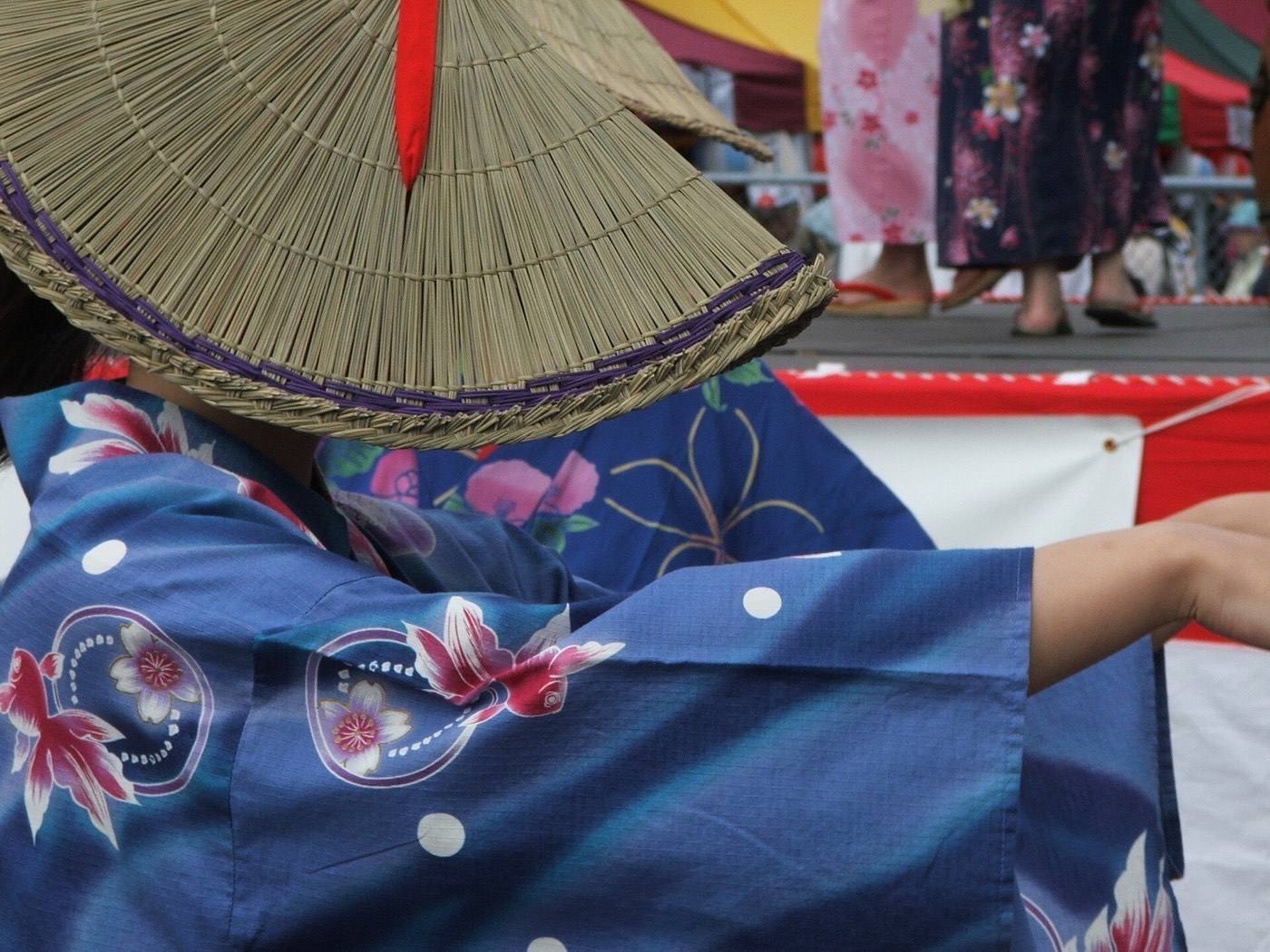
A dance that fills the city for four days — and visitors are taught the steps. 12–15 August.
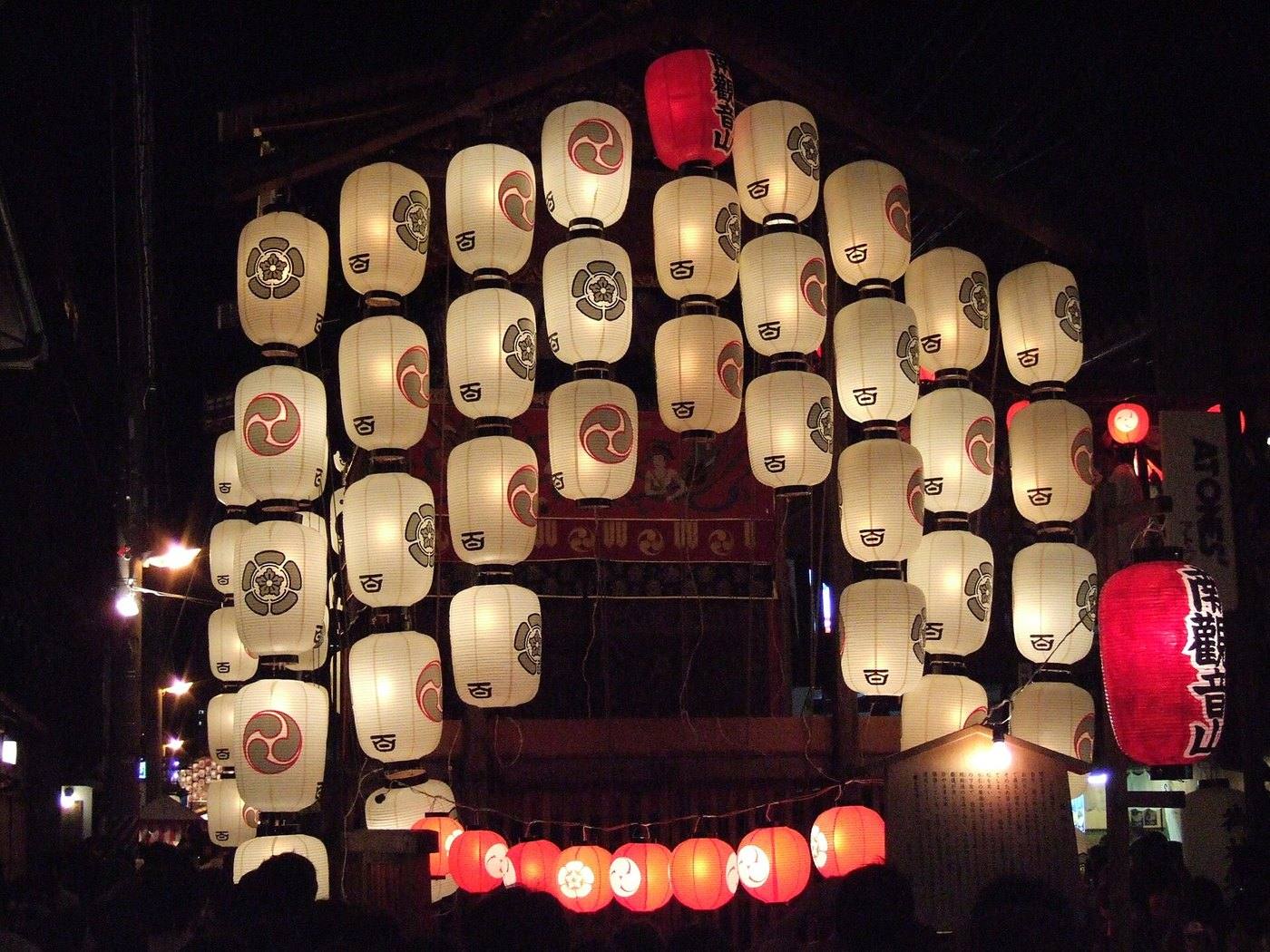
Great wooden floats through Kyoto, and evenings of lanterns before it. July.
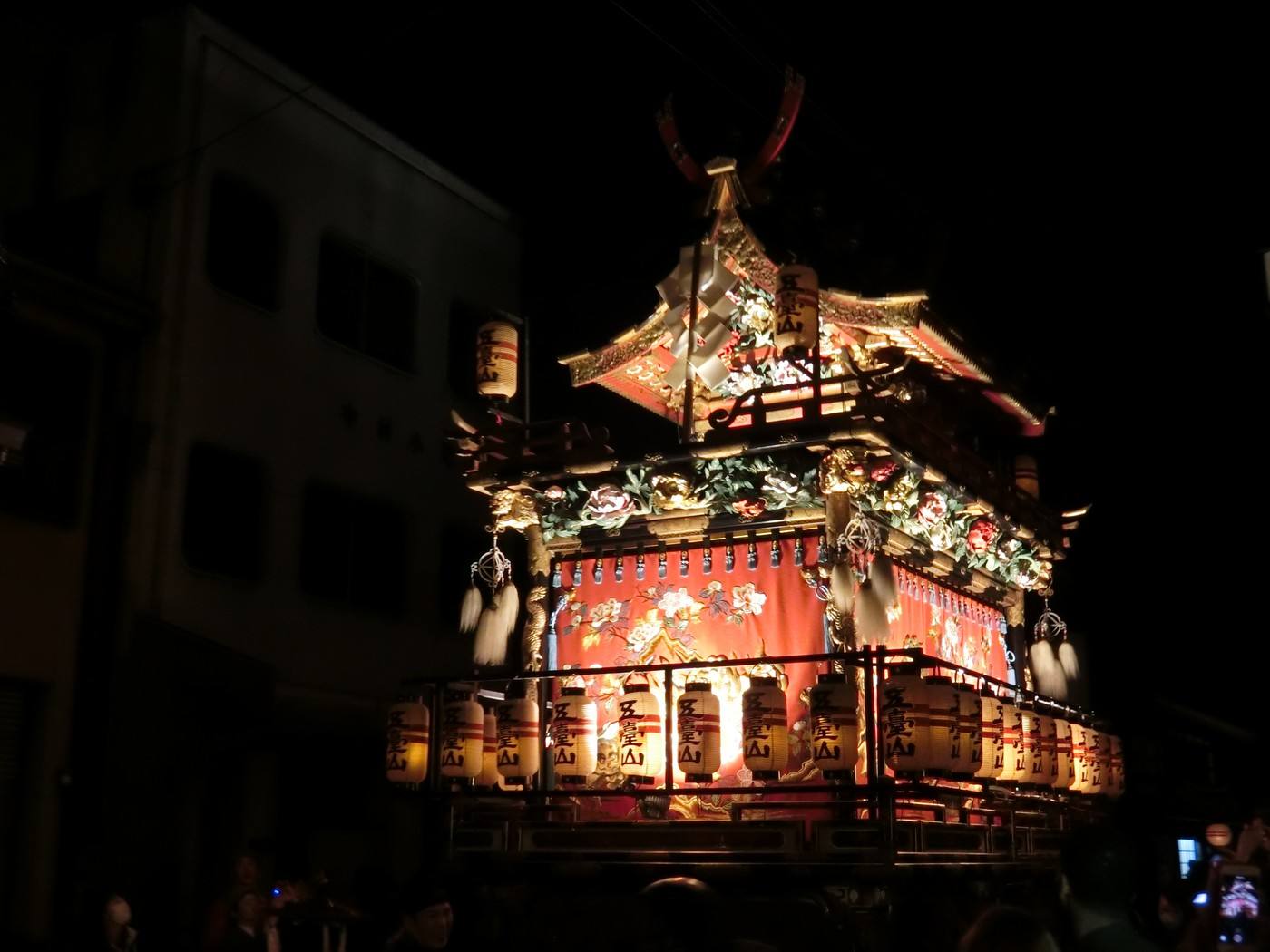
Carved and gilded floats with mechanical puppets. April and October.
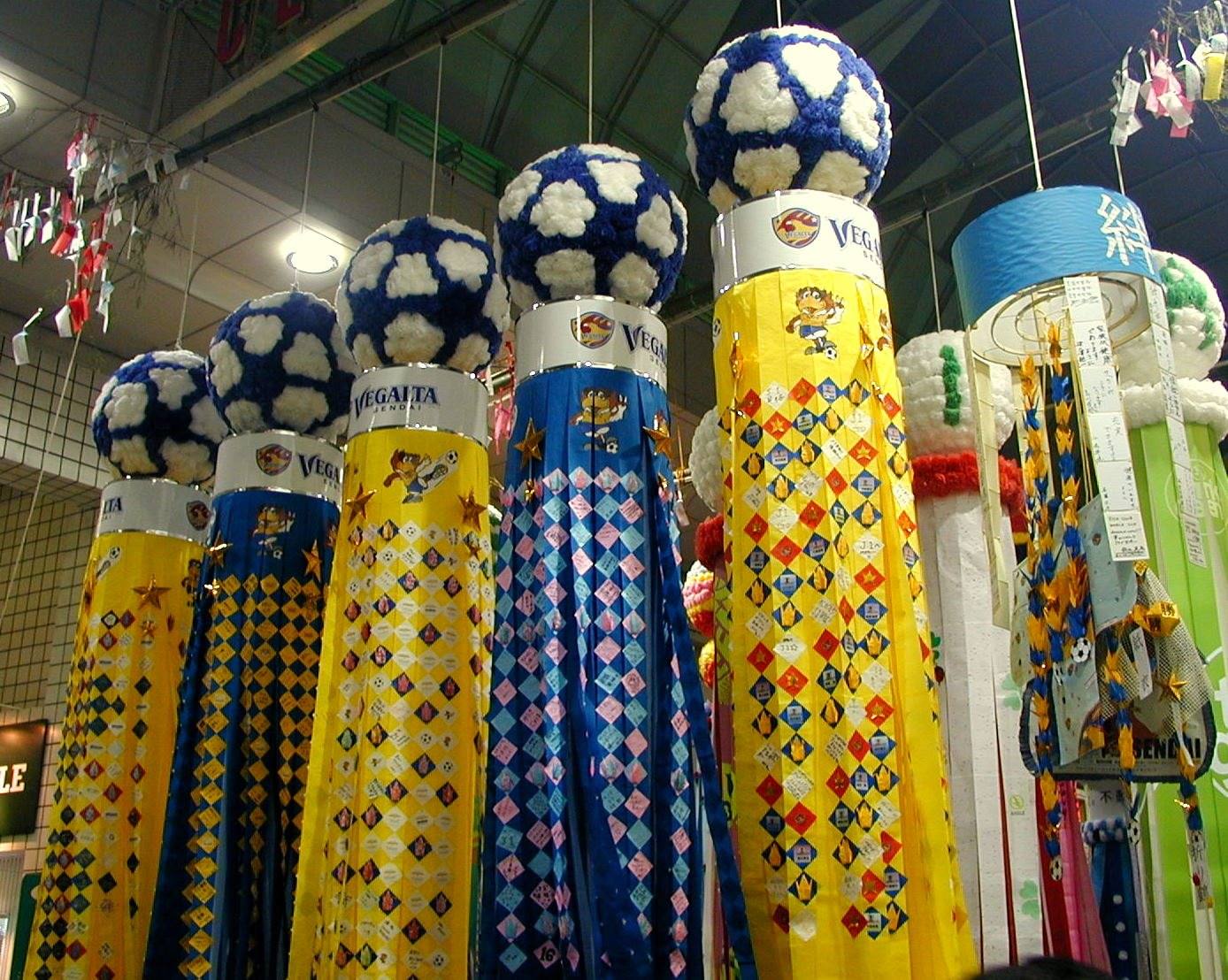
Streets hung with paper decorations several metres long. Early August.

A dance that runs all night on four nights, in a town of water channels. August.