Home› Things to do›Cherry blossom
cherry blossom

Cherry blossom

Choose the region that matches your dates. Any one place holds it for about a week. Here is where to stand, and when.

The one thing to understandIt moves north, and it is brief

Cherry blossom is not a season you can book six months ahead with confidence. A single tree goes from first flower to full bloom in about a week, and drops its petals in the week after that. Warm weather brings it forward; a cold week holds it back.

What you can plan is the direction. The bloom starts in Kyushu and Shikoku in the far south around late March, reaches Tokyo and Kyoto in early April, the north of the main island around mid-to-late April, and Hokkaido in early May. So if you are in Japan for two weeks anywhere in April, you can almost always reach blossom somewhere by moving.

How to actually use this

Pick your prefecture from the table below. If your dates are fixed and the blossom has already gone, go north. If it has not opened yet, go south. The distance is smaller than you think: Tokyo to Kyoto is a little over two hours by train.
Week by weekWhere to be, and when

These are the usual weeks, not a promise. Every year moves by several days.

Usual weekWhereStand here
Late MarchKyushu, Shikoku, Hiroshima Kumamoto Castle · Kochi Castle · Matsuyama Castle Kumamoto
Late March – early AprilOsaka, Nagoya, Shizuoka Osaka Castle park · along the Meguro river in Tokyo starts now too Osaka
Early AprilTokyo, Kyoto, Nara, Kanazawa Kyoto’s Philosopher’s Path · Nara Park · Kenrokuen garden Kyoto
Mid AprilNagano, Niigata, Fukushima Takato in Nagano · Tsuruga Castle in Aizu Nagano
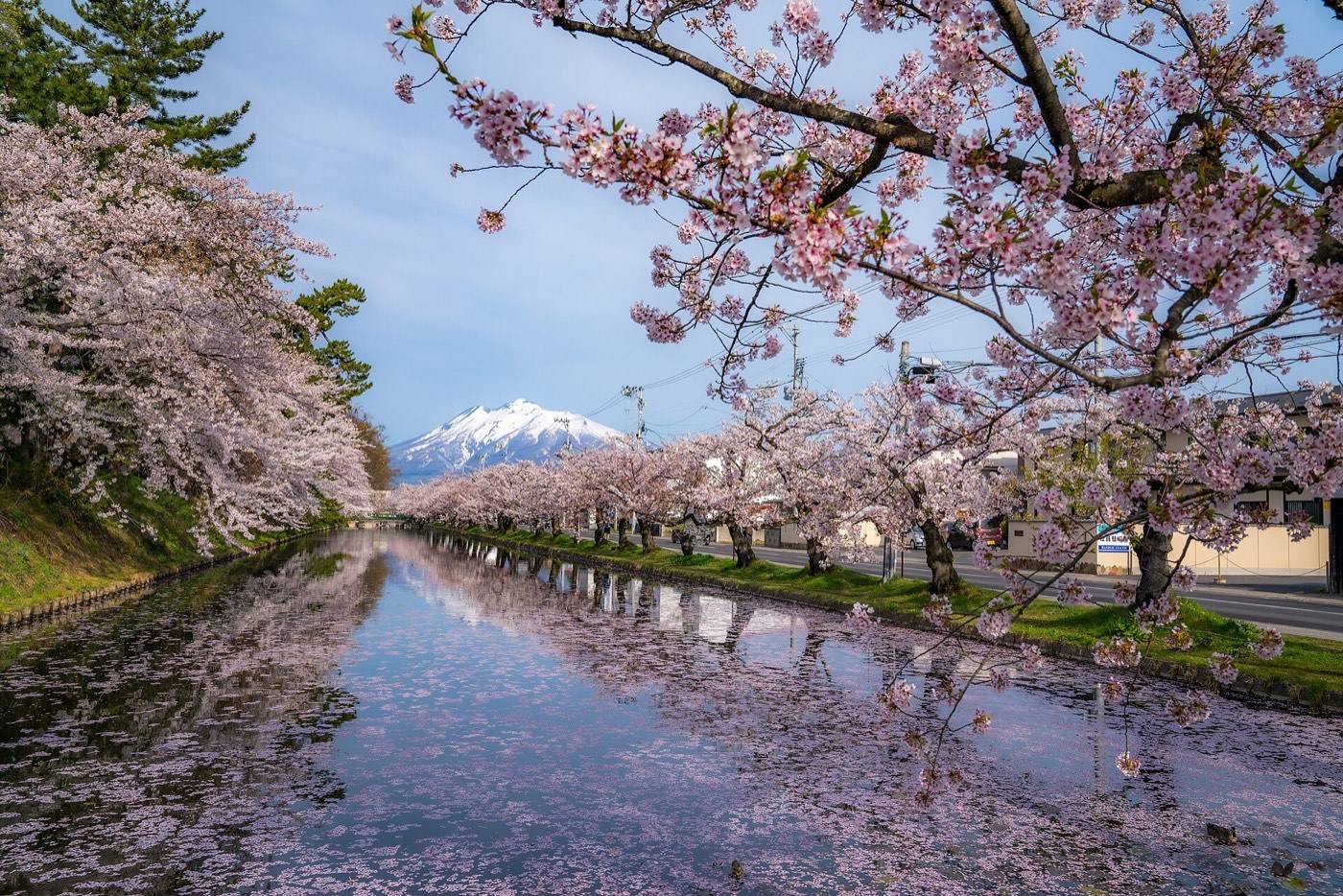
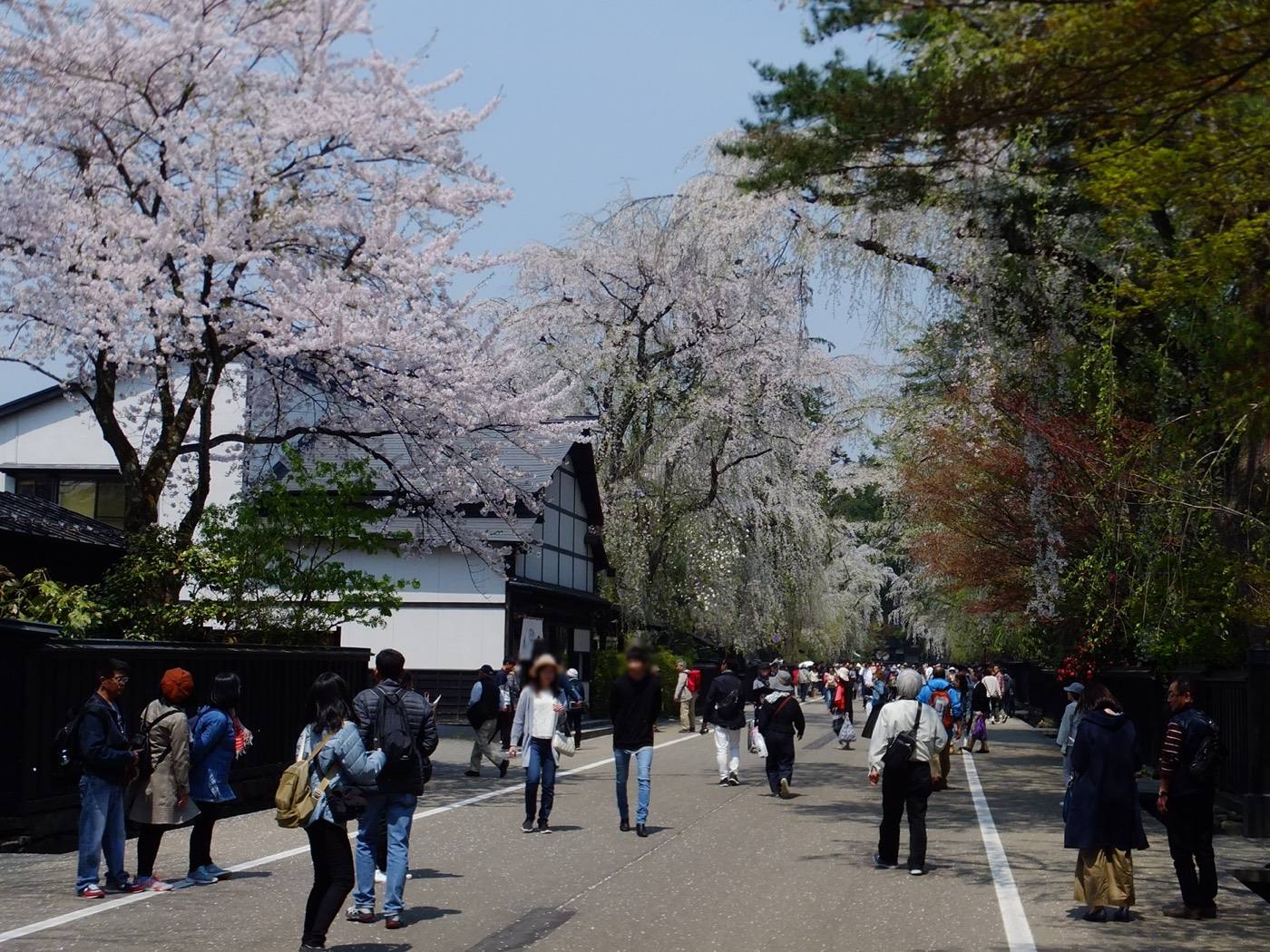
Mid – late AprilAkita, Aomori, Iwate Kakunodate samurai street · Hirosaki Castle and its moat Aomori
Late April – early MayHokkaido Matsumae · Hakodate — blossom and remaining snow together Hokkaido
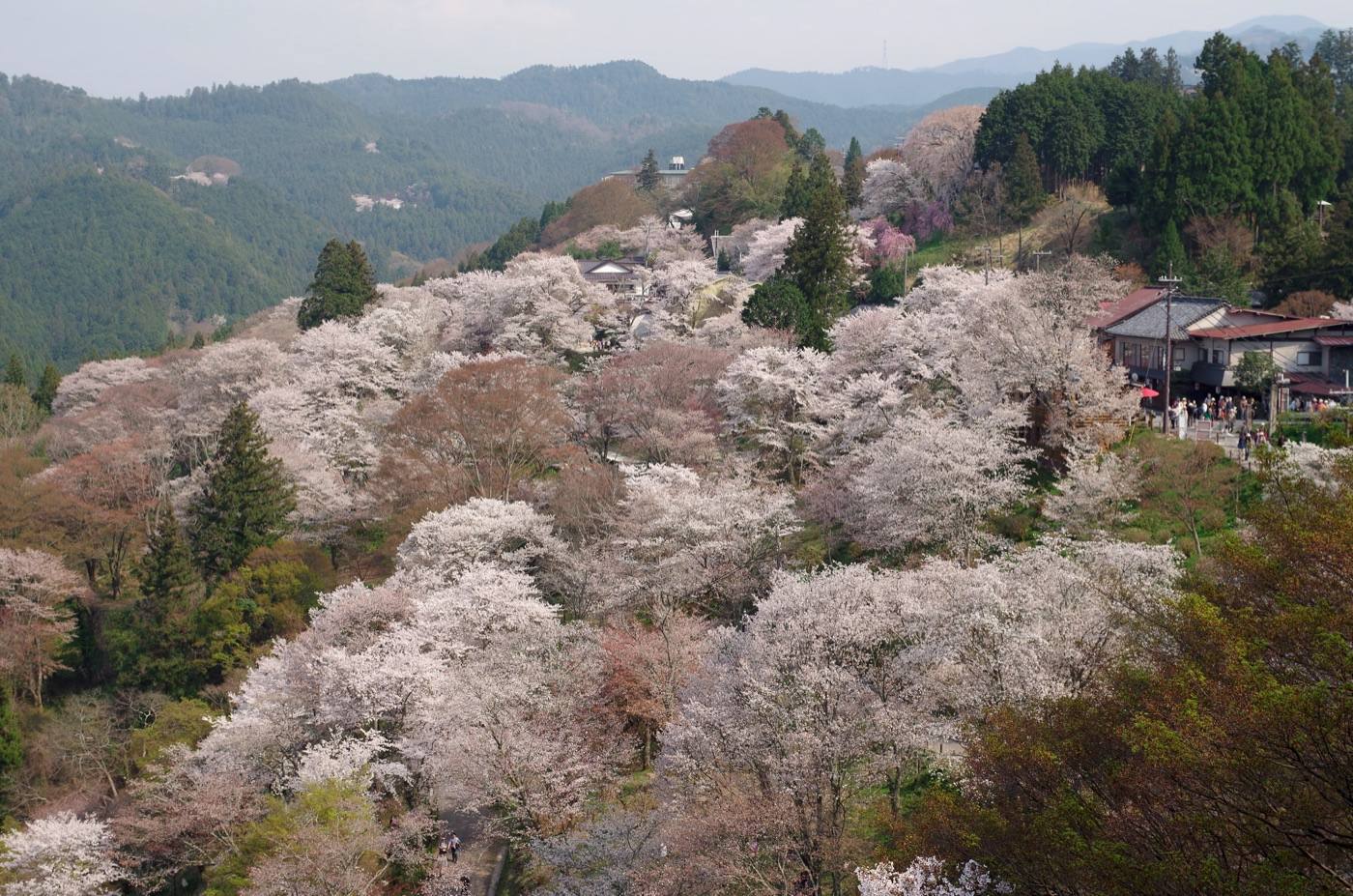
Mid April – early MayMountain areas anywhere Yoshino in Nara rises in stages, so it lasts about three weeks Nara

Eight placesBlossom worth the journey

Every one of these links to the prefecture it is in, so you can build the rest of the day around it. None of them needs a ticket bought months ahead.

On the dayHow to see it well

Before 8:00 you will have famous places almost to yourself, and the light is better for photographs. By late morning in Kyoto or Tokyo you are in a slow-moving crowd.

Go at night too

Many parks light the trees after dark, and it is a completely different thing to see — quieter, and the flowers look almost white. Look for yozakura on signs.

Sit down under them

Japan does this properly: buy food at a convenience store, find a space on the grass, and stay a couple of hours. That is hanami, and nobody will think you are odd.

After the petals fall

Petals on water are their own sight — a moat or a canal covered in pink. If you arrive a few days “too late”, look down instead of up.

What to leave behind

Bins are few along the riverbanks, so a small bag in your pocket is handy. The branches are left just as they are — that is part of what makes the walk feel calm.

Photographs of people

If someone is in your frame close up, ask first. “Picture OK?” is understood everywhere and takes two seconds.

Where to go next

Photo: Hirosaki Castle by mko294 (CC BY 4.0), via Wikimedia Commons
Photo: by 掬茶 (CC BY-SA 4.0), via Wikimedia Commons
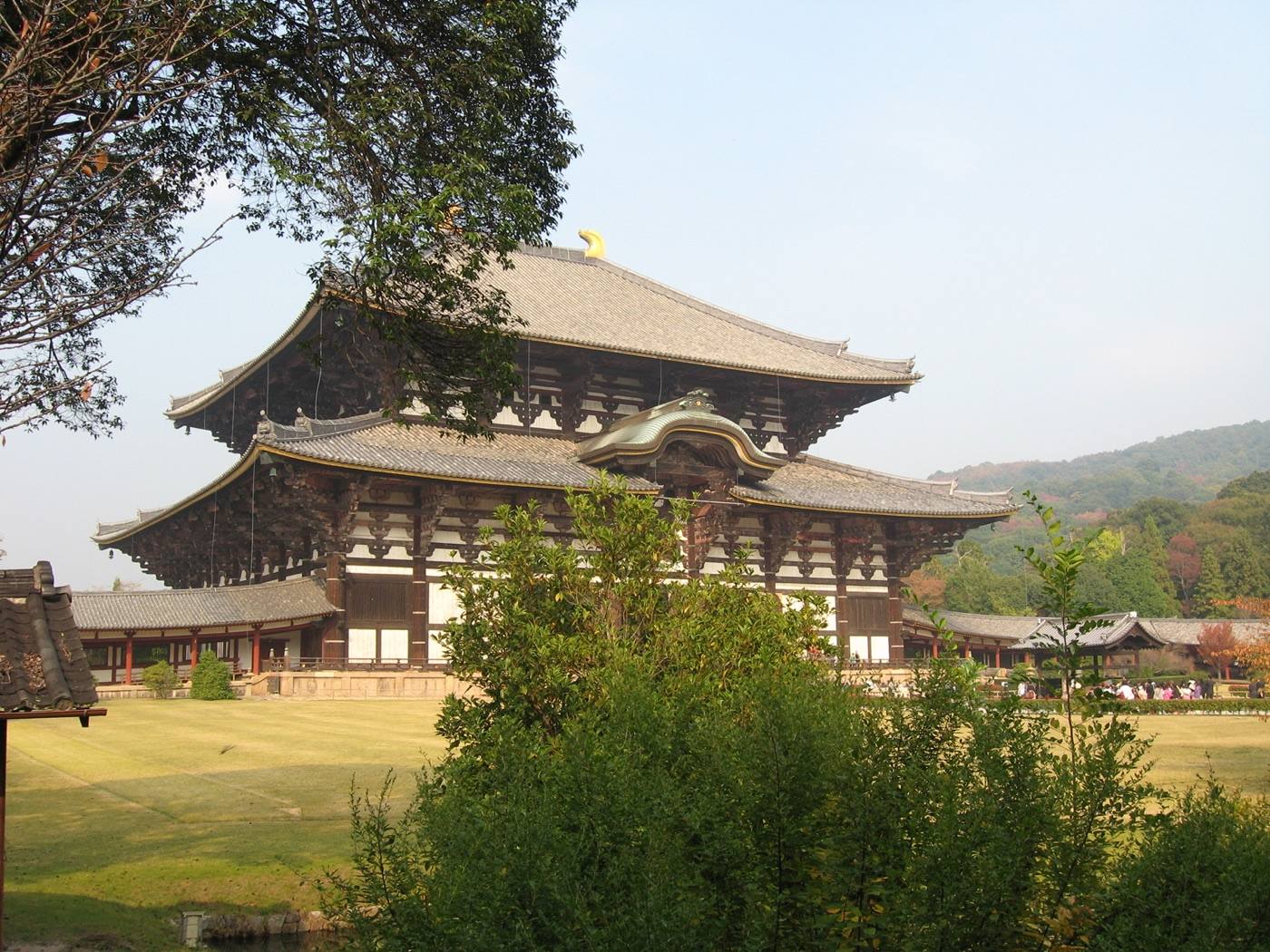
Photo: Todaiji by Roman SUZUKI (CC BY 3.0), via Wikimedia Commons
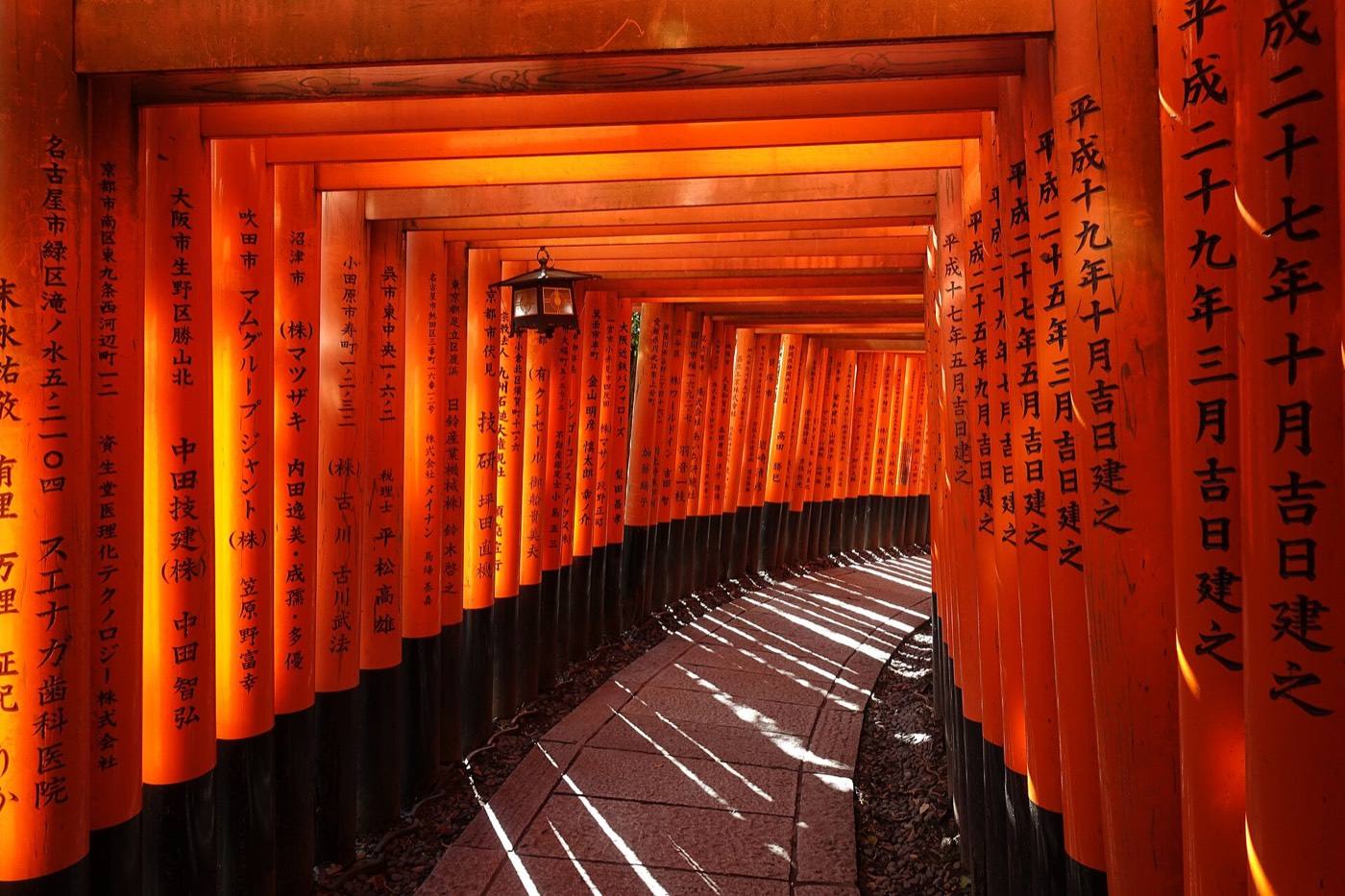
Photo: Fushimi-Inari by Luka Peternel (CC BY-SA 4.0), via Wikimedia Commons
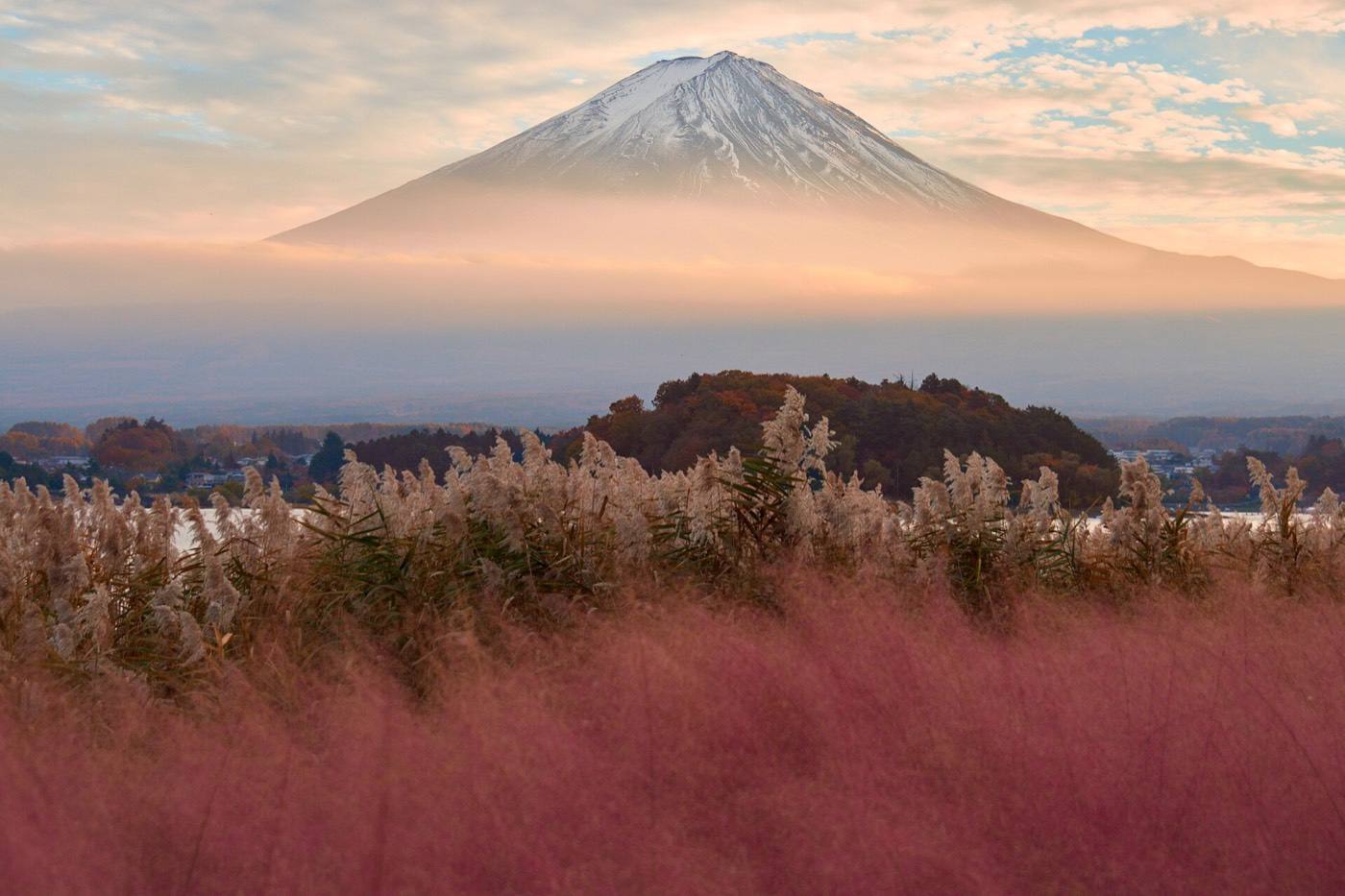
Photo: Lake-Kawaguchi by lumoplank (CC0), via Wikimedia Commons
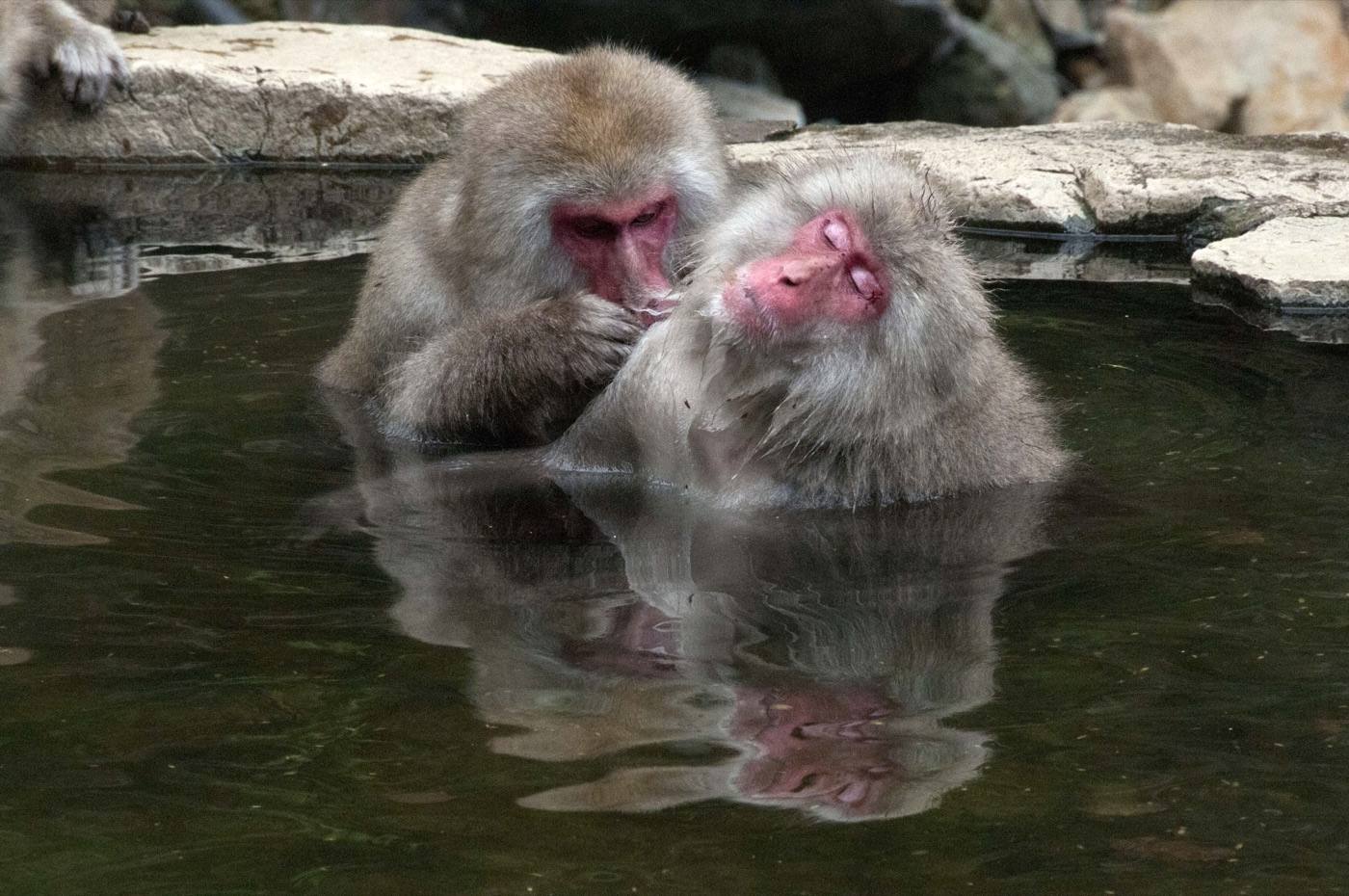
Photo: Jigokudani monkeys by Bryan Ledgard (CC BY 2.0), via Wikimedia Commons
Photo: by Raita Futo from Tokyo, Japan (CC BY 2.0), via Wikimedia Commons
Photo: Sapporo by redlegsfan21 (CC BY-SA 2.0), via Wikimedia Commons
Photo: by Nankou Oronain (as36… (CC BY-SA 3.0), via Wikimedia Commons
Photo credits and licences
Blooming weeks on this page are the usual pattern, not a forecast. Every year differs by several days, and a warm or cold week moves it.
⚲Map ✉Phrases ⚠Emergency