Ramenラーメン
Order the bowl the town is known for. Not one dish but six.
Order the bowl the town is known for. Not one dish but six.
Ramen is a soup base, a noodle and a topping, and every region has fixed on a different combination — to the point that the version in one city is barely served in the next. Eat the local one where you are.
Almost all of it is cheap, fast and eaten alone at a counter, and almost none of it needs a reservation. Many shops have a ticket machine at the door: put the money in first, press the button with the picture, and hand the ticket to the cook.
Slurping is fine — it cools the noodles and nobody here thinks it rude. Twenty minutes is a normal length for the whole meal, and the queue outside moves faster than it looks.
Ask “Card OK?” before you order. A great many ramen counters are cash only.
Most soup is pork bone. If you do not eat pork, chicken and fish-stock versions exist — see No pork, no alcohol, and ask before you sit down.
Go at 11:30 or after 14:00. The queue at the famous shops is worst from noon to one.
Each links to the prefecture it belongs to.
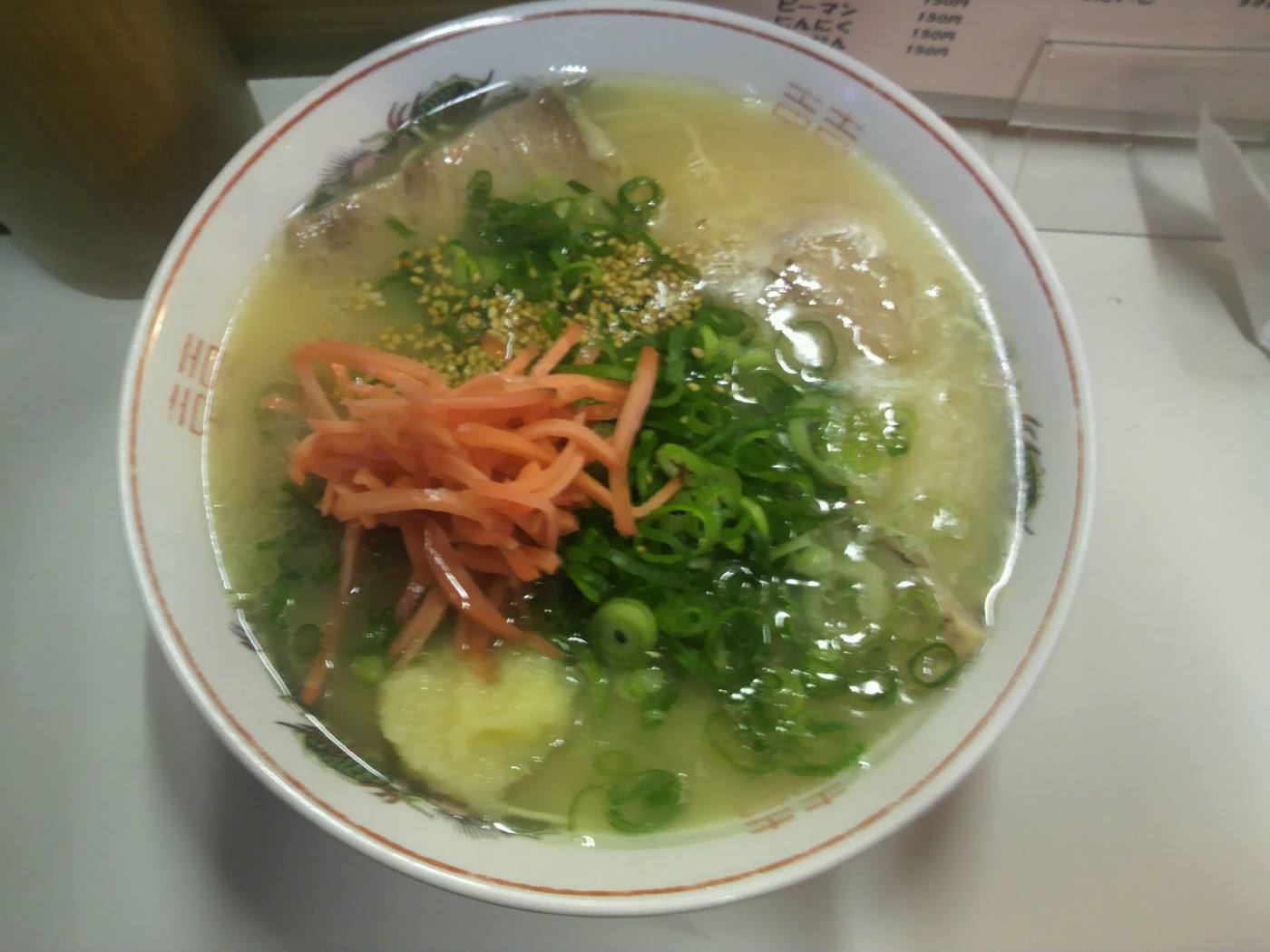
Thin straight noodles in pork-bone soup. The one the rest of the world copied. Order extra noodles — kaedama.
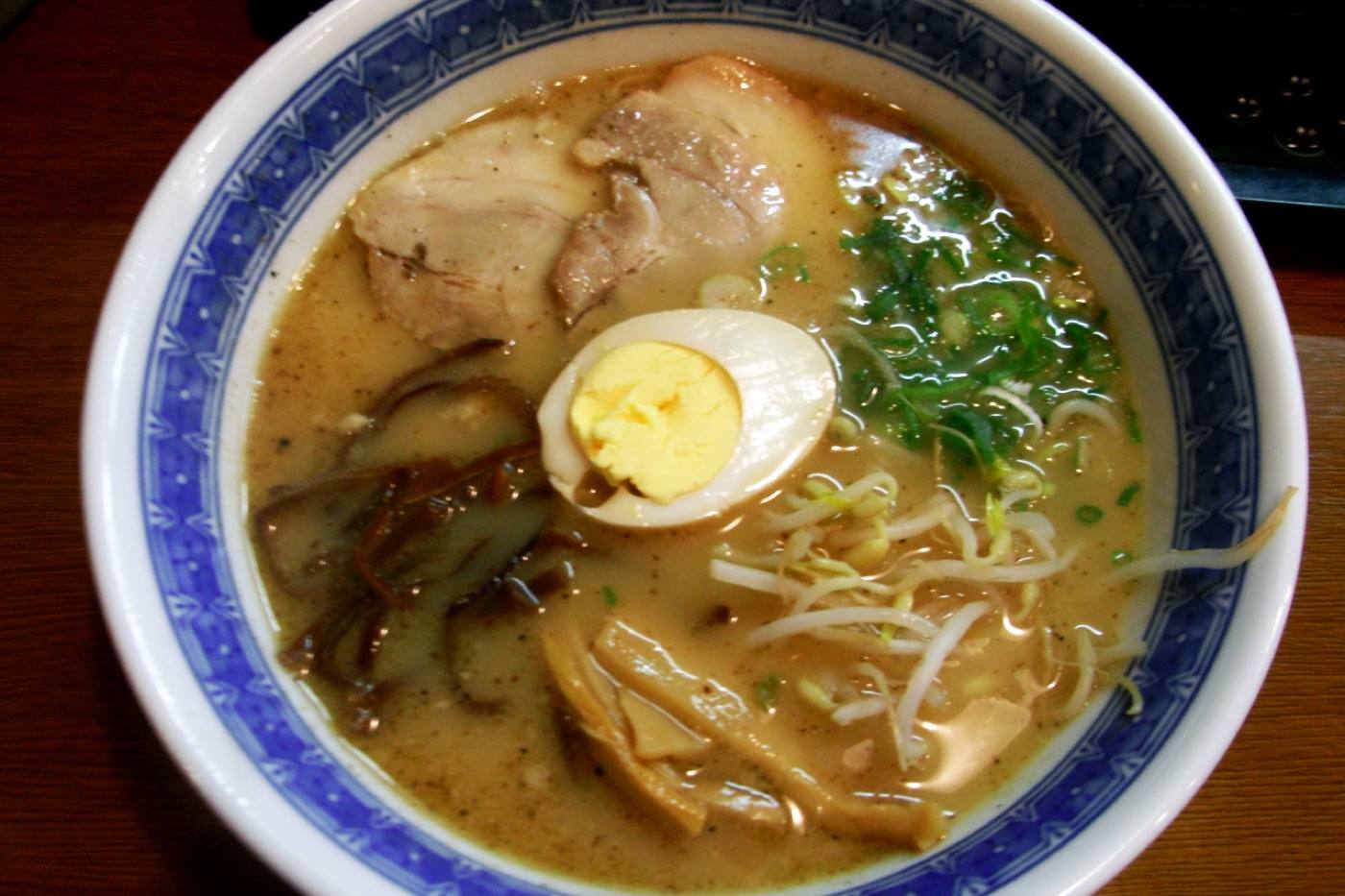
Thicker noodles, heavier soup, and fried garlic chips on top.
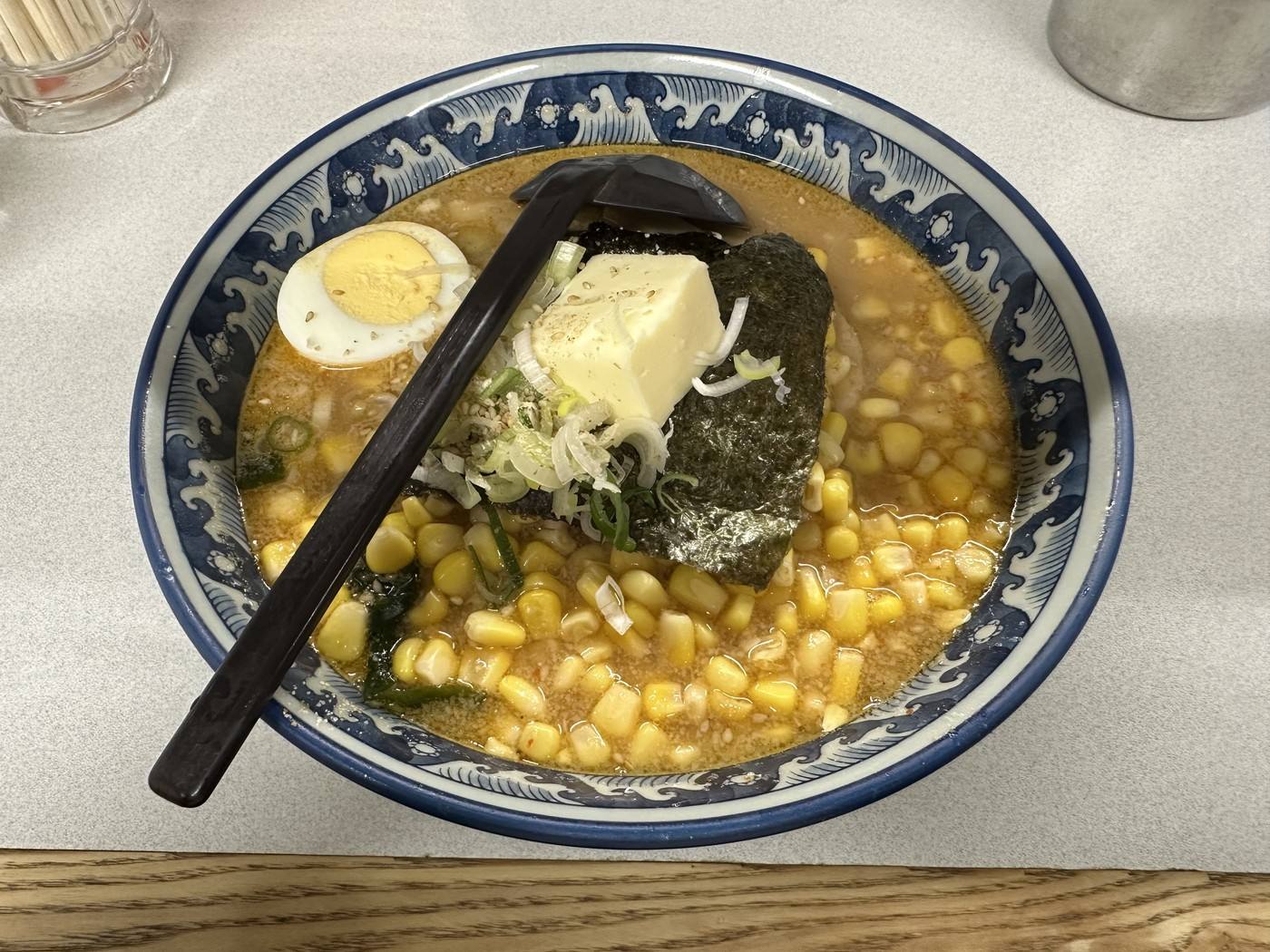
Miso soup with sweetcorn and butter, made for a February evening.
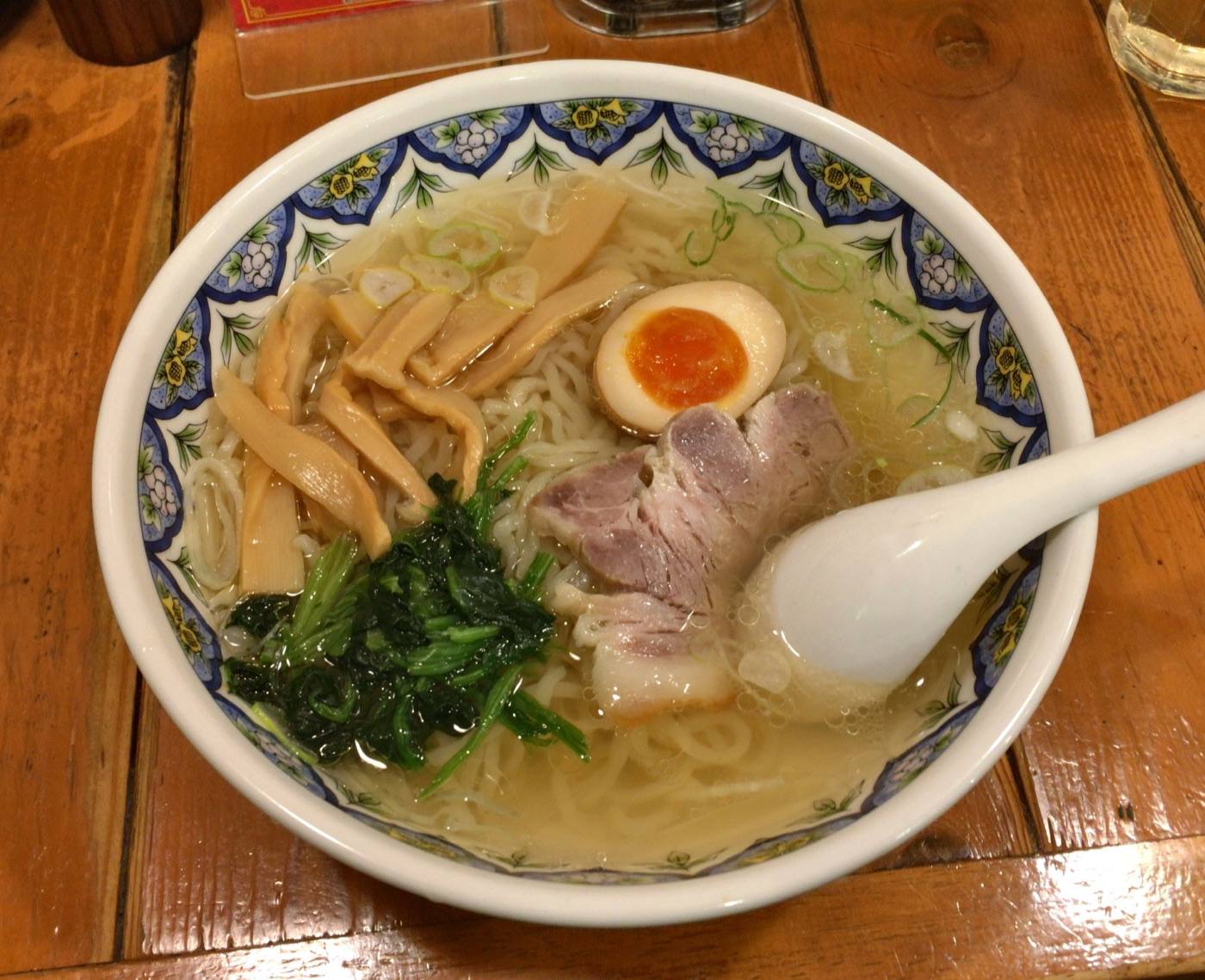
Clear salt broth — the lightest of the three Hokkaido styles.
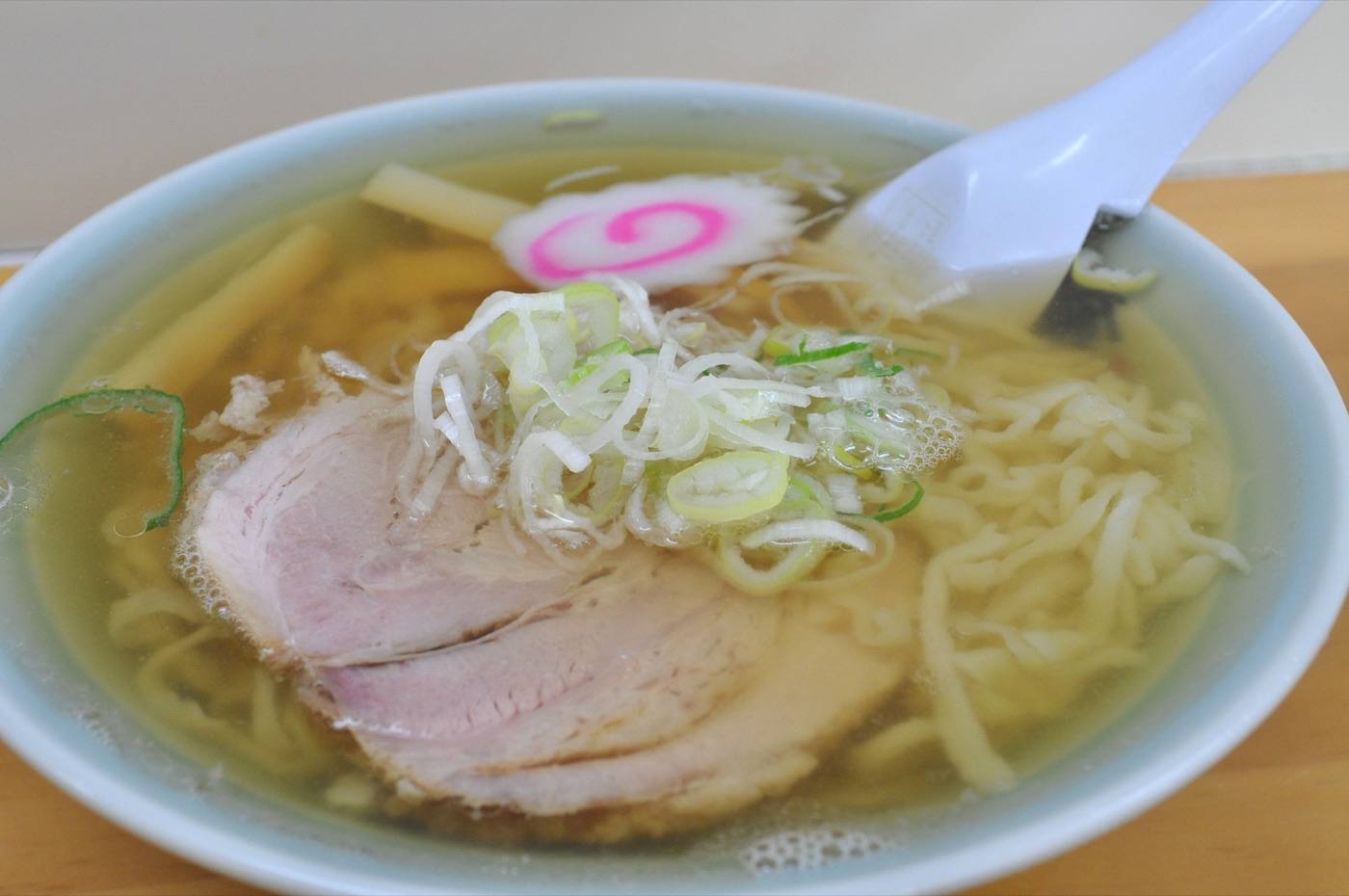
Hand-beaten wavy noodles in a clear soy soup, in a small inland city.
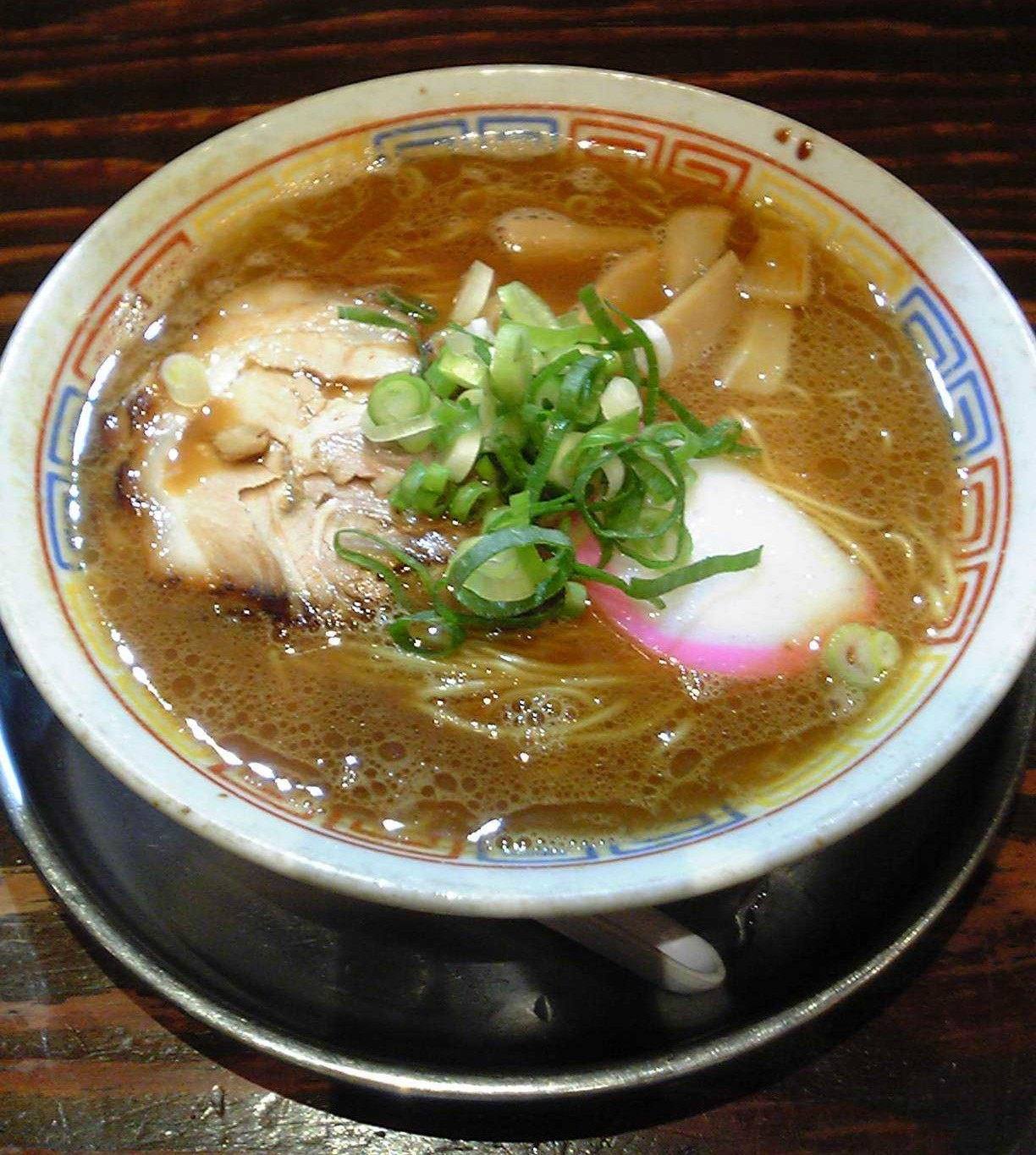
Soy and pork-bone together, eaten with pressed mackerel sushi on the side.
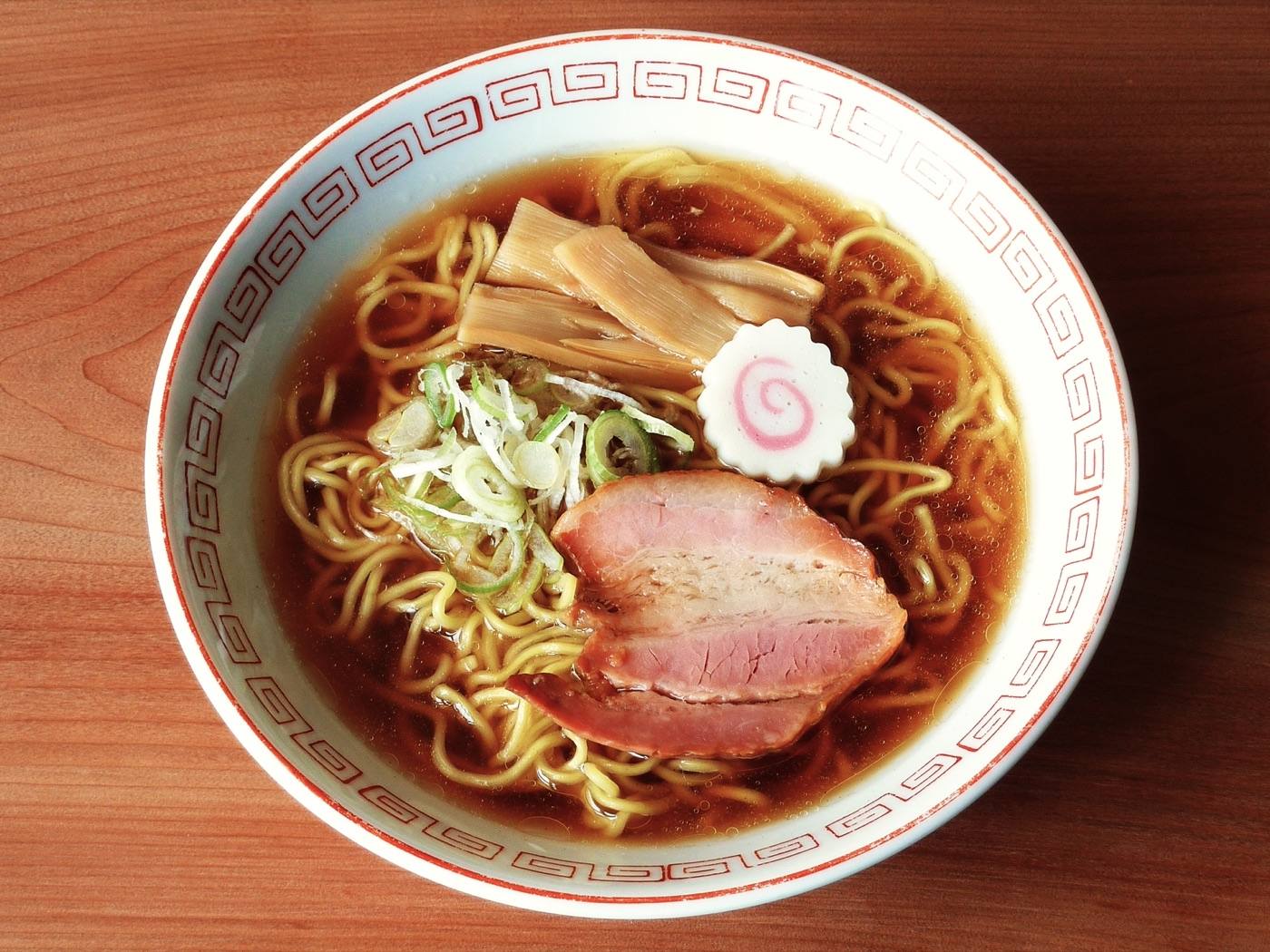
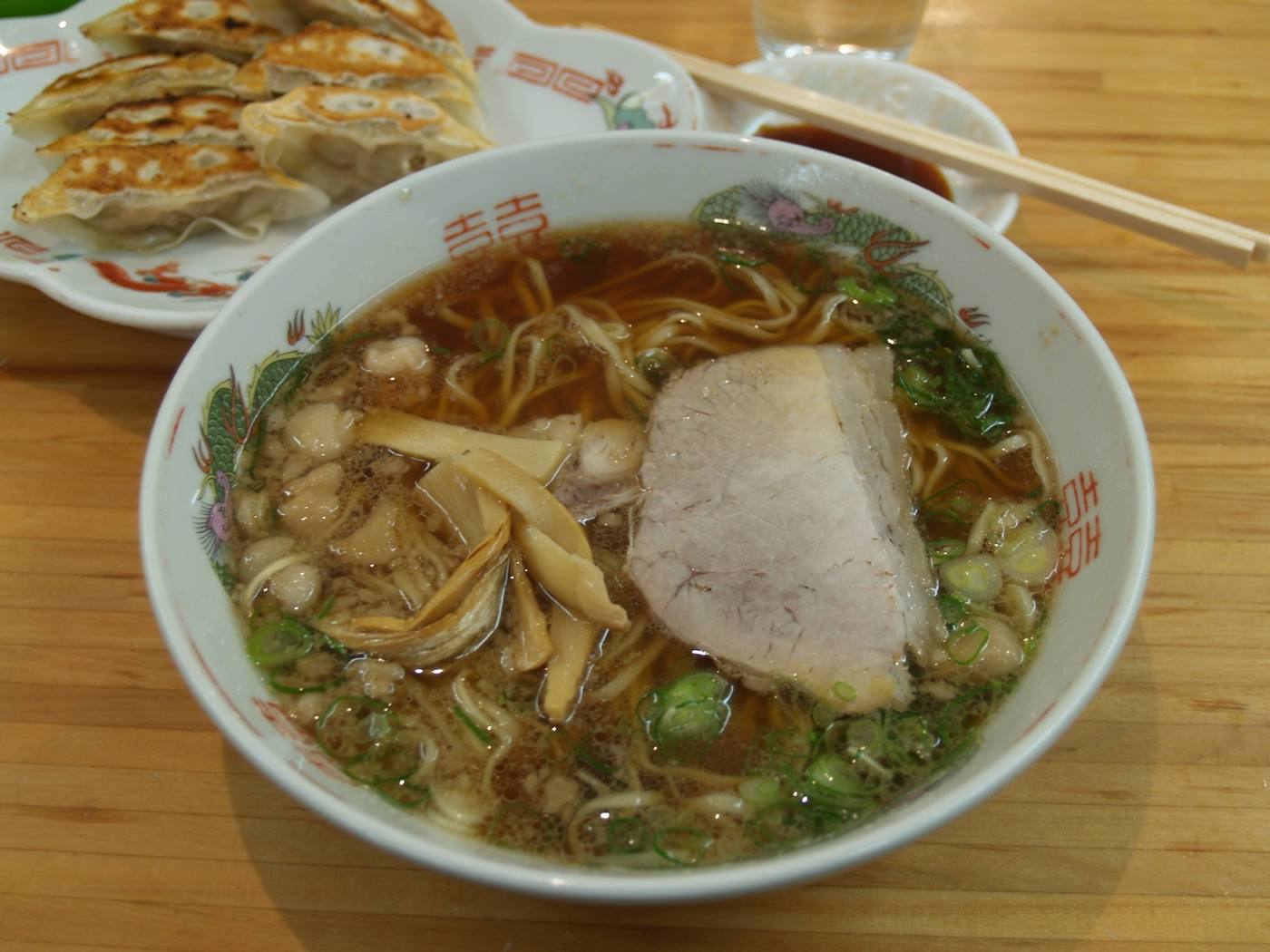
The original city style: soy soup, curly noodles, bamboo and a slice of pork.
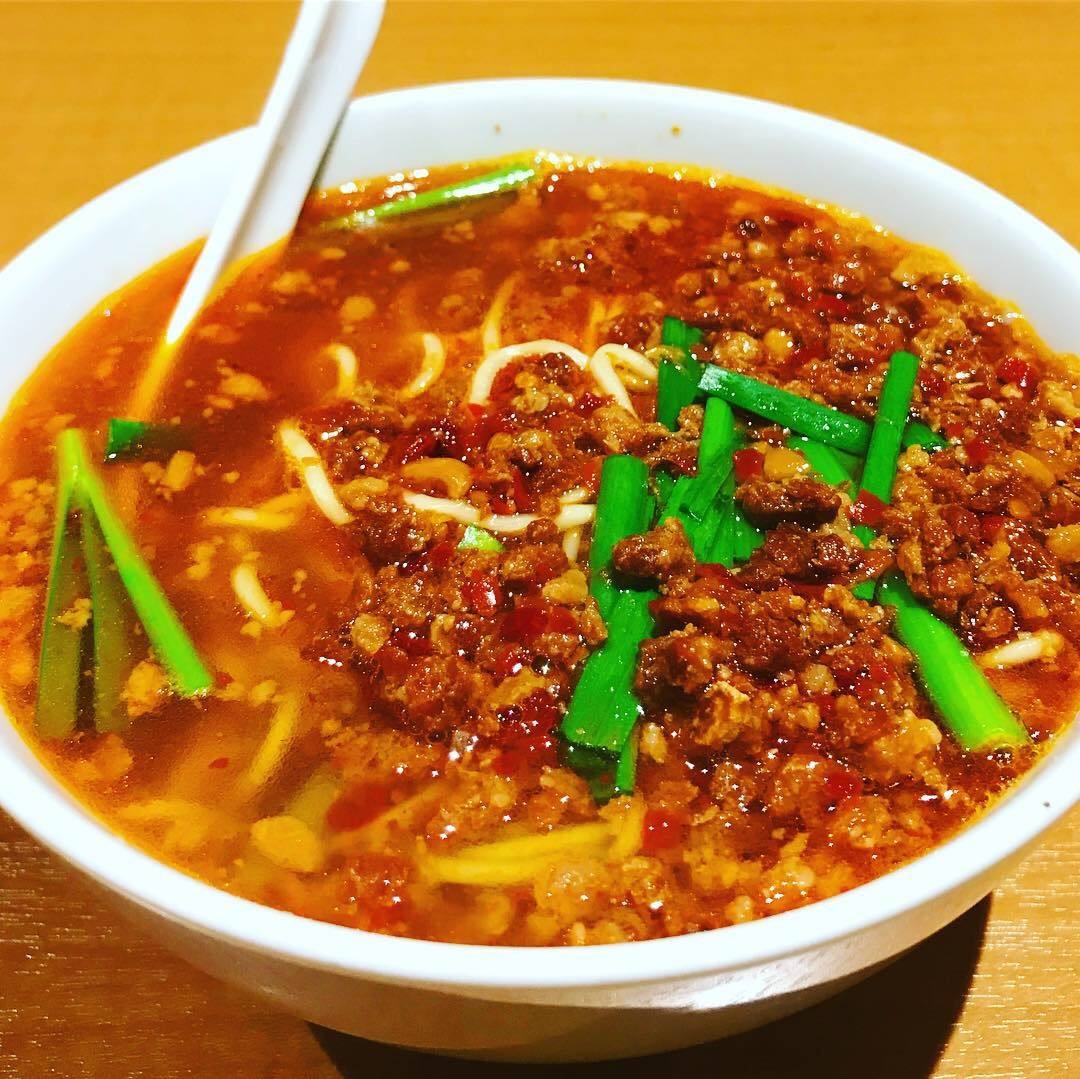
A Nagoya invention despite the name: hot, garlicky and not for the cautious.