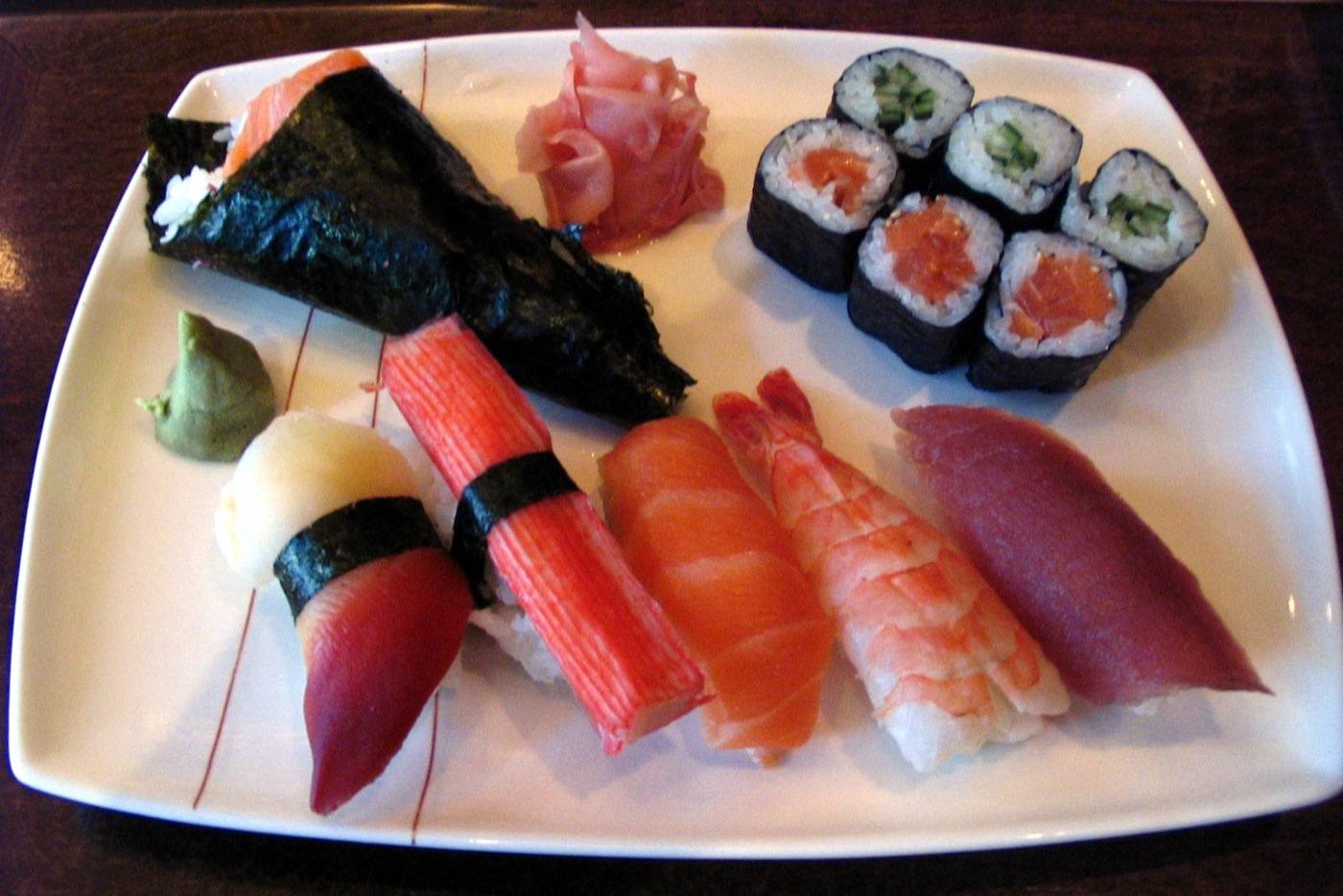
Sushi寿司
Sit at the counter and order two pieces at a time.
Sit at the counter and order two pieces at a time.
Sushi in Japan runs from a hundred yen a plate to twenty thousand yen a person, and the difference is not only quality — it is how the meal works. Decide which of the three kinds you want before you walk in, and the price stops being a surprise.
Conveyor-belt shops (kaitenzushi) are cheap, quick, have picture screens in English, and are genuinely good in coastal towns. Counter shops with a printed menu are the middle ground — sit down, point, pay a few thousand yen. Chef’s-choice counters (omakase) serve you what is best that morning, in order, and cost accordingly.
The advice that saves the most money: eat sushi at lunch. The same counter, the same fish, often a third of the evening price, and no reservation needed weeks ahead.
Dip the fish, not the rice — lightly, and never leave rice in the soy sauce.
Do not add wasabi to a piece the chef has already prepared; it is in there.
Fingers are fine, and at a good counter they are normal. Eat each piece in one go if you can.
Ginger is a palate cleanser, not a topping.
If something is not for you, say so at the start rather than leaving it — “No raw, please” is understood, and cooked options exist everywhere.
The best sushi is where the fish is landed. Some of the best is in small ports.
A deep bay close to shore: white shrimp and firefly squid, served the morning they are landed.
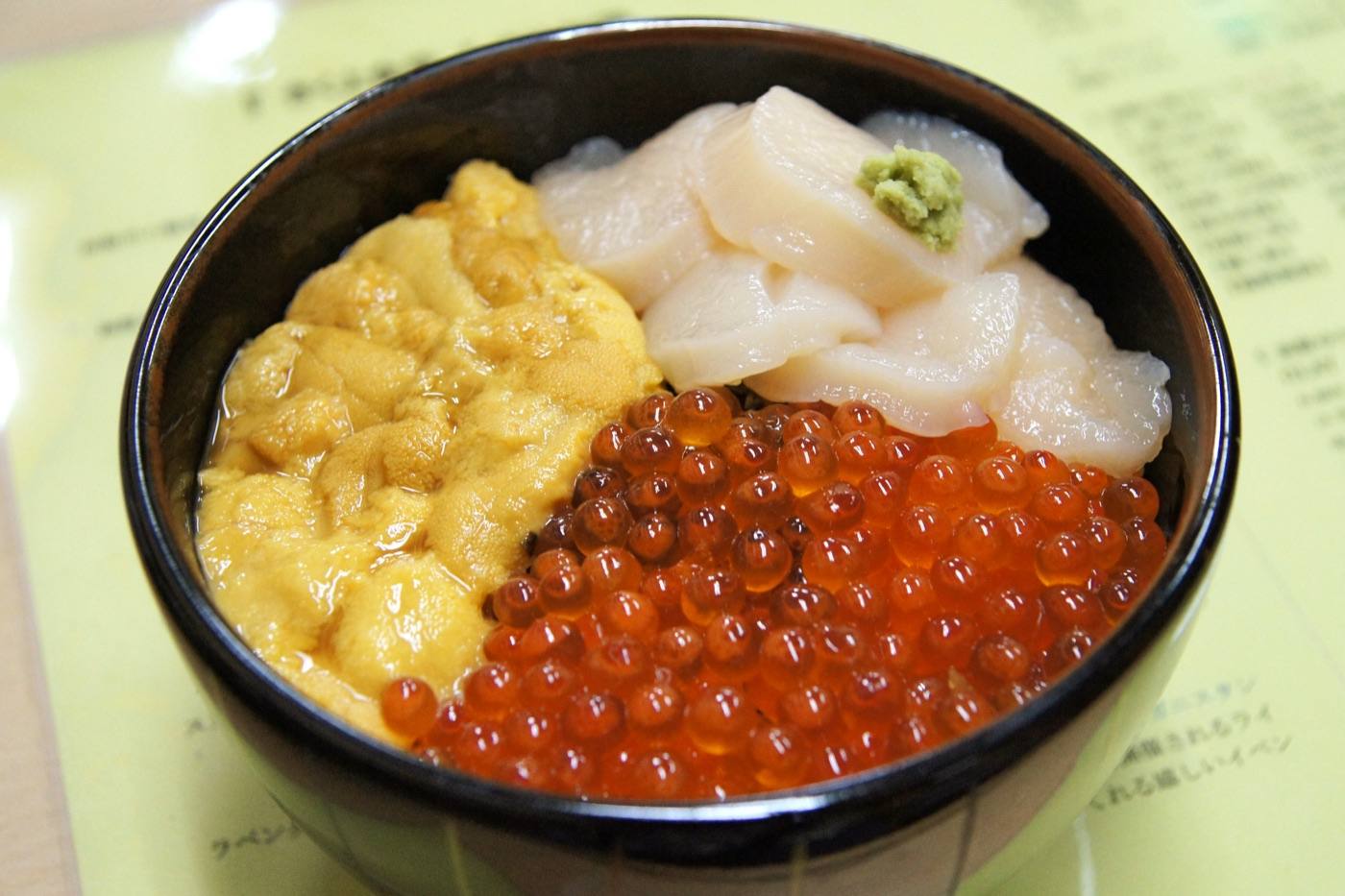
Morning market sushi at 07:00, with squid, crab and sea urchin.
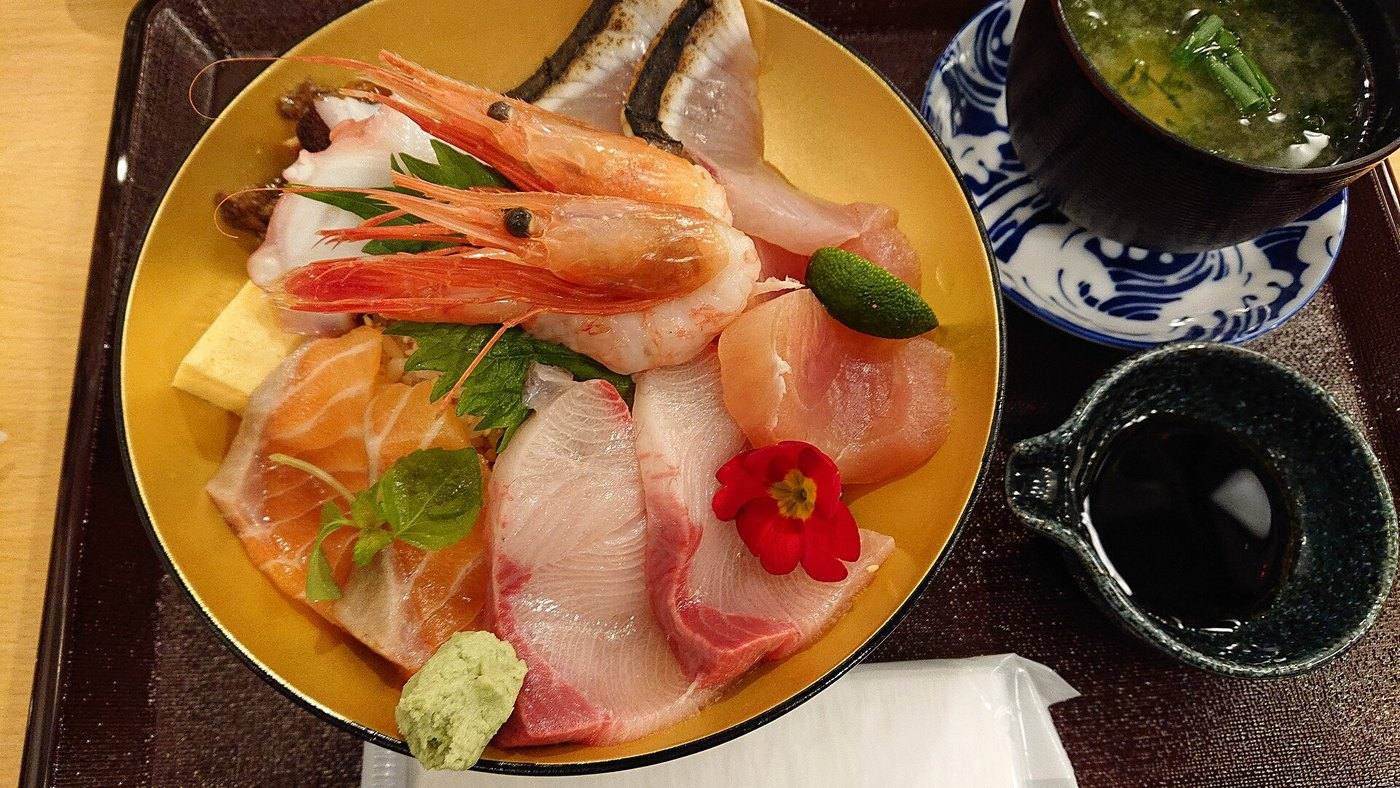
A market in the middle of a city that kept its old streets, and counters all round it.

Tuna comes off this cape at the top of the main island.
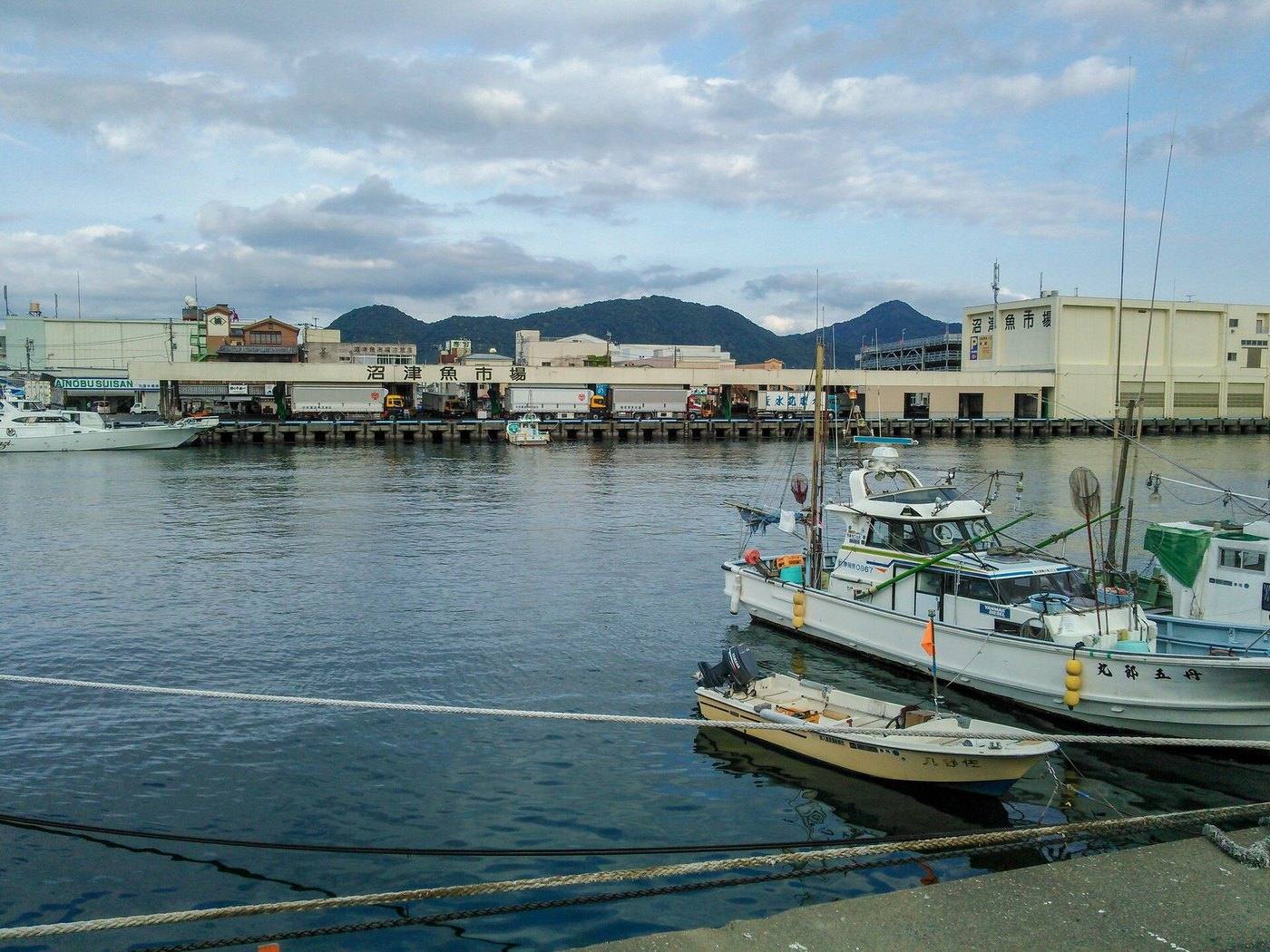
A working fishing port two hours from Tokyo, with Mt. Fuji behind it.
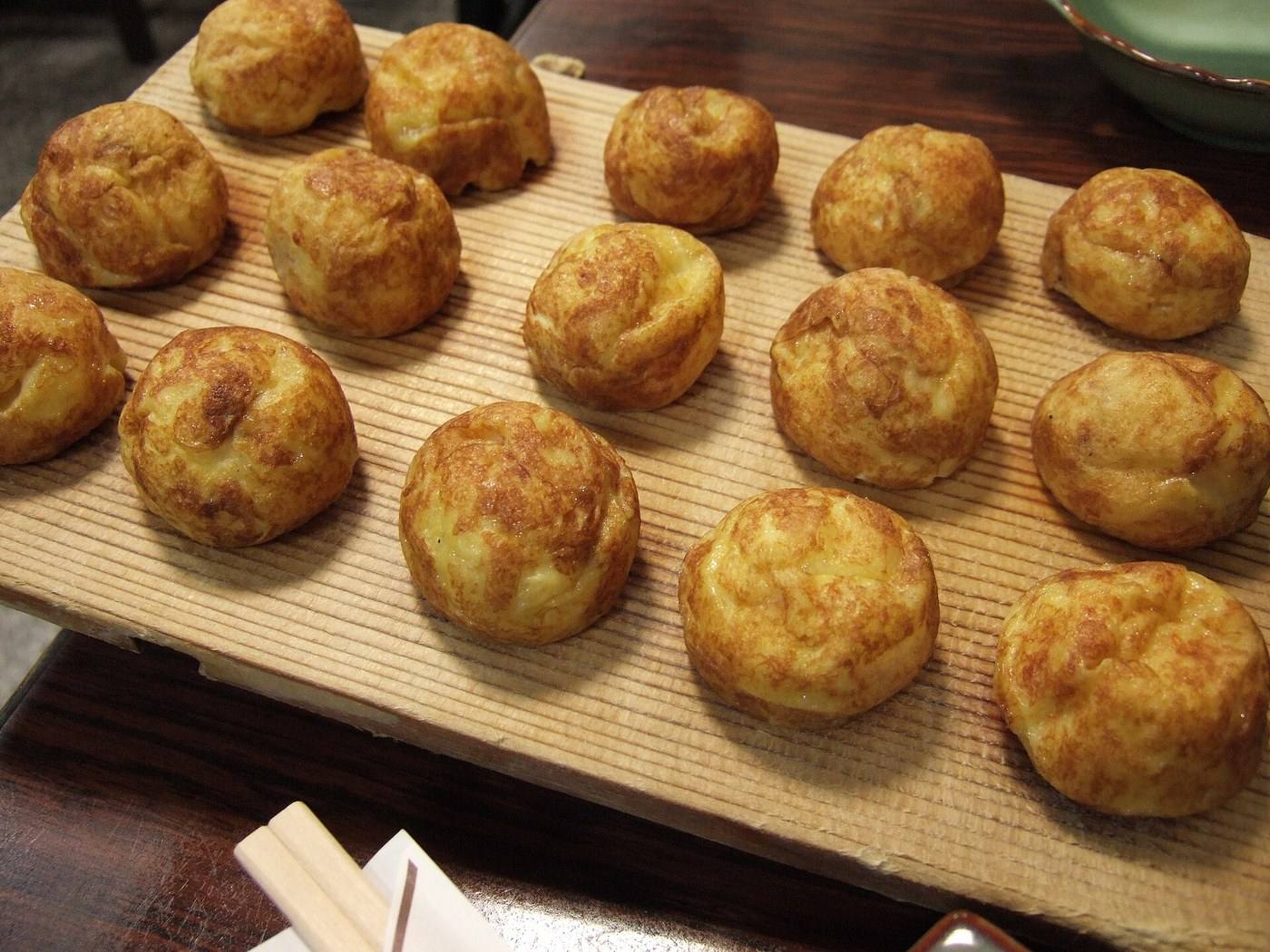
Octopus and sea bream from the strait, in a town most visitors pass through.
Every price and every style, including the outer market at Tsukiji for breakfast.
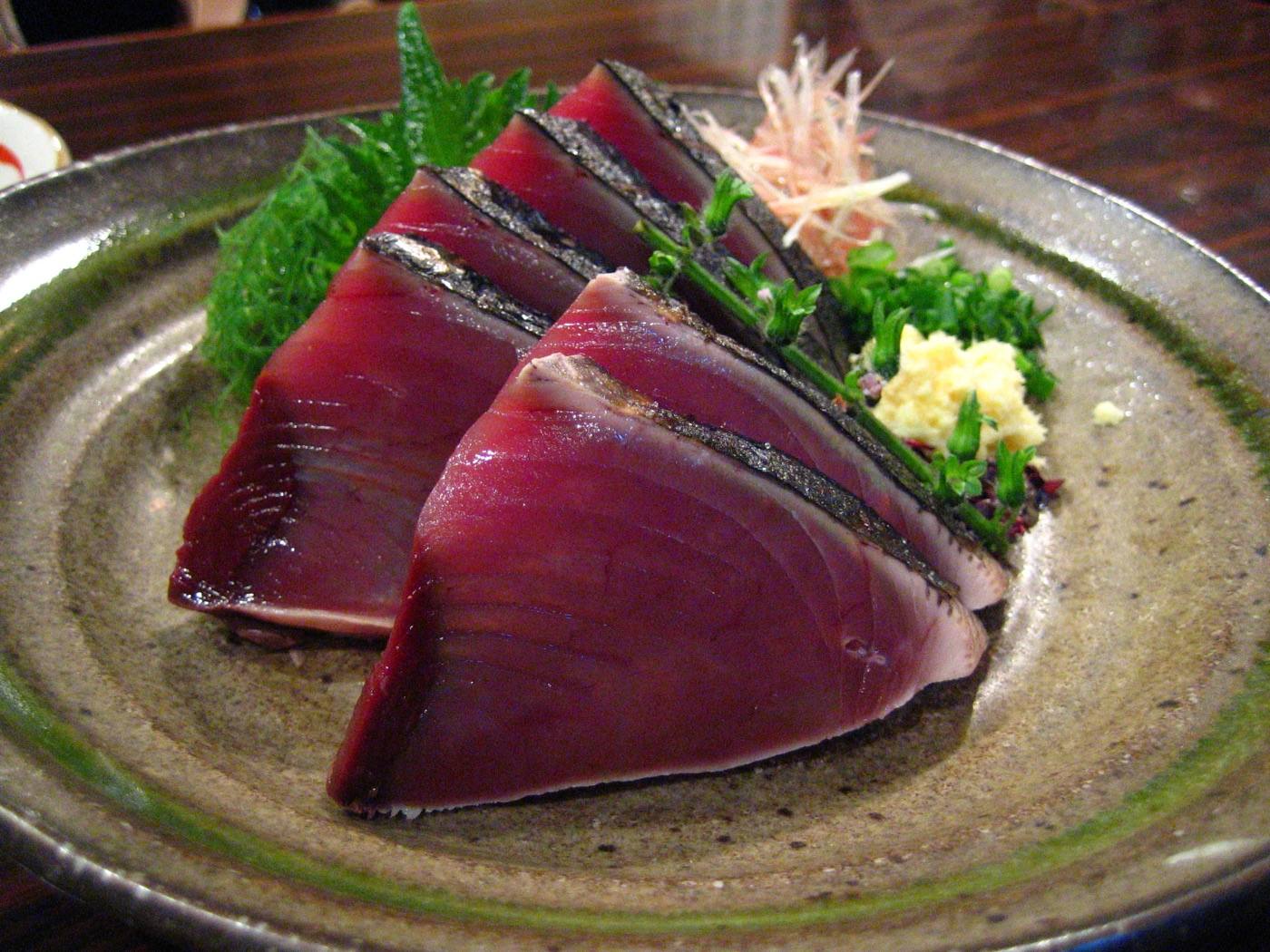
Bonito seared over burning straw — not sushi exactly, and worth the trip anyway.