Gardens日本庭園
Sit down and stay in one spot for ten minutes. Not a collection of plants but a composed view.
Sit down and stay in one spot for ten minutes. Not a collection of plants but a composed view.
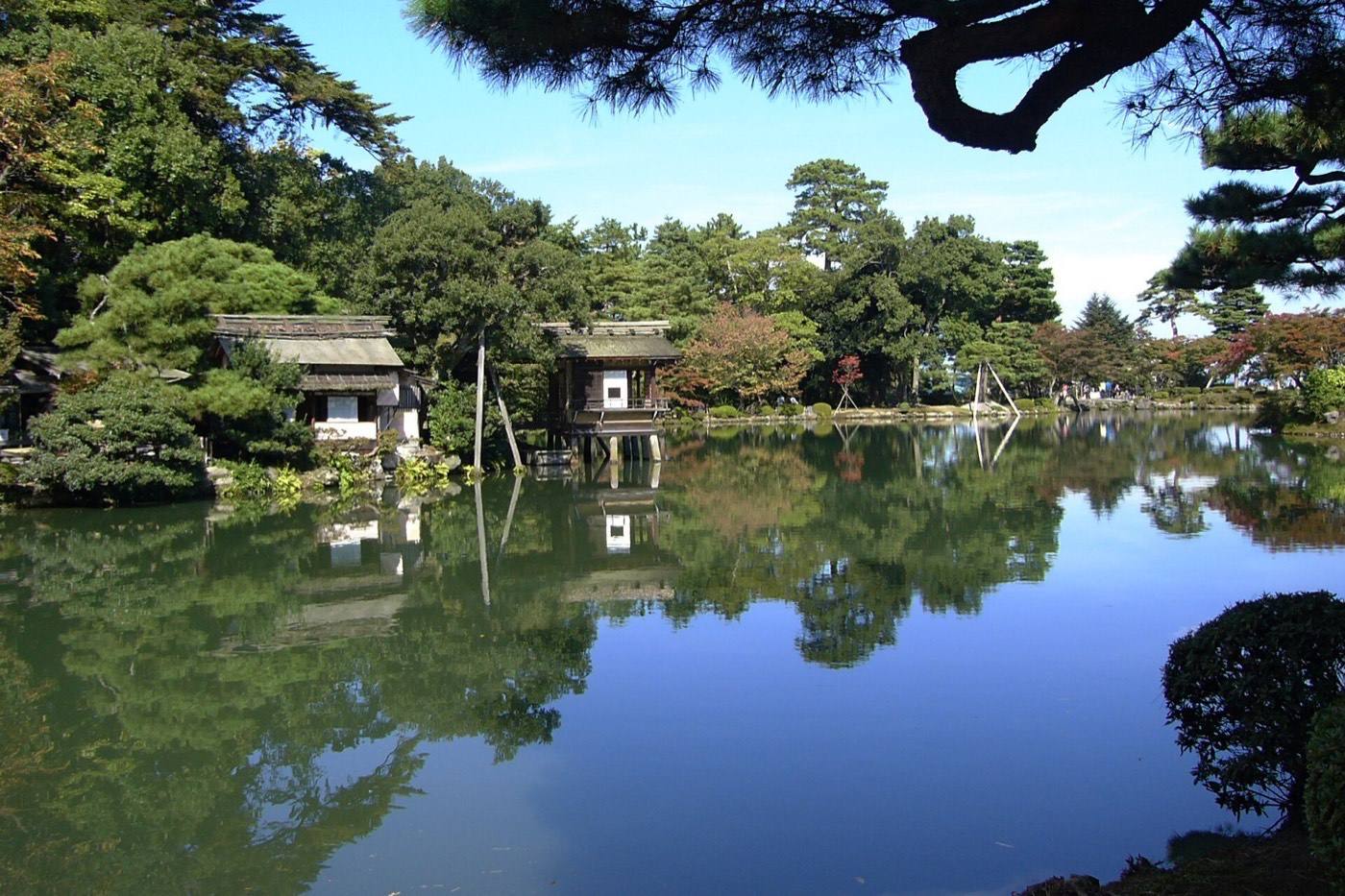
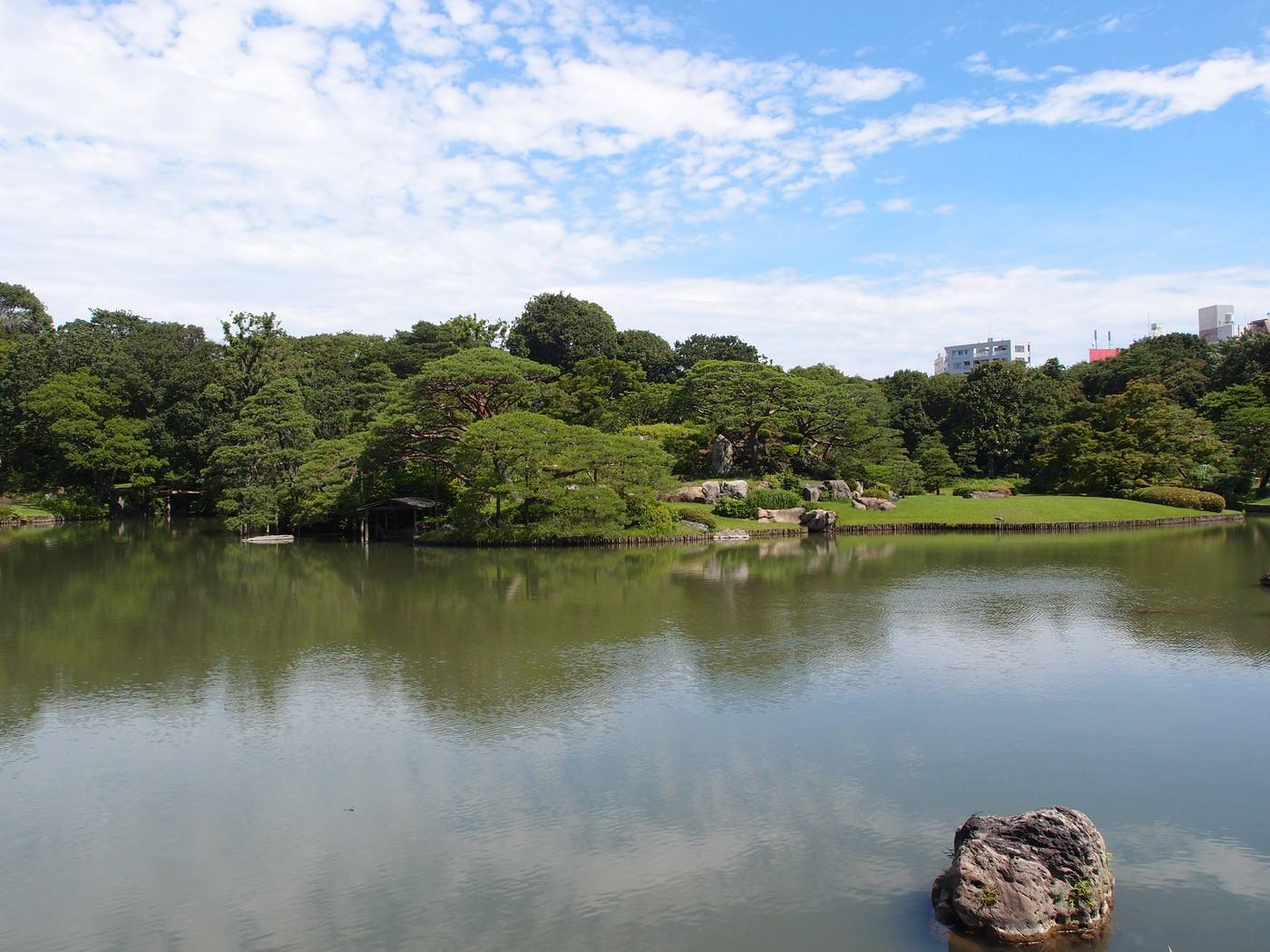
Ponds here are shaped to look like coastlines. Ponds are shaped to look like coastlines, mounds stand in for mountains, and borrowed scenery — a real hill behind the wall — is part of the composition. Once you know that, the thing to do in a garden is stop walking.
Find the bench or the tea house and sit for ten minutes. Most of these gardens have one or two places from which the whole design resolves, and they are usually where the seat is. The Adachi Museum in Shimane takes this to its conclusion: its garden is looked at through windows and cannot be walked in at all.
Opening time, for the light and the quiet. Snow is the season connoisseurs choose — Kenrokuen with its pines roped against snow is the image Kanazawa is known by. Autumn is second, spring third. Summer is the least of the four, which is convenient, because so is everything else in a Japanese August.
Eight gardens worth the walk, in the order most people enjoy them.
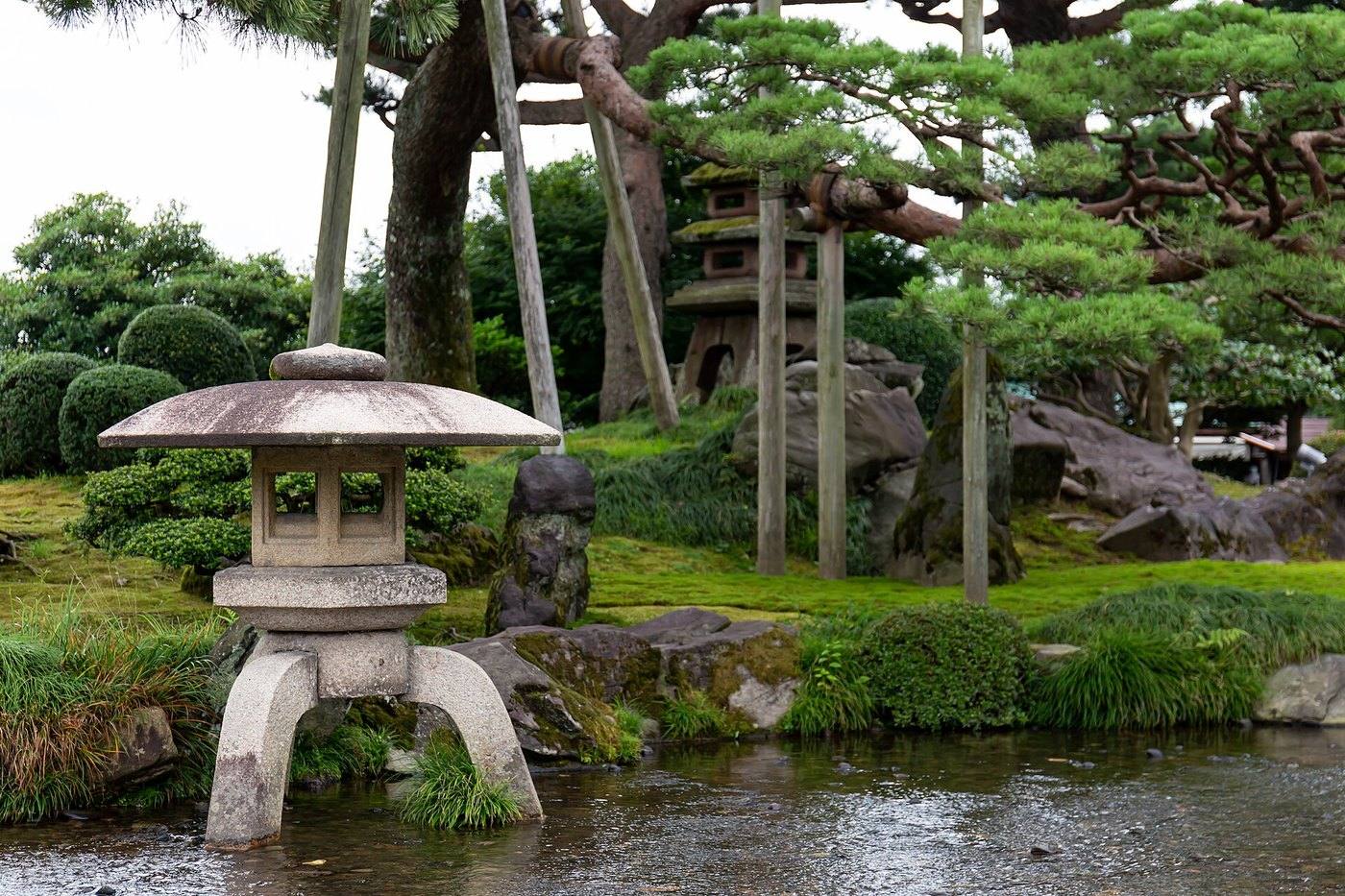
Best under snow, with the pines roped. Free entry early in the morning.
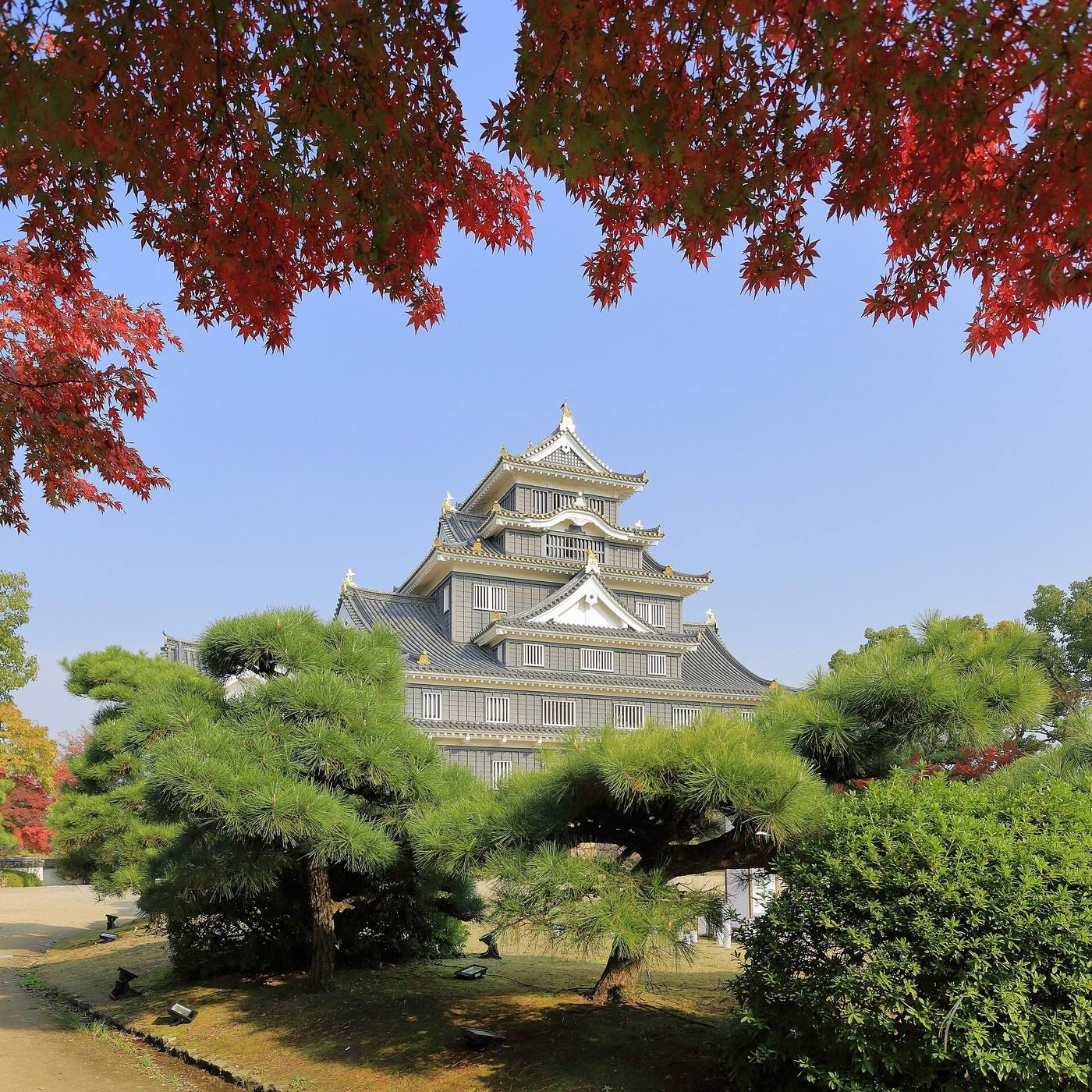
Wide lawns, with a black castle behind it.
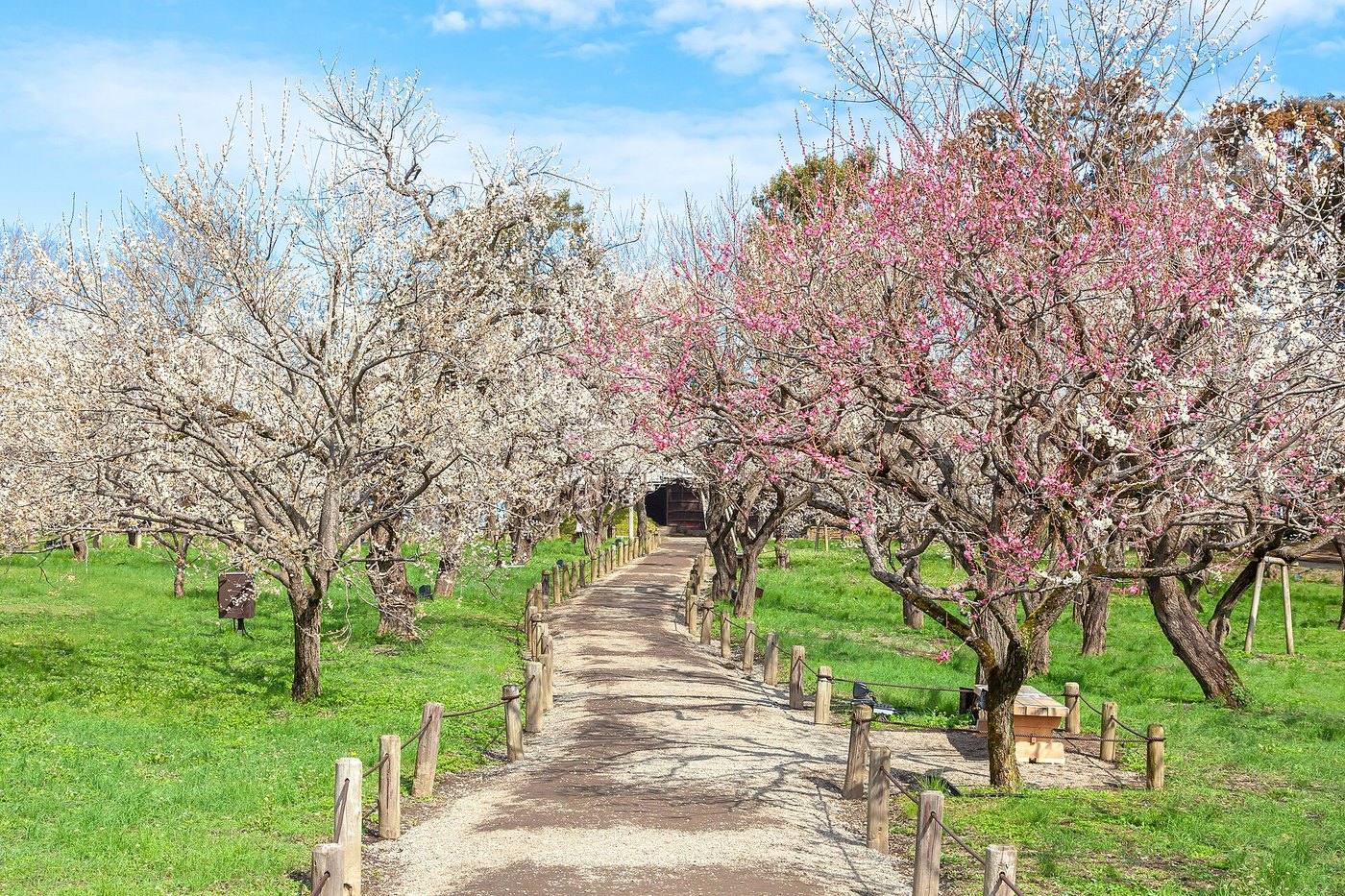
Built for plum, not cherry — three thousand trees from late February.
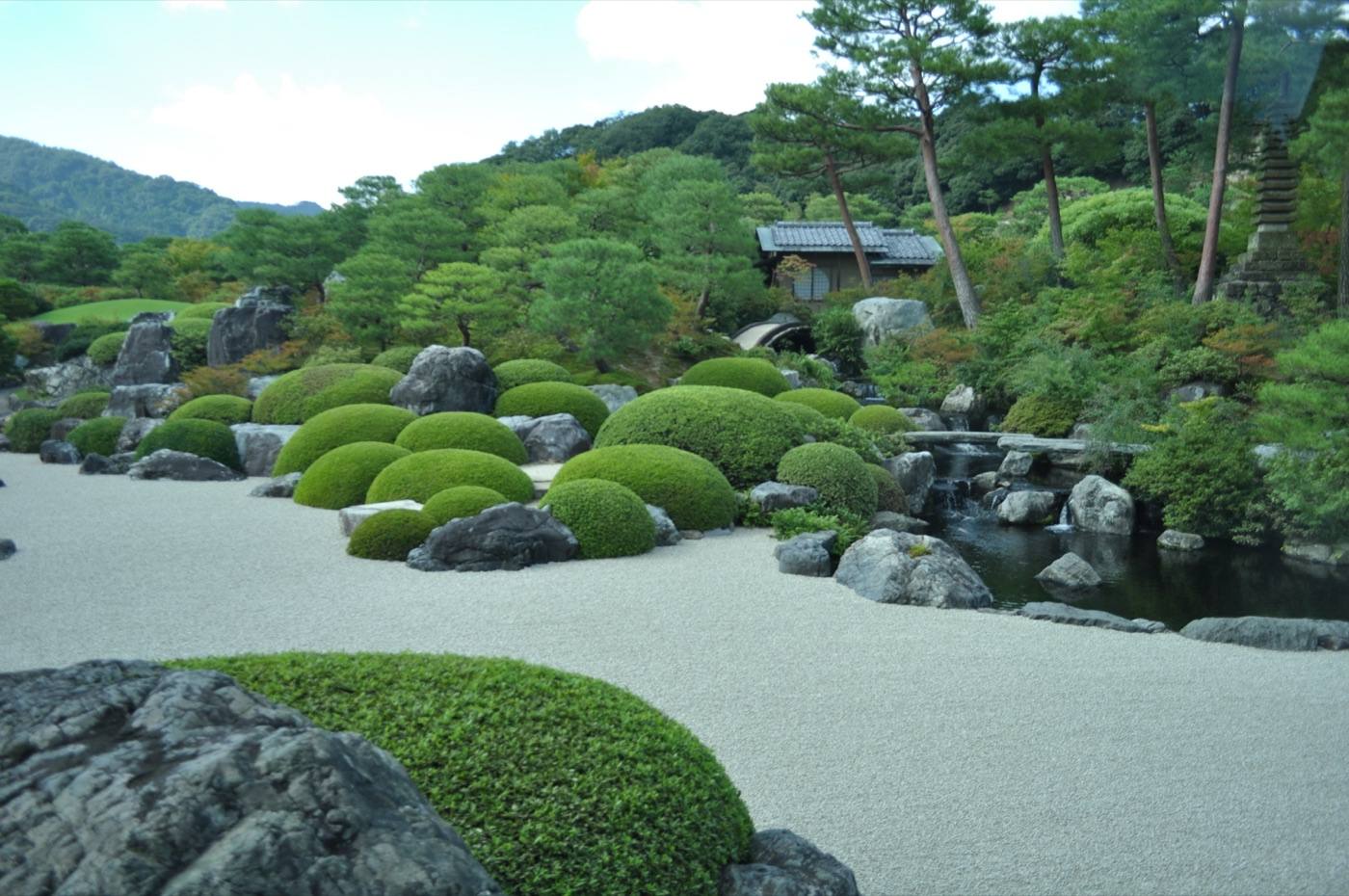
A garden framed by windows and seen only through the windows. The most deliberate view in Japan.
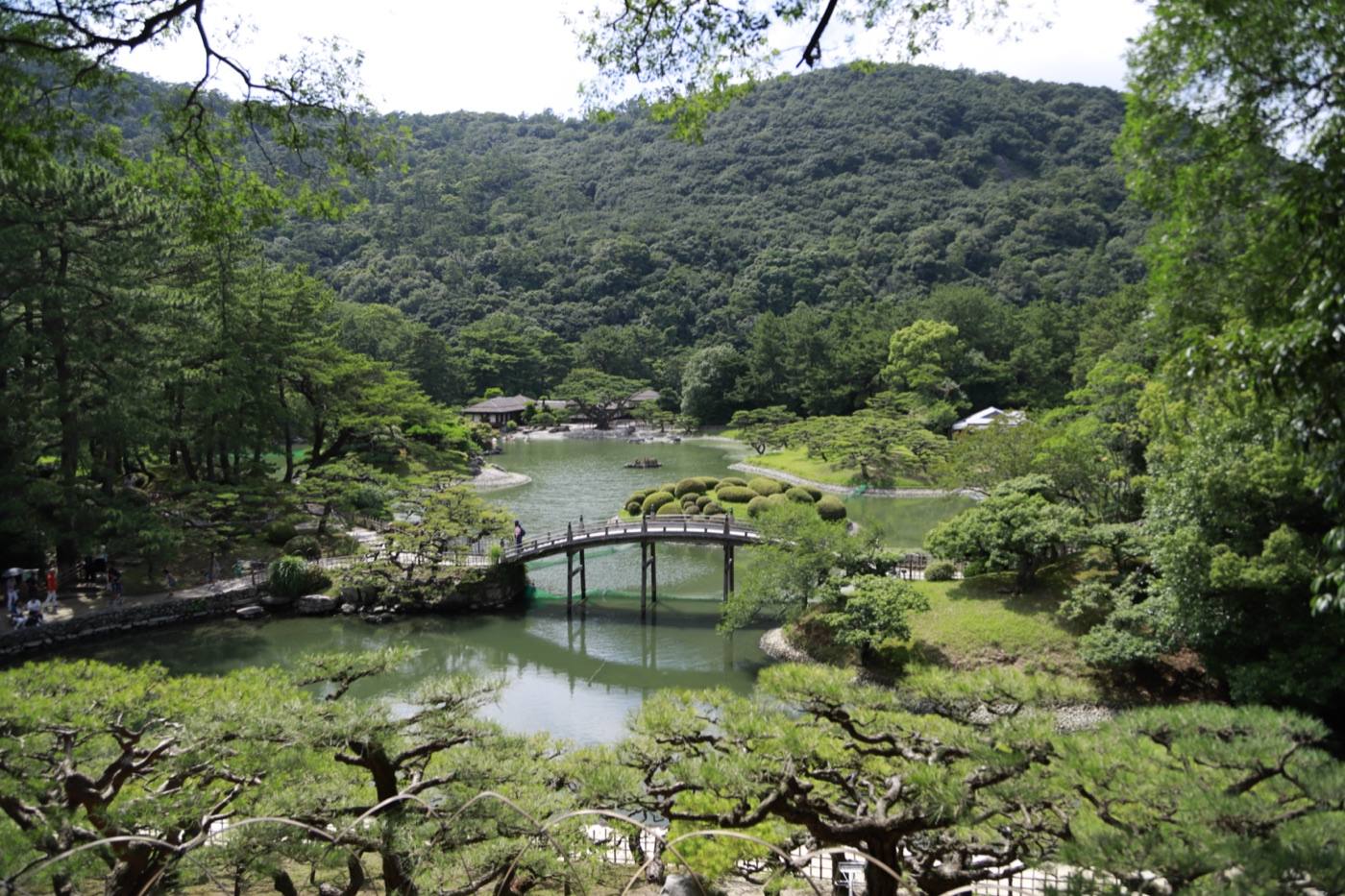
Ponds and pines with a wooded hill behind, in a small prefecture that is easy to travel.
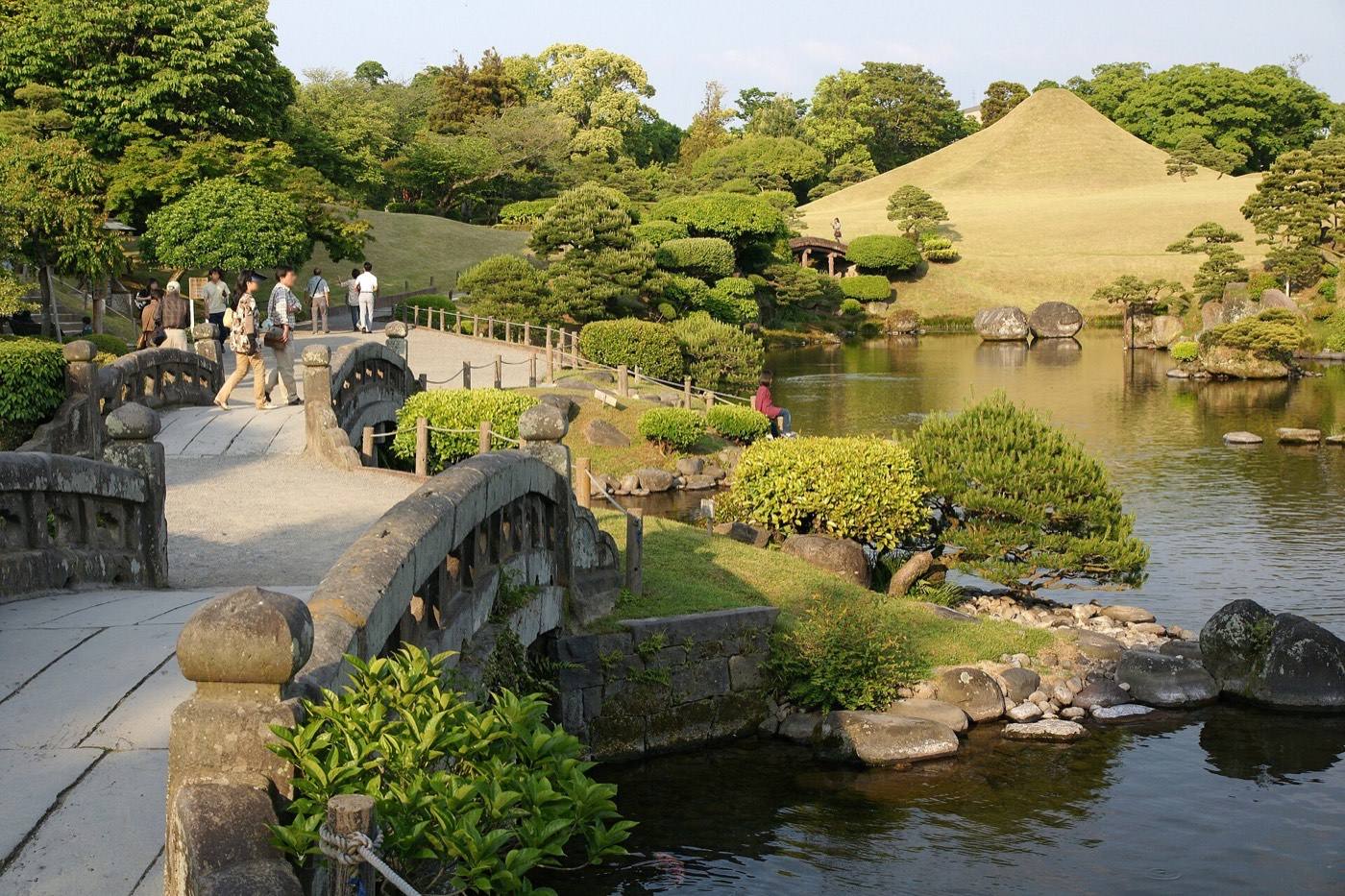
The old road to Tokyo laid out in miniature, with Mt. Fuji as a grass mound.
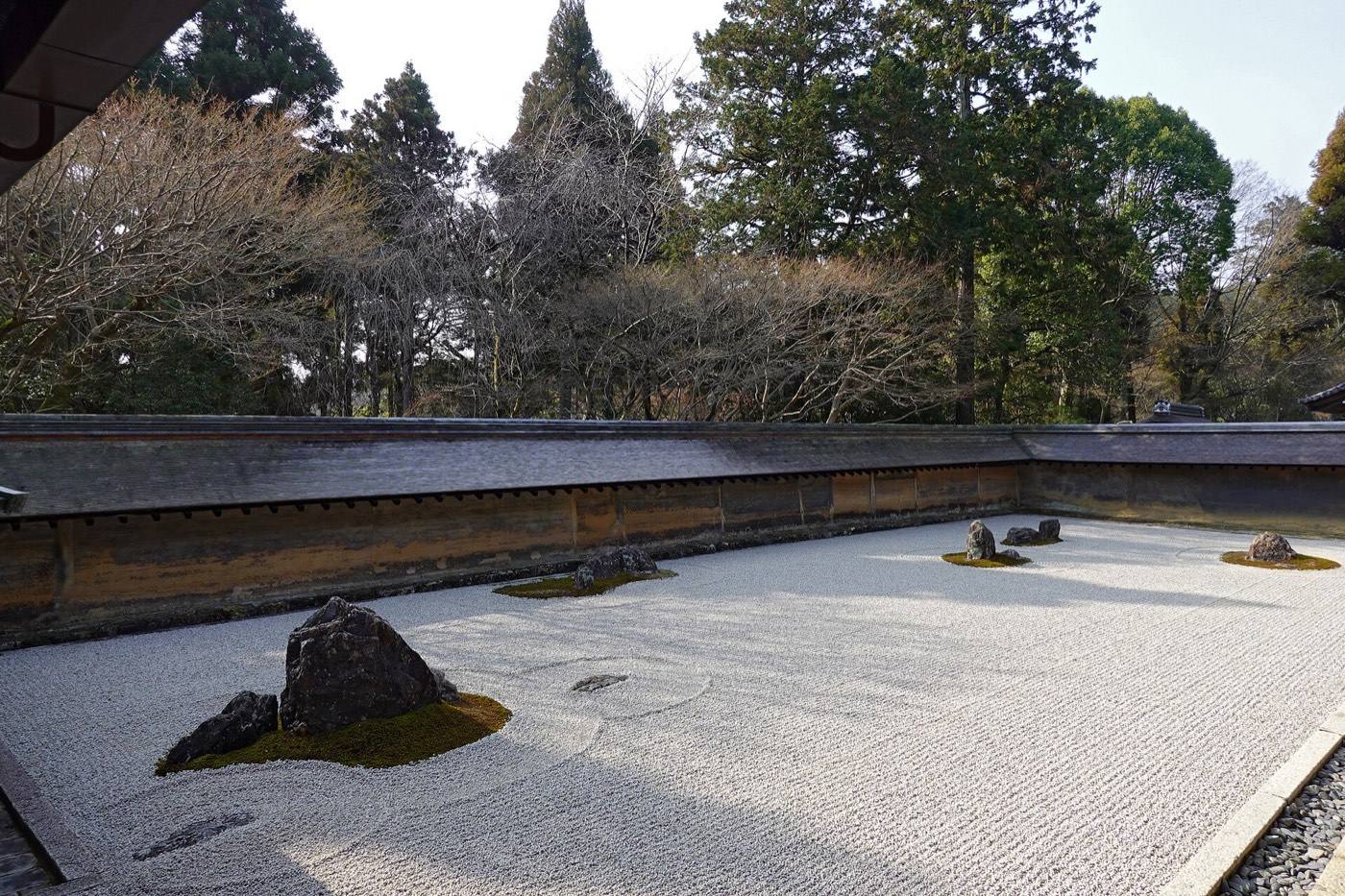
Moss, gravel, and the dry stone gardens that need no water at all.
Several survive between the towers, and a garden ten minutes from Shinjuku station is genuinely quiet.