Craftwork工芸品
Buy it in the town that makes it.
Buy it in the town that makes it.
Japan still has towns that make one thing, and have made it for four hundred years. The interesting part is not the souvenir shop — it is that you can buy the object in the workshop, from the person whose hands made it, for less than a department store charges.
Most workshops welcome visitors, many let you watch, and a good number run short sessions where you make something yourself. Prices run from a few hundred yen for a paper sheet to serious money for a knife or a lacquer bowl.
Two practical notes. Ceramics and lacquer need packing — ask, and they will do it properly. And a Japanese kitchen knife must go in checked baggage, never in your cabin bag.
Shops with a tax-free sign can deduct consumption tax on larger purchases — bring your passport to the till, not afterwards.
Many workshops will post a purchase to your hotel or your own country. Ask before you pay, because tax-free rules and posting interact.
Each links to its prefecture.
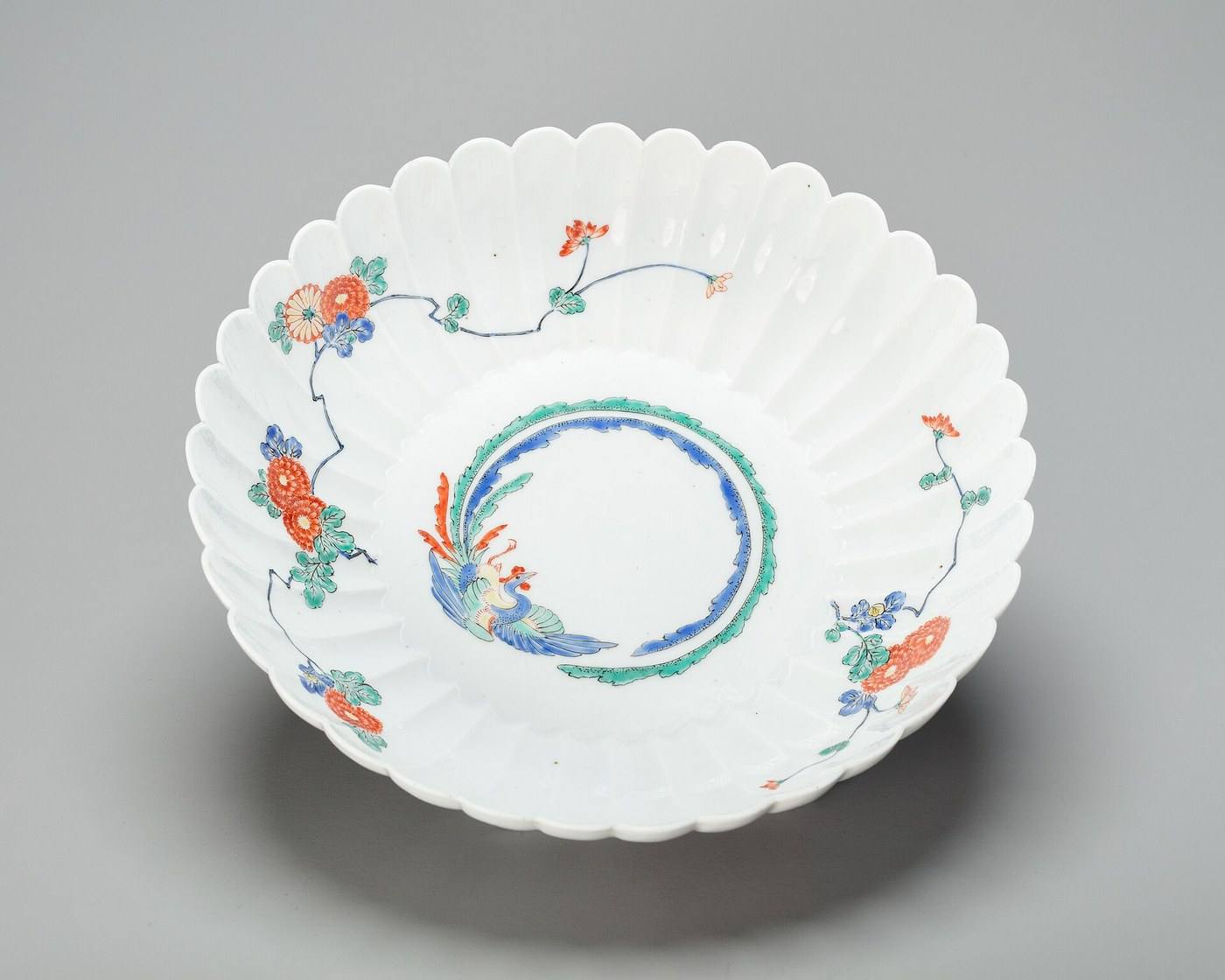
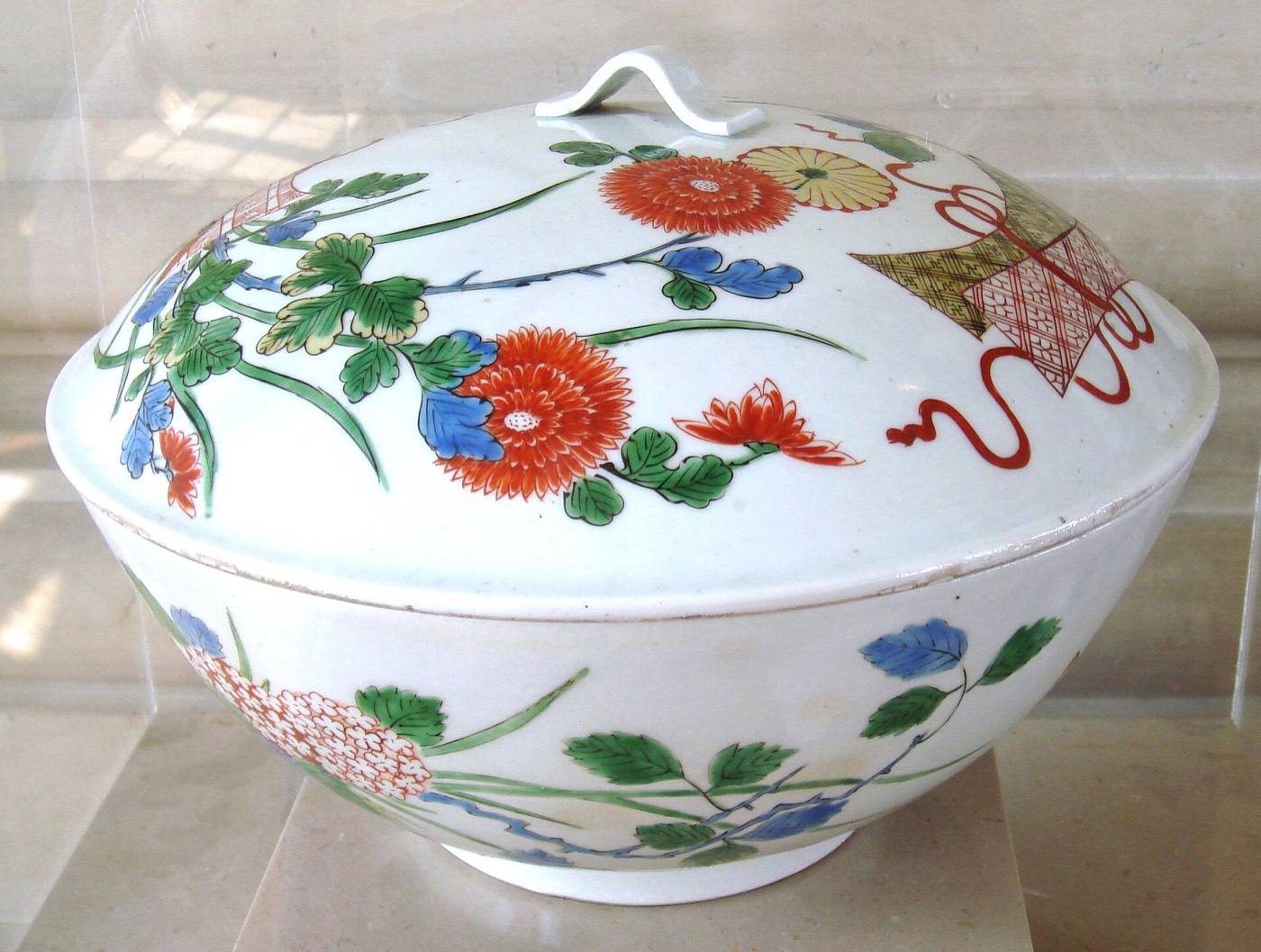
Where Japanese porcelain began, four hundred years ago. Kilns, shops and a spring market.
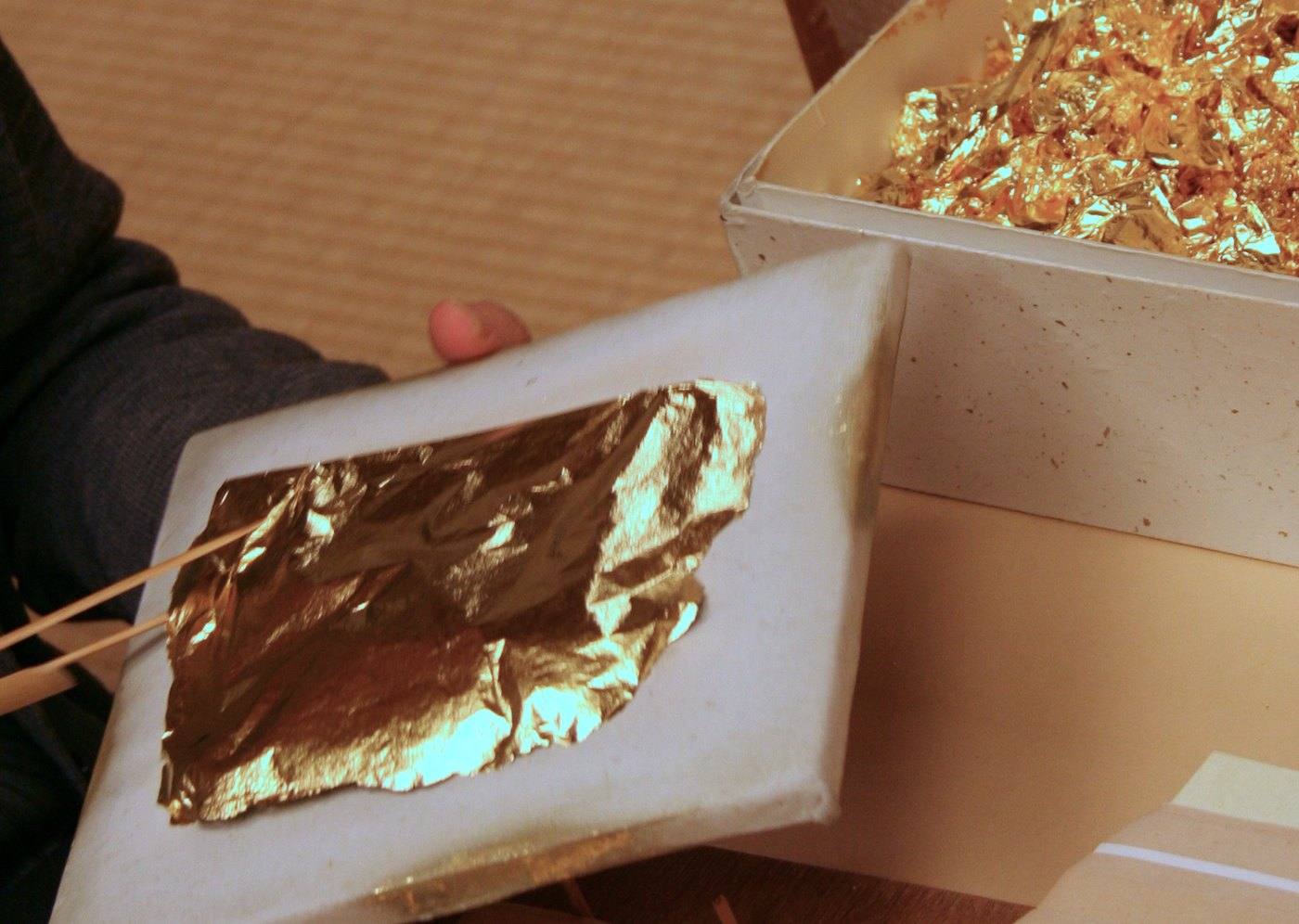
Almost all of Japan’s gold leaf is beaten here. On lacquer, on sweets, and on ice cream.
Blades forged here for seven centuries. Buy from the makers, and put it in checked baggage.
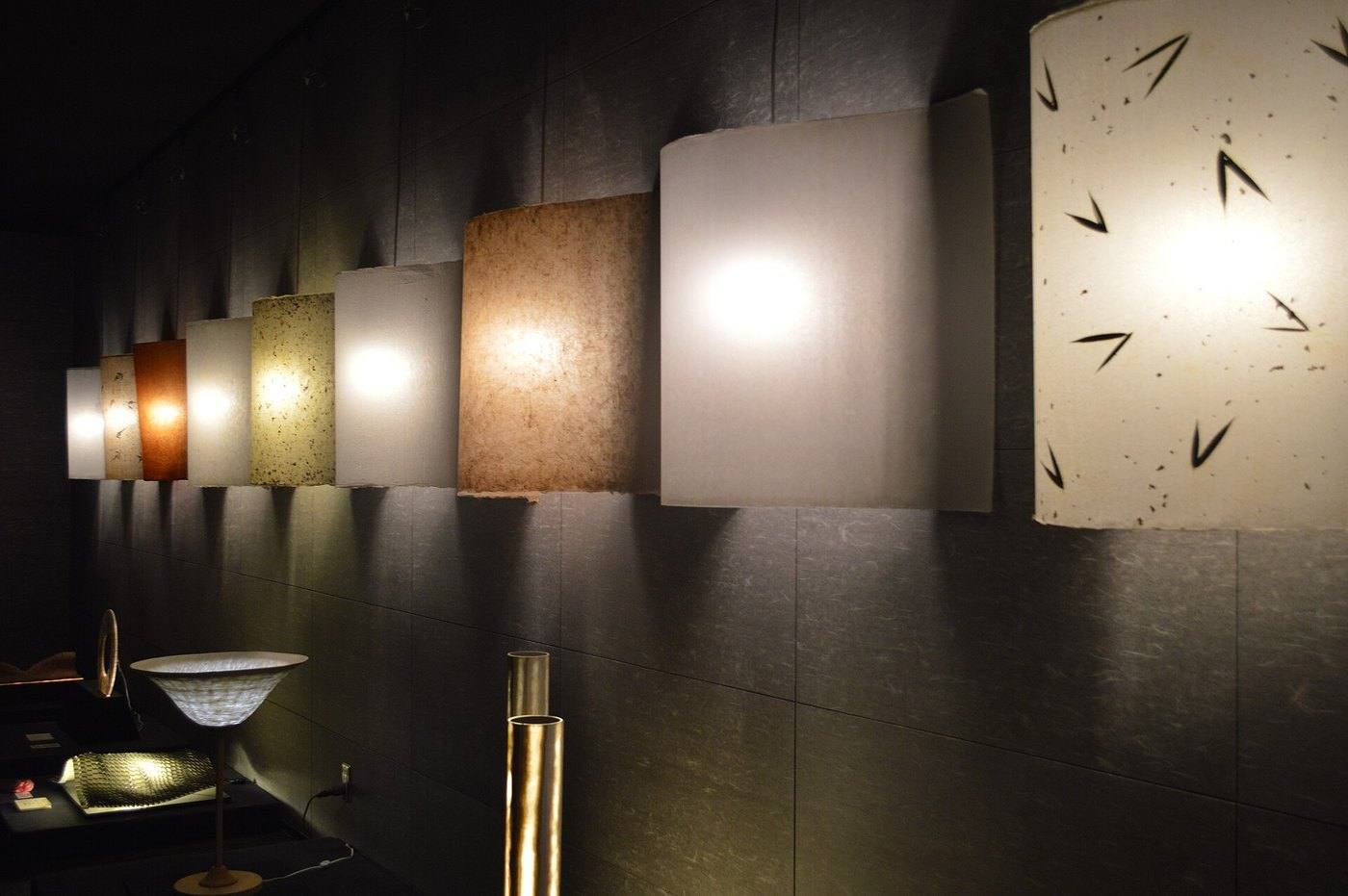
Handmade paper, thin enough to see through and strong enough to build with.
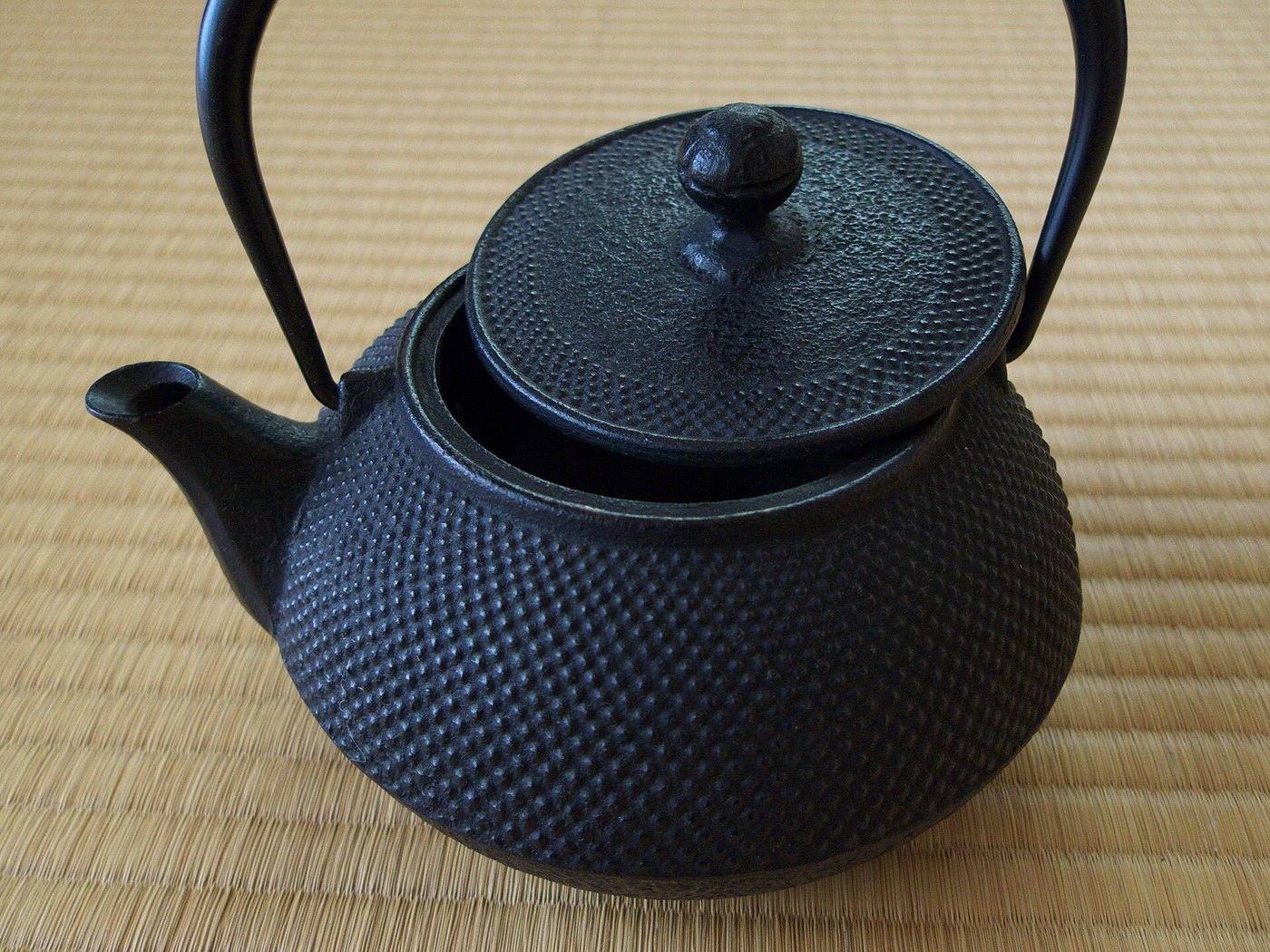
Cast iron kettles and pans from Morioka, still made in the same workshops.
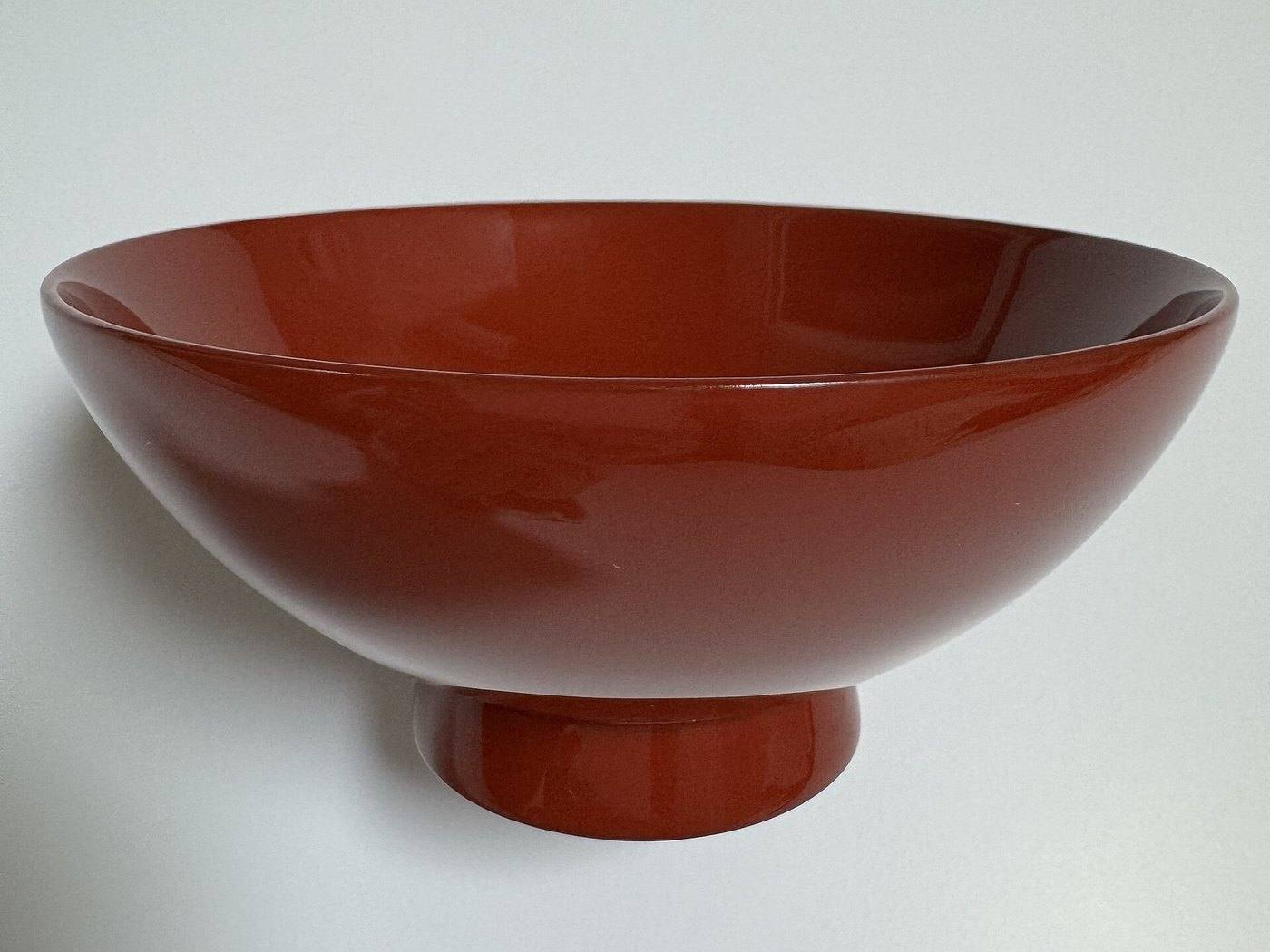
Lacquer built up in dozens of layers on the Noto peninsula. Expensive, and it lasts generations.
Weaving, dyeing and indigo, in workshops you can watch and try.

Thick, coloured glass with bubbles in it, made in island workshops.