Eating in Kanagawa
Try these dishes while you are here.
Try these dishes while you are here.
Order the first one and work down the list.
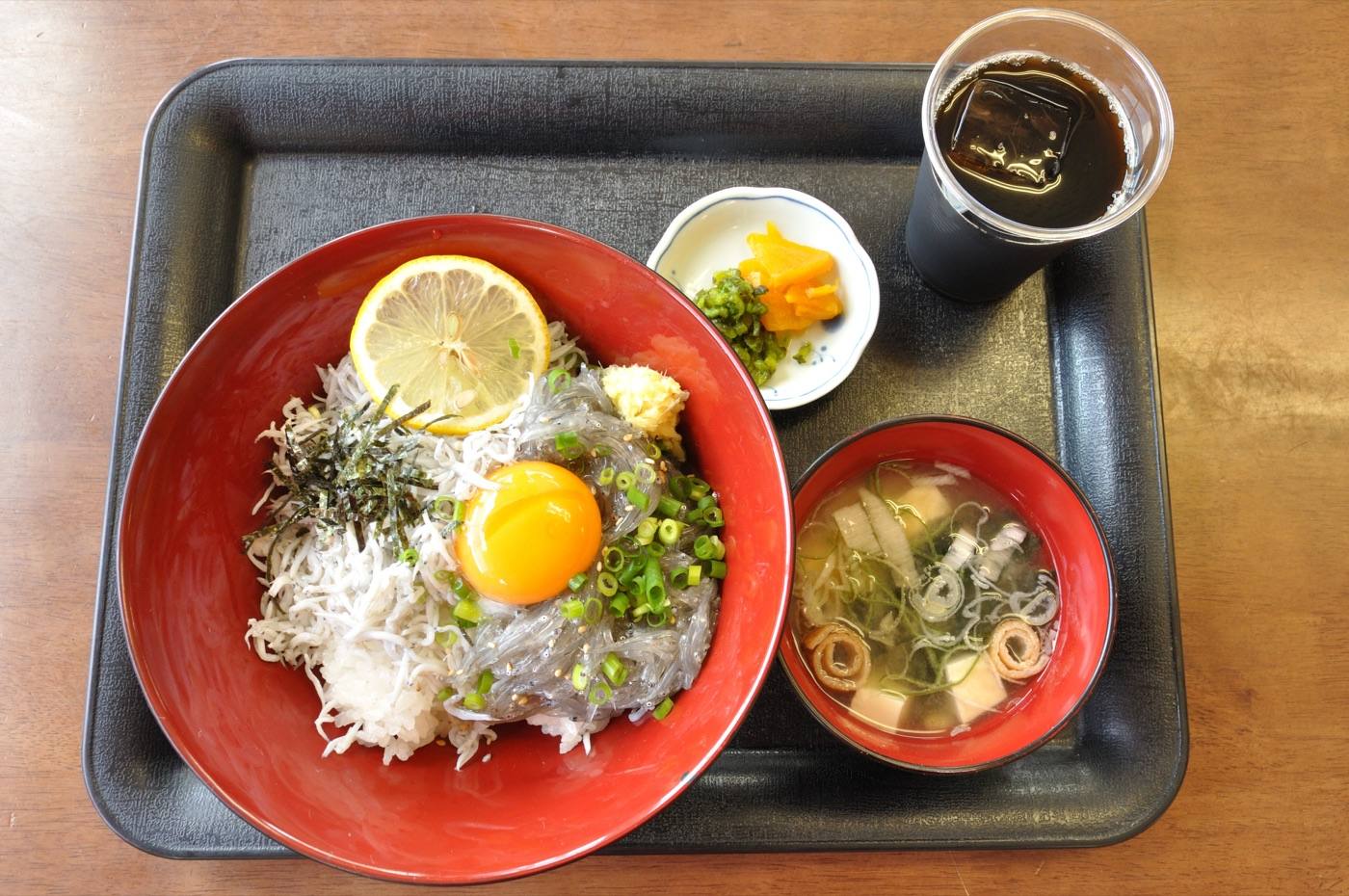
We recommend ordering this one first.
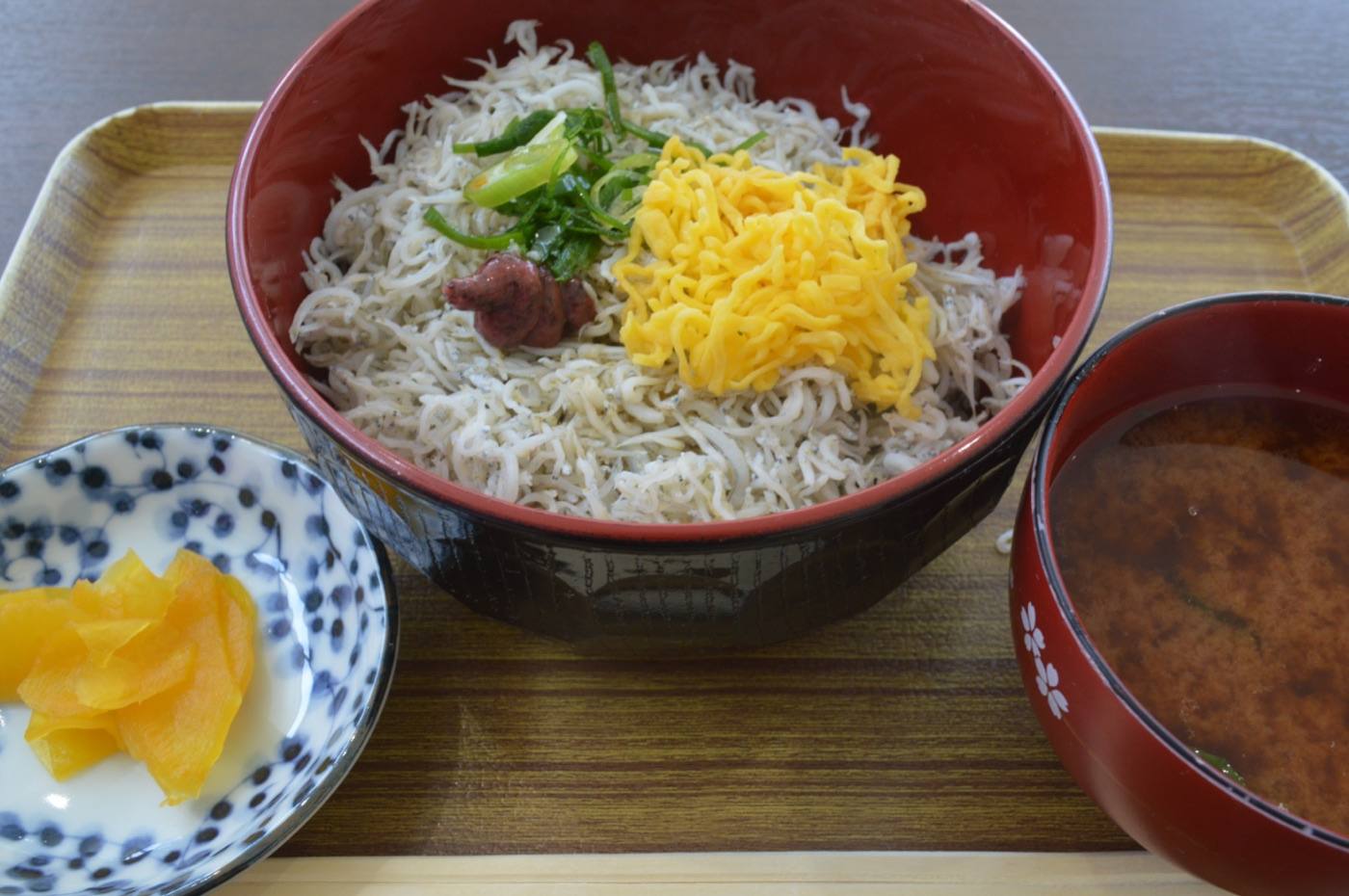
Tiny whitebait over rice, raw or boiled, from Enoshima and the Shonan coast. Raw shirasu is seasonal.
Japan’s largest Chinatown, in Yokohama. Steamed buns eaten on the street, and full sit-down courses.

Steamed fish cake, made in Odawara for centuries. Eaten sliced, with wasabi and soy.
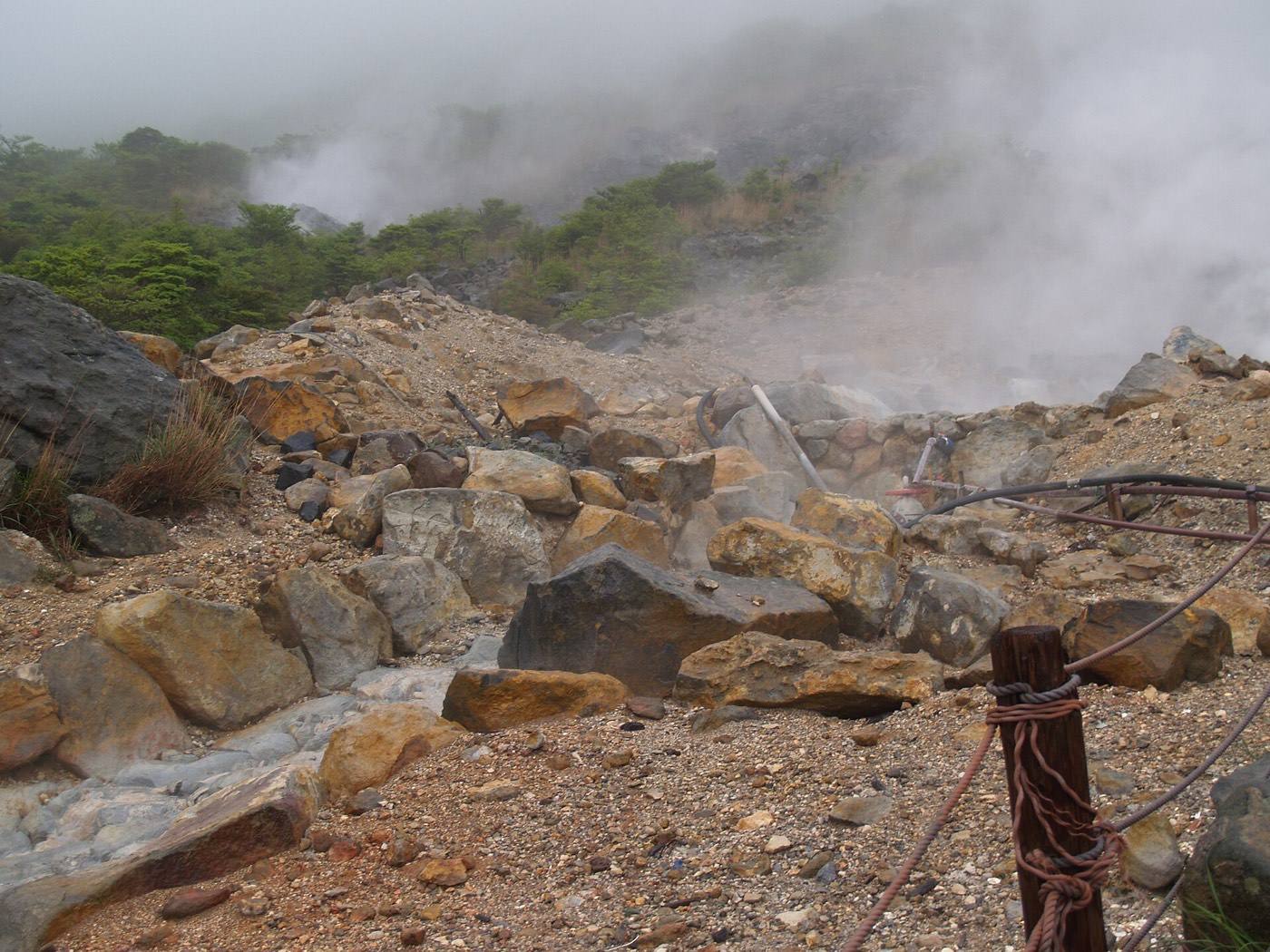
Eggs boiled in the sulphur springs at Owakudani until the shells turn black. Sold in fives.
Small shops, no English sign outside, and worth the walk.
A ramen shop out in Yamato, away from Yokohama and Kamakura. Thick pork, and it stays open late.
Shirasu is whitebait, landed that morning at the harbour across the road. Raw in season, boiled the rest of the year. Run by the boat that catches it.
Sold at a window on the main street of Yokohama Chinatown and eaten standing. One bun is the size of two fists.
Owakudani still steams. Eggs lowered into the hot spring come out with black shells, because the iron in the water sets on them. Local lore says one adds seven years to your life.
Kamaboko is white fish ground to a paste, shaped on a board and steamed. Odawara has made it for centuries. The site has a museum, a shop and places to eat, at the station.
The shape comes from the pigeons at the shrine up the road, and the recipe from a foreigner who gave the first owner a taste of butter he had never met before.
Misaki is a tuna port. This kitchen uses the parts that rarely reach a shop — cheek, heart, the meat along the bone — alongside the cuts you would expect.
The lane up to Enoshima shrine is lined with stalls. At this one they lay two or three whole octopus on a press and flatten them into a single cracker, handed over hot.
Atsugi grills its shiro-horumon over charcoal until the pieces puff up round. Five minutes on foot from the station.
Yugawara’s local yakisoba is seasoned with sesame paste and doubanjiang, mildly hot. Shops in town split two ways: some top it with citrus, others with egg.