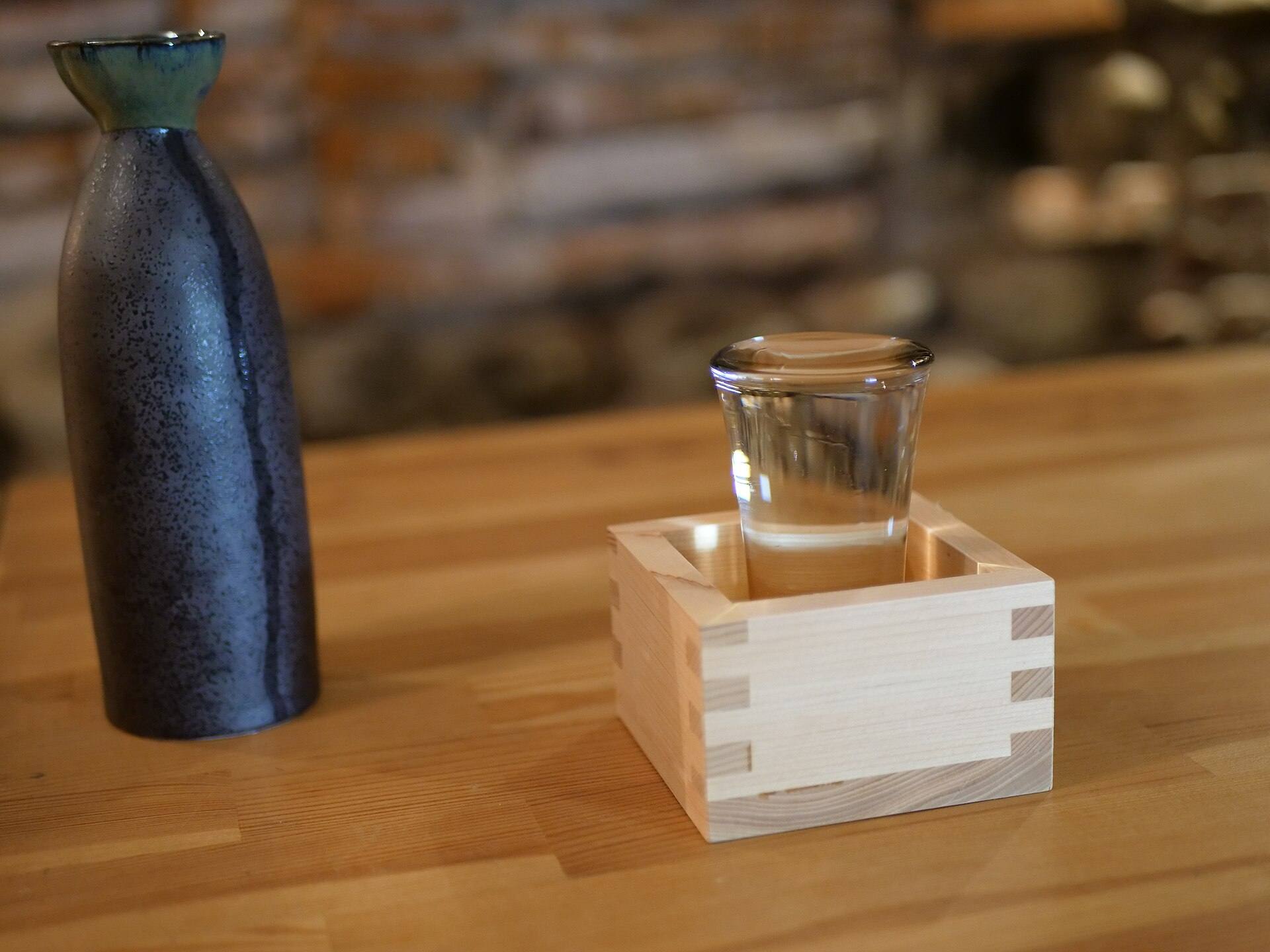
Sake日本酒
Ask for the local one and start with a small glass.
Ask for the local one and start with a small glass.
Good sake is usually served cold or at room temperature. Heating is a style, not a mark of quality, and it suits some sake in winter — but if you were given hot sake once and disliked it, that was a choice somebody made, not the drink itself.
It is brewed from rice, water and mould, at around 15% alcohol, and it is the water that makes the regional difference. The snow country brews the best of it: Niigata has around ninety breweries, more than any prefecture, because the snowmelt is soft and the winters are long.
Breweries welcome visitors, most tastings cost a few hundred yen, and the good ones will explain the differences in English better than any label can.
Junmai — rice only, fuller, more savoury. Ginjo — more polished rice, lighter and more fragrant. Nigori — cloudy and sweeter. Nama — unpasteurised, fresh, seasonal.
Or ignore all four and say “What is local?”, which is the better question anywhere in Japan.
It is stronger than it tastes when cold. Drink water alongside it, which is what the glass of water beside your cup is for.
Each links to its prefecture.
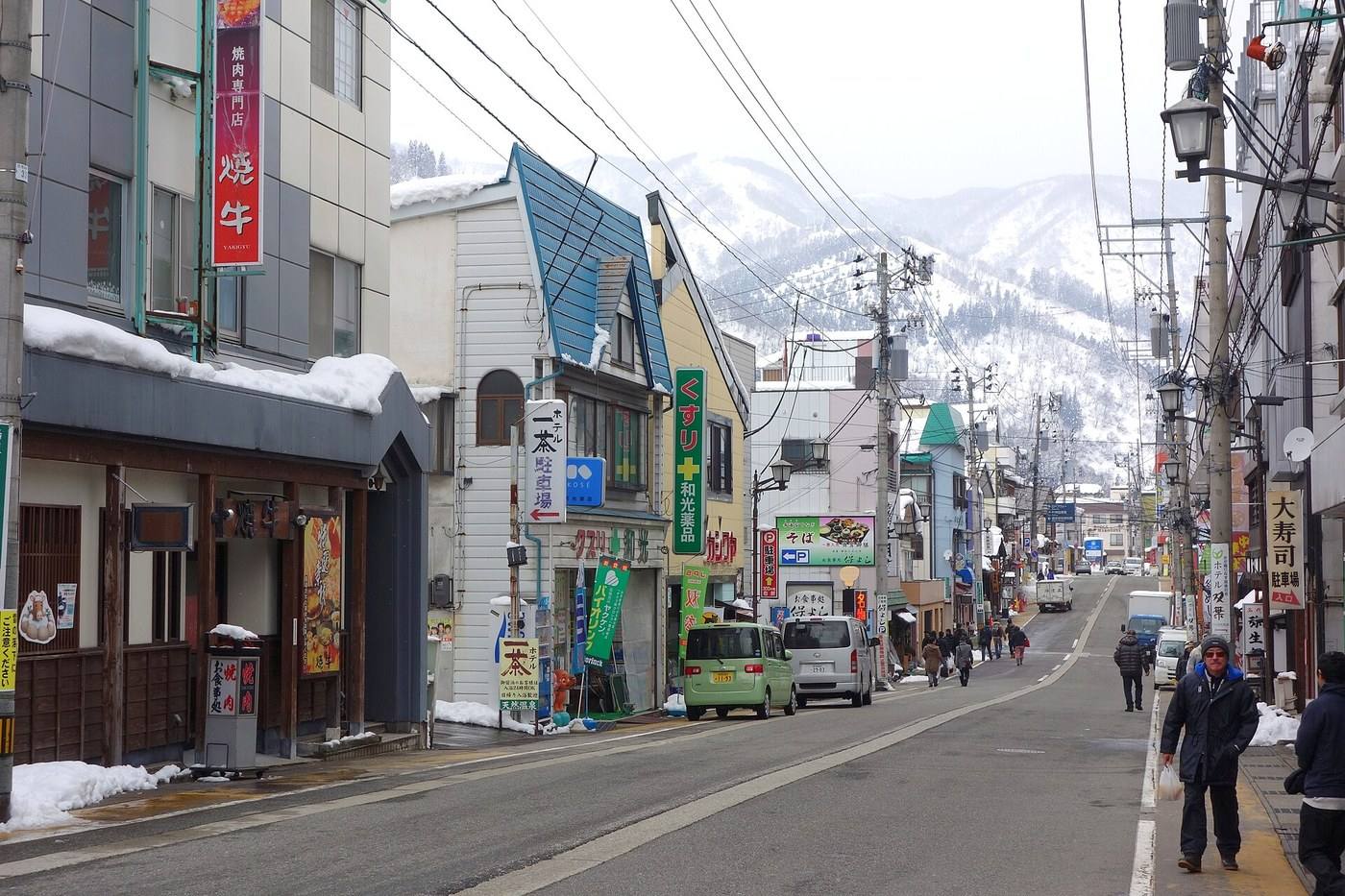
Around ninety breweries. At Echigo-Yuzawa station a coin buys a cup from about a hundred of them.
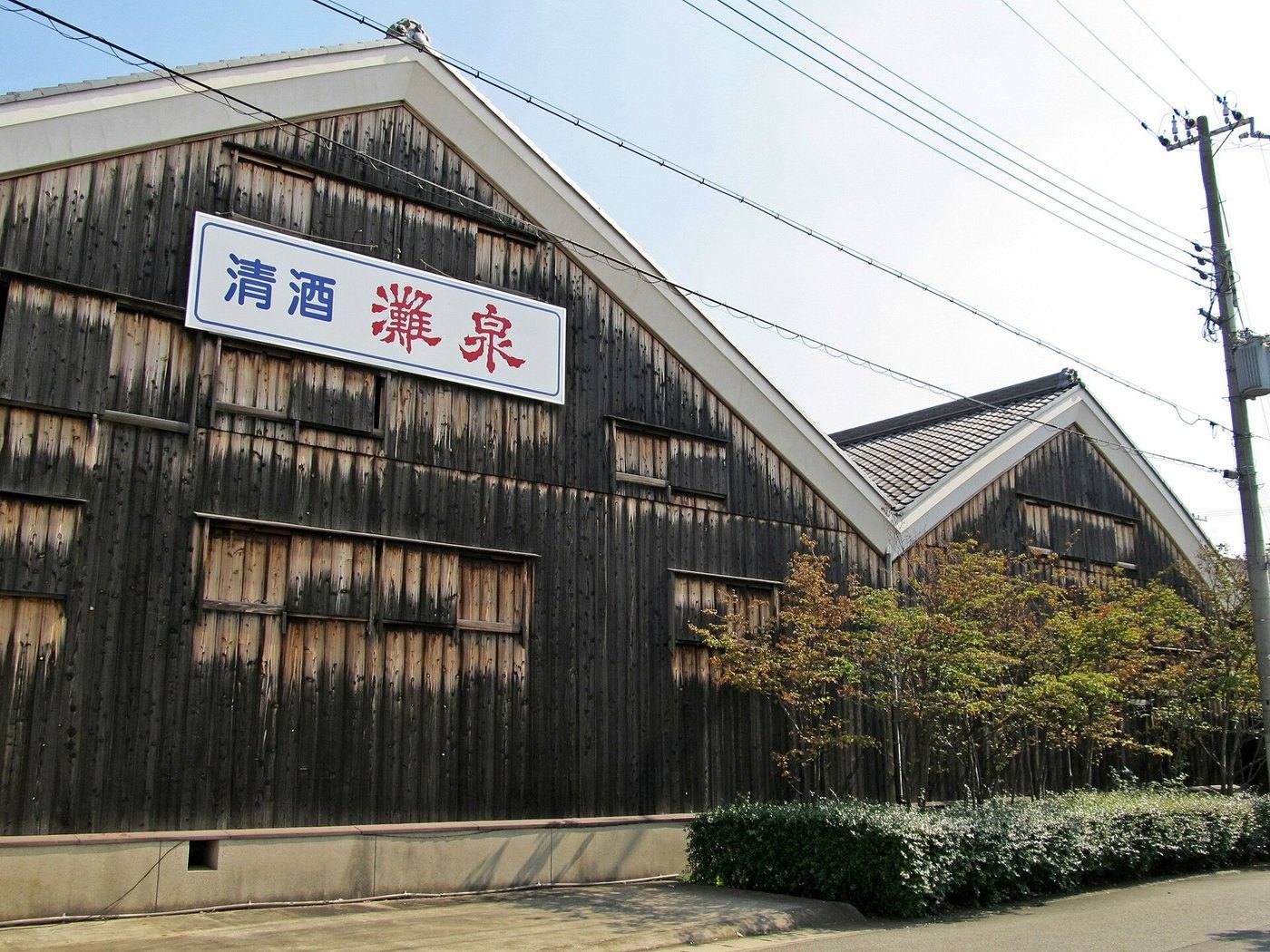
The largest brewing district in Japan, with museums you can walk between.
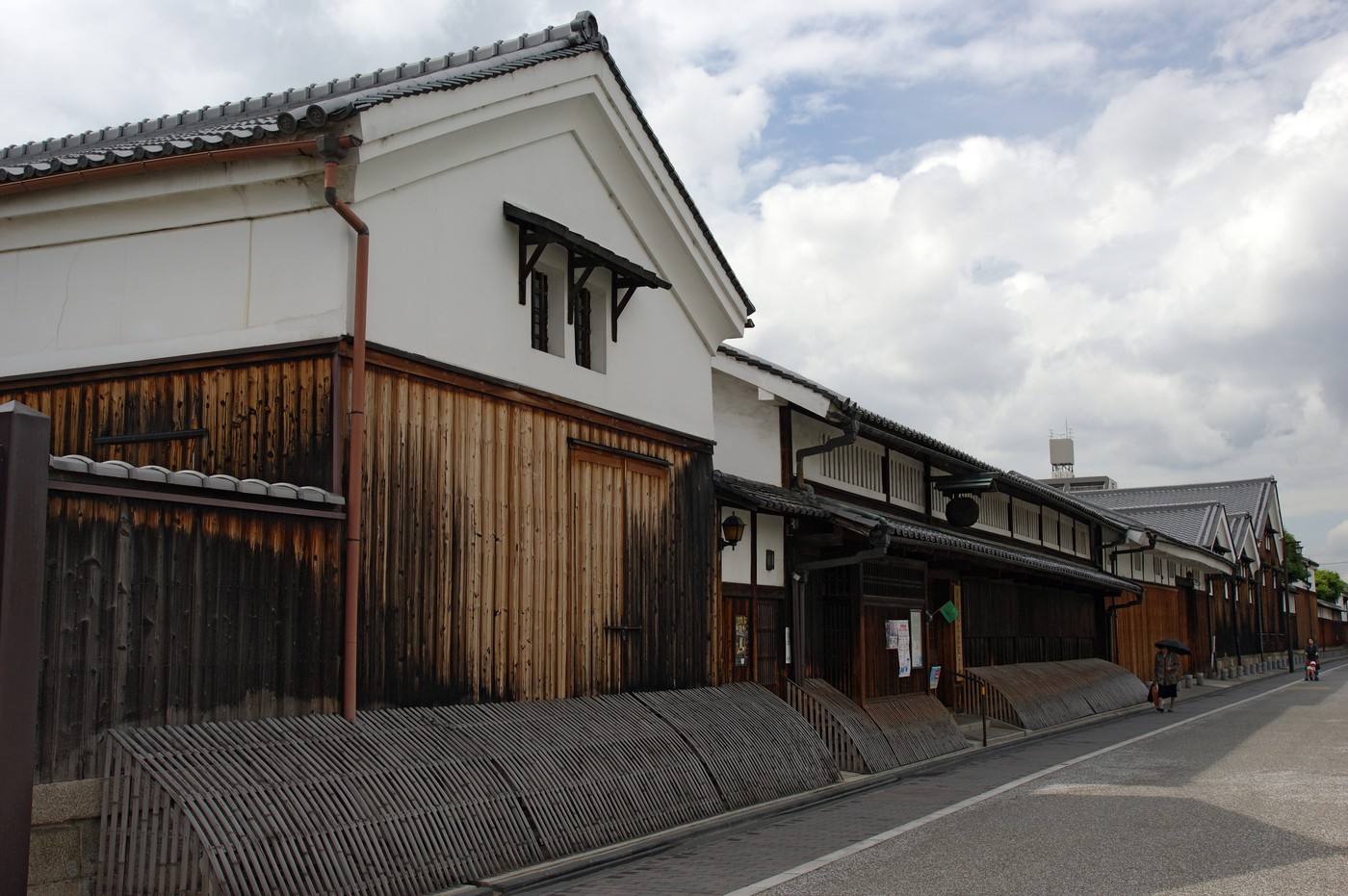
Soft water and old wooden breweries, a short train from central Kyoto.
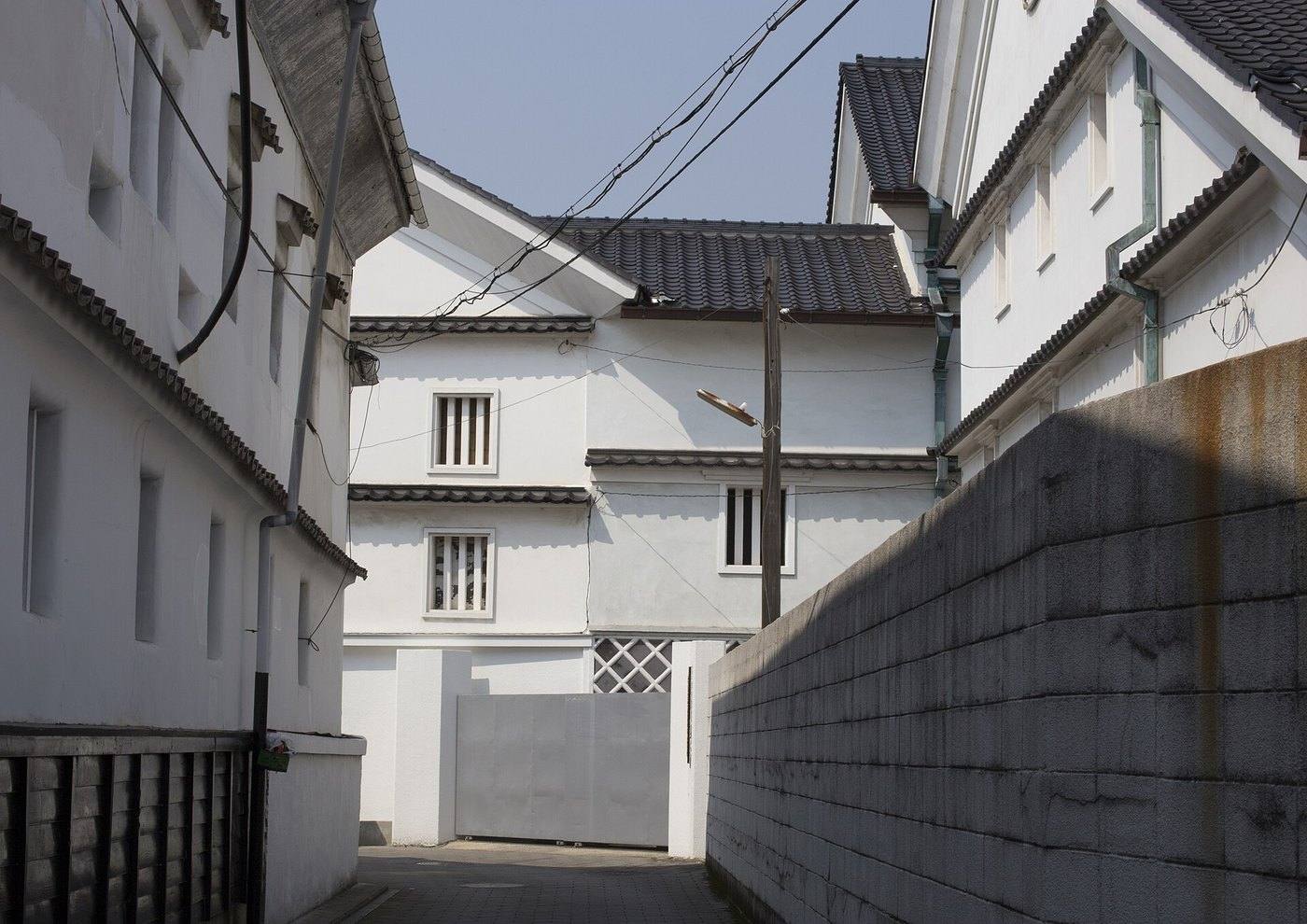
Eight breweries within walking distance of one station, and a festival in October.
Snow country brewing, and the rice to go with it.
Not sake but shochu — distilled from sweet potato, stronger, and the local drink of southern Kyushu.