Teaお茶
Ask for matcha with a sweet and drink it looking at a garden. Five different drinks, and one mistake that ruins all of them: boiling water.
Ask for matcha with a sweet and drink it looking at a garden. Five different drinks, and one mistake that ruins all of them: boiling water.
Japanese green tea is not one drink either. Sencha is the everyday leaf, gyokuro is shaded and expensive, matcha is stone-ground powder whisked with water, hojicha is roasted and brown, and genmaicha has toasted rice in it.
Cool the water first: about seventy degrees. Green tea turns bitter above about 80°C, and sencha is better at 70°C. Let the kettle stand for two minutes, or pour into the cups first and then into the pot — which is what the small extra cups in a tea set are for.
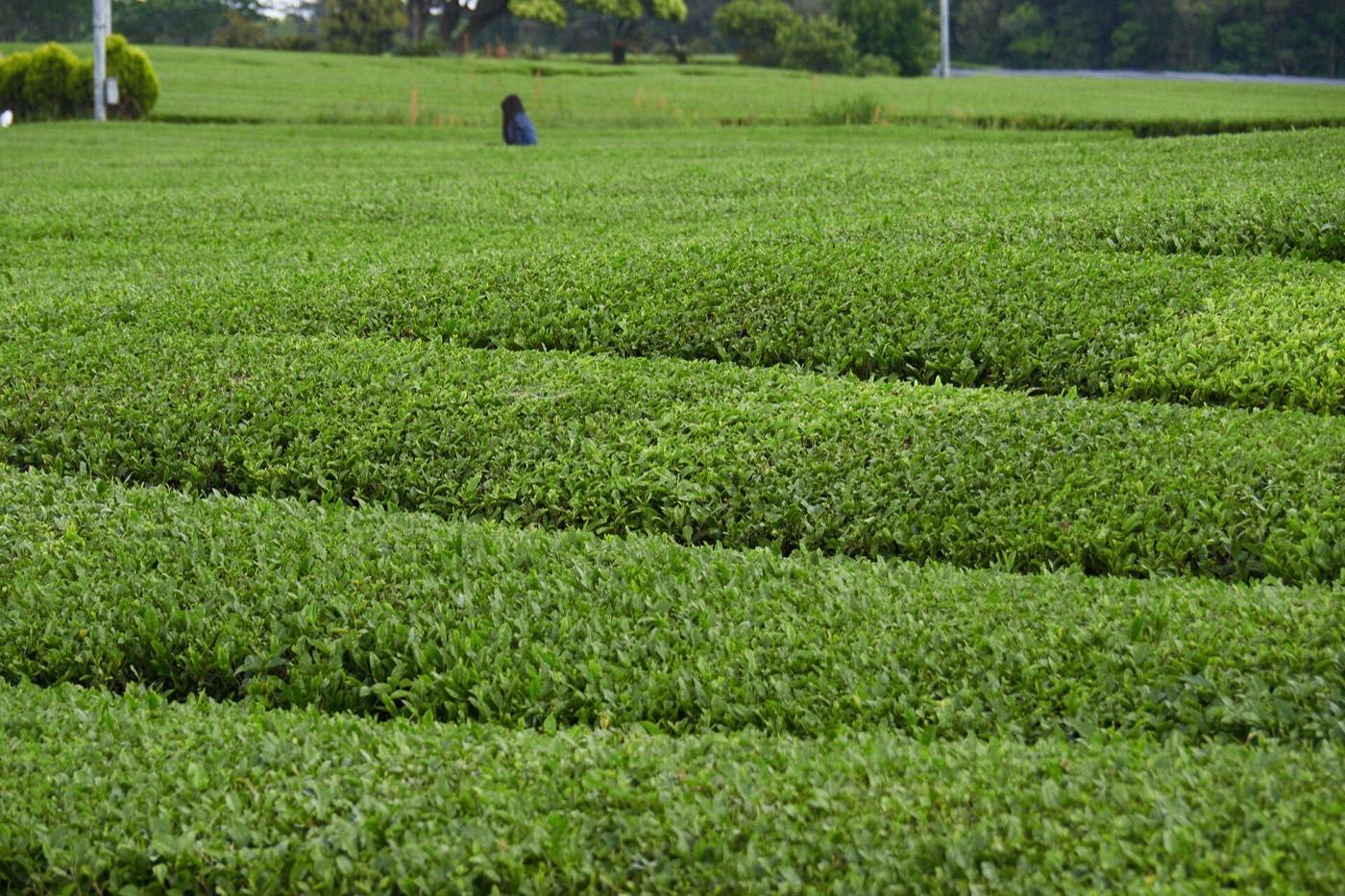
Most of it is grown in Shizuoka, with Uji near Kyoto the historic centre for matcha and gyokuro. New tea — shincha — is picked from late April, and it is the one time of year to drink it fresh where it grew.
A tea house in a garden: a bowl of matcha and one sweet, a few hundred yen, sitting down looking at the garden. Kenrokuen, Korakuen and most Kyoto gardens have one.
A tea shop will brew you a cup of what they sell, and let you smell the leaves first.
A vending machine, honestly. Cold unsweetened green tea from a machine is genuinely good, costs about ¥150, and is on every street in the country.