Eating in Shizuoka
Try these dishes while you are here.
Try these dishes while you are here.
Order the first one and work down the list.
We recommend ordering this one first.
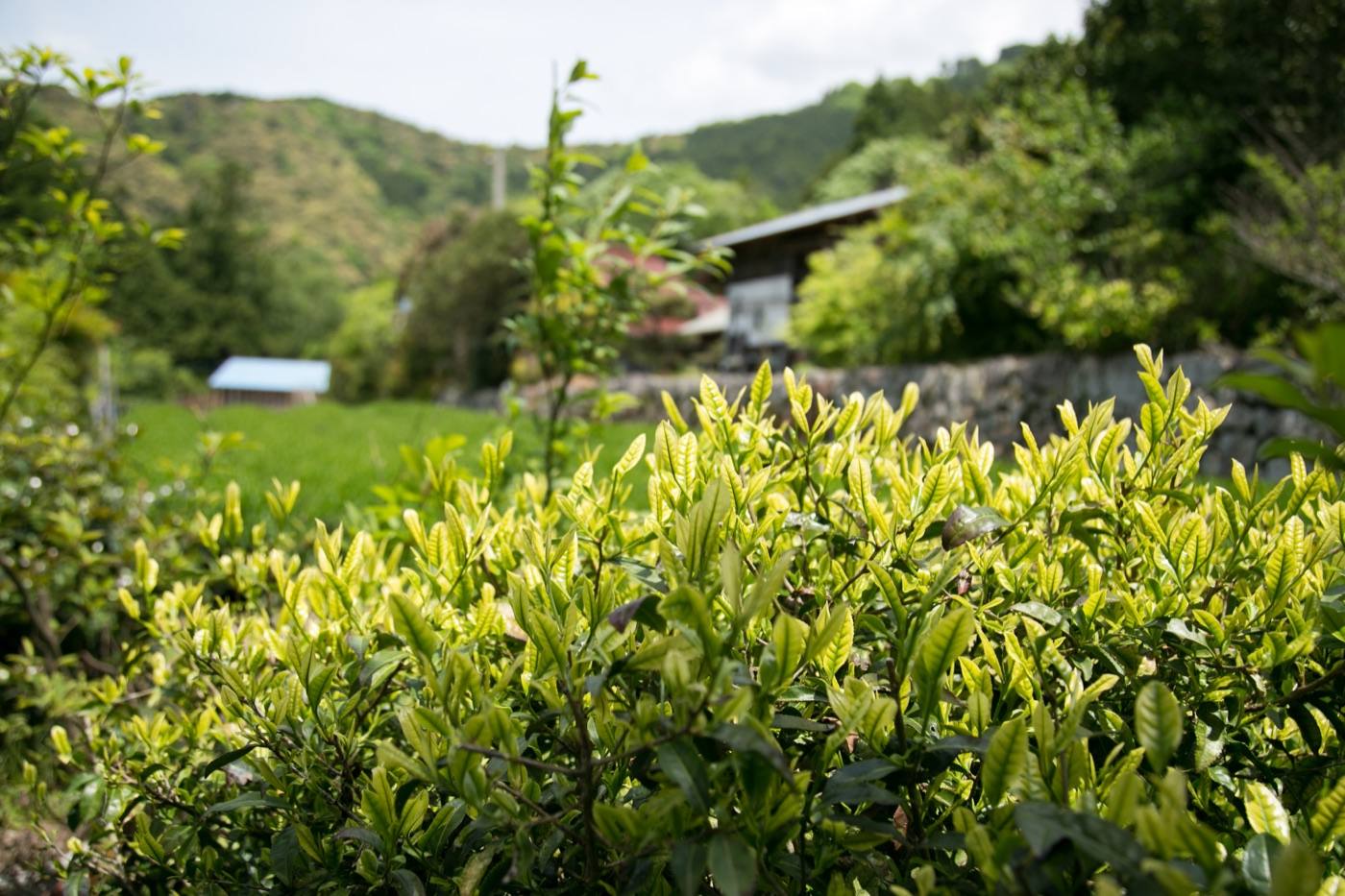
Most of Japan’s tea grows here. New tea is picked from late April and is worth drinking where it grew.
Small pink shrimp from Suruga Bay, eaten raw, boiled or fried into a fritter. Only landed here.
Eel farmed at Lake Hamana for over a century, grilled over charcoal and served on rice.

Everything on skewers in a dark broth, dusted with dried fish powder and eaten standing up.
Small shops, no English sign outside, and worth the walk.
Oden here is not the pale kind. The broth is dark, made with beef tendon, and everything comes on a skewer. You finish it yourself with green seaweed and dried fish powder.
A row of small counters next to Fujisan Hongu Sengen shrine. Fujinomiya yakisoba is fried with firm noodles and sardine powder on top.
Yui is the only port in Japan licensed to fish sakura shrimp. The dining room looks out over the water they come from.
A wasabi farm on the Izu peninsula. They hand you a whole root and a shark-skin grater, and you grate it yourself over rice with dried bonito flakes and soy.
At the foot of the Abe river bridge. The rice cake is pounded fresh, then dusted with soy flour or covered in sweet bean paste.
Kakegawa steams its tea leaves longer than most, which breaks them up and makes the brew cloudy, dark green and thick. Upstairs someone brews it for you and explains the water temperature.
Atami is a hot-spring town on the coast. This shop sells nothing but custard pudding, made here and eaten with a spoon standing outside.
Numazu port faces Suruga Bay, and its trade is fish split open and left to dry. This shop sits inside the market building on the quay.
Yaizu is a tuna port. The market building has a canteen in the basement, and it opens at nine in the morning.
Fujieda has its own ramen habit: a hot bowl and a cold bowl, ordered together, in the morning.