Eating in Niigata
Try these dishes while you are here.
Try these dishes while you are here.
Order the first one and work down the list.
We recommend ordering this one first.
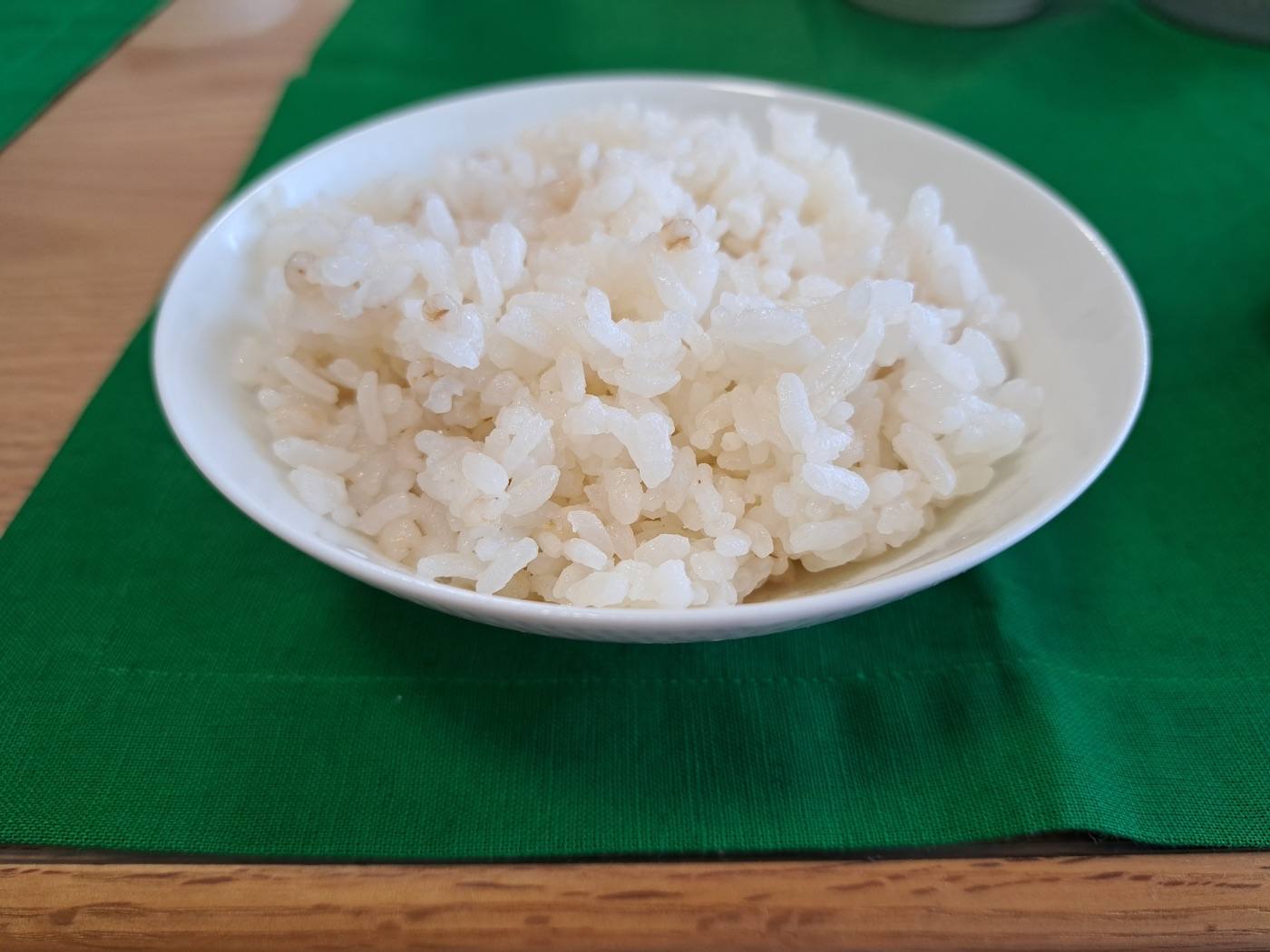
The rice other rice is compared with. Eaten plain, and the difference is obvious even to a visitor.
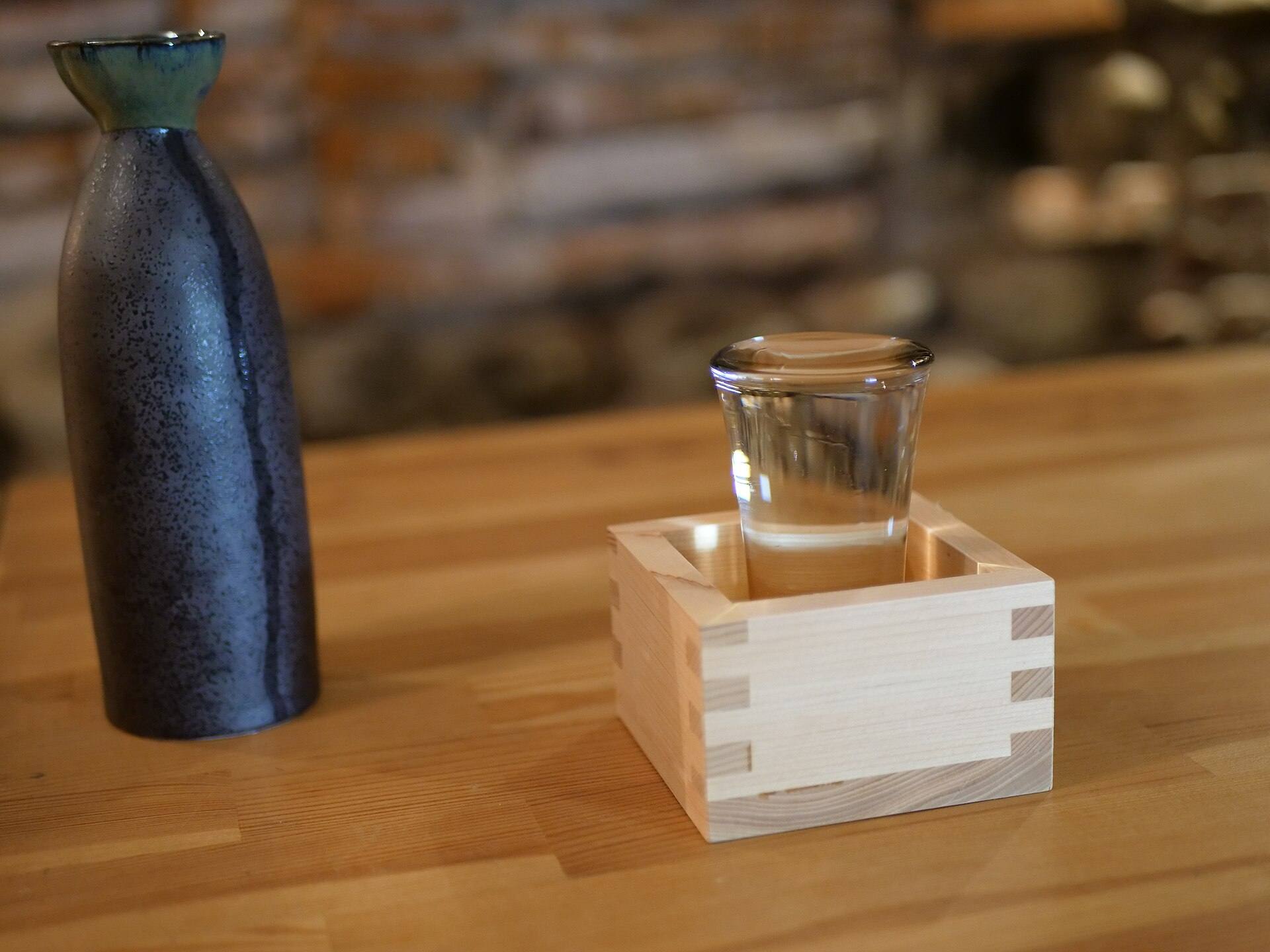
Around ninety breweries, more than any other prefecture. Snowmelt water, and long cold winters.

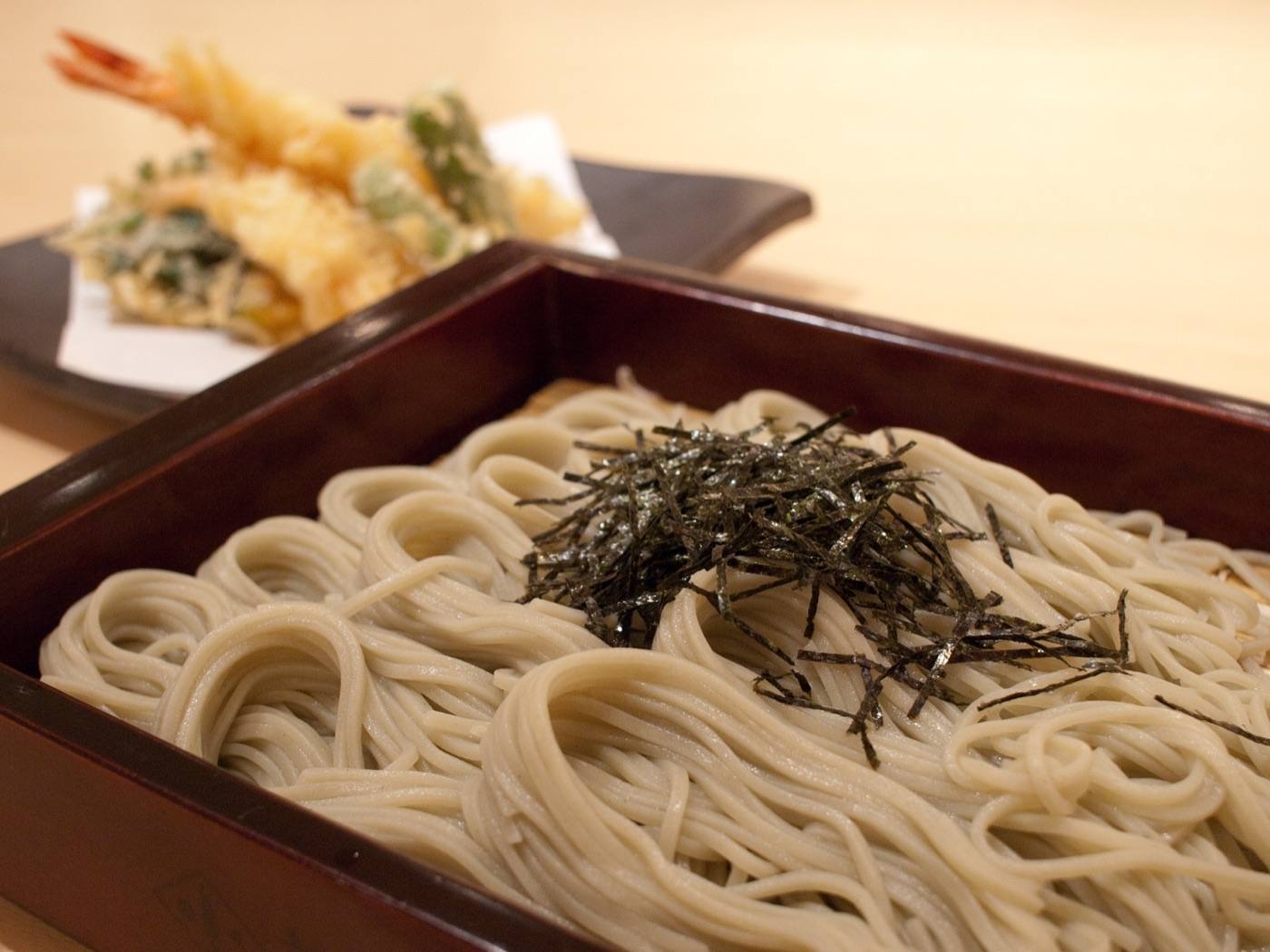
Soba bound with seaweed, served in neat coils on a wooden tray. Firm, and slightly of the sea.
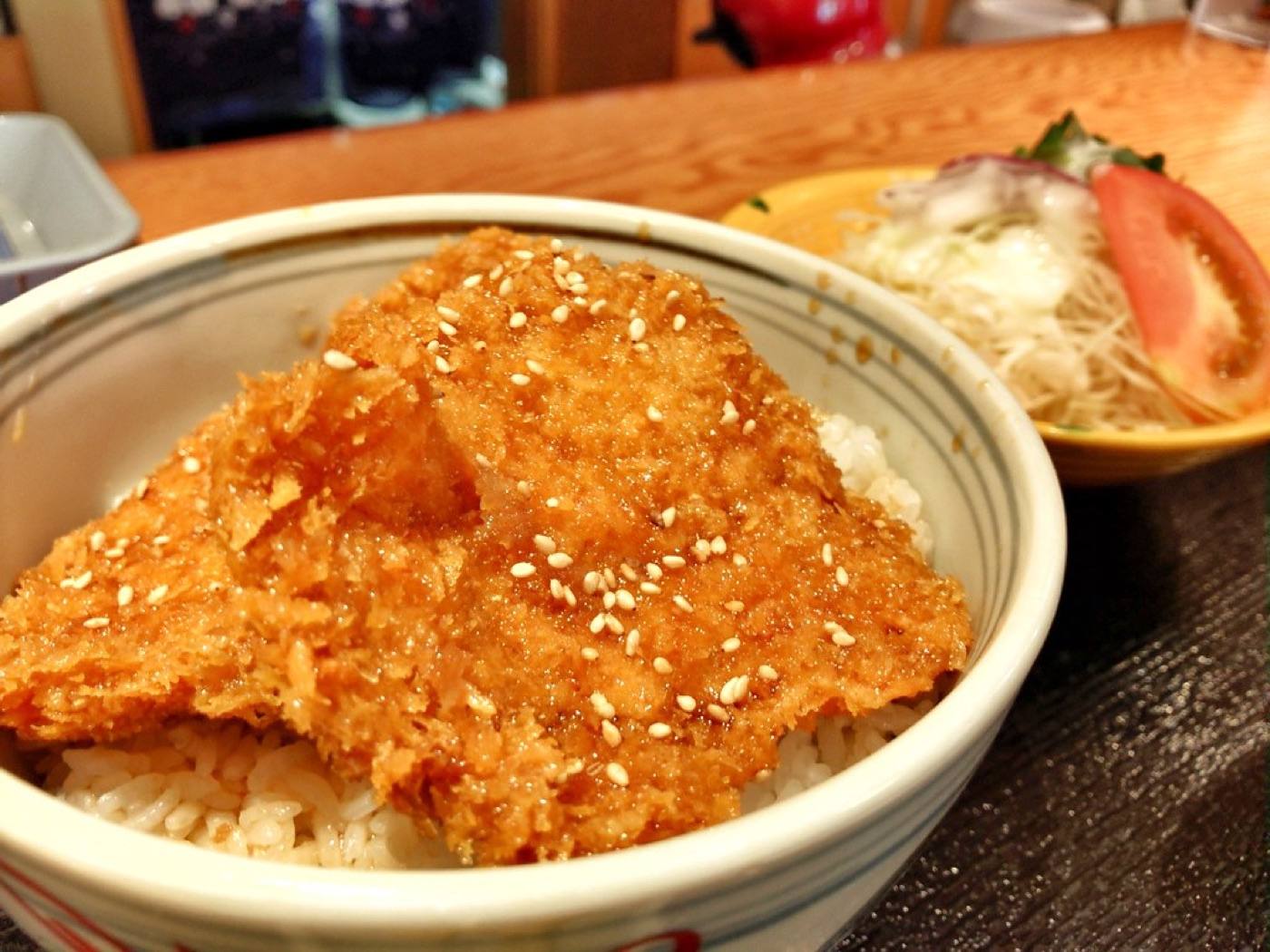
Thin pork cutlets dipped in soy sauce and laid on rice. Lighter than the usual egg-bound version.
Small shops, no English sign outside, and worth the walk.
Buckwheat noodles with seaweed worked into the dough, so they are springy instead of crumbly. They arrive in a wooden box, laid out in small coils that you lift off one at a time.
Hegisoba is buckwheat bound with seaweed and laid on a wooden board in small coils. Firmer and smoother than ordinary soba.
Niigata does not bind its katsudon with egg. Thin pork cutlets are dipped in a sweet soy sauce and laid straight on the rice. This shop started it.
In 1923 a maker here flattened a rice-cracker mould by accident, and the crescent shape that came out was named after a persimmon seed. The shop stands on that spot.
Sasa dango is mugwort-flavoured rice dough around sweet bean paste, tied in bamboo leaves and steamed. Here you watch them being wrapped by hand through the glass.
Niigata brews with snowmelt and grows the rice for it. Inside the shinkansen station a wall of machines pours a hundred sake in small cups, and you put coins in and try them.
Murakami hangs salmon from the beams of its old town houses and leaves them through the winter. The shop stands under those beams, with the fish still overhead.
A soba counter inside the bus centre, where the thing people order is not soba but a yellow curry.
Tsubame floats a thick layer of pork back fat on its soy broth, with very thick noodles underneath.
Seaweed boiled down, worked smooth and set firm into sheets. On Sado they roll it up and cut it thin. Eaten cold with ginger and soy sauce.