Eating in Nagasaki
Try these dishes while you are here.
Try these dishes while you are here.
Order the first one and work down the list.

We recommend ordering this one first.
Noodles in a thick pork-and-seafood broth with vegetables, invented in Nagasaki’s Chinatown.

The same ingredients as champon over crisp fried noodles, with a thickened sauce.
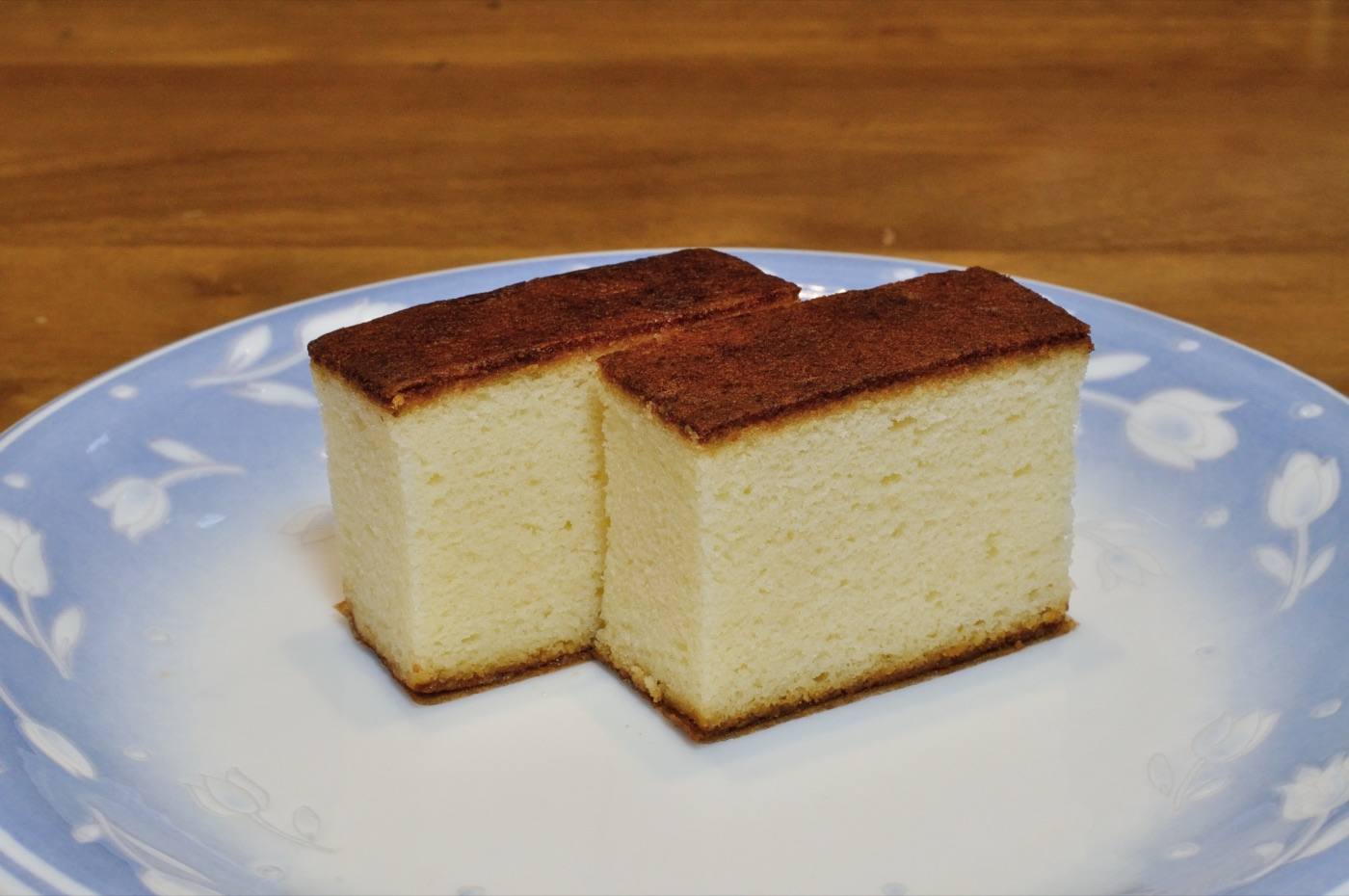
Sponge cake brought by the Portuguese in the sixteenth century. Dense, damp, and still made here.
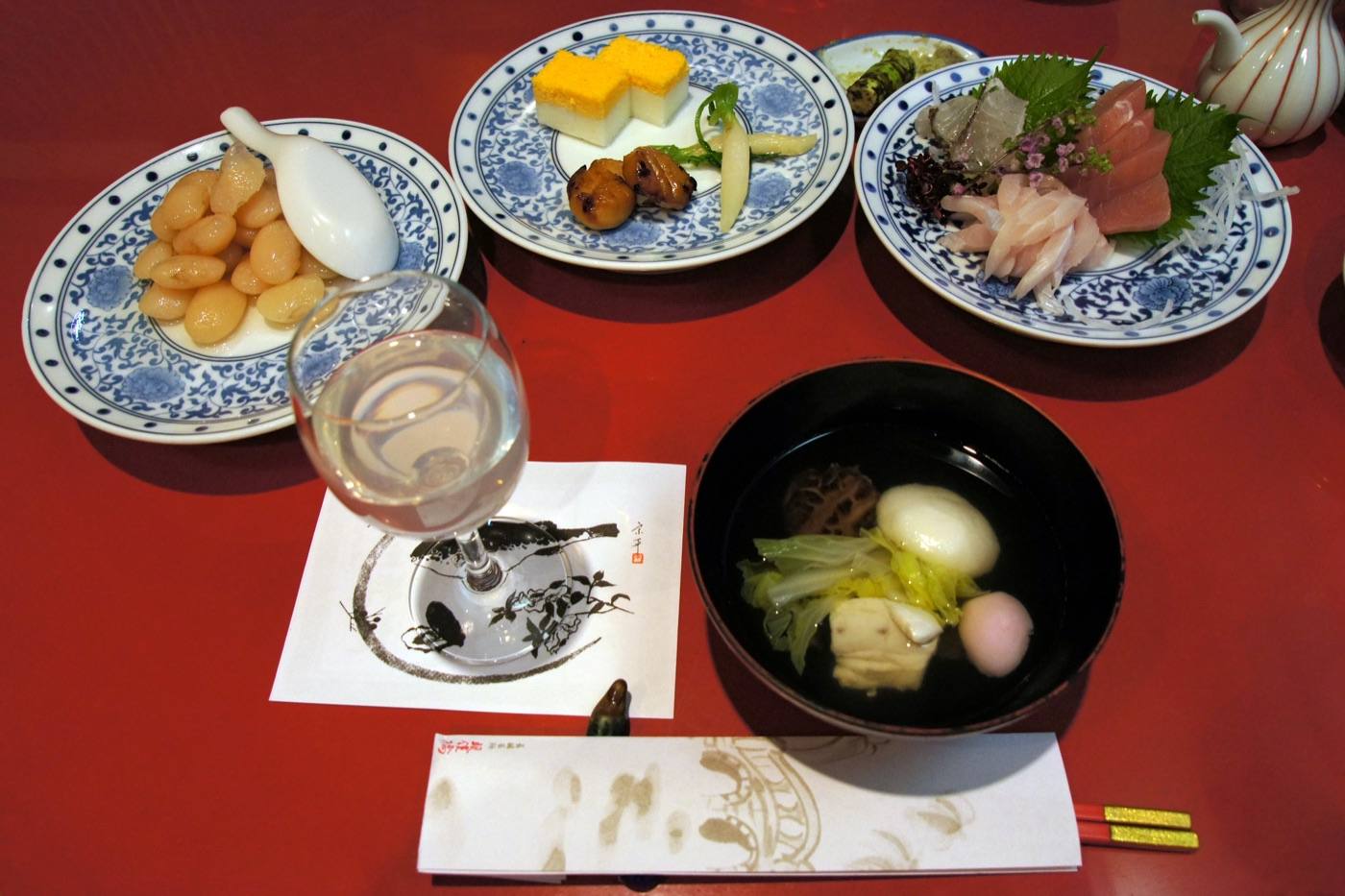
A shared course that mixes Japanese, Chinese and European cooking — the whole history of the port on one table.
Small shops, no English sign outside, and worth the walk.
A chanpon shop in a quiet residential street, in what was somebody’s house. People in Shimabara send visitors here rather than to the shops on the main road.
Champon is noodles in a thick pork and seafood broth. This one looks over Nagasaki harbour from the upper floor, near the Oura church slope.
Portuguese traders brought the recipe to Nagasaki in the 1500s. This shop has been baking it since 1624, one pan at a time, with sugar crystals left at the bottom.
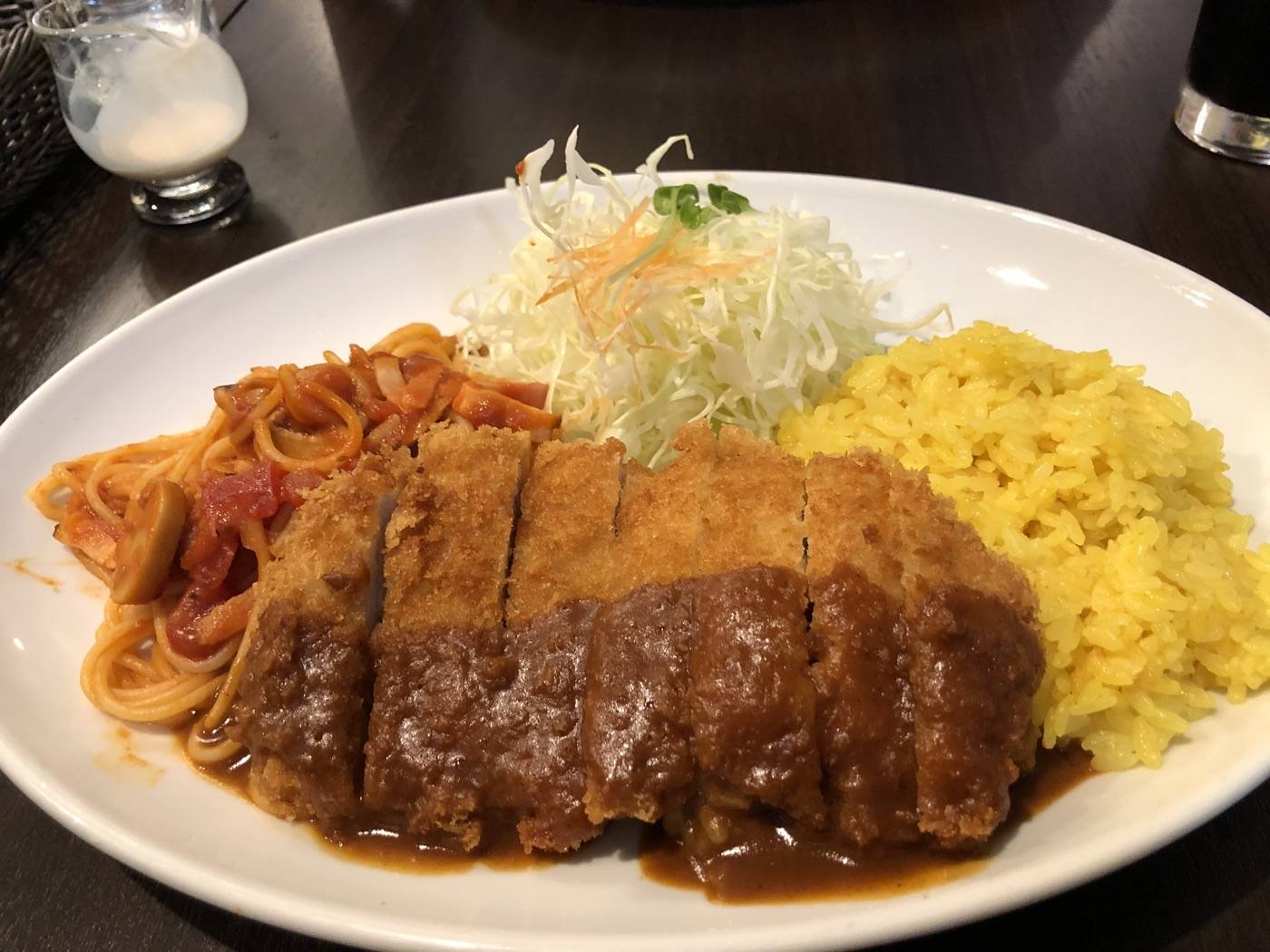
Turkish rice is pilaf, spaghetti and a pork cutlet side by side under curry sauce. Nobody agrees why it is called that. This tearoom has been open since 1925.
Pork belly simmered for hours in soy and sugar until it falls apart, then folded into a soft steamed bun. Sold to take away, and there are tables inside with free tea.
Casdoce is castella dipped in egg yolk, fried in syrup and rolled in sugar. Hirado traded with Portuguese ships, and the sweet is still made here.
Shimabara runs on spring water. It surfaces in the streets, carp swim in the channels, and this house sits on one of the springs and chills its dumplings in it.
Hatoshi is prawn paste pressed between slices of bread and deep fried — the name comes from Chinese. This shop in the Chinatown makes its own by hand.
Rice is spread in a shallow wooden box, layered twice with toppings, pressed, and cut into squares. The white fish is boiled and flaked, and a lot of sugar goes in.