Eating in Kochi
Try these dishes while you are here.
Try these dishes while you are here.
Order the first one and work down the list.
We recommend ordering this one first.
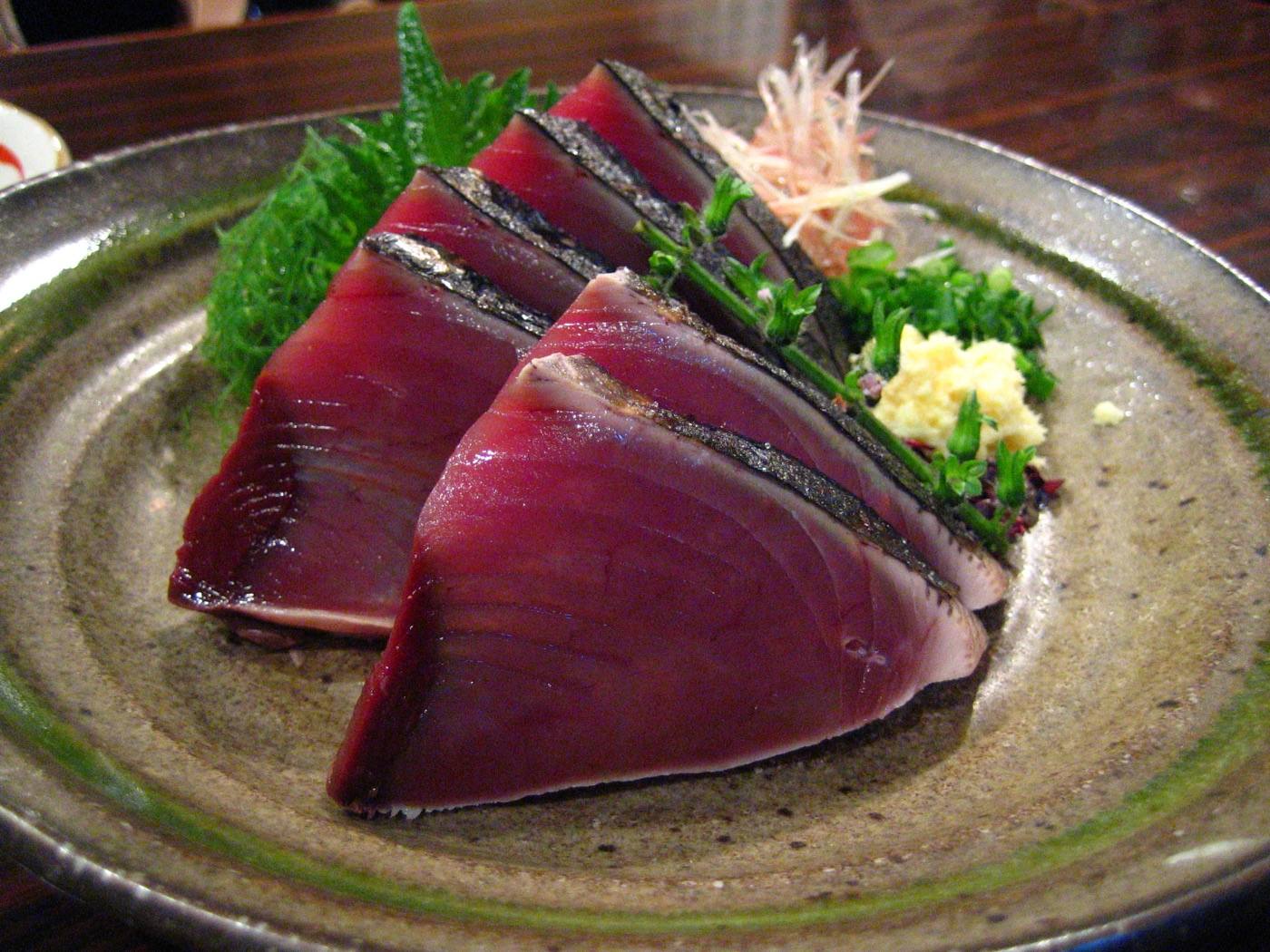
Bonito seared hard over burning straw, sliced thick and eaten with salt. The flame is done in front of you.
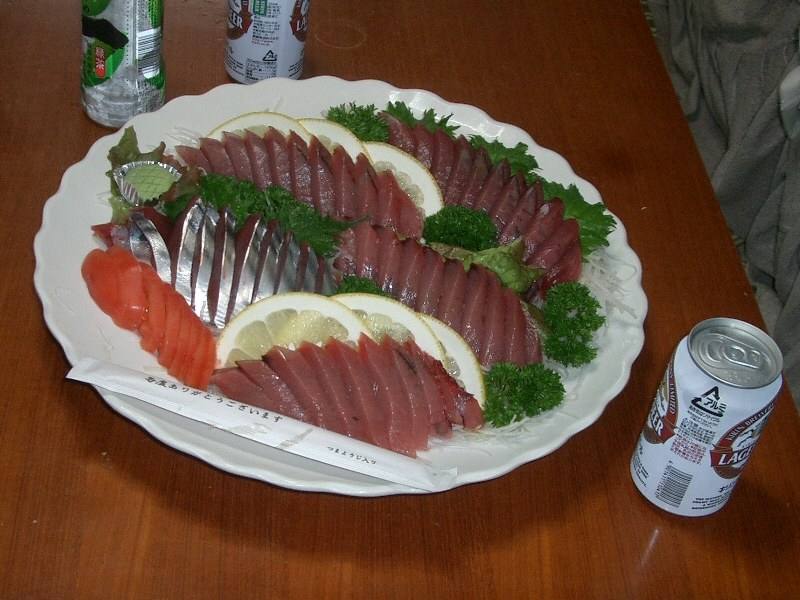
A huge platter of everything at once — sashimi, sushi, fried food — put in the middle of the table.

Most of Japan’s yuzu grows here. Squeezed over fish, made into a hot drink, or a sharp seasoning paste.
Free-range chicken from the river valley, grilled or in a hotpot with local vegetables.
Small shops, no English sign outside, and worth the walk.
Ramen in a broth of tiny freshwater clams. The shop opens at eight in the evening and runs until two — this is food for the end of a night, not for lunch.
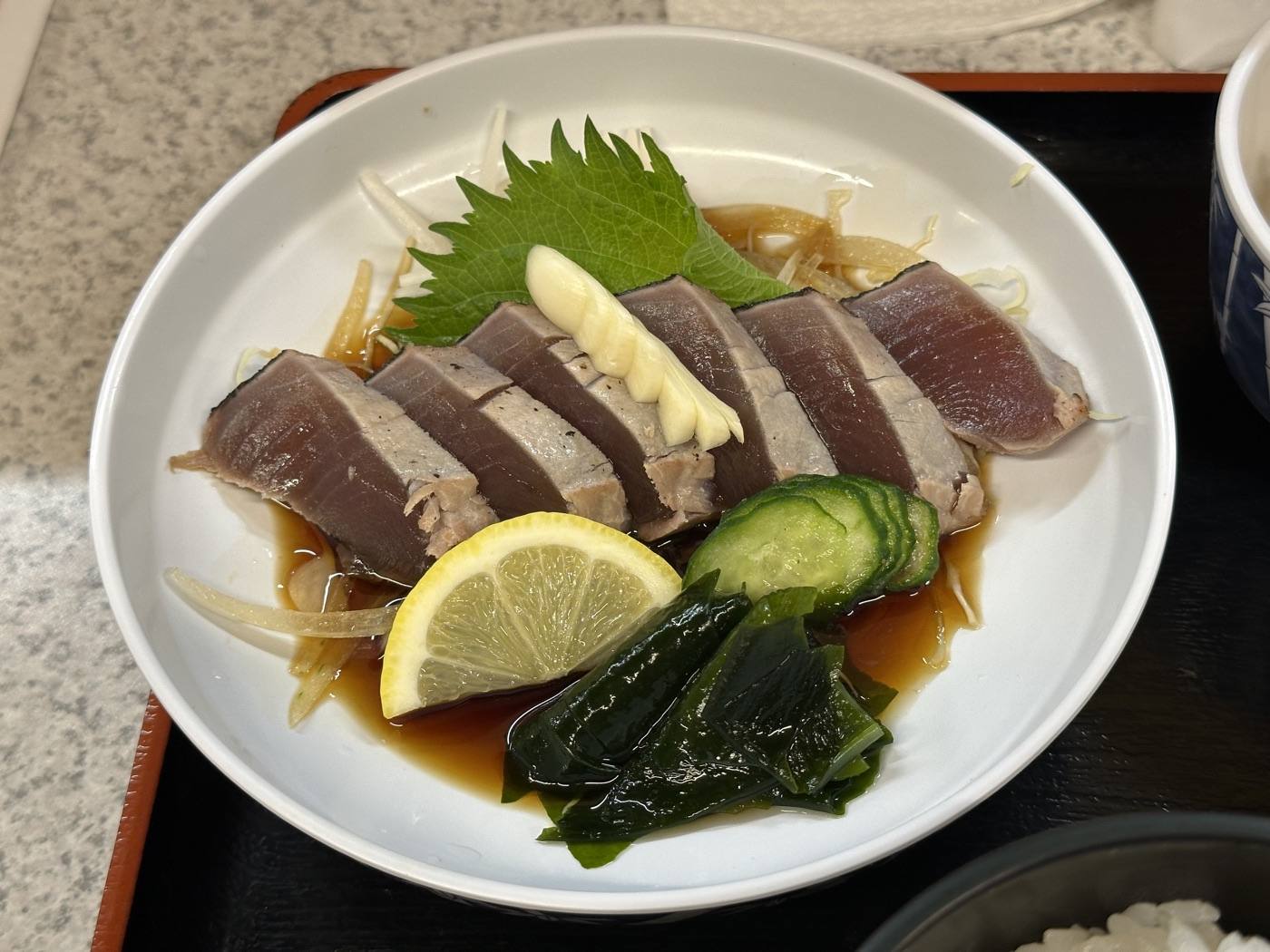
Bonito seared over burning straw so the outside chars and the inside stays raw. Eaten with salt rather than sauce. Inside a covered market of counters.
About three hundred stalls along a kilometre of road running east from the castle gate. Farmers sell what they dug that morning, and there is food to eat standing.
Imo-kenpi is sweet potato cut into batons, fried, and rolled in sugar while hot. Kochi eats more of it than anywhere. Here they also make a salted version.
Aisukurin has almost no fat in it, so it is light and grainy and melts fast. Kochi has eaten it since the war. This shop sits on the bank of the Niyodo river.
Umaji is a mountain village where almost every farm grows yuzu. The co-operative presses the fruit here and bottles it, and the shop sells what comes off the line.
The Shimanto runs wide and shallow under low bridges built without railings. This place sits on its bank and cooks what comes out of the water.
Kinme, the splendid alfonsino, comes up off Cape Muroto. This place serves it over rice, and has a version with the raw fish as well.
A ramen from Susaki, served in a one-person clay pot that is still bubbling when it reaches you. Susaki’s tourism association says locals eat it three ways: breaking the egg into the soup, sinking it whole, or sukiyaki-style.