Eating in Kagawa
Try these dishes while you are here.
Try these dishes while you are here.
Order the first one and work down the list.
We recommend ordering this one first.
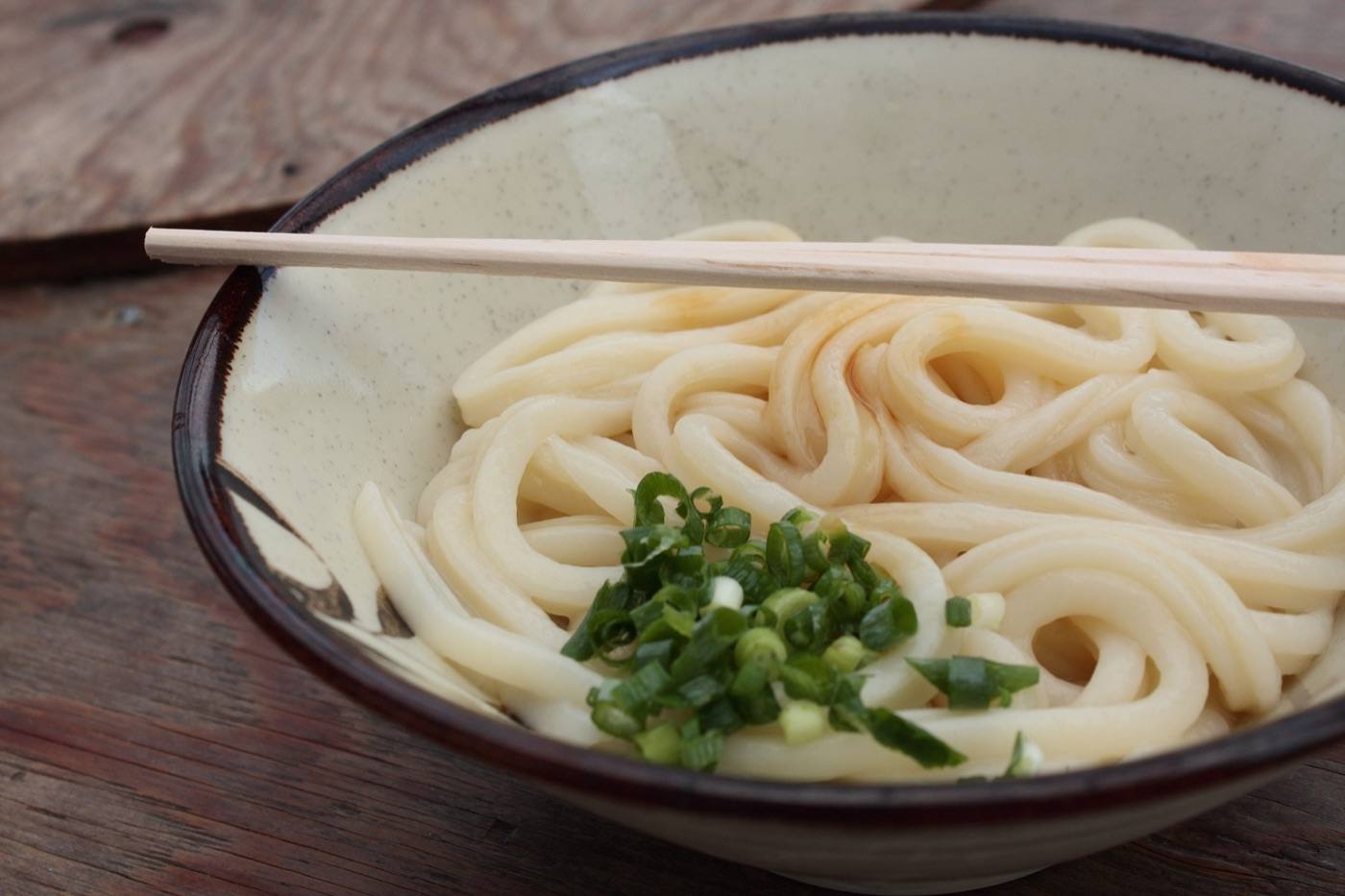
The staple, not a speciality. Hundreds of shops, some self-service sheds where you boil your own bowl.
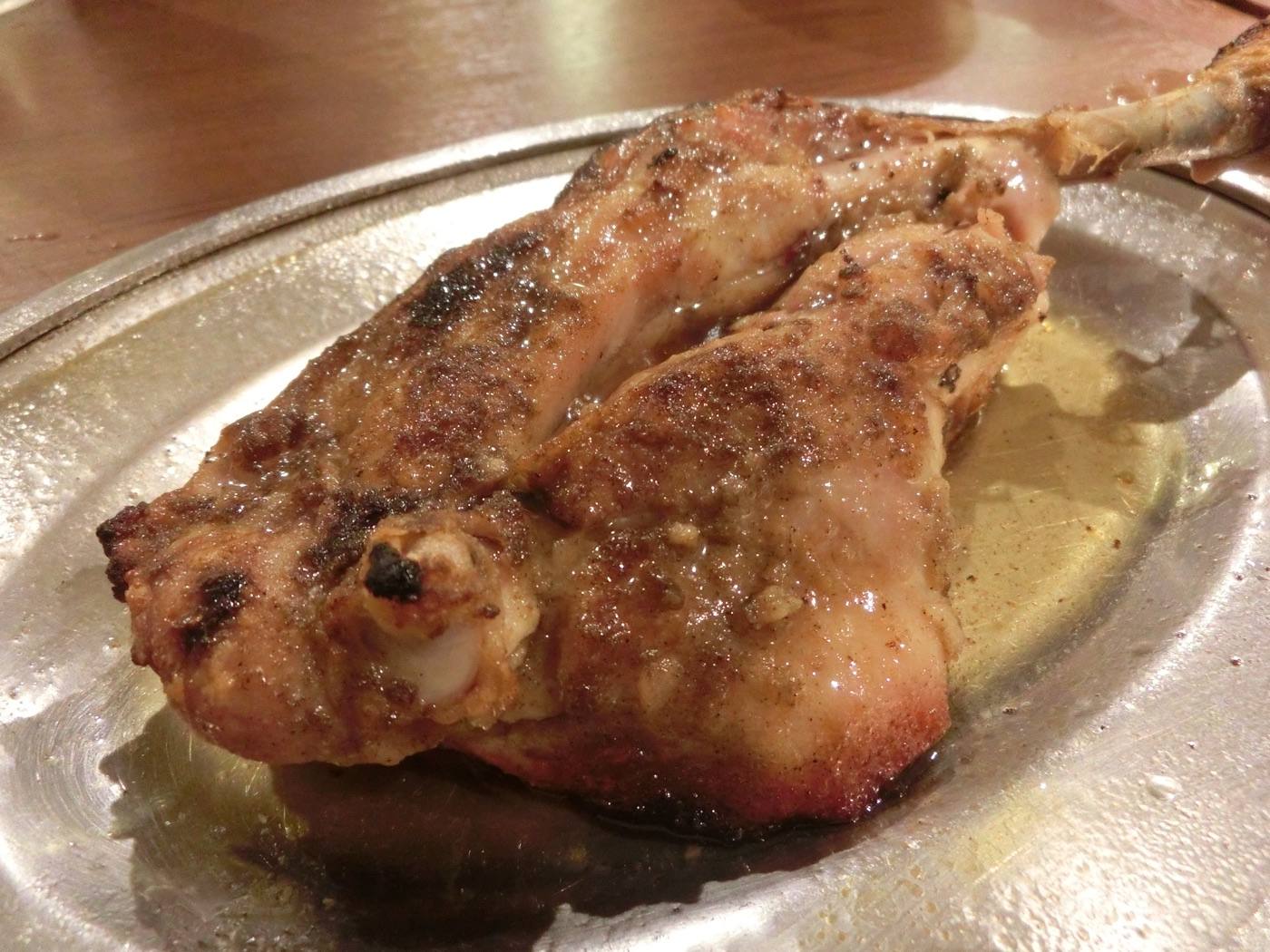
A whole chicken leg roasted with garlic and pepper, served with scissors to cut it yourself. Marugame’s dish.
Japan’s olives grow on Shodoshima. Oil, pickled olives, and olive-fed beef.
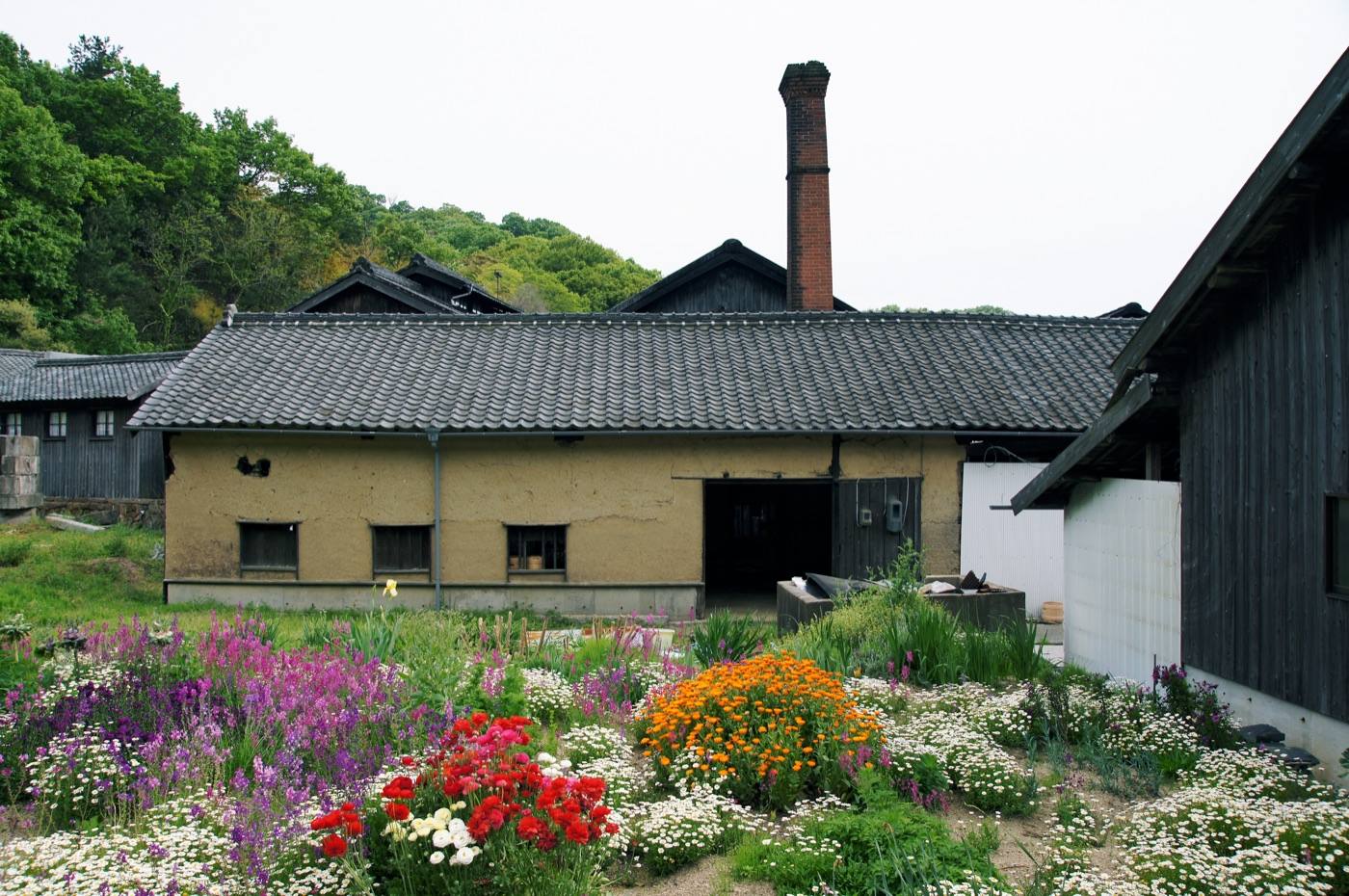
Wooden-barrel soy sauce brewed on the same island for four hundred years. Buy it at the brewery.
Small shops, no English sign outside, and worth the walk.
A whole chicken leg, spiced and roasted until the skin is browned, served on the bone. Kagawa is known for its udon — this is what people here order in the evening instead.
Sanuki udon in a thatched building near Yashima. The noodles come to the table in the pot they were boiled in, and you dip them.
Shodoshima has stretched somen by hand for four hundred years. Here you eat it raw-fresh, the day it is made, which almost never leaves the island.
Kompira shrine sits at the top of 785 stone steps, and the town below sells things to eat before the climb. These buns are shaped like a cone of moxa, with egg-yolk paste inside.
Shodoshima planted Japan's first olive trees in 1908, and the climate suited them. This is a working grove with a shop and a restaurant looking over the sea.
Sakaide was a salt town, and the salt pans boiled seawater down in iron cauldrons. This sweet is moulded in that shape, with white bean paste and egg yolk inside.
The approach to Konpira-san starts here and climbs 785 stone steps. This shop opens at eight, so you can eat before the climb rather than hunt for a meal after it.
Naoshima is the island people cross to for the art. This place cooks brown rice and a plate of vegetables, and keeps vegan dishes on the menu.
Takoyaki batter and filling, baked in the round iron mould normally used for imagawa-yaki cakes. The size and shape of a cake, the taste of takoyaki.