Eating in Hiroshima
Try these dishes while you are here.
Try these dishes while you are here.
Order the first one and work down the list.
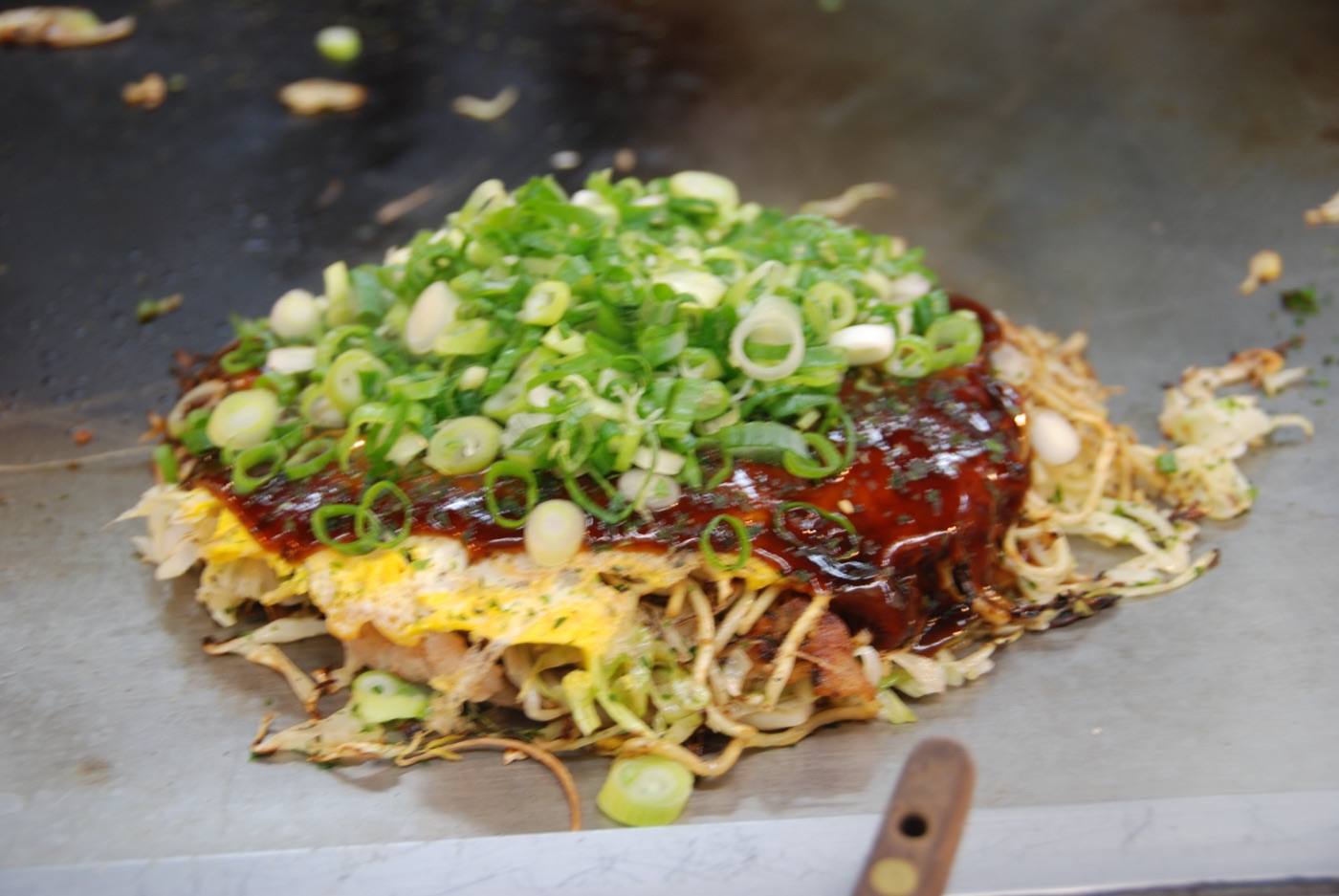
We recommend ordering this one first.
Layered rather than mixed: batter, a mountain of cabbage, noodles and an egg, built up in front of you.
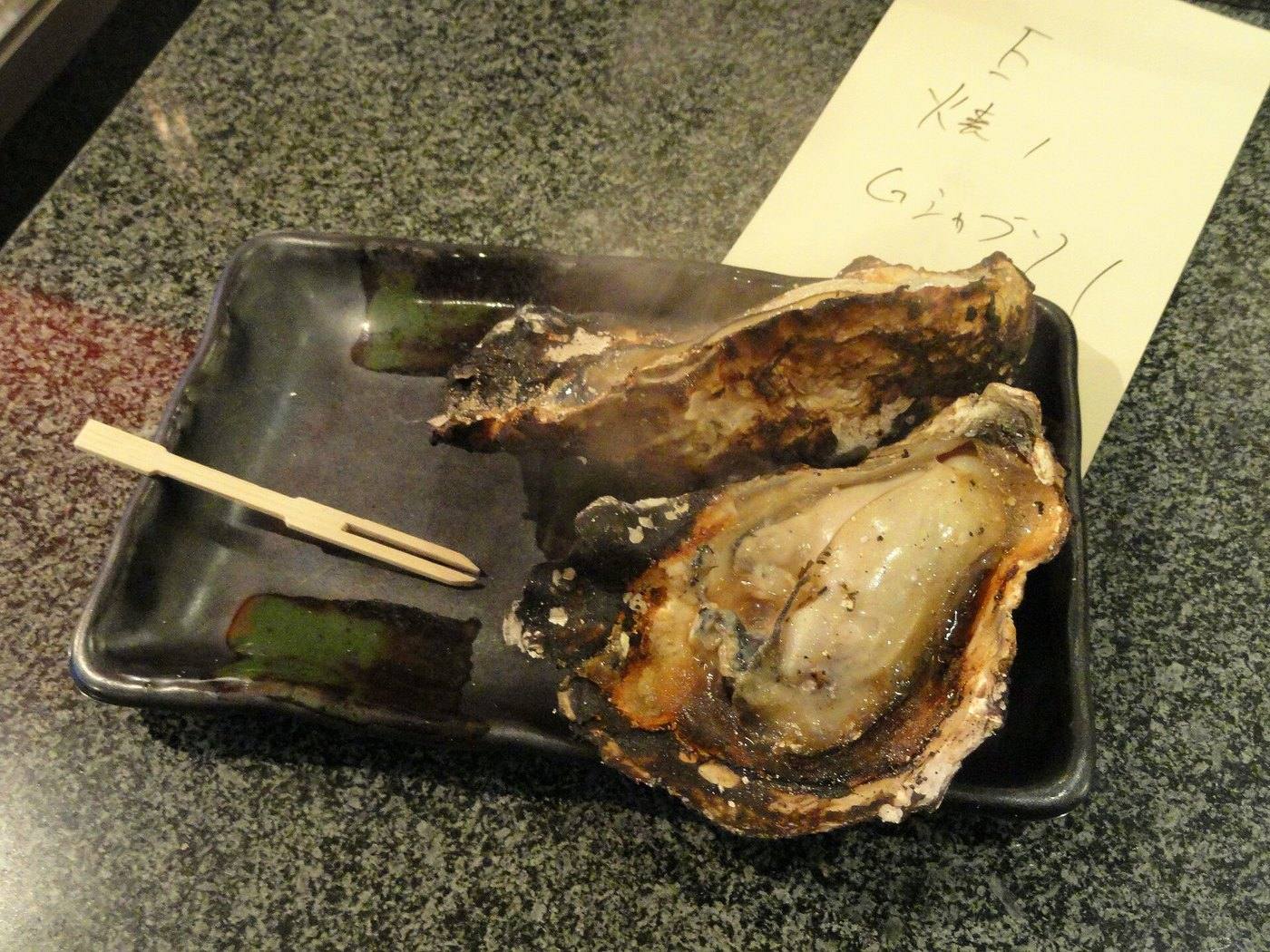
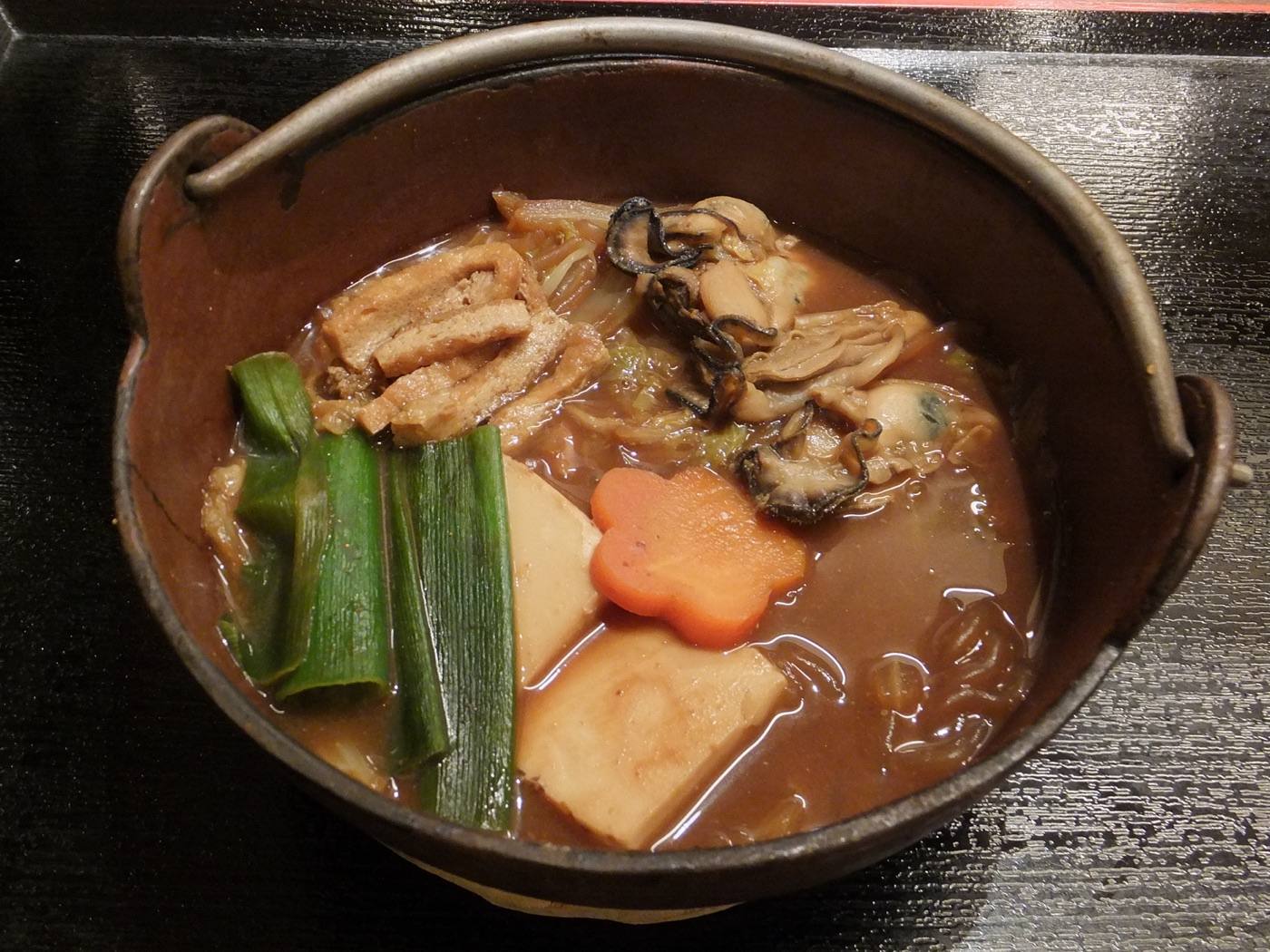
Most of Japan’s farmed oysters come from this bay. Grilled at stalls on Miyajima in winter.
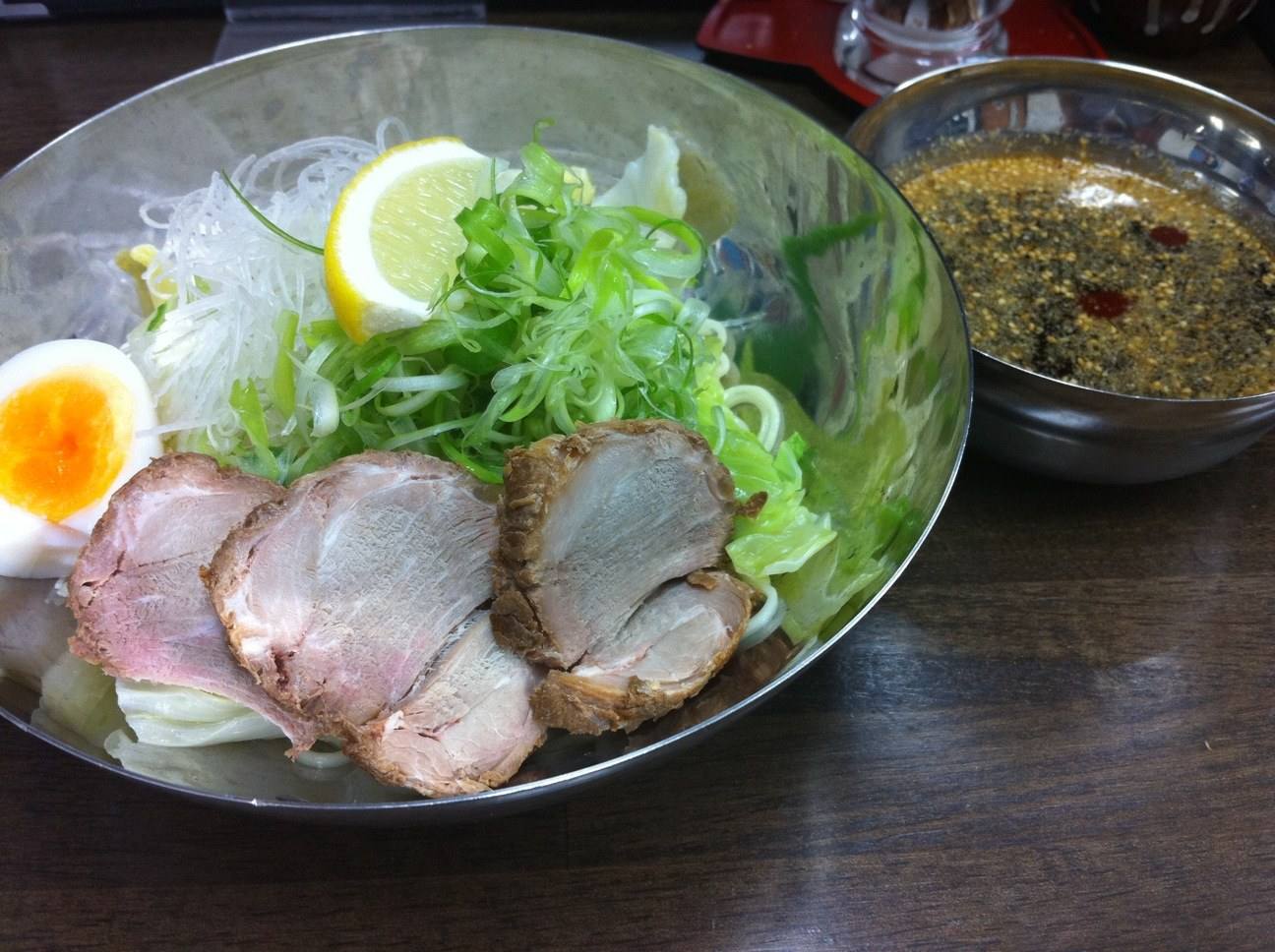
Cold noodles dipped in a chilli sauce, with cabbage and boiled egg. Hotter than it looks.

Conger eel grilled and laid over rice cooked in its broth. Sold at Miyajimaguchi station for a century.
Noodles cut thick and chewy, with the shop’s own dashi poured over them. A small place four minutes from Fukuyama station.

A cake shaped like a maple leaf with sweet bean paste inside. Buy them warm off the griddle on the street to the shrine on Miyajima.
Small shops, no English sign outside, and worth the walk.
Worth going out of your way for
Hiroshima is known for other things, and this is udon. A small shop three minutes from the shinkansen station making it in the Sanuki style — chewy, firm, and cut thick. Lunch only, cash only, and under ¥1,000. It is the cheapest good meal you will find beside a shinkansen platform — and the castle is a five-minute walk from the door.
Hiroshima builds okonomiyaki in layers rather than mixing it, and puts noodles inside. Four minutes from Hatchobori tram stop.
One street back from the ferry, halfway along the shopping arcade. The kitchen cooks oysters and nothing else — grilled, fried, in oil, raw.
Right by the pier for Miyajima. The eel is grilled over charcoal and laid on rice cooked in the stock from its own bones. Sold as a boxed lunch as well as at tables.
Momiji manju are small sponge cakes pressed in a maple-leaf mould. They were made for Miyajima, where the maples are, and are now what everyone carries home from Hiroshima.
Onomichi ramen is a clear soy broth from small fish, with lumps of minced pork back fat floating on top and flat noodles under it. The shop is a counter with a handful of seats.
Takehara kept the streets it built with salt money. This tea house stands at the far end of them and serves soba on a roof tile moulded as a demon’s face.
The sea off Mihara gives up octopus that people here call yassa-dako. This small place cooks it several ways, three minutes from the station.
Fuchu City has its own okonomiyaki. The town’s own association describes it as minced beef or pork instead of sliced pork, and no bean sprouts. This shop seats thirteen people, so you may wait.