Eating in Yamanashi
Try these dishes while you are here.
Try these dishes while you are here.
Order the first one and work down the list.
We recommend ordering this one first.
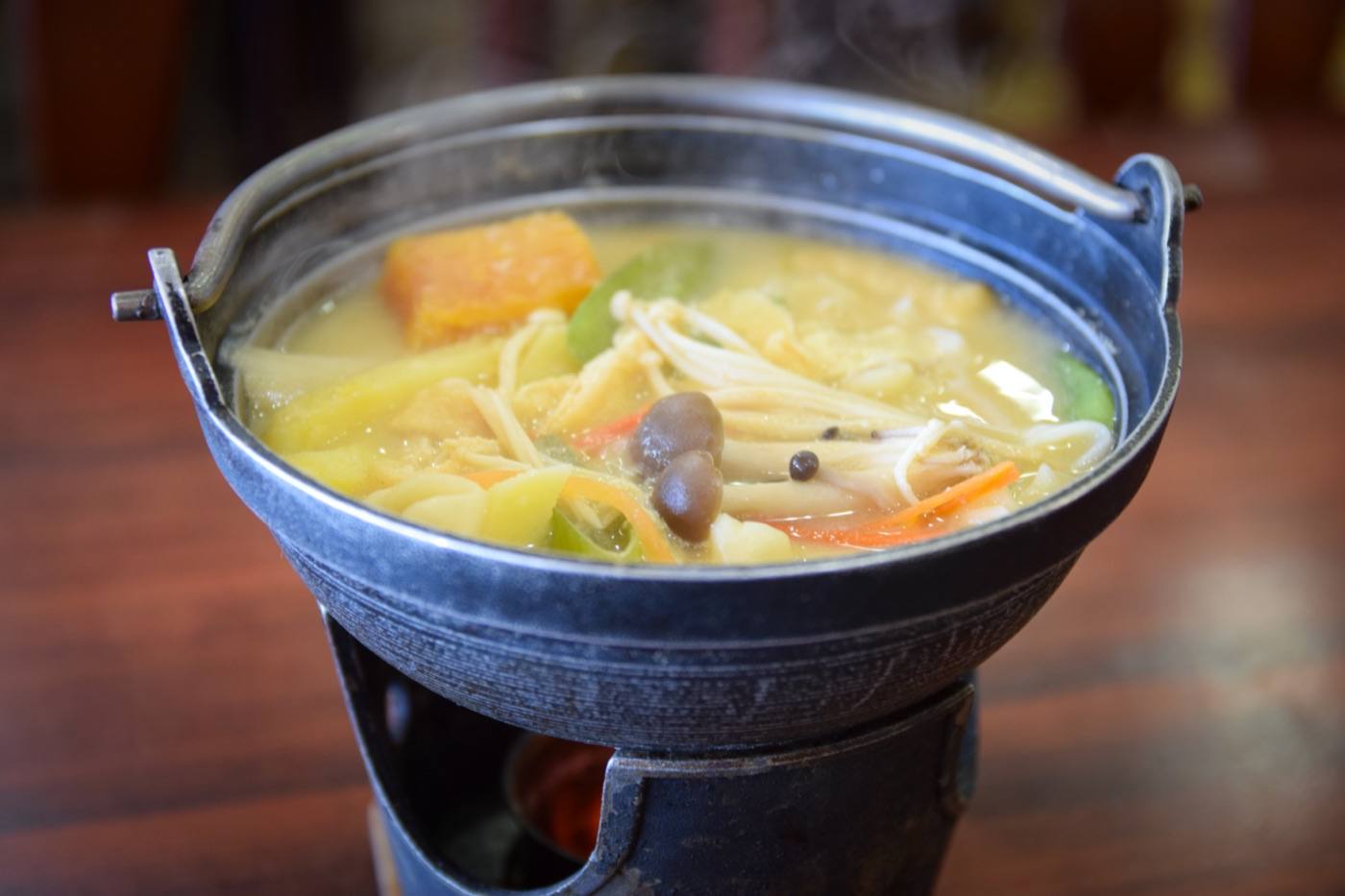
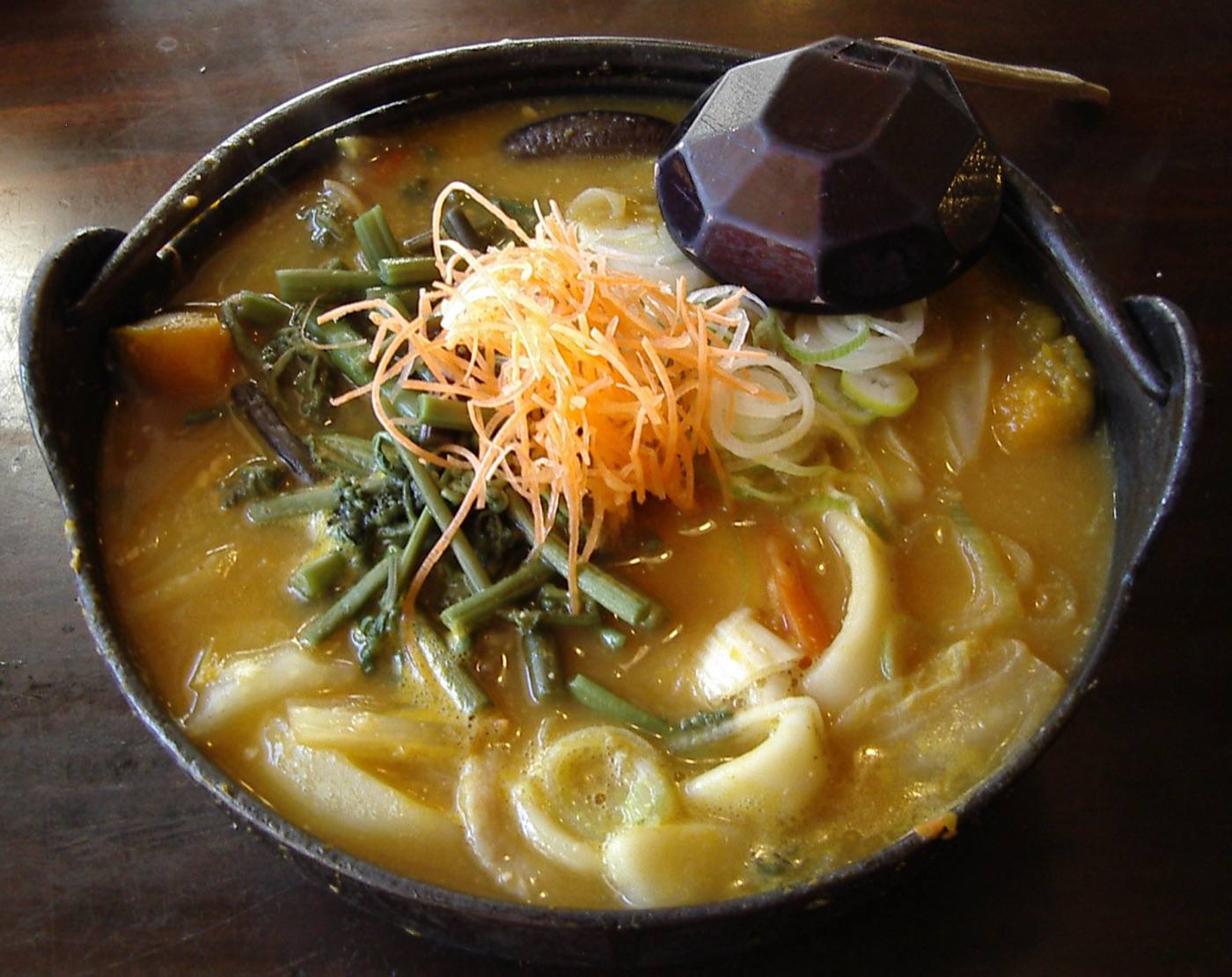
Flat wheat noodles simmered with pumpkin and vegetables in miso. Thick enough to be a meal on its own.
Katsunuma has around thirty small wineries, most within walking distance of one station, pouring for a few hundred yen.

Very firm udon in a miso-soy broth with cabbage and horse meat. Chewier than any other udon in Japan.
The valley grows both, and farms open for picking from July. Shine Muscat is the one people take home.
Small shops, no English sign outside, and worth the walk.
Flat wheat noodles simmered with pumpkin and vegetables in miso — the noodles go in raw, so the broth thickens as it cooks. The roof is built to look like a low cloud, near Lake Kawaguchi with Mt. Fuji behind it.
Chicken hearts and livers boiled down in sweet soy until the sauce is almost dry. Eaten with hand-cut soba. Two minutes from Kofu station.
Rice cakes in soy flour with black sugar syrup, wrapped by hand in plastic sheets tied at the top. You can watch the wrapping from a walkway. Entry is free.
Fuji-Yoshida makes the firmest udon in Japan — thick, uneven and genuinely chewy. The broth mixes miso and soy, and cabbage and horse meat go on top.
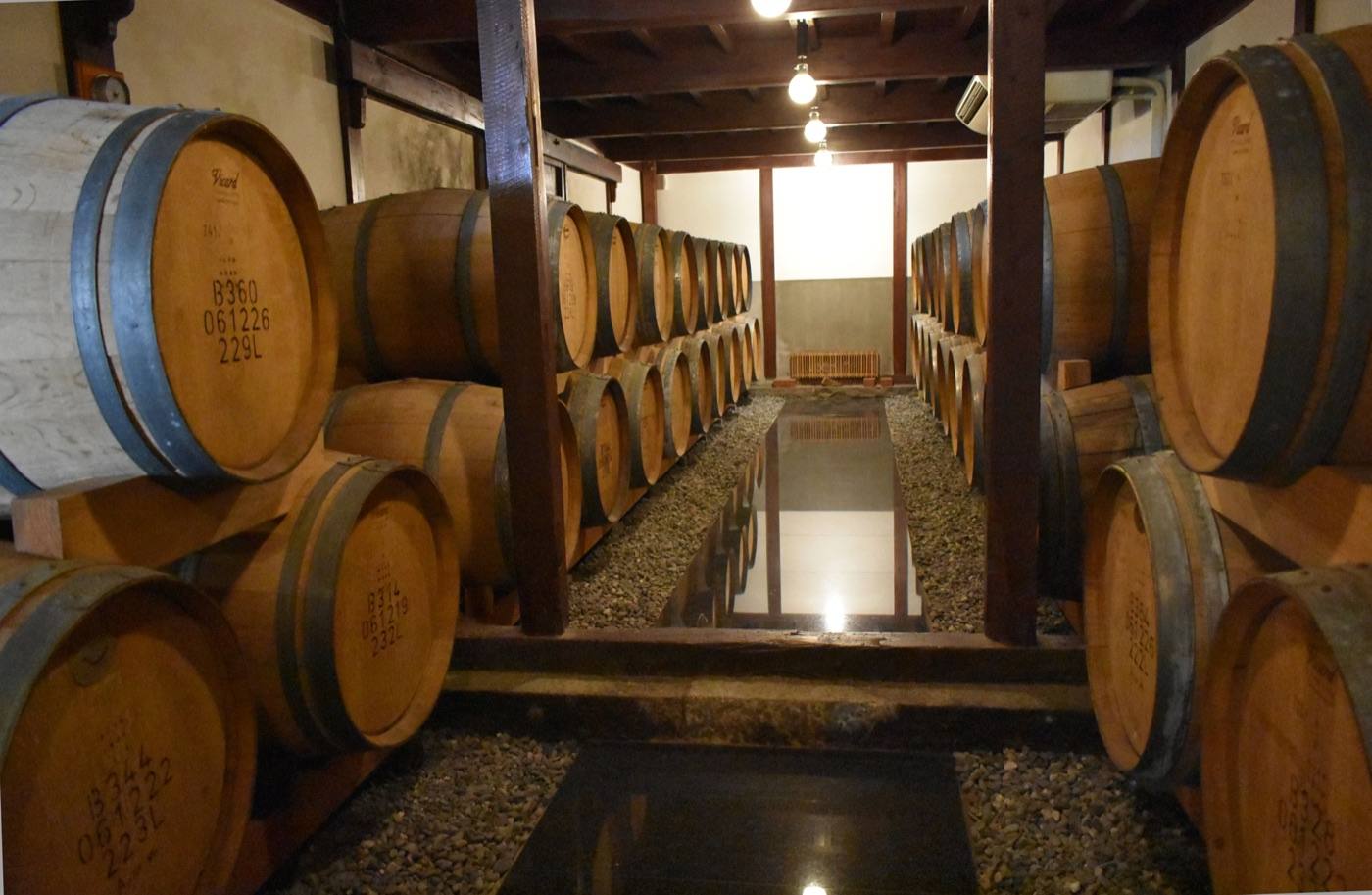
Koshu is a pale pink grape that has grown in this valley for centuries and makes a dry white with almost no colour. The cellar here is dug into the hillside.
Yuba is the skin that forms on hot soy milk, lifted off and dried. This shop on the approach to Kuon-ji temple sells it dried, along with dried shiitake mushrooms.
Kiyosato sits on the southern slope of Yatsugatake. The Jersey herd kept here is milked for the ice cream, and a bakery works in the same building.
Kurodama is a ball of green pea paste wrapped in a shell of black sugar jelly. There is a cafe inside the shop, so you can sit down with one.
Otsuke-dango is a soup that Otsuki families have made at home: seasonal vegetables and dumplings of wheat flour mixed with water. Here it comes as part of a set.