Eating in Yamagata
Try these dishes while you are here.
Try these dishes while you are here.
Order the first one and work down the list.

We recommend ordering this one first.
Most of Japan’s cherries grow here, and they are picked in June. Sold at the roadside for a fortnight.
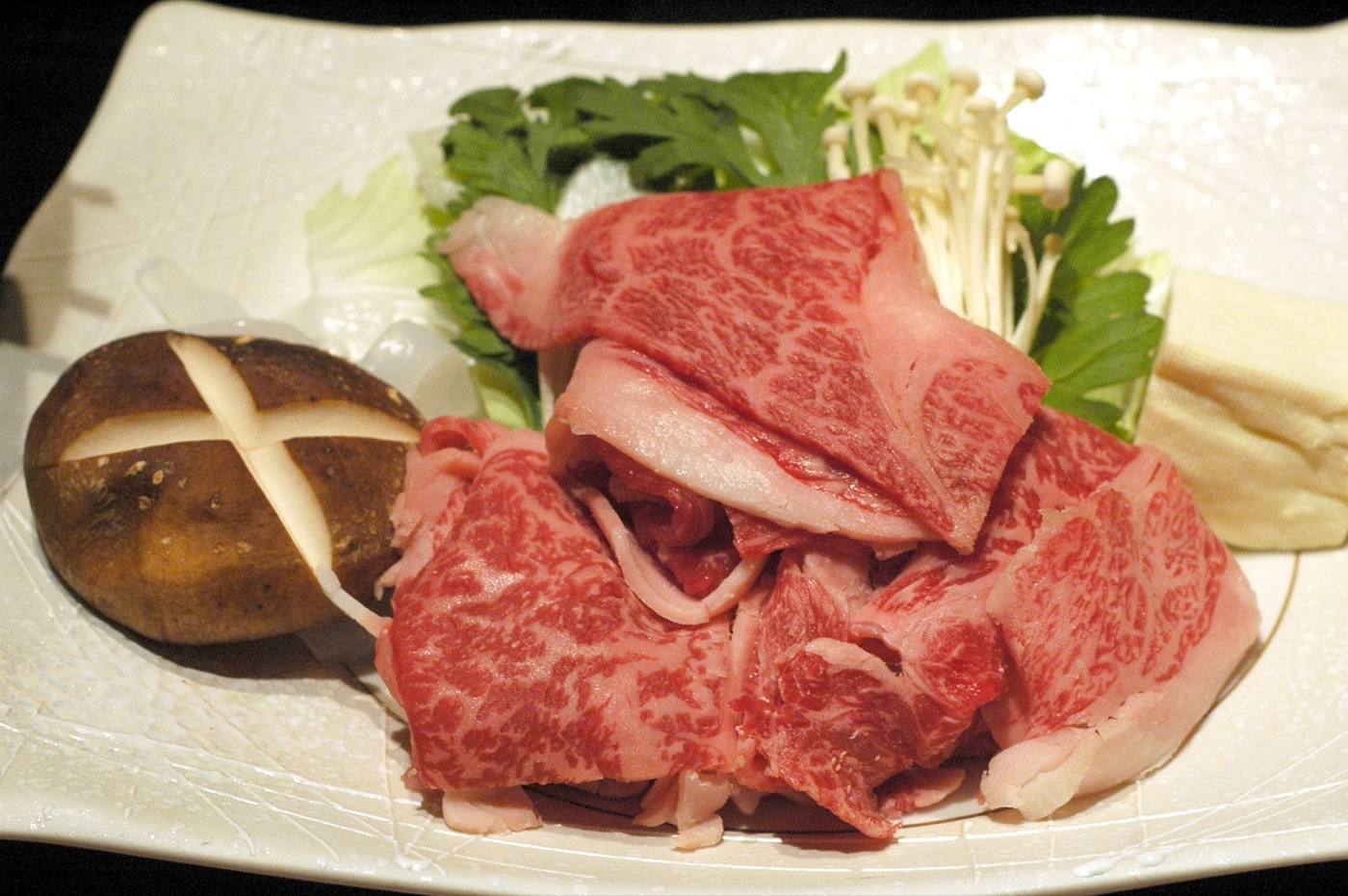
One of the older named beefs of Japan, from the south of the prefecture. Grilled, or as a rice bowl.
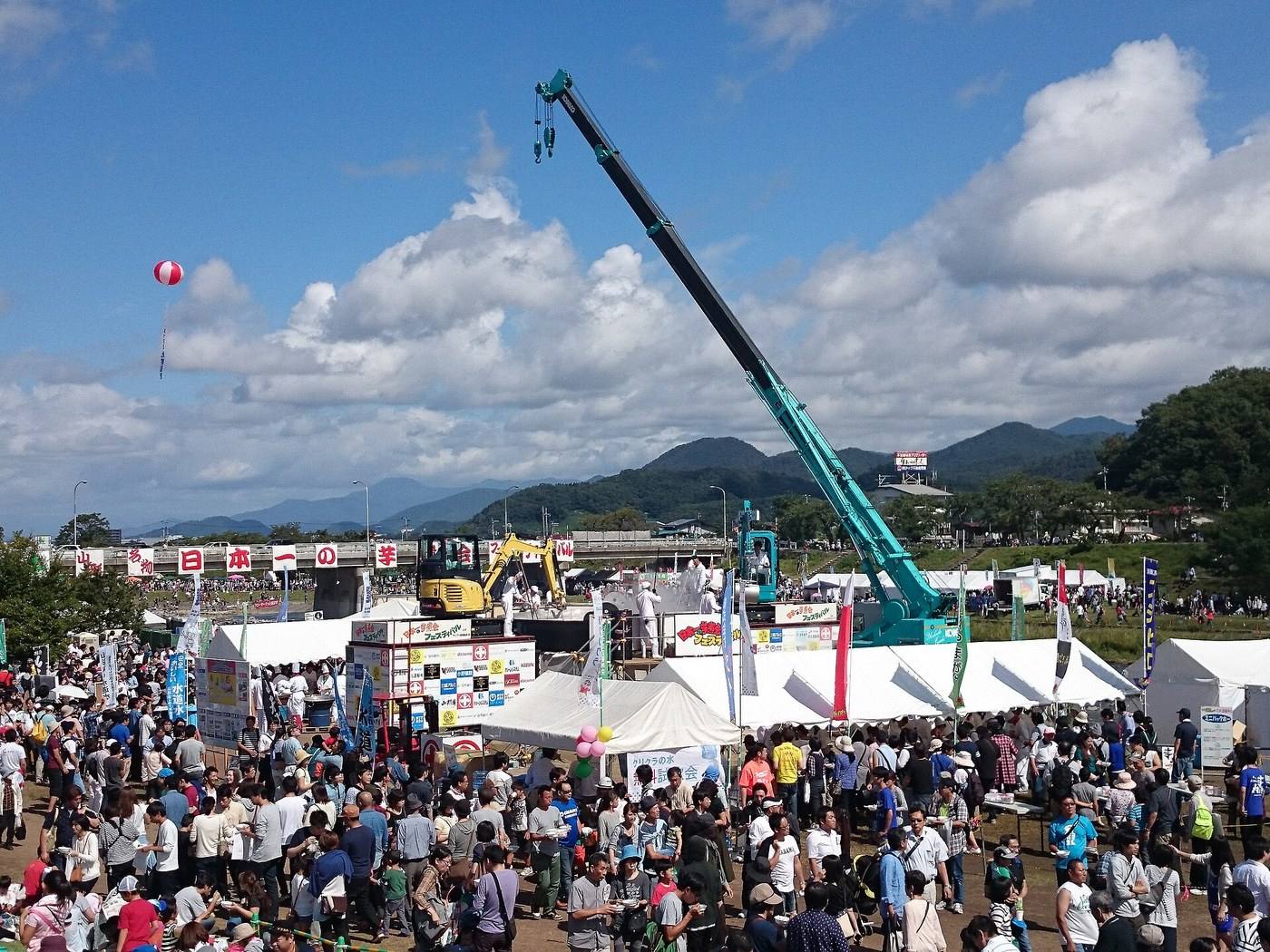
Taro, beef and konnyaku simmered outdoors in a large pot by a river in autumn. A social event as much as a dish.
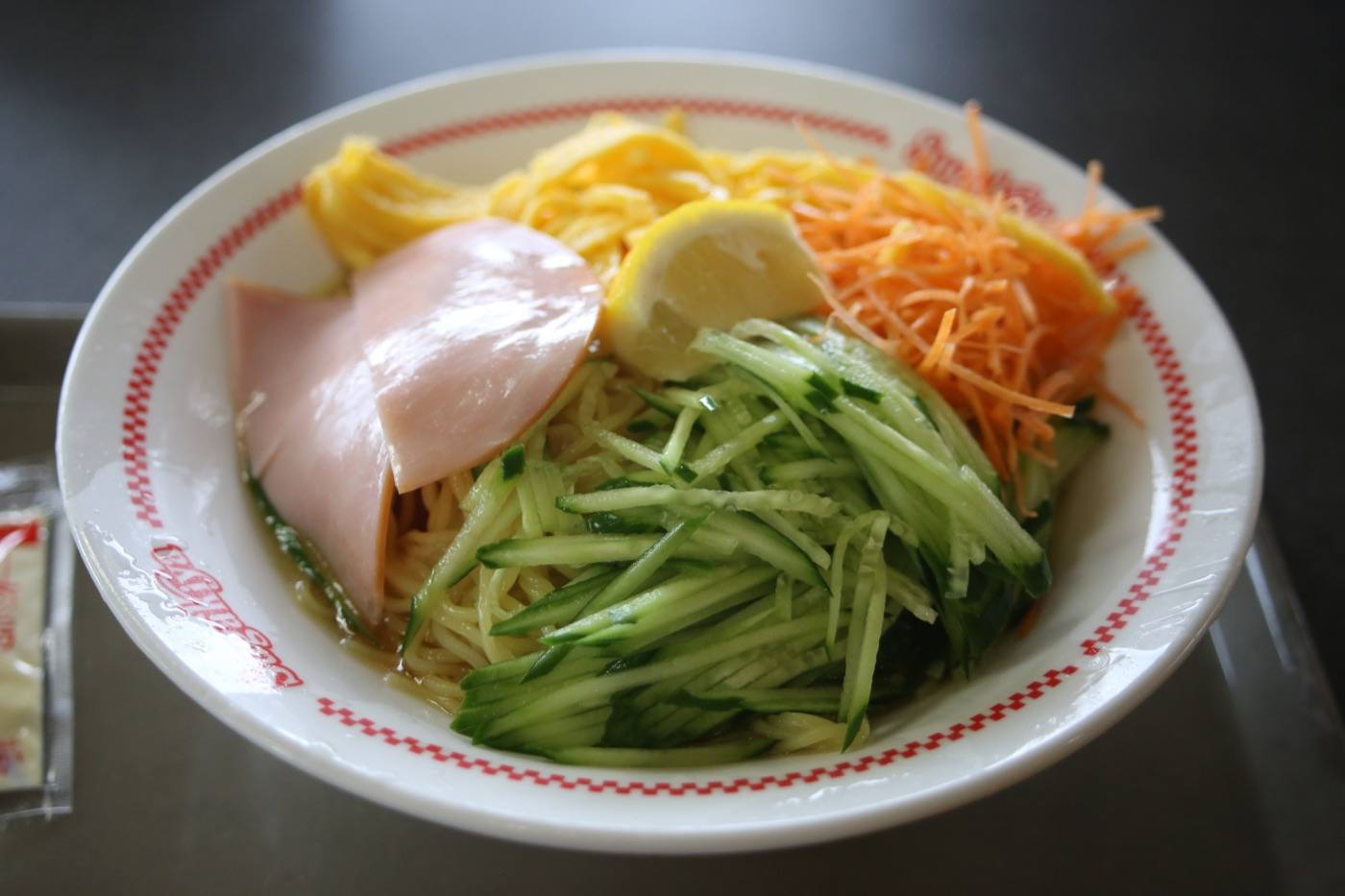
Ramen served genuinely cold, broth and all — invented here, and rarely found elsewhere.
Small shops, no English sign outside, and worth the walk.
Taro, meat and vegetables simmered in a single pot. The recipe changes as you cross the prefecture — soy sauce and beef in one part, miso and pork in another. This shop serves all of them.
Yonezawa beef eaten as sukiyaki, shabu-shabu or grilled over charcoal. Above the butcher that supplies it, in the middle of Yonezawa.
This shop made the first cold ramen in 1952, for customers who wanted noodles in summer. The soy broth is chilled and the fat is cut so it does not set.
Yamagata serves soba on a wooden board for two or more people to share. Here the buckwheat is milled on the premises each morning, in a thatched farmhouse.
Dashi is cucumber, aubergine and myoga chopped fine and steeped in soy. It is eaten cold over rice through the summer. This is a merchant house from the Meiji years, now shops and kitchens.
The pigs are raised on the Shonai plain and fed on rice grown in the same fields. The farm runs this restaurant and cuts the pork for it.
Ginzan Onsen is a row of wooden inns along a narrow river, lit by gas lamps at dusk. This soba shop works out of an old house looking onto that street.
Igamochi are small rice-flour cakes with sweet bean paste inside. The shop sits in the Zao hot spring village, and you can sit down with them.
Mugikiri is a thin wheat noodle from the Shonai area, cut narrow and served cold. The menu here is only two things: mugikiri and buckwheat soba.
Shinjo City describes this as a light soy-sauce ramen topped with well-simmered chicken offal. The soup is plain; the offal is what makes it local.