Eating in Tokyo
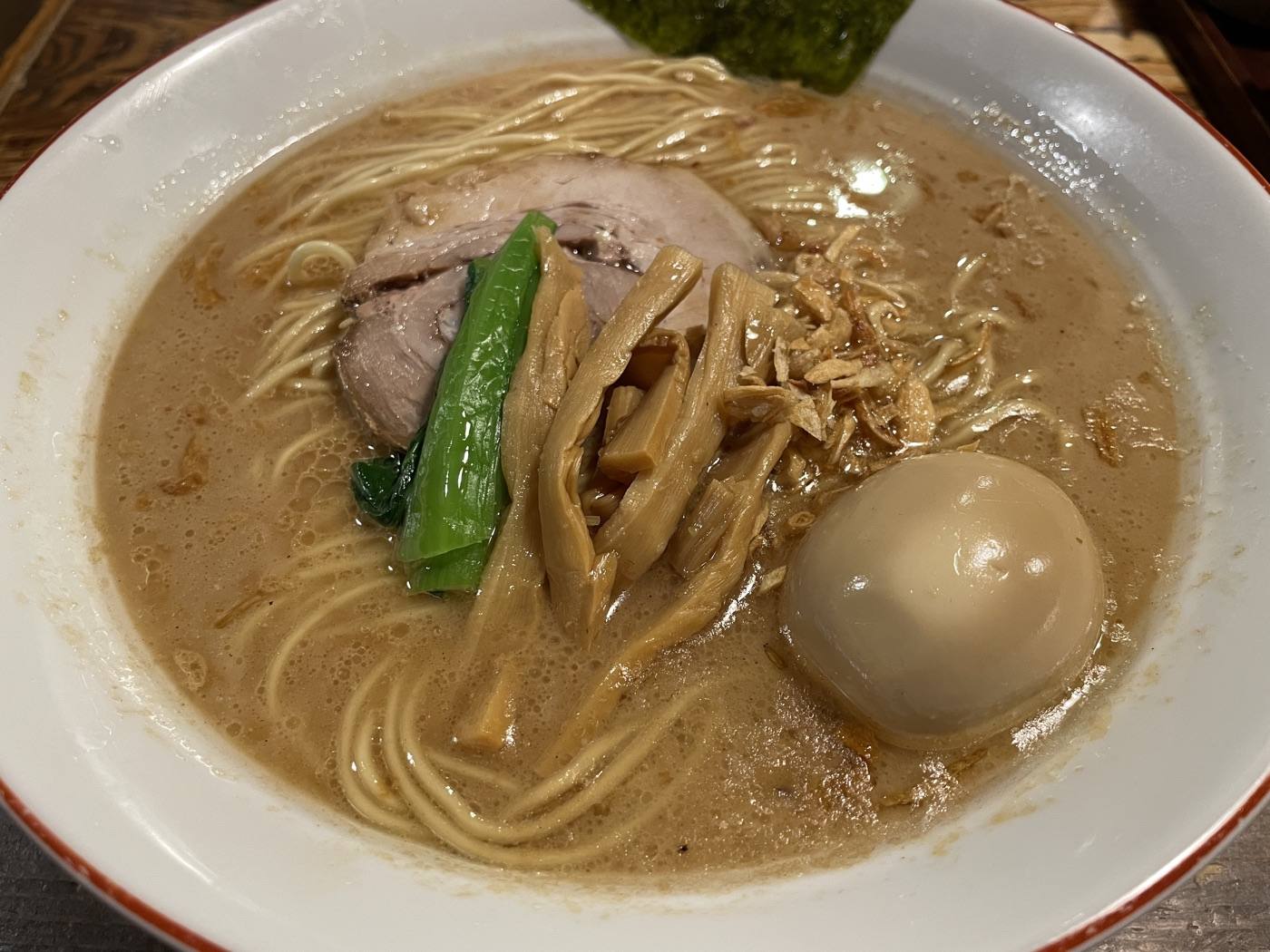
Try these dishes while you are here.
Try these dishes while you are here.
Order the first one and work down the list.
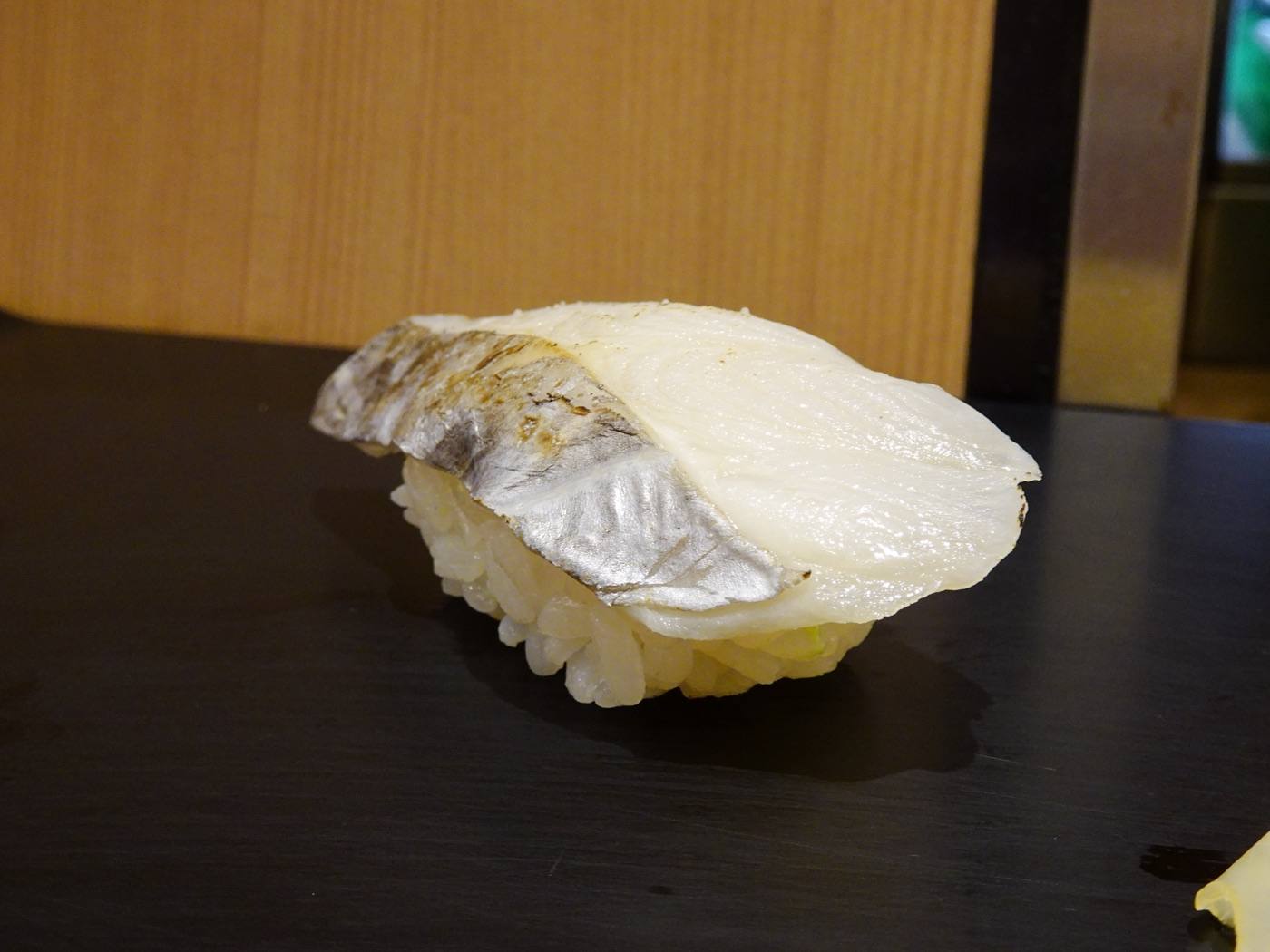
We recommend ordering this one first.
Sushi as Tokyo made it, from the bay in front of the city. Every price from a hundred yen a plate upward.

A loose batter cooked and scraped off the hot plate with a small spatula. Tsukishima has a street of it.
Fried at a counter piece by piece and handed to you. Tokyo counters do prawn and seasonal vegetables.
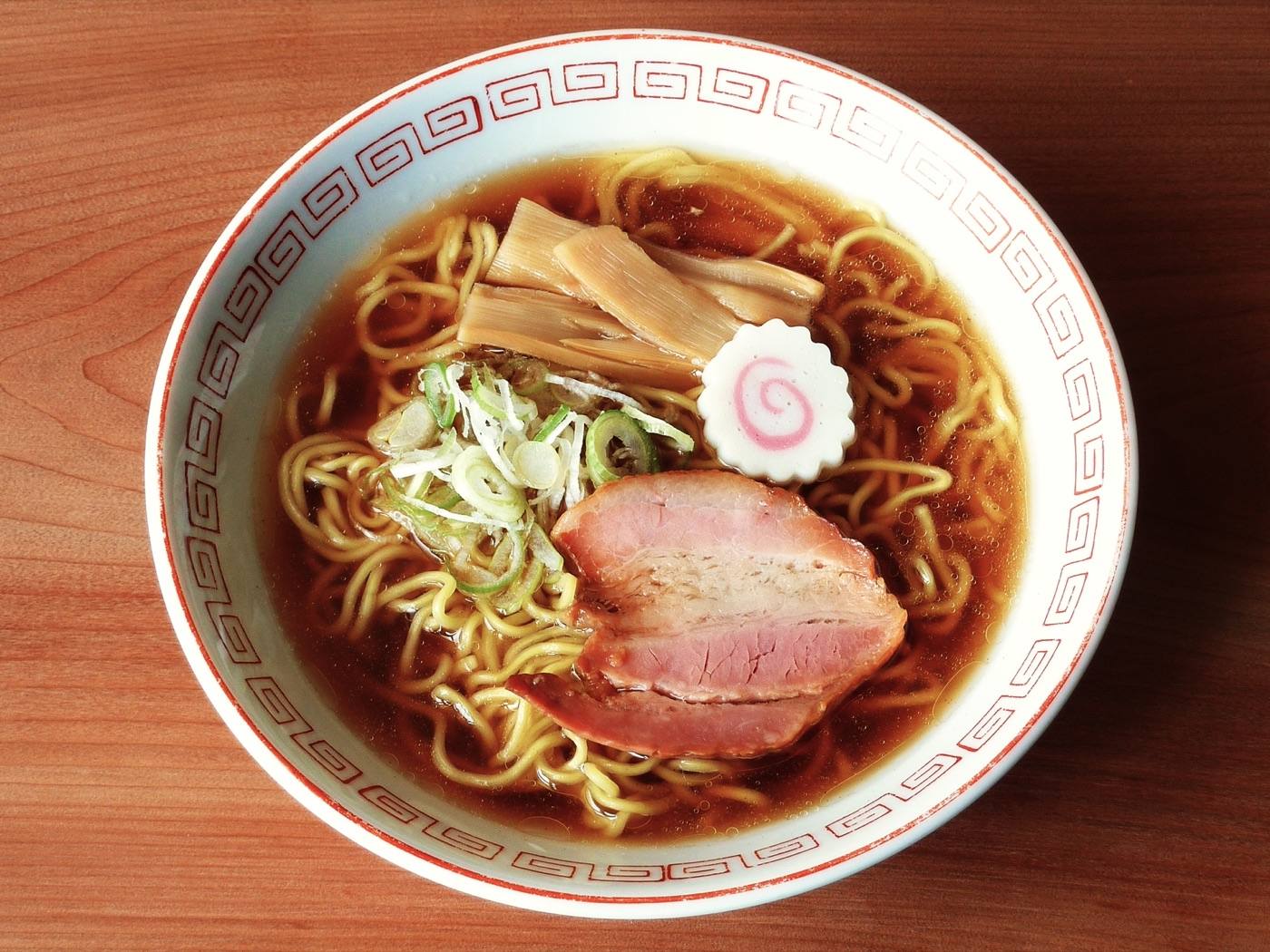
Soy broth, curly noodles, bamboo shoots and one slice of pork. The original city style.
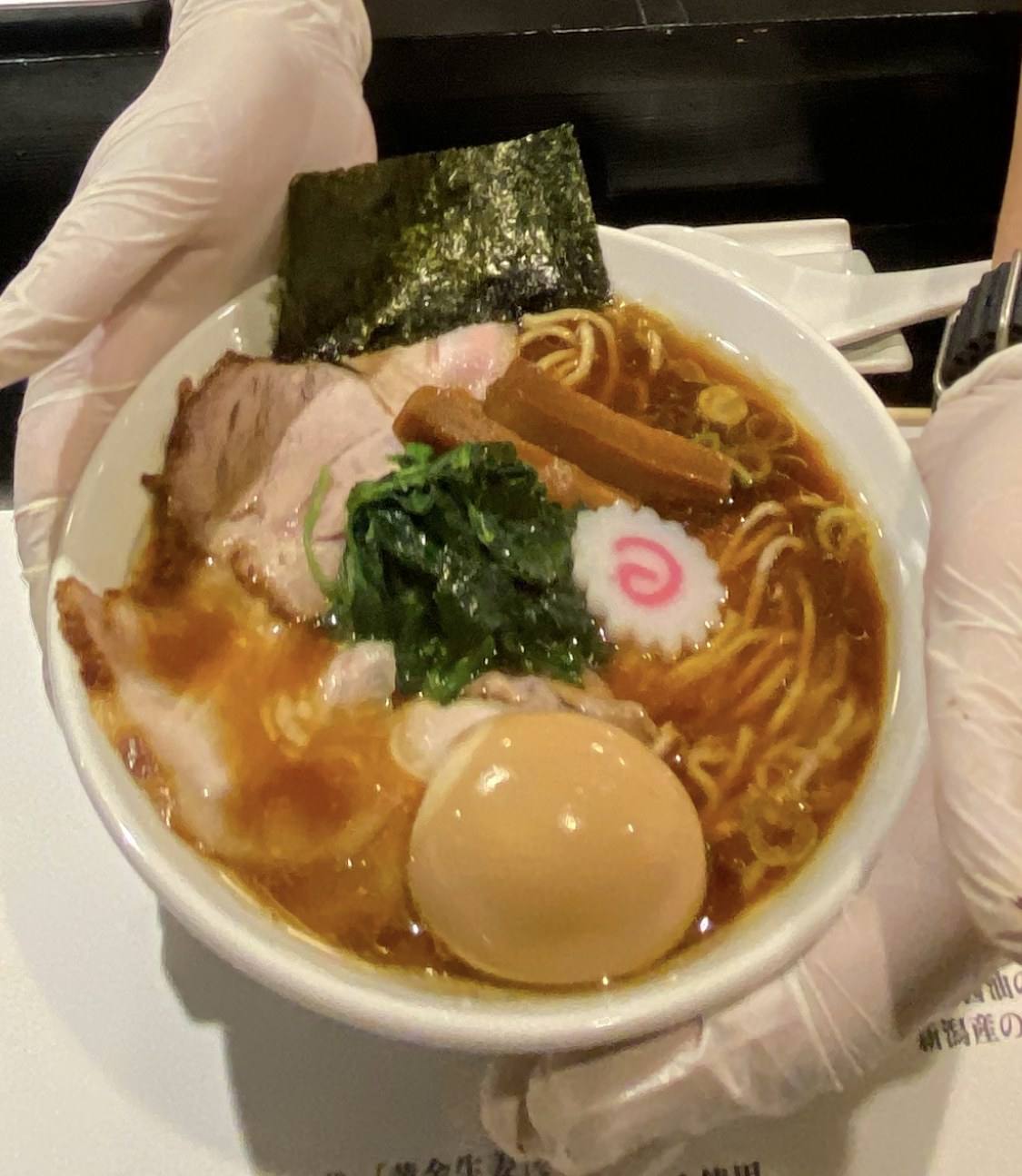
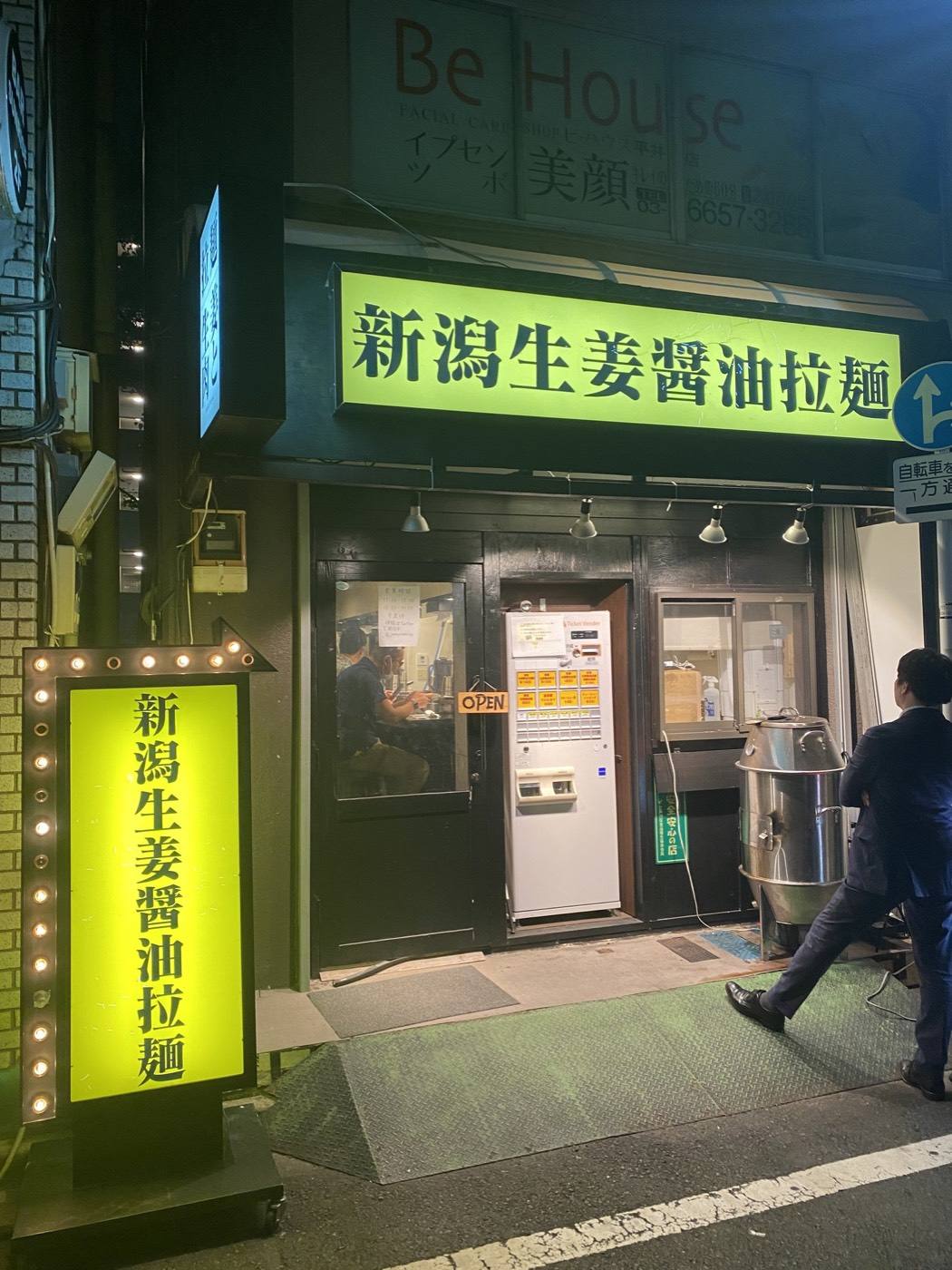
Soy broth with ginger, and pork grilled before it goes in the bowl. A small shop a minute from Hirai station.
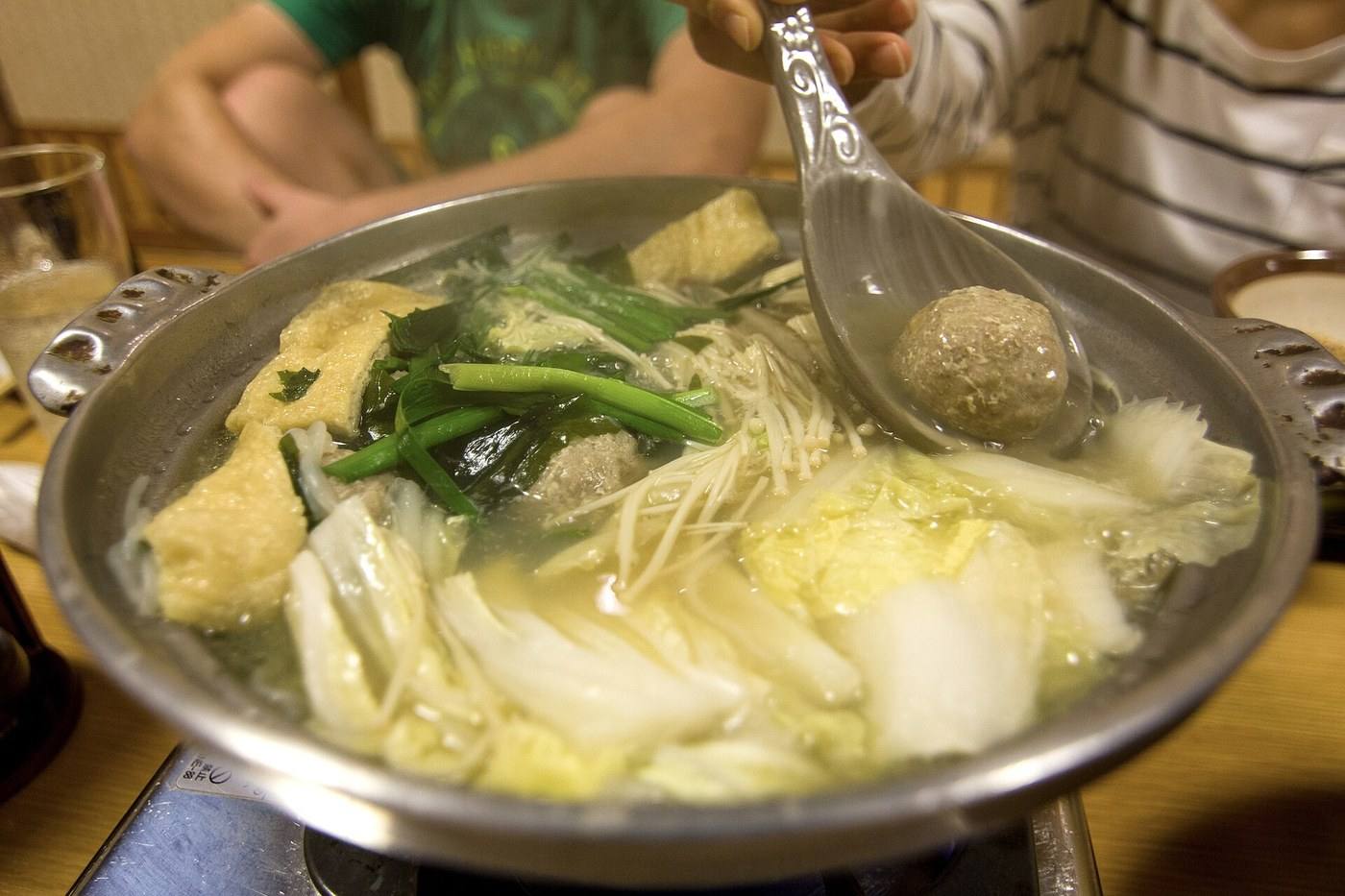
The hot pot sumo wrestlers eat, in Ryogoku where the stadium is. Chicken, vegetables and dumplings in a light broth, cooked at your table.
Small shops, no English sign outside, and worth the walk.
Worth going out of your way for
A small shop that visitors keep finding. The broth is soy with ginger, and the pork is grilled before it goes in the bowl. The owner is happy to talk to you in English — which is not something you can count on in a ramen shop this size.
Edo-style sushi in Ginza, at a counter. Book ahead — the telephone takes reservations from ten in the morning.
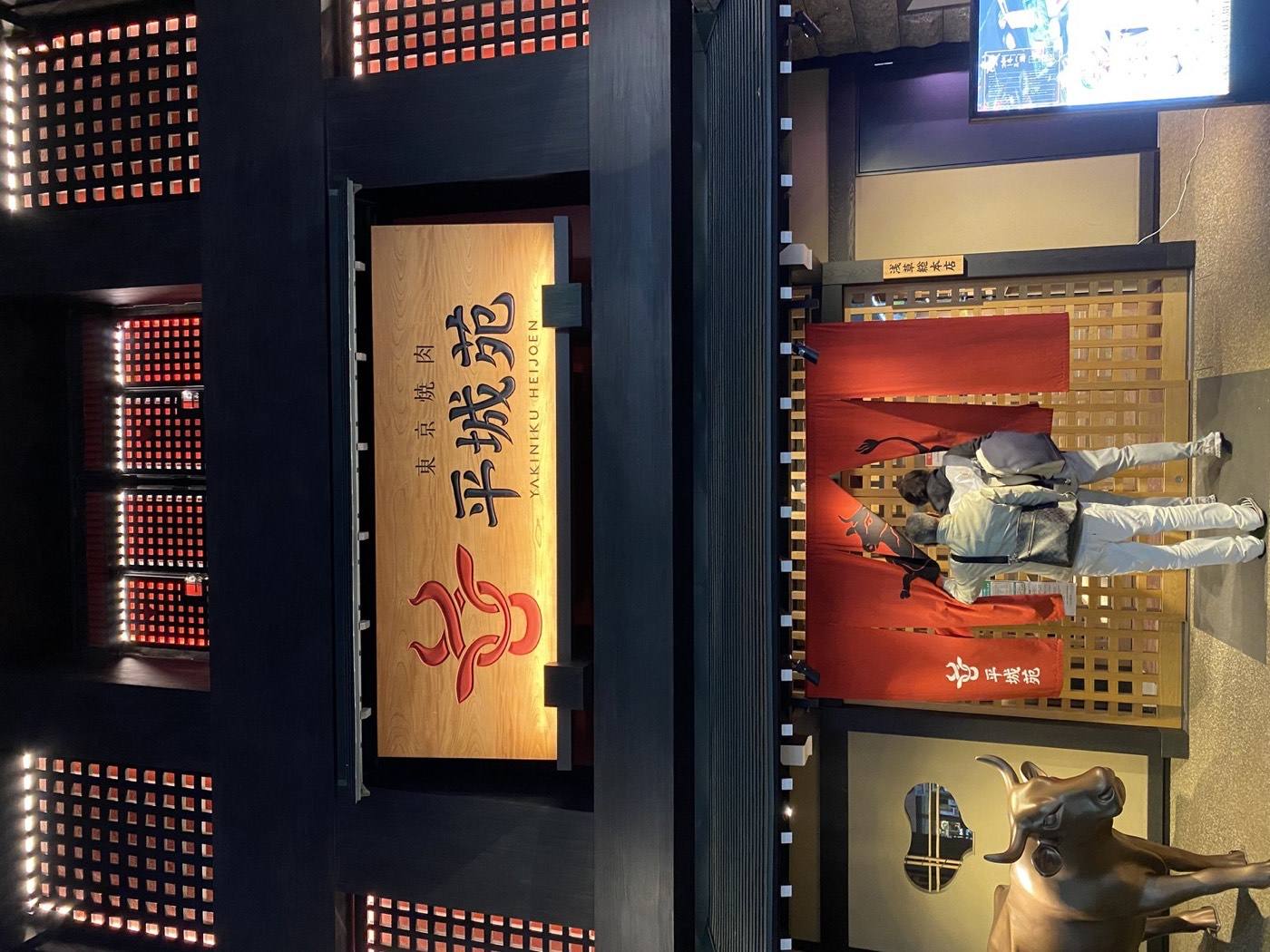
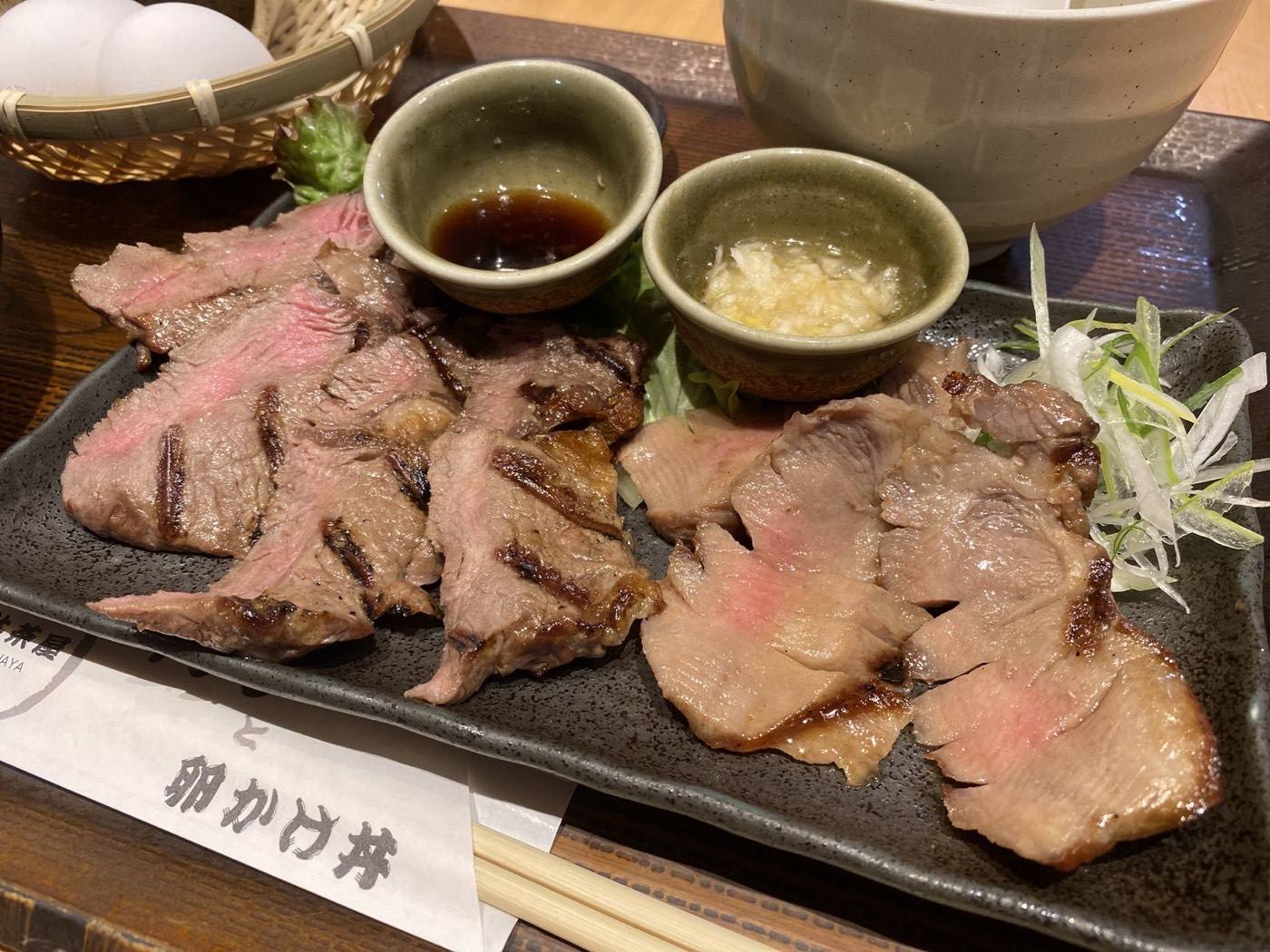
Wagyu grilled at your own table, a minute from the Kaminarimon gate. 128 seats and nine private rooms, so a table is usually there.
Chinese food beside Ueno Park, in the building at the park end of the station. There is an all-you-can-eat option, and a drinks one.
Monjayaki is a loose batter cooked flat on the table until the edges go crisp, then scraped up with small spatulas. Tsukishima is the street of it.
Prawns fried in sesame oil and dropped on rice, then flooded with a dark sweet sauce until the batter softens. Five minutes from Sensoji.
The climb up Mount Takao starts here. The noodle to eat before or after is soba under grated yam.
Fukagawa was a fishing quarter, and its rice dish is clams — either poured over the rice in their own broth, or steamed in with it. This place sits inside the Tomioka Hachiman shrine grounds and does both.
Shibamata still has its old temple approach, lined with dango shops. This one opens at nine, two minutes from the station.
About twenty soba shops stand around Jindaiji temple. This one cuts its noodles by hand from stone-milled domestic buckwheat, changing the source with the season.