Eating in Tokushima
Try these dishes while you are here.
Try these dishes while you are here.
Order the first one and work down the list.
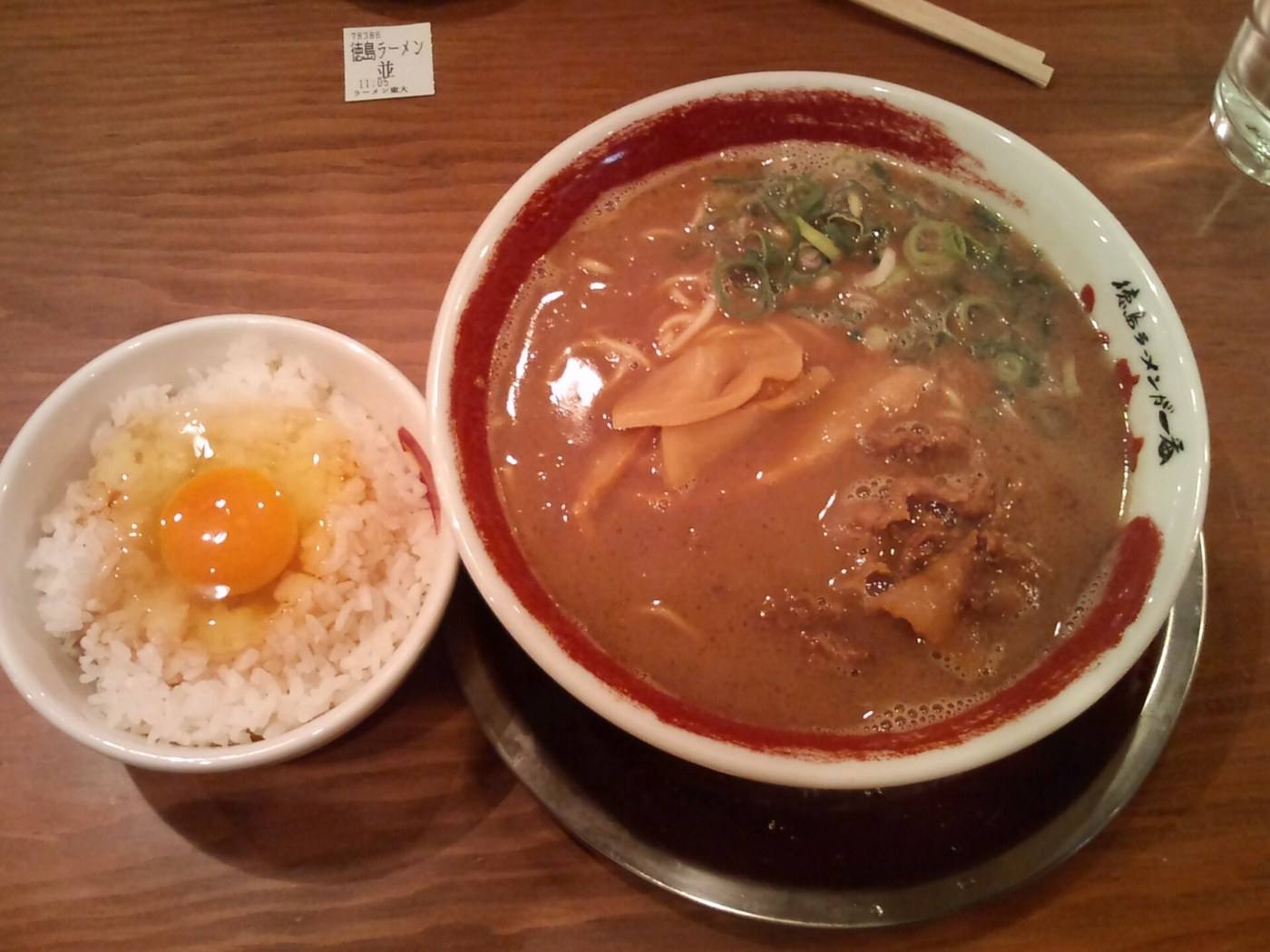
We recommend ordering this one first.
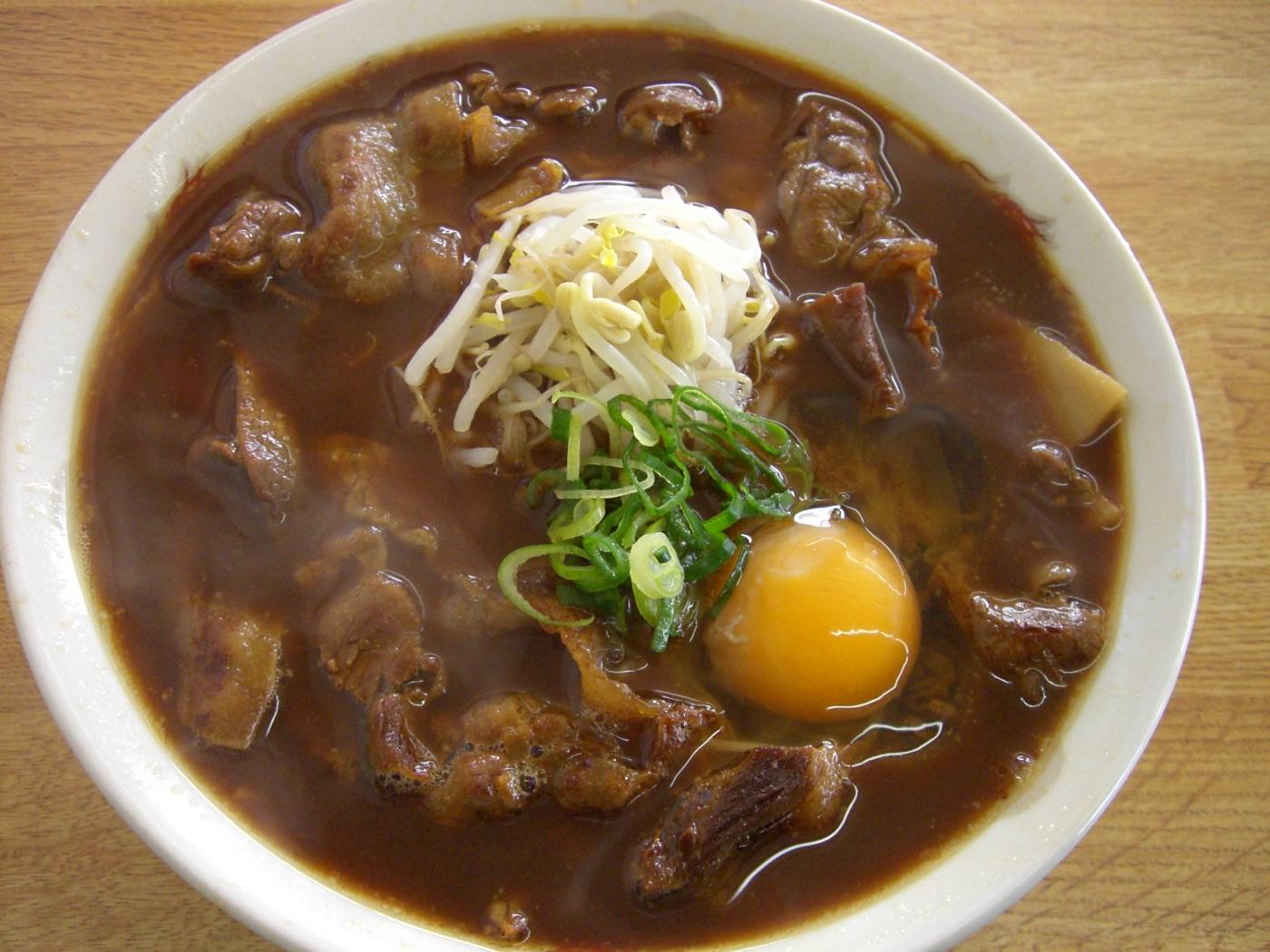
Dark soy and pork broth with pork belly and a raw egg cracked on top. Say no egg if you would rather not.
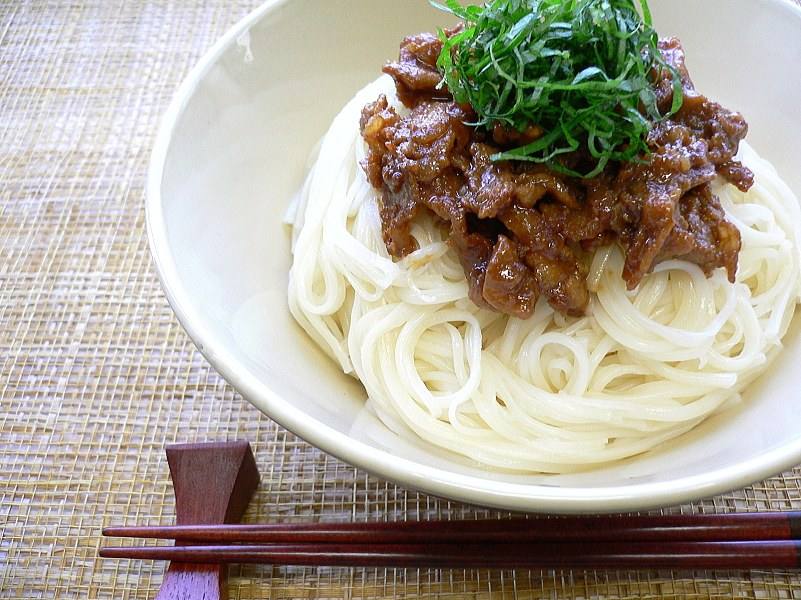
Thicker than usual somen, chewy, and eaten cold with a dipping sauce in summer.

A small sharp citrus grown almost entirely in this prefecture. Squeezed over everything from noodles to fish.
A local free-range chicken, grilled on skewers or in a hotpot. Firm, and strongly flavoured.
Small shops, no English sign outside, and worth the walk.
Pork-bone broth darkened with soy, and belly pork cooked sweet and salty on top. Ask for the raw egg and break it into the bowl — that is how it is eaten here.
A fish restaurant on the coast road in Naruto, with tanks of live fish and the sea outside the window. Open from nine, which is unusual for fish.
Local cane is pressed, then the sugar is kneaded and washed by hand over and over until the crystals are fine enough to melt on the tongue. It is done the old way here.
Iya is a gorge so steep that rice would not grow, so people ate buckwheat. The noodles are made without wheat to bind them, so they are short and fall apart.
Naruto kintoki grows in sandy soil near the shore, which makes it dry and floury rather than wet. This roadside station sells it roasted, fried and folded into ice cream.
The wheat and vegetables come from Kamiyama itself. Next to the bread counter are miso and soy sauce made by small producers around the same valley.
Wakimachi kept a street of merchant houses with fire walls rising between them. This tea house stands in it, and simmers buckwheat groats in broth instead of grinding them into noodles.
Handa somen is made in this valley on the Yoshino river. The roadside station serves it in the restaurant and sells the dried bundles next door.
Boiled udon is tipped straight into a large wooden tub and brought to the table for everyone to share.