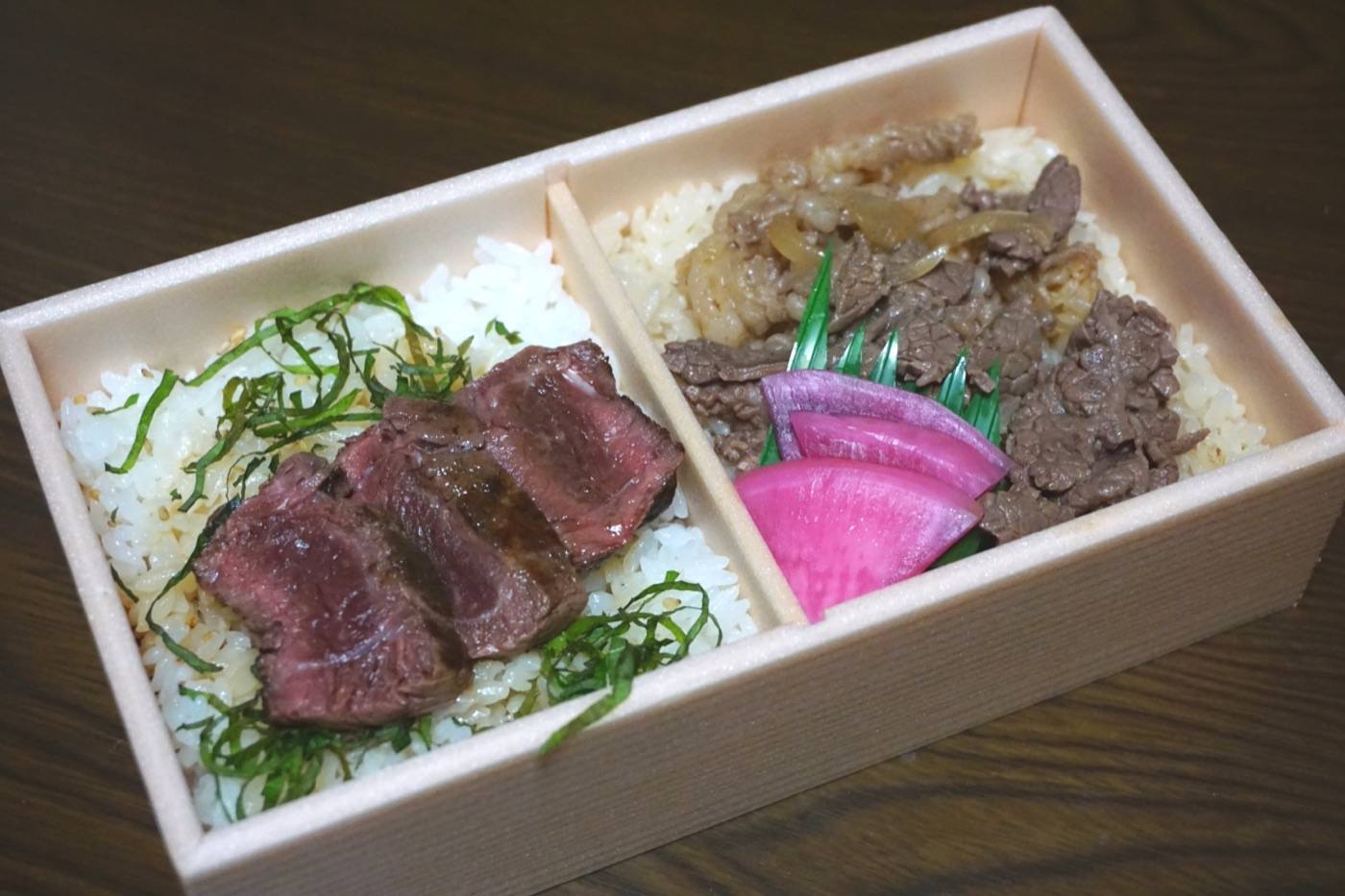
Eating in Shiga
Try these dishes while you are here.
Try these dishes while you are here.
Order the first one and work down the list.
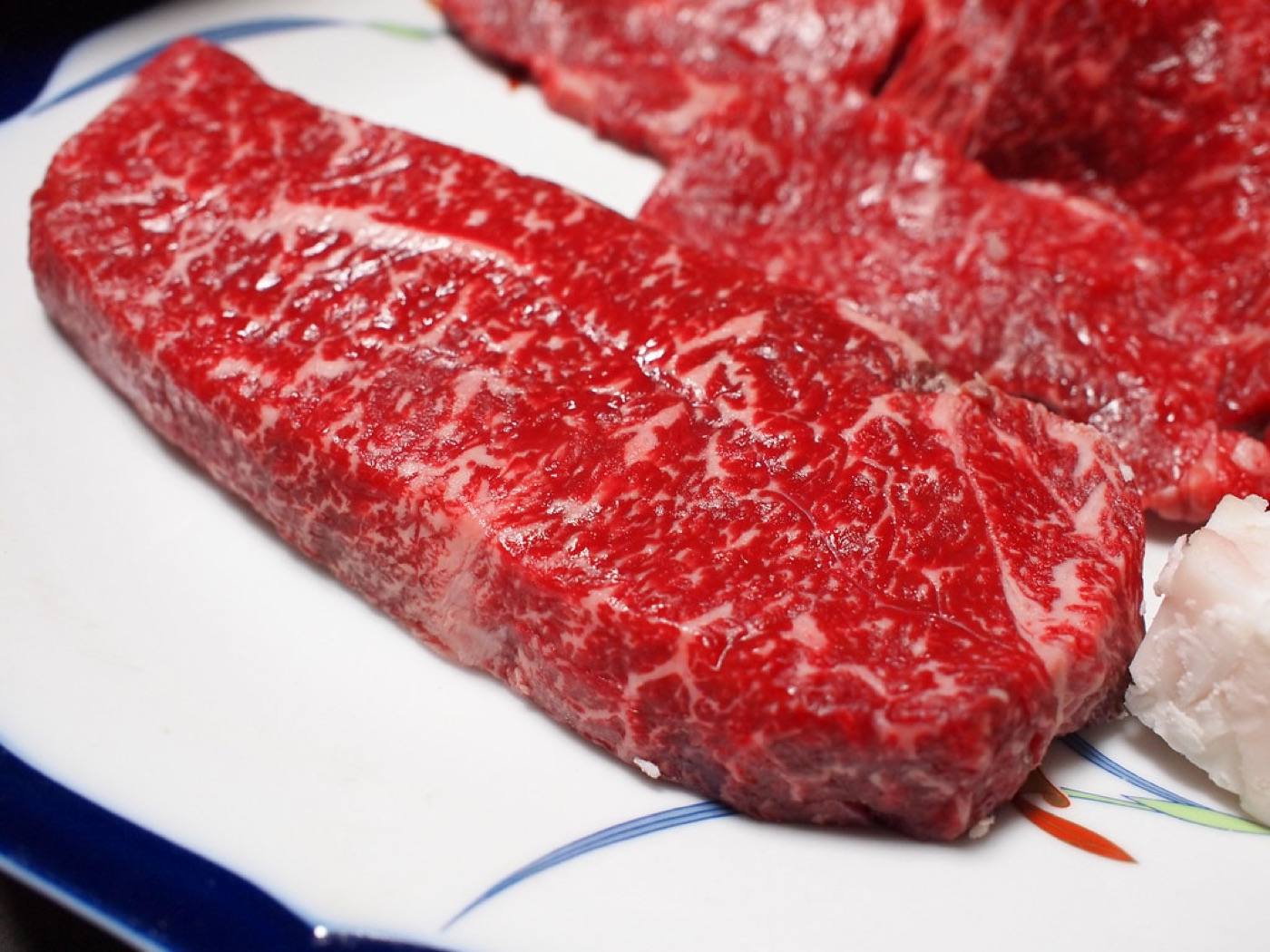
We recommend ordering this one first.
Named beef, and cheaper in its own prefecture than it is elsewhere.
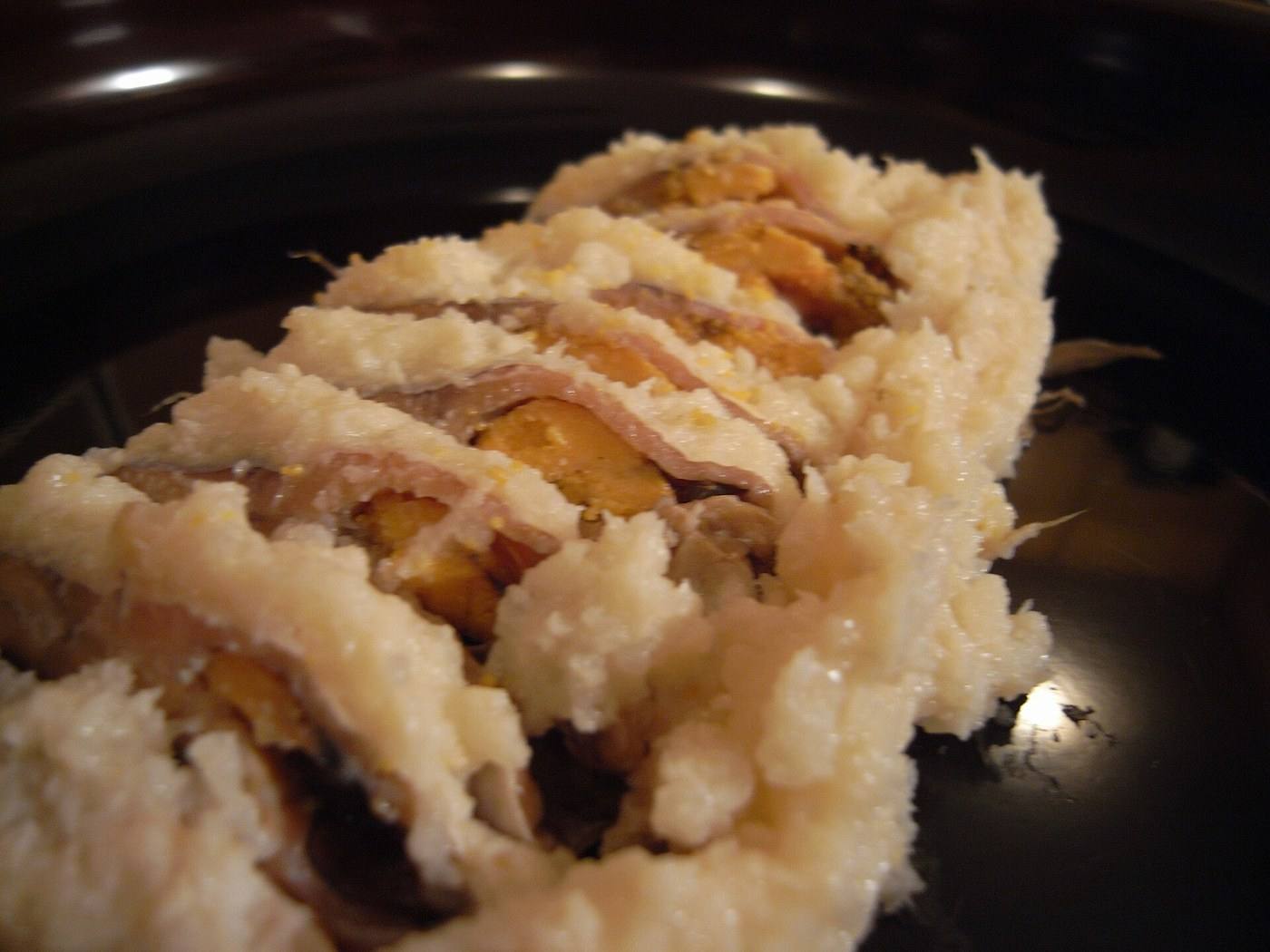
Lake Biwa carp fermented in rice for months. Extremely strong, an acquired taste, and genuinely ancient.
Small lake fish simmered in soy and sugar, eaten with rice or as a snack with sake.
Tea grown in the hills and traditional sweets, served in the garden tea houses around the lake.
Small shops, no English sign outside, and worth the walk.
A roadside dining hall in the north of the prefecture. The pot arrives with the vegetables stacked far above the rim.
Omi beef beside the old merchant canal in Omihachiman. The butcher is downstairs and the dining room is above it.
A soft roll split and filled with shredded takuan — yellow pickled radish — bound in mayonnaise. Sold here since the 1950s and eaten all over the prefecture.
Baumkuchen is a German cake built up in rings on a turning spit. This one is baked on site, in a red brick hall beside the old merchant town of Omihachiman.
Nagasaki chanpon is milky and thick. Omi chanpon is the opposite — a clear stock of dried fish and kelp, piled with cabbage and pork. Started in Hikone in 1963.
Funazushi is nigoro-buna from Lake Biwa packed in salt and rice and left to ferment for a year or more. It tastes nothing like the modern kind.
Kusatsu is where the Tokaido and the Nakasendo roads parted. Ubaga-mochi is a small bean-paste cake, sold here for travellers to carry on.
Yaki-saba somen is a Nagahama dish — grilled mackerel laid over thin wheat noodles. The shop is three minutes from the station, inside the black-wall quarter.
Biwamasu is a trout found only in Lake Biwa. This place sits next to the trout hatchery at Samegai and takes its fish straight from it.
Konjac, but red. Iron oxide is worked into it, so the colour has nothing to do with chilli. Fine-grained, and eaten in hotpot or sliced raw.