Eating in Saga
Try these dishes while you are here.
Try these dishes while you are here.
Order the first one and work down the list.
We recommend ordering this one first.
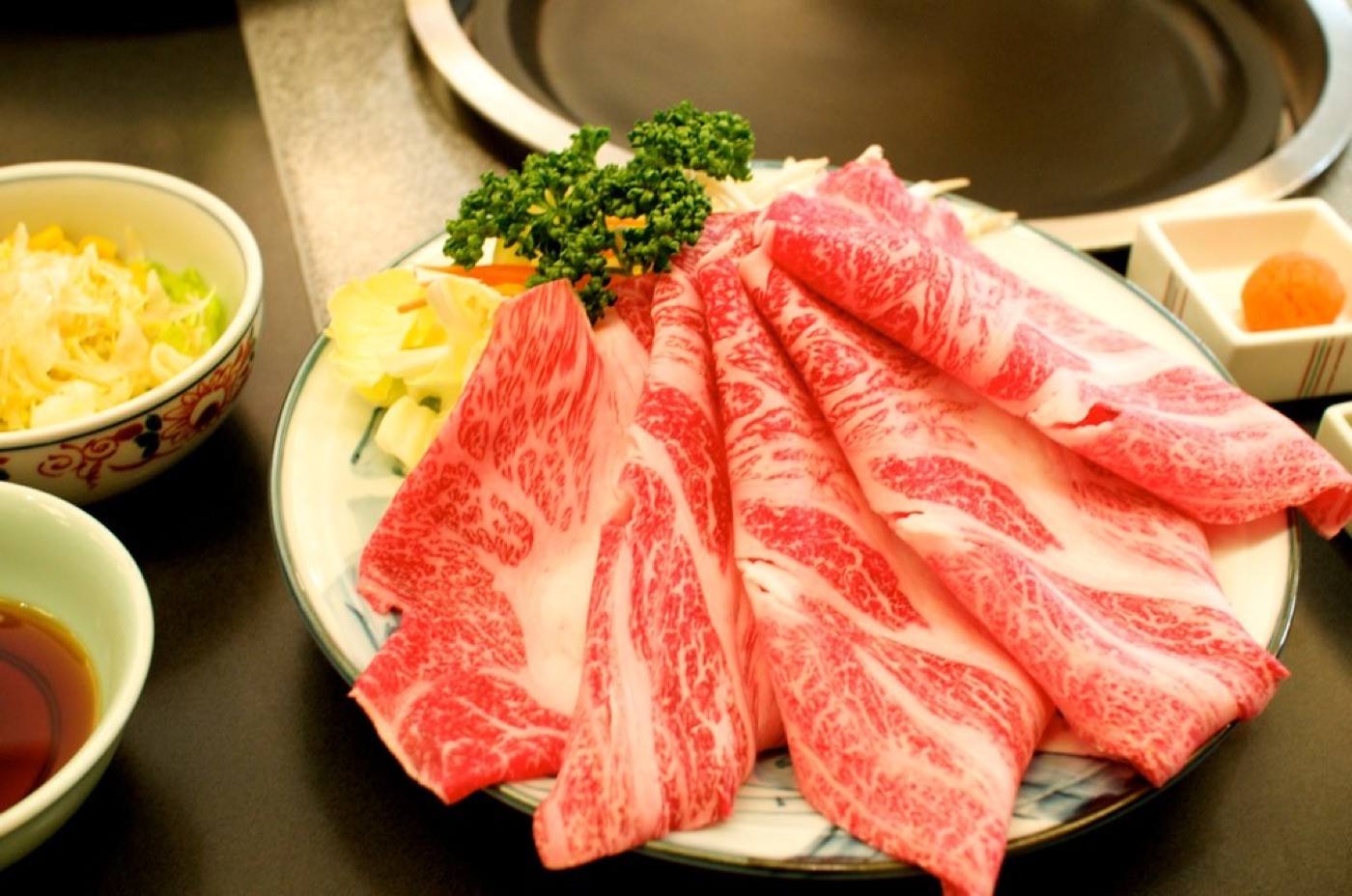
Marbled beef from the plain, grilled at a counter. Less known than Kobe and often better value.
Squid brought live to the table, sliced translucent, and the legs fried afterwards. Landed at Yobuko.
Tea from the hot-spring valley, rolled round rather than needle-shaped. Softer and sweeter than sencha.
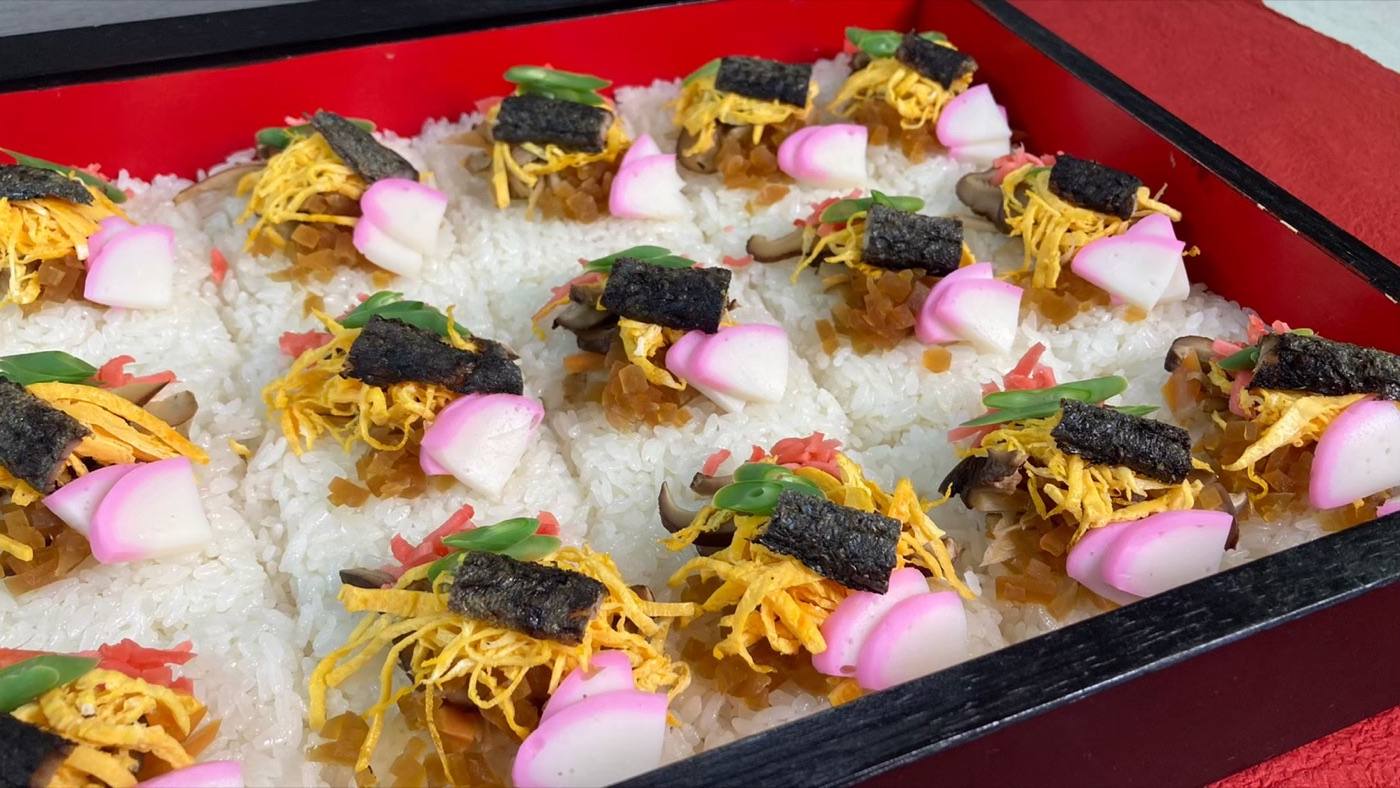
A soft round biscuit brought by Portuguese traders four centuries ago and still baked in Saga.
Small shops, no English sign outside, and worth the walk.
Squid served the moment it leaves the tank, sliced while it is still translucent. It may still be moving when it reaches the table. That is what the dish is, and it is better to know before you order.
Saga beef cooked on an iron plate at the counter. Run by the farmers' co-operative that raises it, ten minutes from Saga station.
Saga invented this in the 1970s: rice on a plate, sweet fried beef over it, raw salad on top and mayonnaise across the lot. The room is a bank from about 1885.
Ureshino's spring water is alkaline, so tofu simmered in it dissolves at the edges and turns the pot white. What is left is somewhere between tofu and soup.
Ogi yokan is bean paste set into a block and left to dry, so a thin layer of sugar crystallises on the outside. Cut it and the surface cracks. Made here since 1899.
Inari yokan is a stick of sweet bean jelly wrapped in bamboo sheath. This shop makes it and sells it on the approach to Yutoku Inari shrine.
Godofu is thickened with starch instead of being set with nigari, so it holds together like a soft jelly. Firmer than tofu, and slightly sweet.
Saga ramen is a pale pork broth. Here you can have a raw egg dropped on top of it, or leave it out.
Arita is a porcelain town, and this curry arrives in an Arita porcelain dish. The shop is inside JR Arita station.