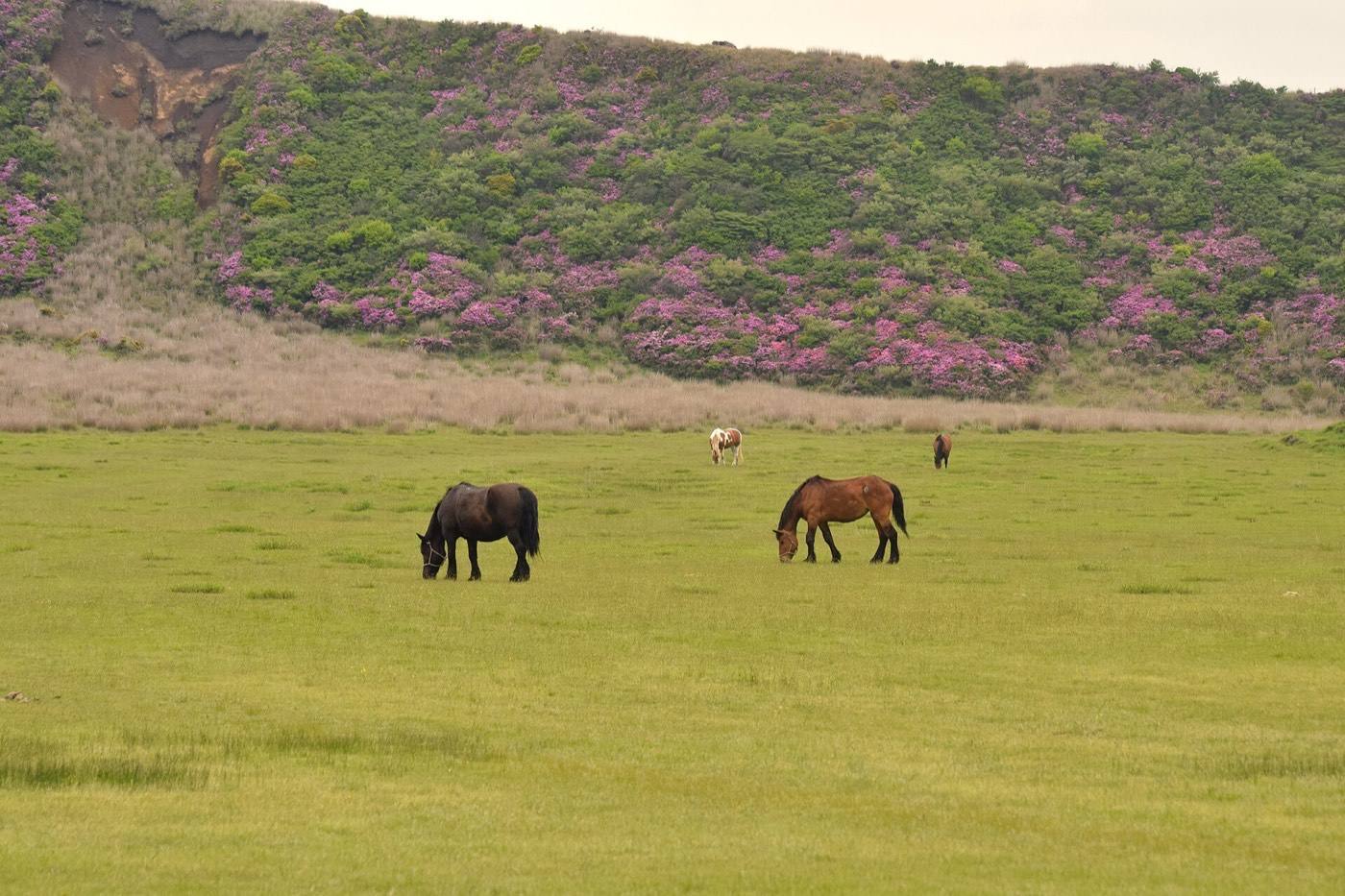
Eating in Kumamoto
Try these dishes while you are here.
Try these dishes while you are here.
Order the first one and work down the list.
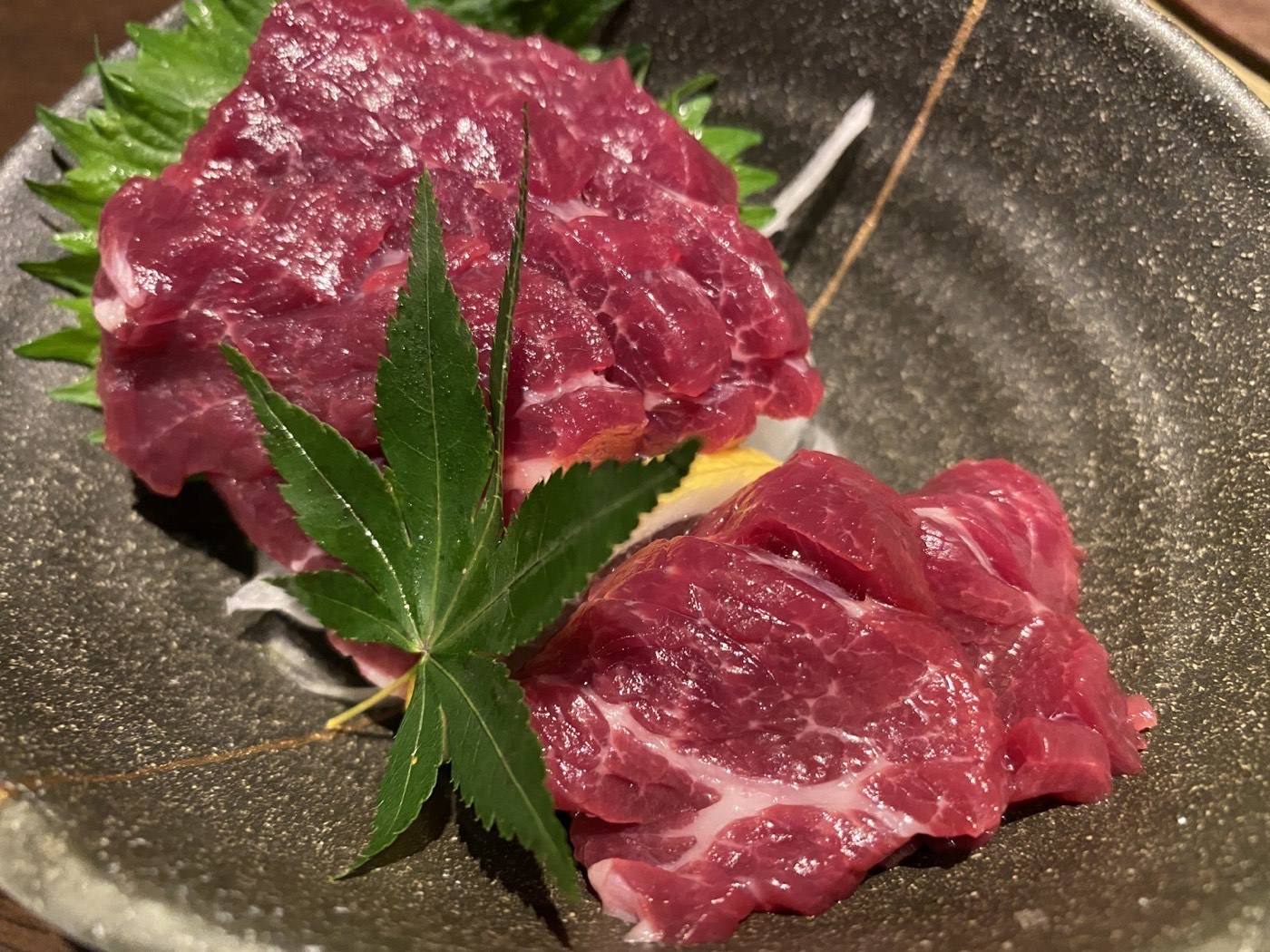
We recommend ordering this one first.
Raw horse meat, sliced thin and eaten cold with soy sauce, garlic and ginger. Kumamoto is where Japan eats it.
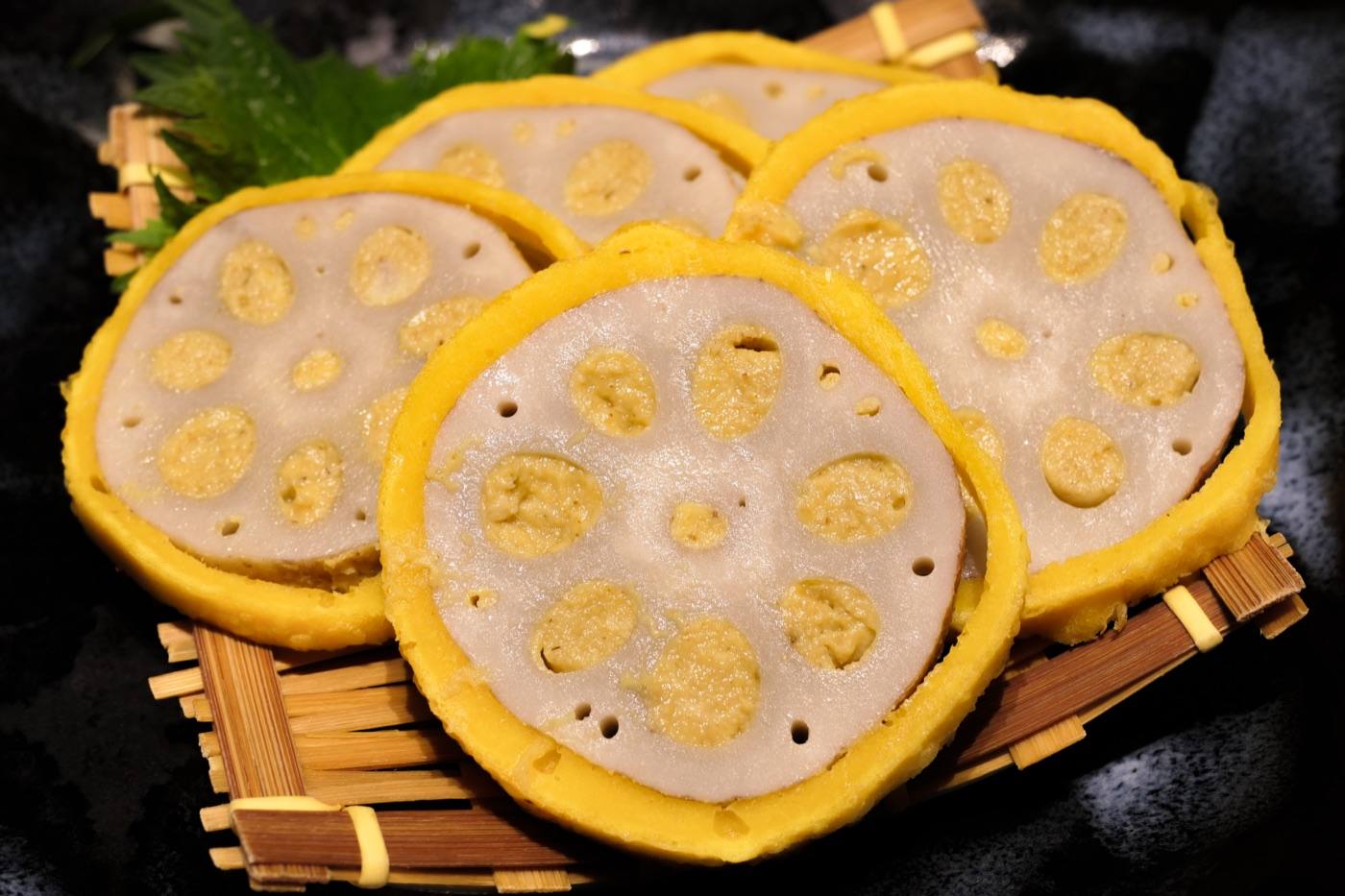
Lotus root packed with mustard miso, battered and fried, then sliced so you see the holes. Sharp.
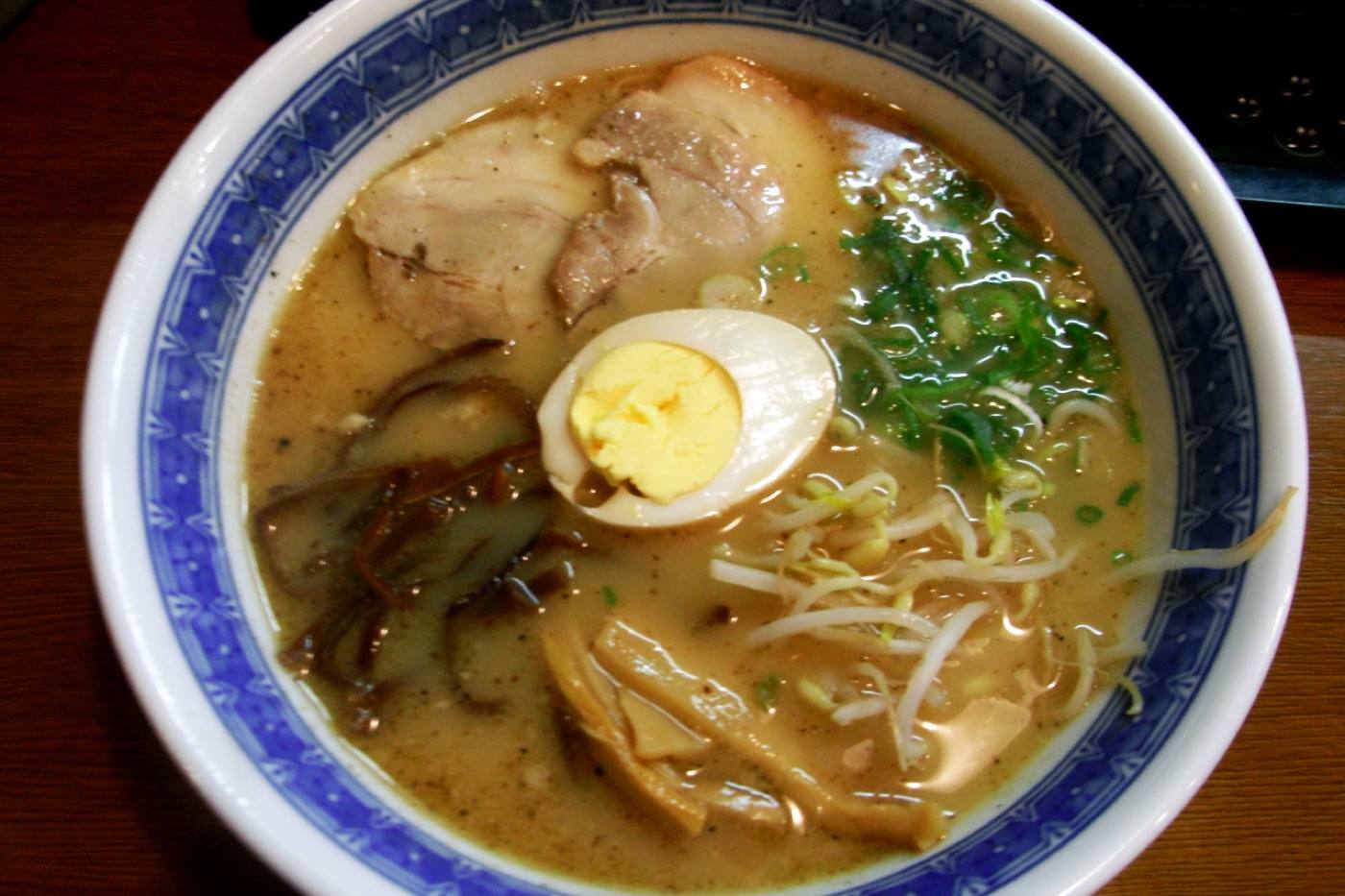
Pork-bone soup with fried garlic chips and thicker noodles than Hakata. Heavier and sweeter.
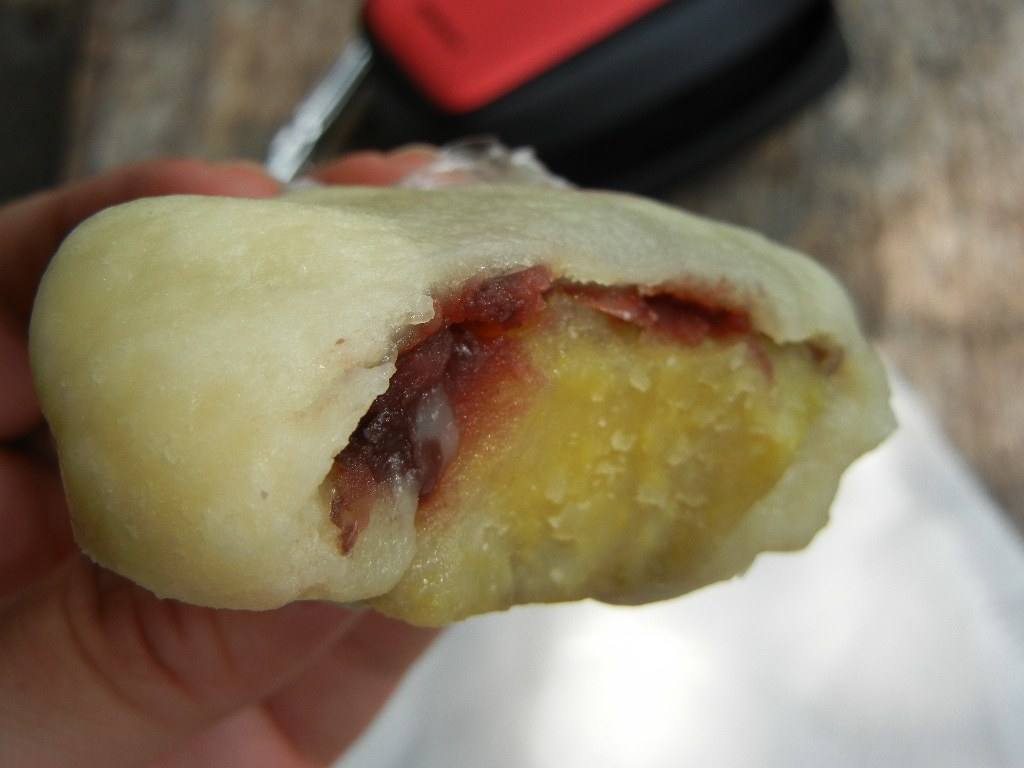
Sweet potato and red bean paste in steamed wheat dough. About the price of a coffee. Buy two.
Small shops, no English sign outside, and worth the walk.
A service area on the Kyushu expressway, north of the city. If you are driving south to north, this is the bowl to stop for.
Kumamoto ramen is pork-bone broth with burnt garlic oil on top. Ten minutes on foot from Kumamoto station.
A round slice of sweet potato and a spoon of red bean paste, wrapped in dough and steamed. The name means it can be made suddenly, for a guest who turns up unannounced.
Taipi-en came from Fujian and settled in Kumamoto, where it is served in school lunches. Sweet potato noodles in a light broth with seafood, vegetables and a whole fried egg.
The holes in a lotus root are filled with mustard and miso, coated in turmeric batter and fried. Sharp on the nose, like wasabi.
The market sits beside Aso station with the five peaks of the caldera in front of it. Growers bring vegetables in each morning, and the shelves carry what the town makes from them.
Takamori sits in the grassland south of Aso. The way here with bean curd and konnyaku is to put them on skewers, stand them around a hearth cut into the floor, and let the charcoal do the work.
Amakusa makes its own champon — noodles in broth under vegetables and seafood. This one is inside the sea-water bath house by the Amakusa bridges.
A cloudy pork-bone soup that tastes lighter than it looks, with straight noodles made in the shop. Expect to be asked whether you want garlic chips in it.