Home› Ibaraki›Food
Local food of Ibaraki

Eating in Ibaraki

Try these dishes while you are here.

First, what is itWhat Ibaraki is known for

Order the first one and work down the list.
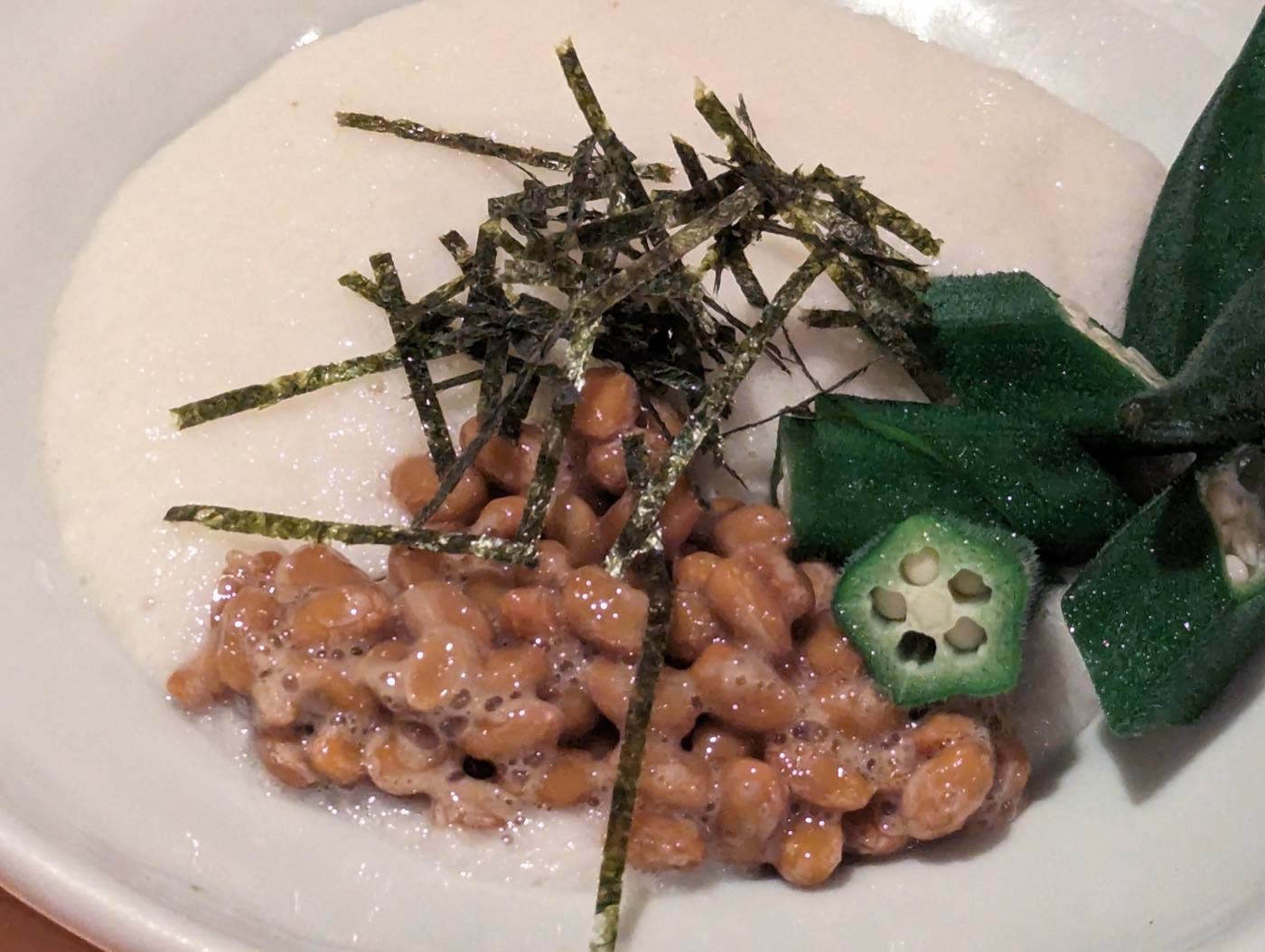
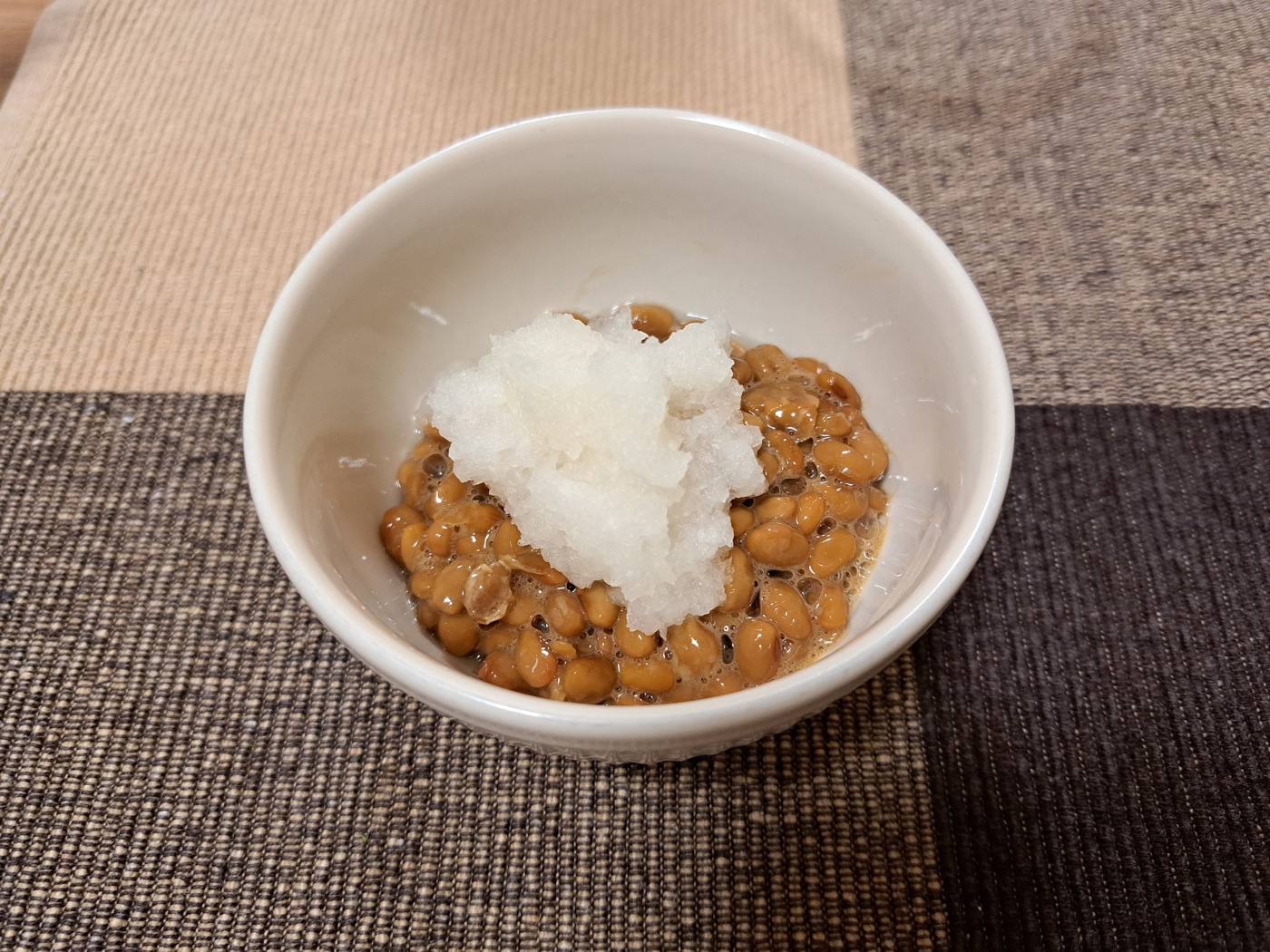
Mito natto, fermented soybeans

Natto

We recommend ordering this one first.

Fermented soybeans, sticky and strong. Mito is where Japan associates it with, and the local versions are milder than visitors fear.
Vegetarian¥100–400
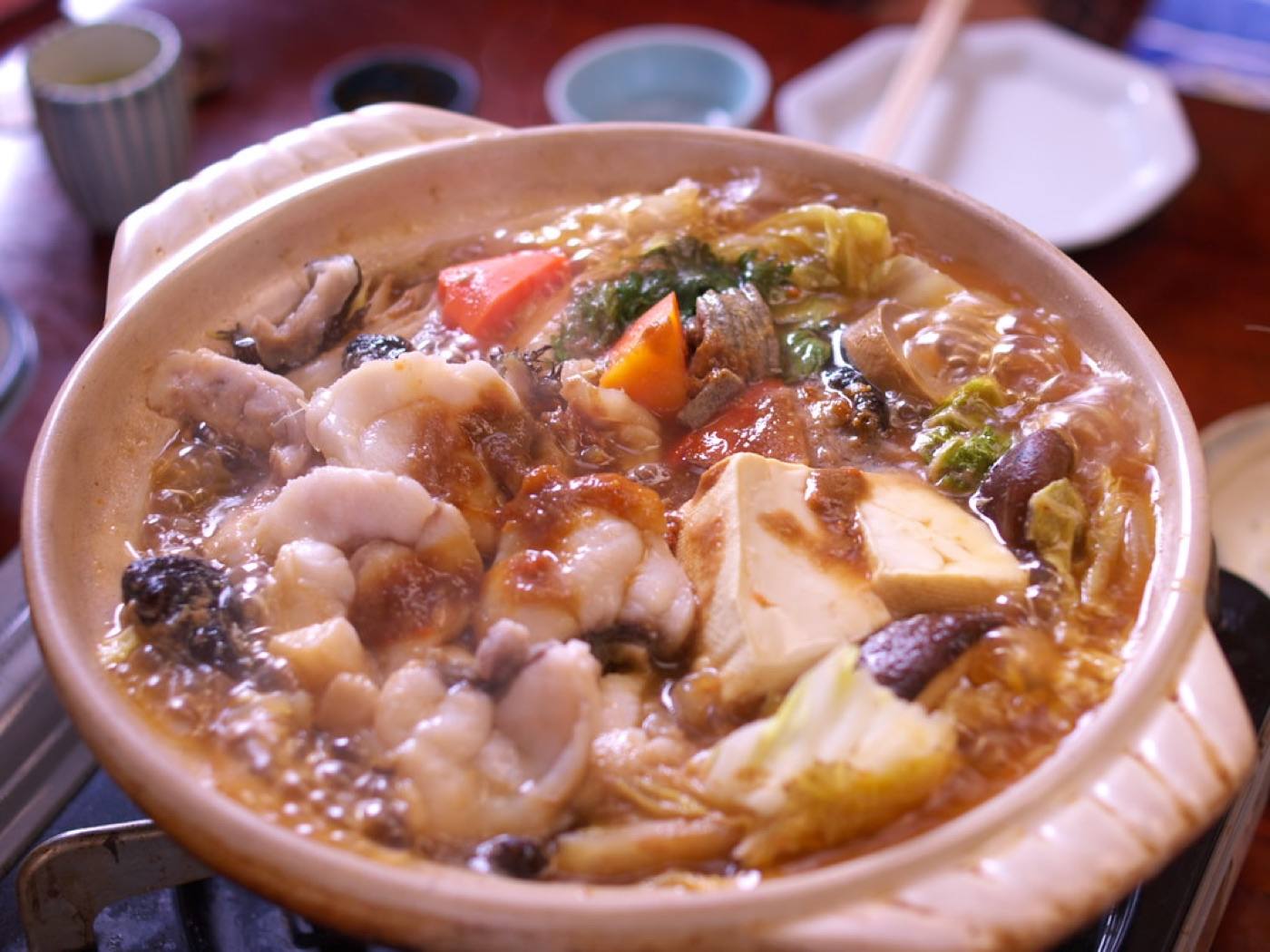
anglerfish hotpot

Anko-nabe

Monkfish hotpot, thick with liver, eaten on the winter coast. Ugly fish, excellent pot.
Winter¥2,000–4,000
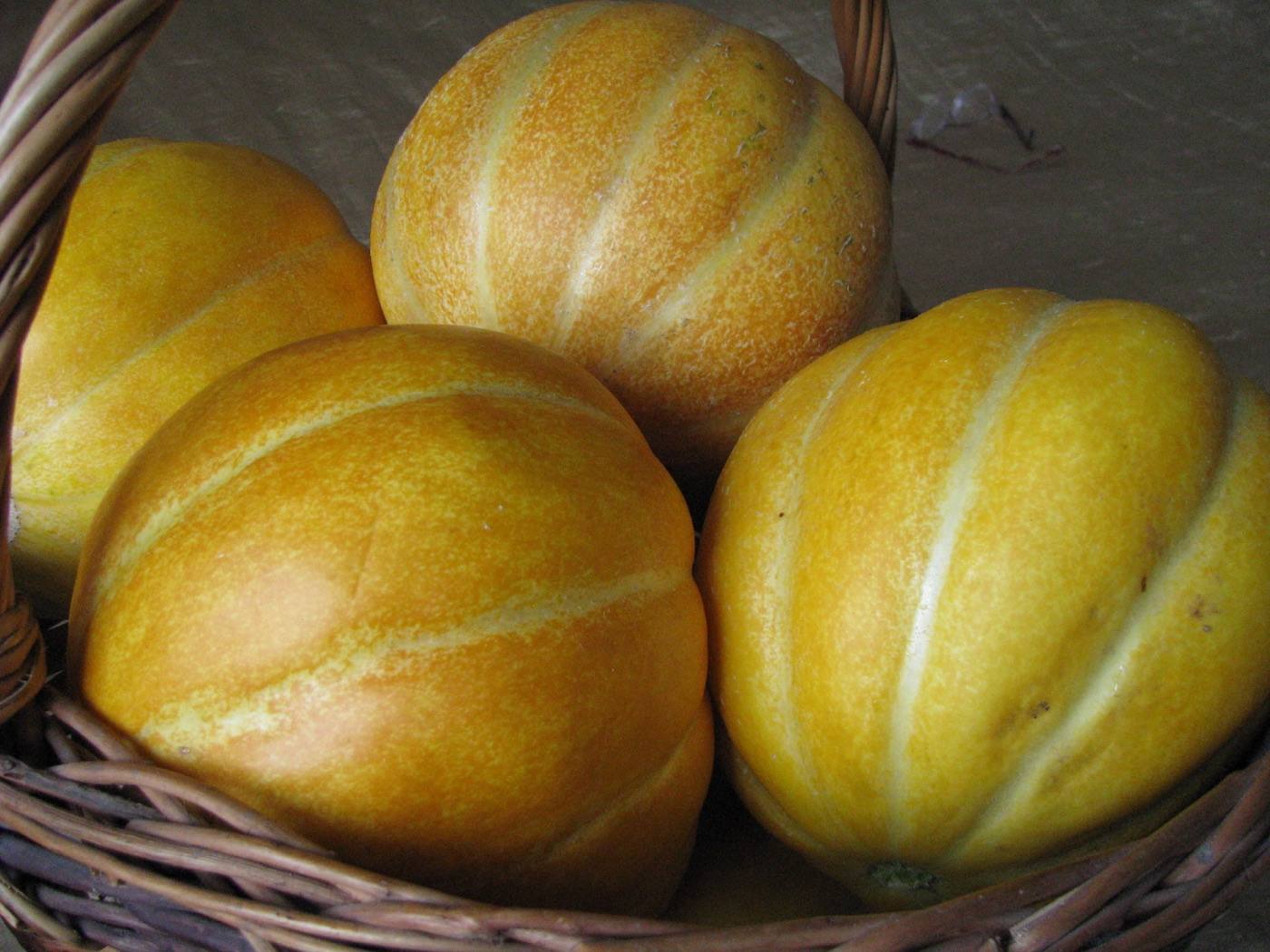
Ibaraki melons

Melon

More melon is grown here than anywhere else in Japan. Eaten as it is, or as soft ice cream.
Vegetarian¥500–3,000
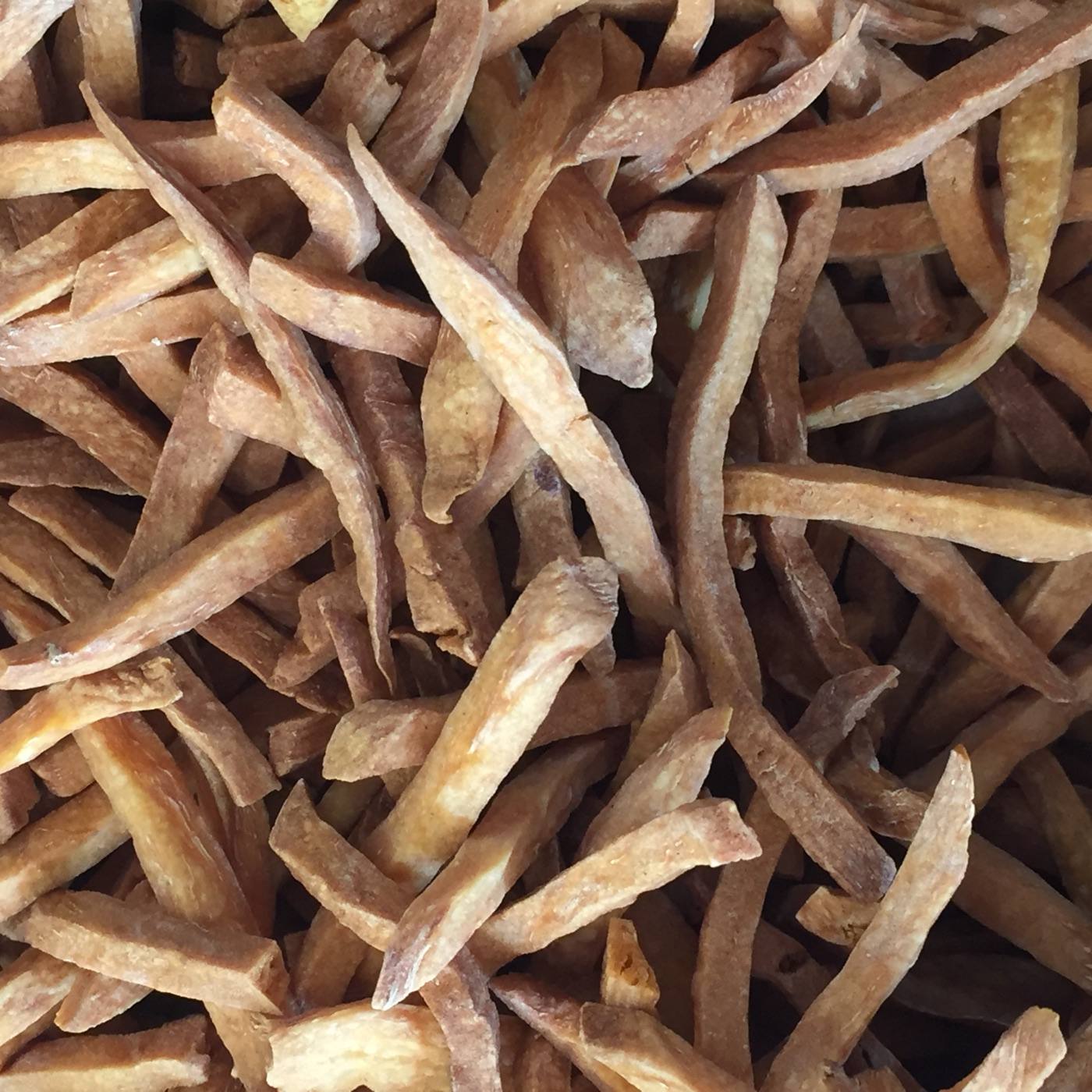
dried sweet potato

Hoshi-imo

Sweet potato steamed and dried into chewy strips. No sugar added, and it tastes as if there were.

Vegetarian¥400–900

Hidden favouritesThe places visitors keep finding

Small shops, no English sign outside, and worth the walk.

Ramen inside Mito station らーめん たいざん

Pork-bone broth with burnt garlic oil, on the fourth floor of the station building. You do not have to leave the station — useful if you are changing trains or waiting out the rain.

Order this
Burnt-garlic tonkotsu — 黒山 — ¥1,100
Taste
Pork-bone broth, thick, with black garlic oil poured over it. Stronger than the soy ramen most people try first
Or this
Oil soba — 油そば — from ¥880. No soup at all: you mix the noodles with the sauce at the bottom
Price
¥880–1,500
Where
Mito station building, Excel Minami, 4th floor
Open
11:00–22:00 (last order 21:30)
Phone
029-350-2370
Contains pork
Yes
MAP

Anglerfish hot pot at Oarai, by the sea お食事処 ちゅう心

Anglerfish hot pot is a winter dish on this coast: liver mashed into the broth, then the fish and vegetables. Run by the fish wholesaler next door.

Order this
Anko nabe — あんこう鍋 — winter only
Also
Sashimi and rice bowls all year
Open
11:30–14:00 and 17:30–21:00
Closed
Tuesdays, and one Wednesday a month
Phone
029-267-5134 — ring first; the pot is seasonal
Where
987 Isohamacho, Oarai
Raw fish
On the sashimi. The pot is cooked
MAP

Natto — fermented soy beans, in straw 水戸天狗納豆 笹沼五郎商店

Mito has made natto since 1889. The beans are small here, wrapped in straw bundles rather than plastic boxes. Upstairs there is a free room about how it is made.

Order this
Warazuto natto — 藁苞納豆 (a straw bundle)
Taste
Strong smell, sticky threads, savoury. Eaten over rice with soy and mustard
Open
9:00–17:00
Closed
1 January
Phone
029-225-2121
Where
3-4-30 Sannomaru, Mito City — 10 min walk from Mito station
Soy
Fermented soy beans. No meat, no dairy
MAP

Dried sweet potato, nothing added 幸田商店 水戸駅店

Ibaraki grows nine tenths of Japan's hoshi-imo. The potato is steamed, sliced and left in the sun for days until it turns amber. There is no sugar in it at all.

Order this
Hoshi-imo — 干し芋 (sold in bags, several thicknesses)
Taste
Chewy, honey-sweet, entirely from the potato itself
Open
10:00–20:30
Closed
Follows the station building's calendar
Phone
029-228-1137
Where
1-7-31 Miya-machi, Mito City — Excel Minami 3F, at JR Mito station
Contains
Sweet potato only. No dairy, no egg, no wheat, no sugar added
MAP

Chestnut cream, piled in threads 栗のいえ

Kasama grows a great many chestnuts, and a pastry chef who worked in Paris and Macau came back to press them into threads over cream. The shop is a farmhouse about 130 years old.

Order this
Mont Blanc — モンブラン
Taste
Chestnut and almost nothing else. The threads are piped fresh, so it is eaten there
Open
From 10:00 (eat-in from 10:30)
Closed
Mondays and Tuesdays (open on public holidays, shut the next day)
Phone
0299-57-2728
Where
1285-25 Haji, Kasama City
Contains
Chestnut, dairy, egg, wheat
MAP

Vegetables and tea from the western plain 道の駅 まくらがの里こが

The market for the farms of western Ibaraki. Vegetables come in from the fields around it, and the shelves carry Sashima tea grown nearby, along with a bakery and a food court.

Order this
Sashima tea — さしま茶 (grown near Koga)
Taste
Deep green, a little bitter
Open
9:00–20:00, every day — each counter inside keeps its own hours
Phone
0280-23-2661
Where
Owada 2623, Koga City
MAP

The local bird, over rice 弥満喜

Daigo sends its visitors up to Fukuroda Falls. Back by the station, this place cooks the shamo raised in the hills around the town.

Order this
Okukuji shamo don — 奥久慈しゃも丼
Taste
Lean, firm chicken with a strong flavour, laid over rice
Open
Lunch 11:00–15:00
Dinner
17:00–20:00
Closed
Wednesday
Phone
0295-72-0208
Where
Daigo 741, Daigo Town — 5 minutes on foot from Hitachi-Daigo station
MAP

Sashimi bowls at the fish market お食事処 小舟

One of the eating houses inside the fish market at Nakaminato, and the one that stays open into the evening.

Order this
Hamakko don — 浜っ子丼
Also
Sazanami don — さざ波丼, or ama-chan don — 海女ちゃん丼
Open
10:30 to 18:30, last order 18:00
Weekends
From 9:30 on Saturday, Sunday and holidays
Closed
Second and fourth Friday
Phone
029-263-7177
Where
Minato-Hon-cho 19-8, Hitachinaka — inside Nakaminato fish market
Raw fish
Yes — the rice bowls are served raw
MAP

Hitachi autumn buckwheat 一風亭

Ibaraki grows a buckwheat of its own called Hitachi aki-soba, cut in autumn. This place north of Mito serves it.

Order this
Hitachi aki-soba — 常陸秋そば
Open
11:00 to 15:00, and 17:00 to 20:00
Closed
Mondays
Phone
029-353-2255
Where
Iida 2411-1, Naka City
Contains
Buckwheat
MAP

Renkon curry — lotus root, in a converted storehouse 土浦まちかど蔵「野村」 喫茶 蔵

Tsuchiura is lotus-root country. This cafe sits inside a converted merchant storehouse and serves it as curry. The city also lists lotus-root fritters and dumplings around town.

Order this
Renkon curry — れんこんカレー
What renkon is
Lotus root — the crisp, hole-filled root grown in the marshes here
Also around town
Lotus-root fritters and lotus-root dumplings, per the city’s own list
Open
10:30-17:30
Closed
The first Monday of the month, and 29 December to 3 January
Phone
029-824-2810
Where
Chuo 1-12-5, Tsuchiura
MAP

RestaurantsWhere to eat in Ibaraki

How to eat well here today

Ask your hotel
The front desk will book by telephone for you
Eat at lunch
The same kitchens serve set lunches for a fraction of the evening price, with no reservation
Station buildings
Almost every main station has a floor of restaurants with picture menus. Reliable, and open late
Convenience stores
Genuinely good food at 2am, with ingredients on the label
Cash
Ask “Card OK?” before you order. Many small places are cash only

If there are things you do not eat

No pork
Say Buta-niku nashi, or show a card
No alcohol
Osake nashi
Nothing raw
Nama wa dame desu
Vegetarian
Oniku to sakana nashi
Allergy
Arerugii ga arimasu — and show a card. Say it before you order

Where to go next

Photo: by RuinDig/Yuki Uchida (CC BY 4.0), via Wikimedia Commons
Photo: by Syced (CC0), via Wikimedia Commons
Photo: by woinary (CC BY-SA 2.0), via Flickr
Photo: by Zenon Sych (CC BY-SA 4.0), via Wikimedia Commons
Photo: by François Nguyen (CC BY 2.0), via Wikimedia Commons
Photo credits and licences
⚲Map ✉Call ⚠Emergency