Eating in Fukui
Try these dishes while you are here.
Try these dishes while you are here.
Order the first one and work down the list.

We recommend ordering this one first.
Snow crab landed at Echizen from November, tagged at the port. The local event of the year.
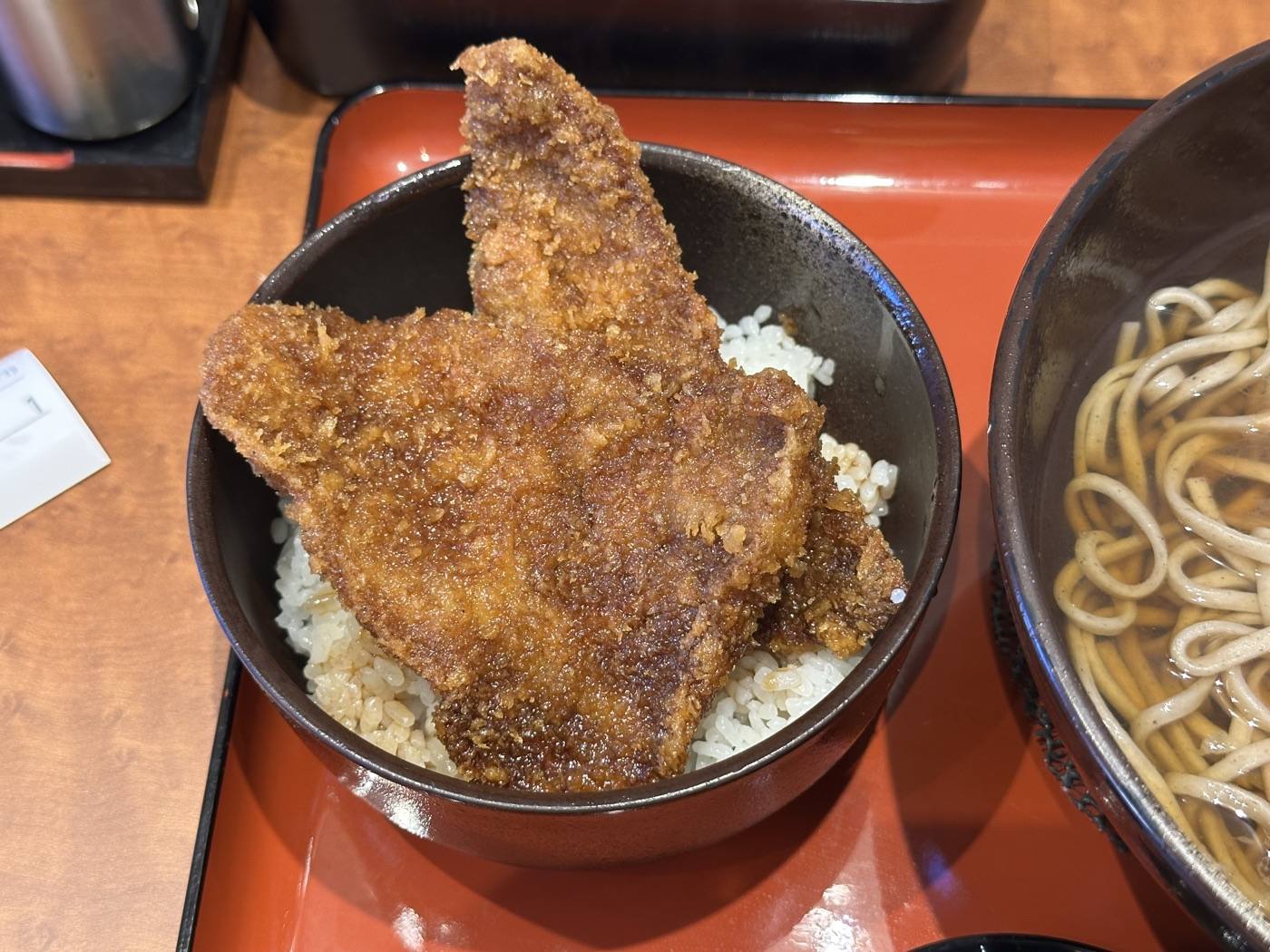
A thin pork cutlet dipped in sweet-sour sauce, on rice, with no egg. Fukui claims it first.

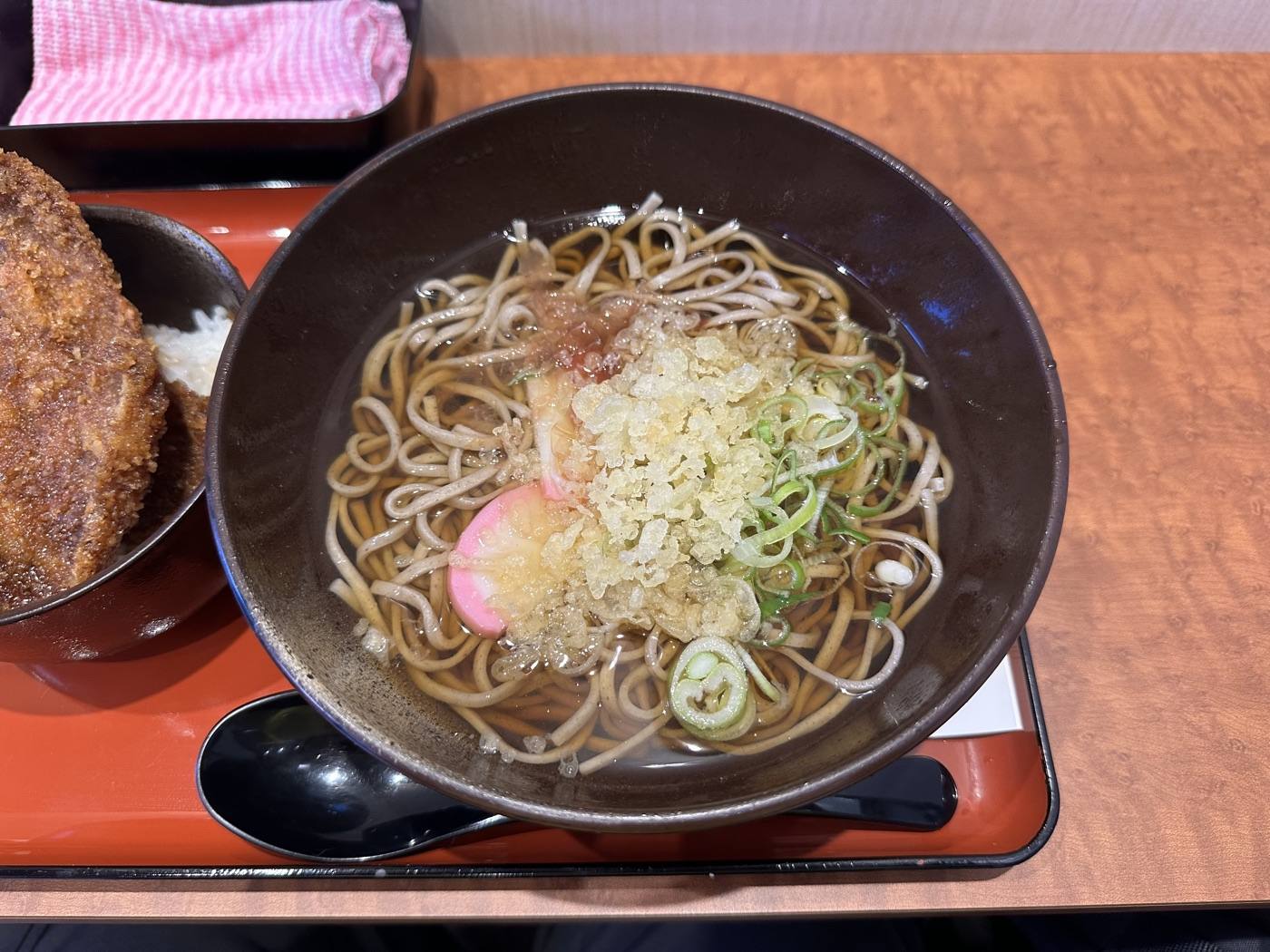
Cold soba with grated daikon and broth poured over. Sharp, plain and very good.
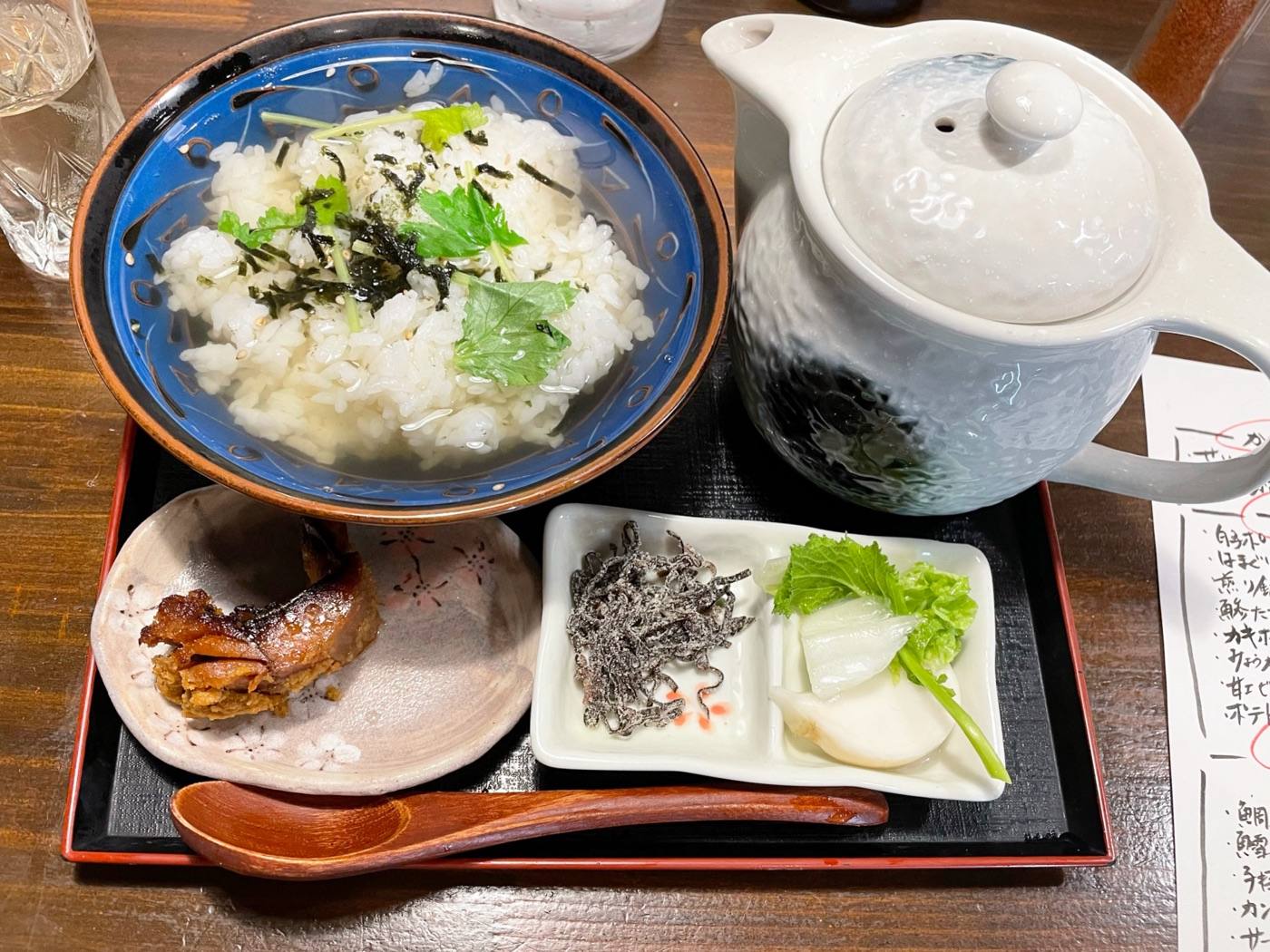
Mackerel salted and fermented in rice bran for a year. Strong, salty, and eaten in small pieces with rice or sake.
Small shops, no English sign outside, and worth the walk.
A thin pork cutlet dipped in Worcester sauce and laid straight on the rice. No egg, no onion, no broth — which is not what katsudon means anywhere else in Japan.
Echizen soba is served cold under grated daikon and its juice, with bonito flakes and spring onion. Sharper than ordinary soba sauce.
A block of firm tofu lowered into oil for the best part of an hour, so the outside goes hard and the middle stays soft. Made in the hills since 1925.
Habutae mochi is named after habutae silk — pounded rice rolled out flat and dusted, so soft it tears. This shop has made it since 1847. Water yokan in winter.
Obama sent fish over the mountains to Kyoto on foot, along a road still called the Mackerel Road. The fish is salted, run through with a bamboo skewer and grilled whole.
Tsuruga was the port where kelp from Hokkaido came ashore and was traded on to Kyoto. The shop still ages its kelp in wooden warehouses before selling it.
Habutae-mochi is a rice cake named after silk, rolled thin and soft. Here it is layered with walnuts, so every piece has a crunch running through it.
Mikuni is a port town and the sweet shrimp come straight off the boats. This place presses fish into sushi rather than serving it loose.
Fukui Prefecture describes Volga rice as omelette-wrapped rice with a pork cutlet on top and sauce poured over. The sauce differs from shop to shop.