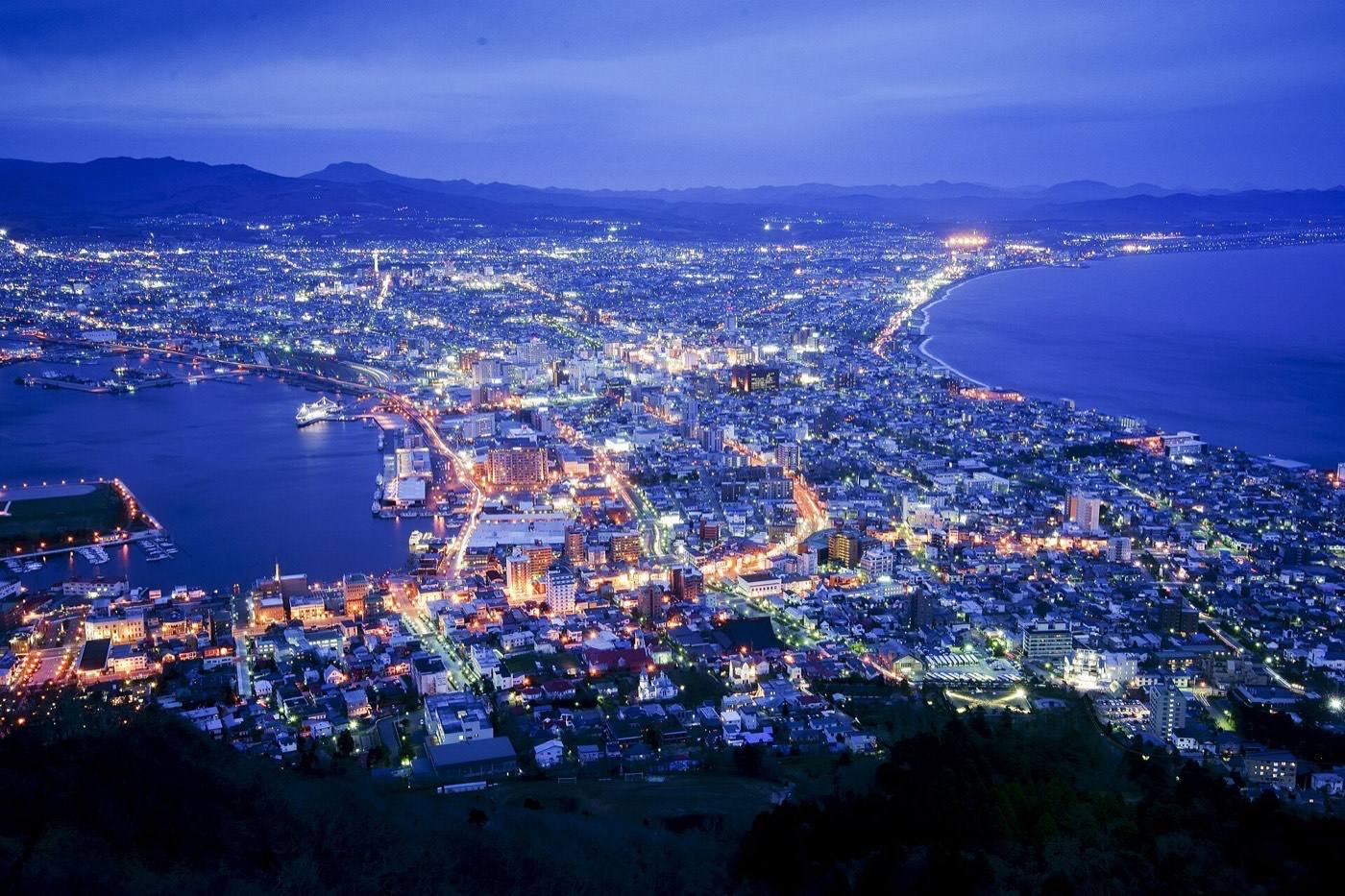
Night views夜景
Go up an hour before sunset and stay for the blue half hour.
Go up an hour before sunset and stay for the blue half hour.
The good ones share a shape: a hill or a tower next to water, so that the lights end in something black. A grid of lights to the horizon is impressive; lights against a dark bay are memorable.
The practical trick is to go up an hour before sunset, not after it. You get the daylight view, the ten minutes of blue light that photographs best, and the full night view — and you come down while everyone else is still queueing to go up.
Almost all of these are reached by ropeway, lift or bus, cost a few hundred to a couple of thousand yen, and are colder at the top than you expect.
Most observation decks ban tripods, so brace the camera or phone against the rail or the glass, and turn the flash off — it only photographs the glass.
If there is a viewing window, press the lens right against it to cut reflections.
Blue hour — the twenty minutes after sunset — is when the sky still has colour and the lights are on. That is the photograph.
Each links to its prefecture.
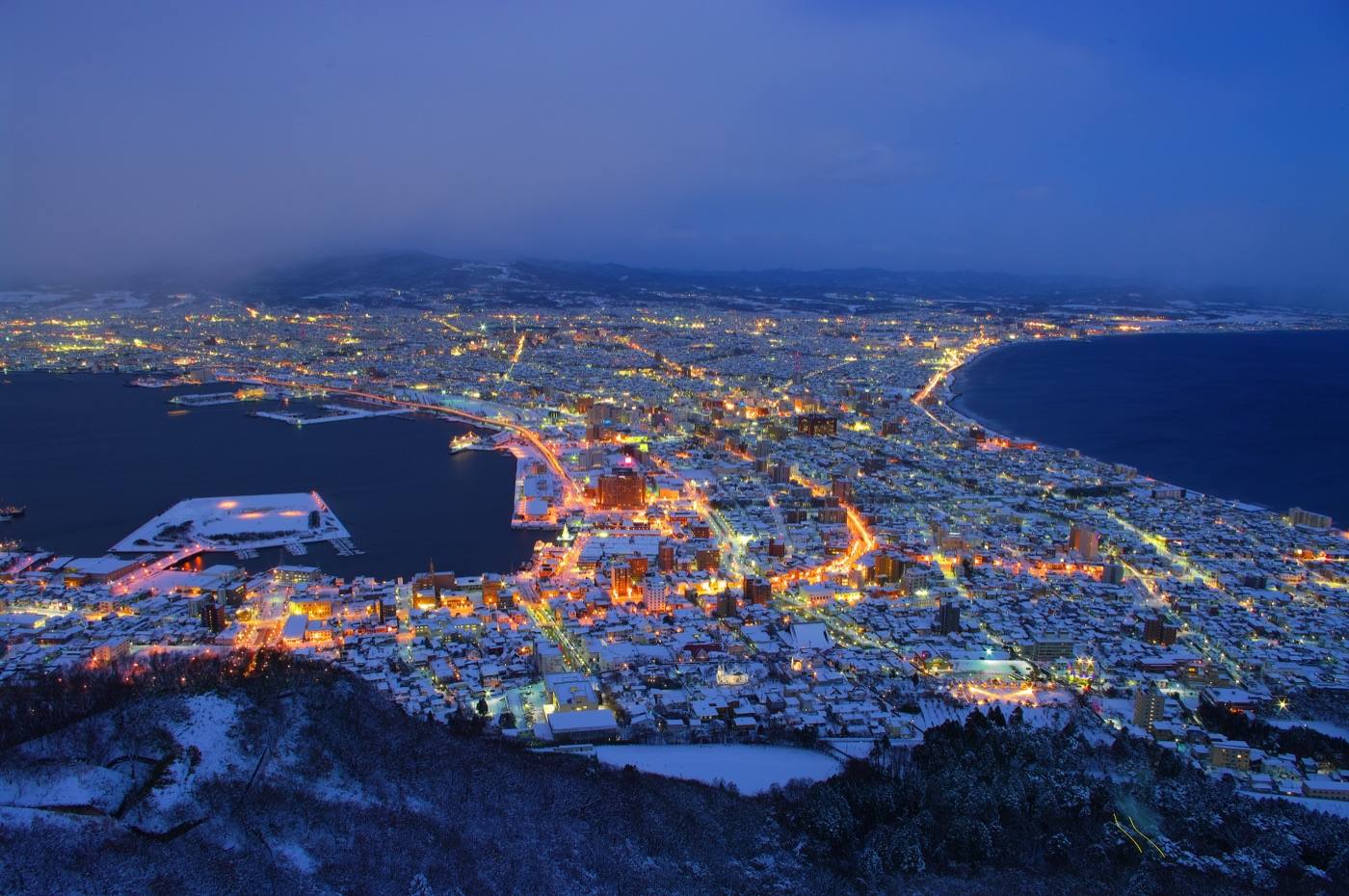
Lights narrowing to a bright band between two black bays. Three minutes by ropeway.
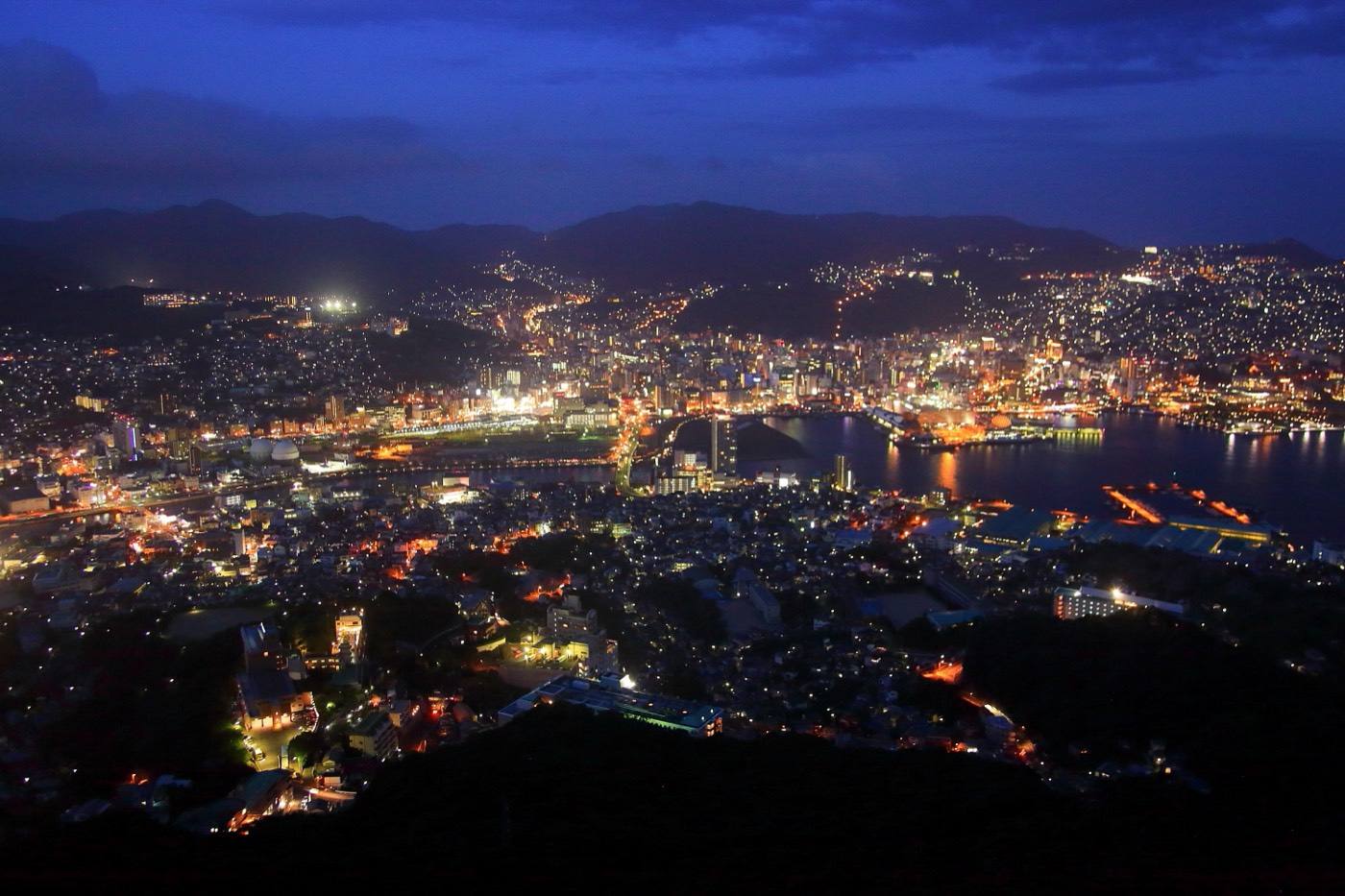
A harbour ringed by hills, from a ropeway above the city.
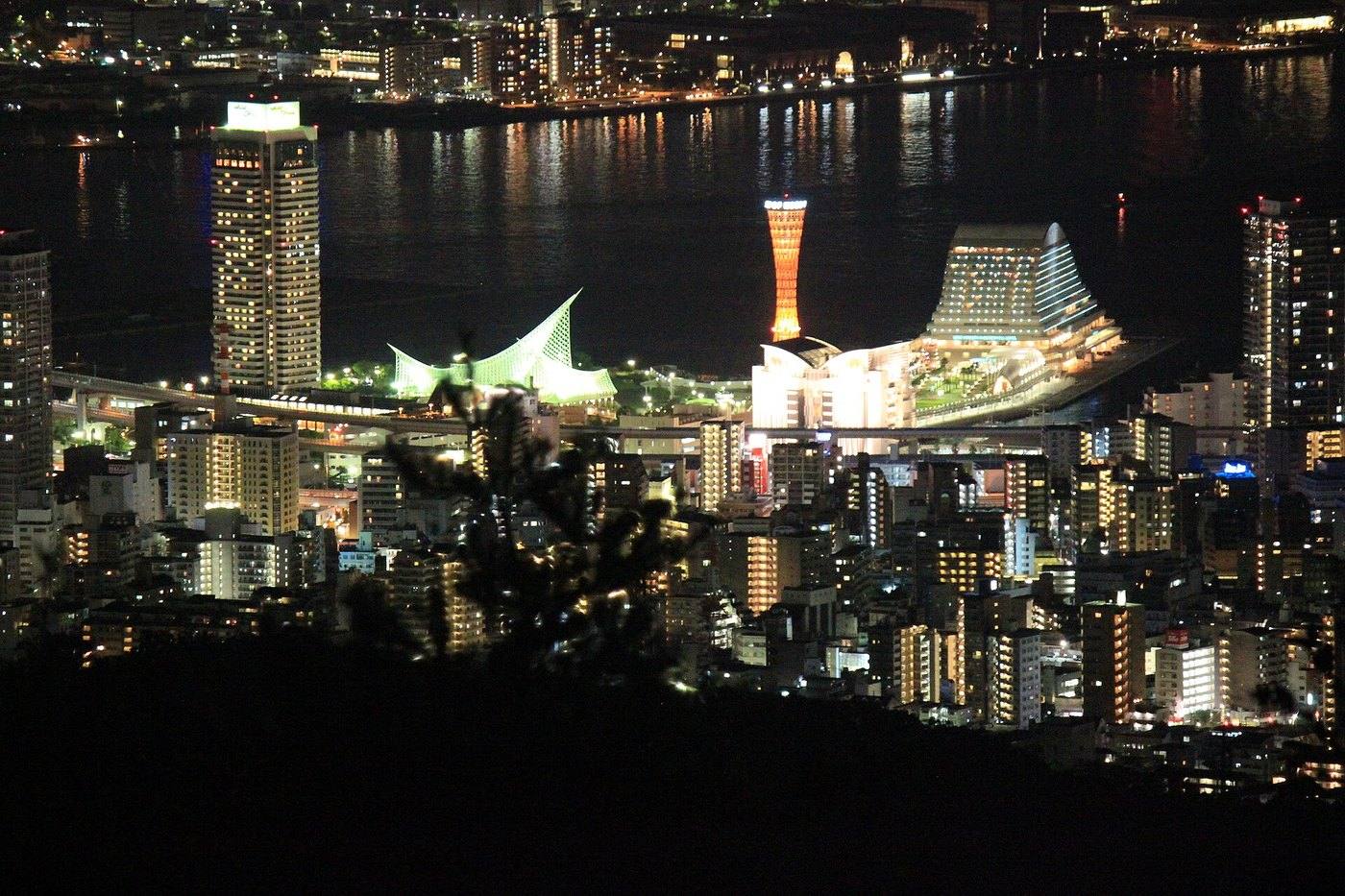
A long city strip between mountains and sea, seen end to end.
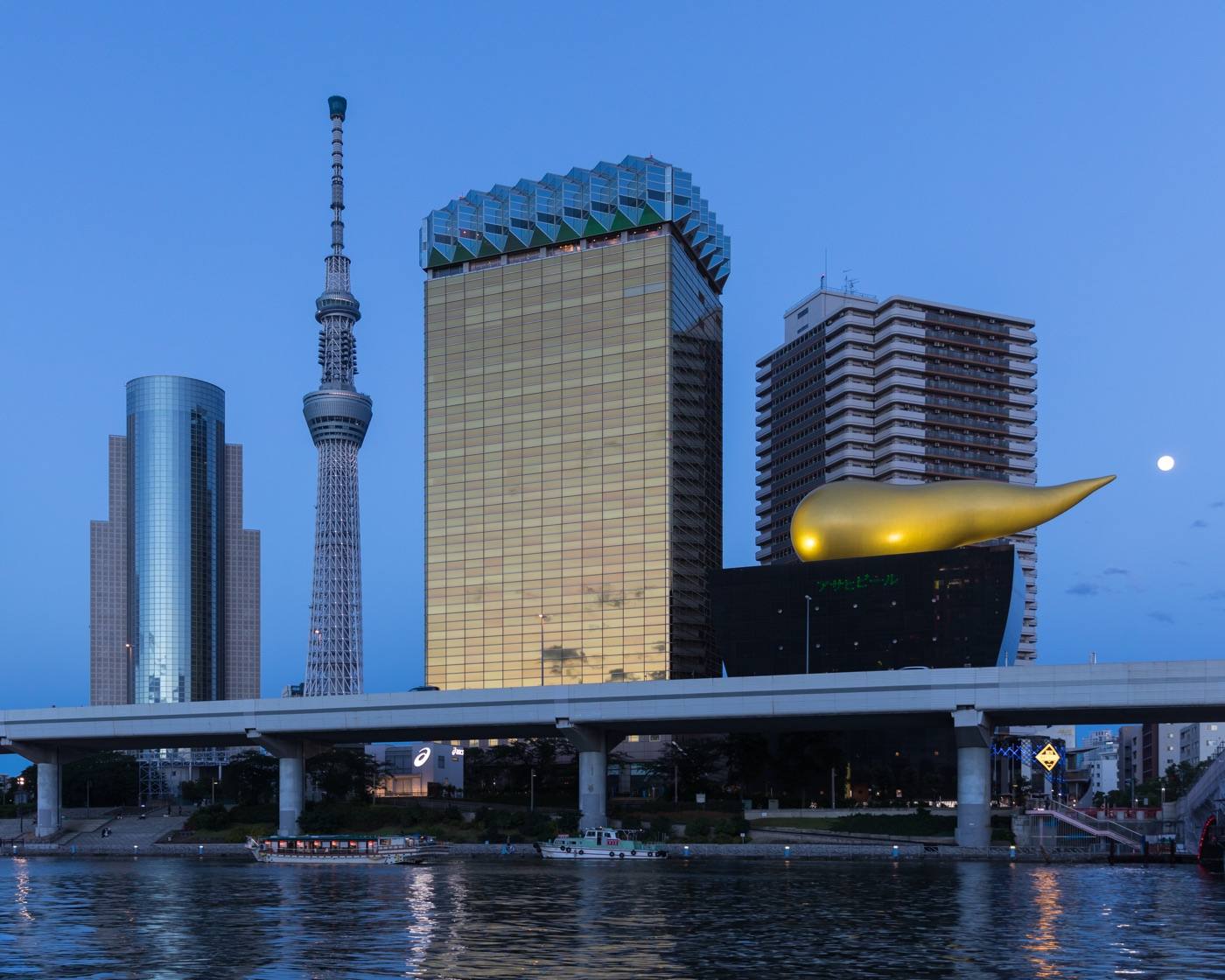
From the Skytree at 634 metres, or free from the Shinjuku observation floors.
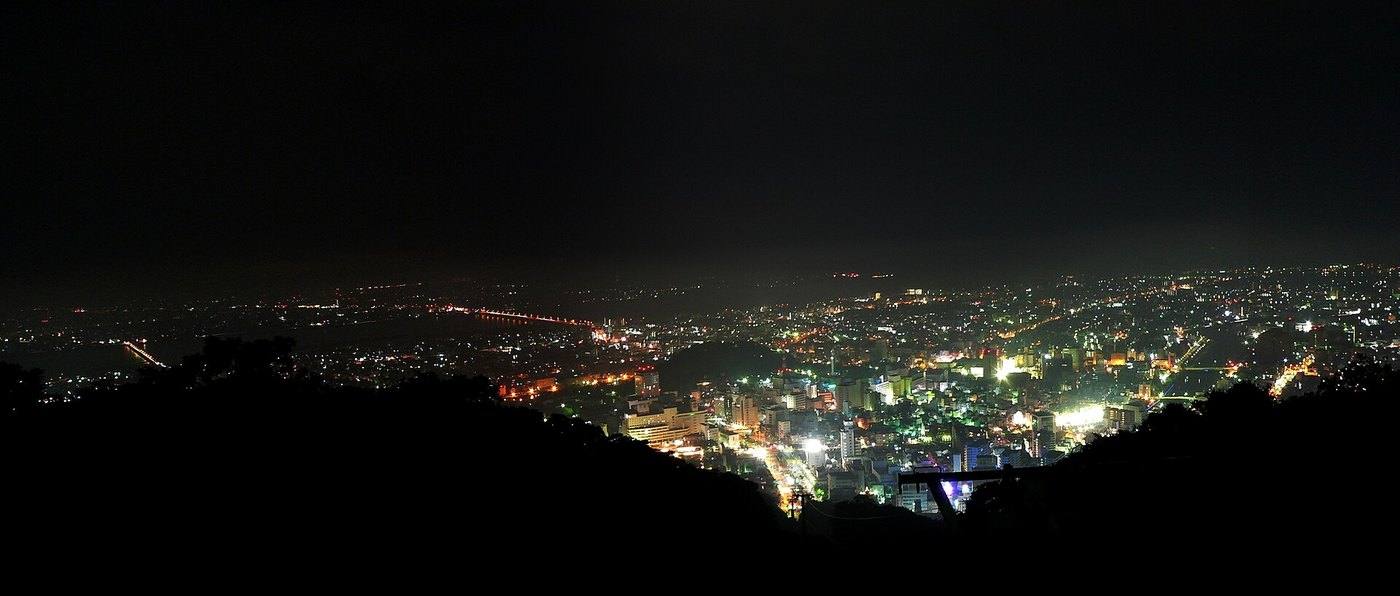
A small city, a strait and mountains behind, by a short ropeway.
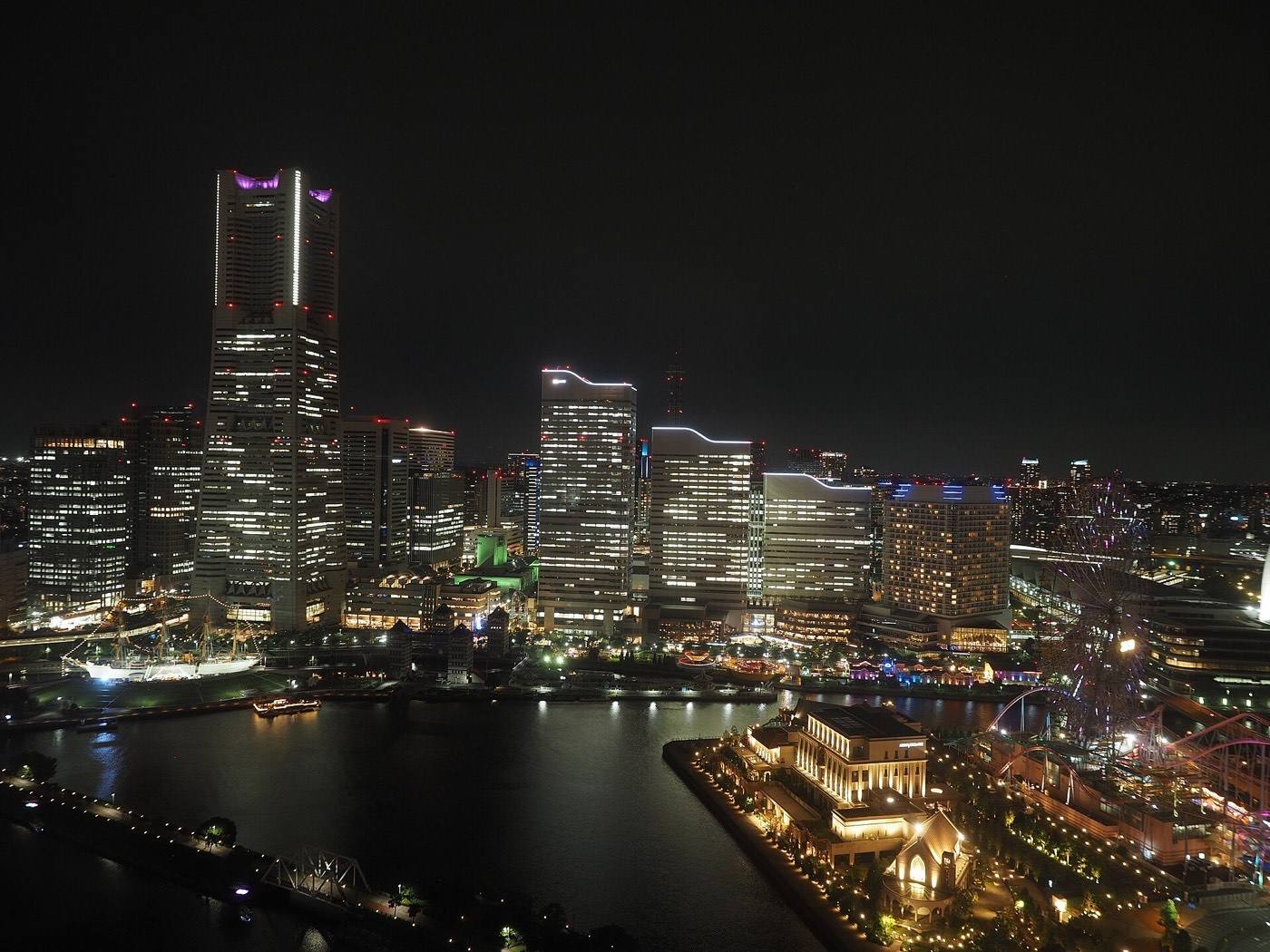
A waterfront of towers reflected in the harbour, half an hour from Tokyo.