Which prefecture is this in?Where to plan the rest of your trip
A place can be better known than the prefecture it sits in. Use the prefecture pages below to work out where to eat, where to stay, how to get around and who to call.
Wide straight roads, few signals, and national parks a train timetable cannot reach. A day covers twice the ground it would on the main island. June to September, six nights at RV Parks and three at hotels.
Come here for the driving. Two hundred kilometres between stops is a normal day, and the road is often empty from one town to the next. Fuel stations thin out inland — fill up in the towns rather than between them.
Plan it for June to September. The roads are open, the days are long, and Hokkaido has no rainy season — so June here is dry while the main island is wet, and it is the quietest of the four months.
Treat this route as a summer one. In winter the roads are ice, many mountain routes close, and Come in winter by train and stay in hotels; the drift ice and the snow are worth a separate trip on rails.
Collect the van at the airport and drive west. Two crater lakes sit within an hour or two, both ringed by hills and both with roads all the way round. Sleep at an RV Park by the water.
Walk the boardwalk through the valley in the morning. Bare grey rock, steam coming out of the ground, and a path that takes an hour. Then drive the Pacific coast road east. Sleep at an RV Park along the coast.
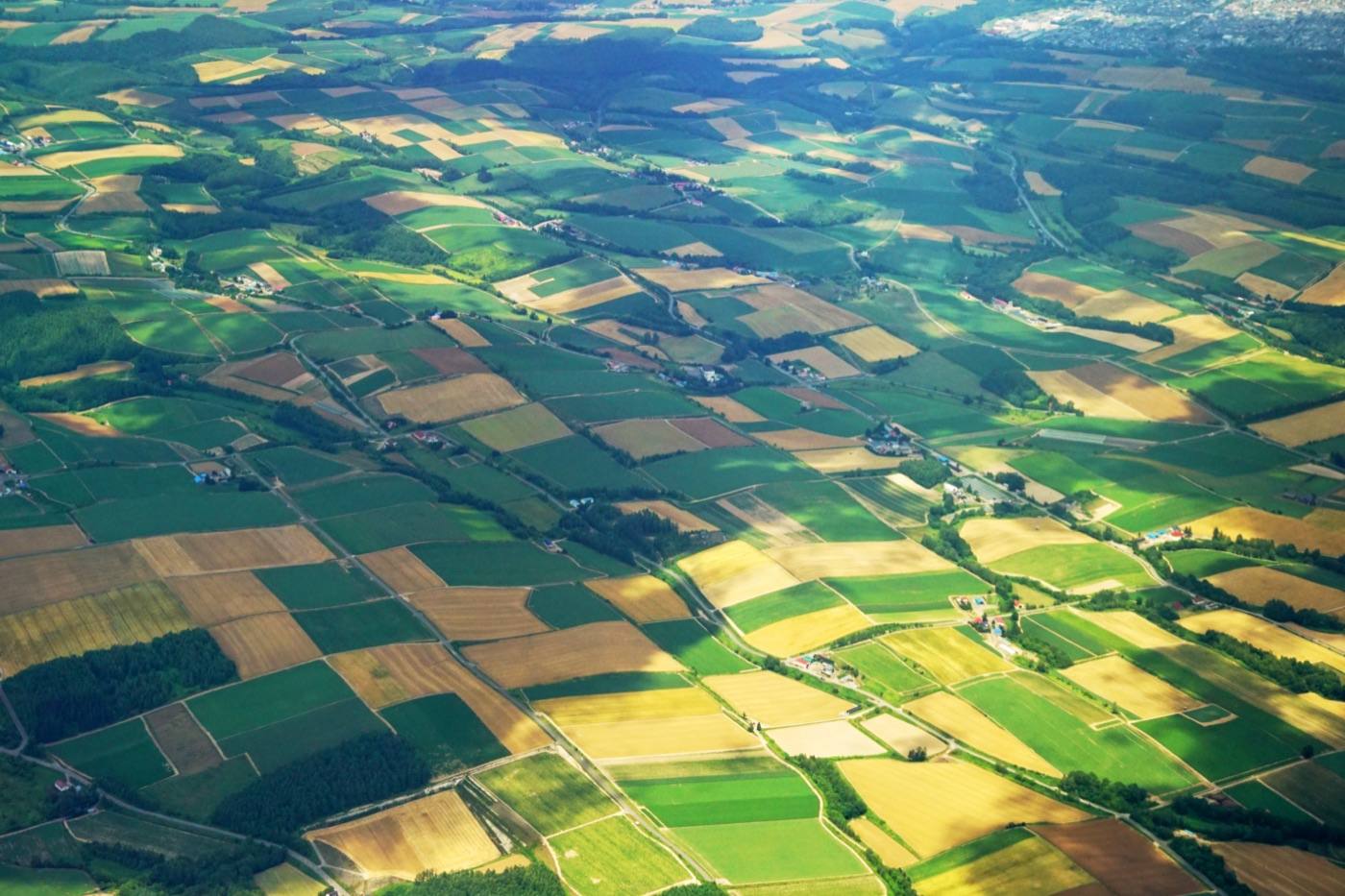
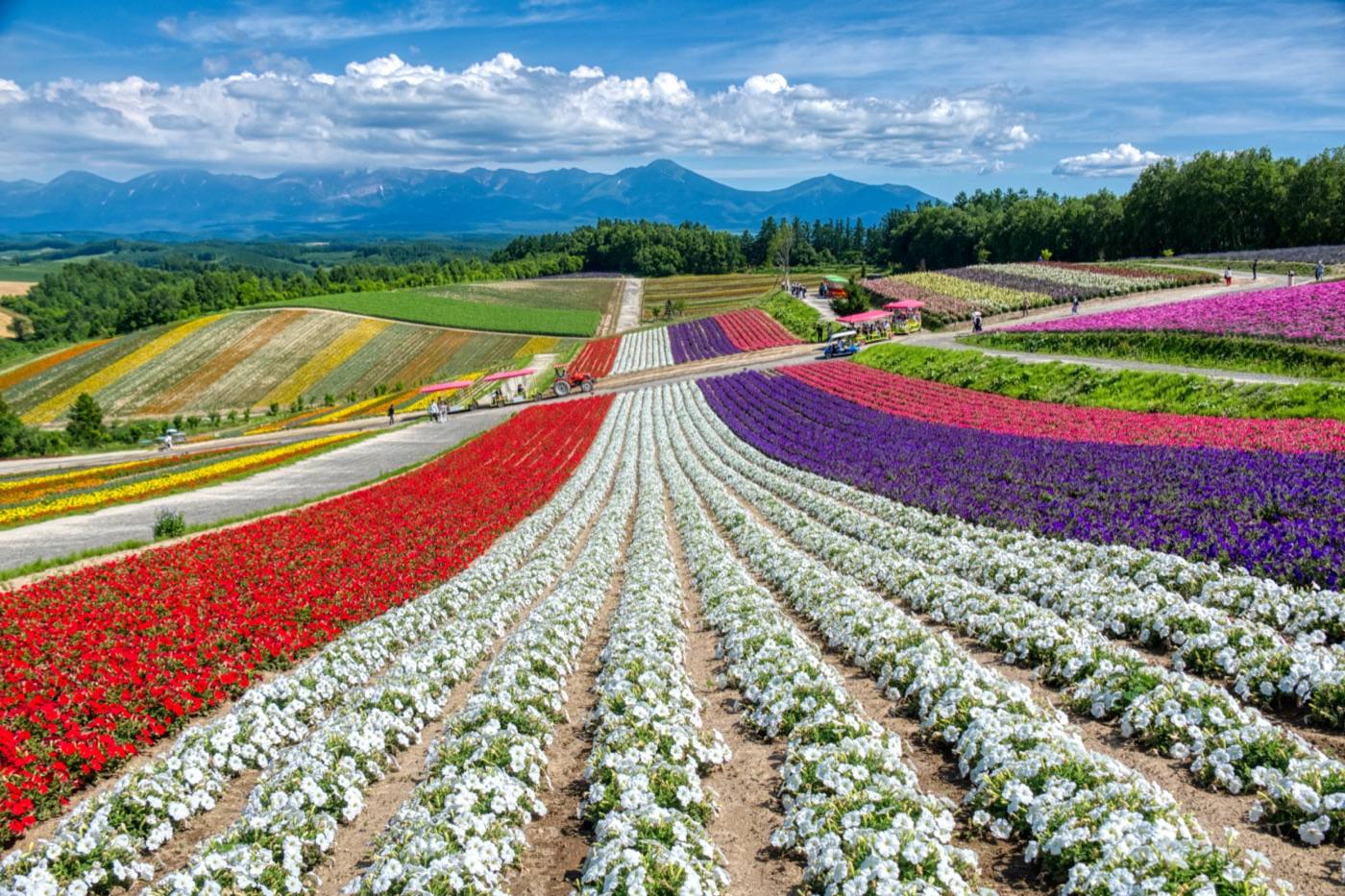
Arrive in the lavender fields in the first half of July if your dates allow it. The bands of colour are planted across whole hillsides. Outside July the same hills are wheat, potatoes and beans in blocks of green and gold, which is a quieter and equally good drive. Sleep at an RV Park near the fields. Furano and Biei in detail
Drive the hills at five in the morning. Low light across the fields, mist in the hollows, and empty roads because the coaches start at nine. Photograph from the road and the marked viewpoints — the famous single trees stand in fields that belong to somebody.
Take a hotel in Asahikawa tonight. Fourth night, a bath and a washing machine, and the city is on the way to the mountains.
Take the ropeway up into the range and walk the level path at the top. This is the largest national park in the country and the alpine plants are at eye level. Then drive the gorge road below, between rock walls with waterfalls coming off them. Sleep at an RV Park near the gorge.
Drive east across the middle of the island. The road runs through forest for a long way with very little on it. Stop at the lookout above the caldera lake at Mashu — it is often inside cloud, and the lake can only be seen on days when the air is clear, so treat a clear view as a bonus and the drive as the reason. Sleep at an RV Park in the caldera.
Walk the boardwalk to the lakes in the morning and take the boat along the coast in the afternoon. This peninsula is a World Heritage site where the forest reaches the sea and there is no road along most of it.
Keep all food inside the vehicle here and follow the signs. The boardwalk is raised above the ground for most of its length, and the local advice is written from experience. Take a hotel in Utoro tonight.
Dig a hole at the edge of the lake and let it fill with hot water. The shore here is heated from below, so you make your own bath in the sand with your hands and sit in it looking across the water. It is free and it is one of the strangest pleasant things in Japan. Sleep at an RV Park nearby.
Drive the plain in the morning — long straight roads between fields, with mountains on the horizon on both sides. Take a hotel near the airport tonight and use it to pack and wash. Returning a van tidy is easier from a hotel than from a car park.
Fill the tank before the branch and allow an extra hour. Airport branches are busy at handover time in summer.
A place can be better known than the prefecture it sits in. Use the prefecture pages below to work out where to eat, where to stay, how to get around and who to call.