Eating in Toyama
Try these dishes while you are here.
Try these dishes while you are here.
Order the first one and work down the list.
We recommend ordering this one first.
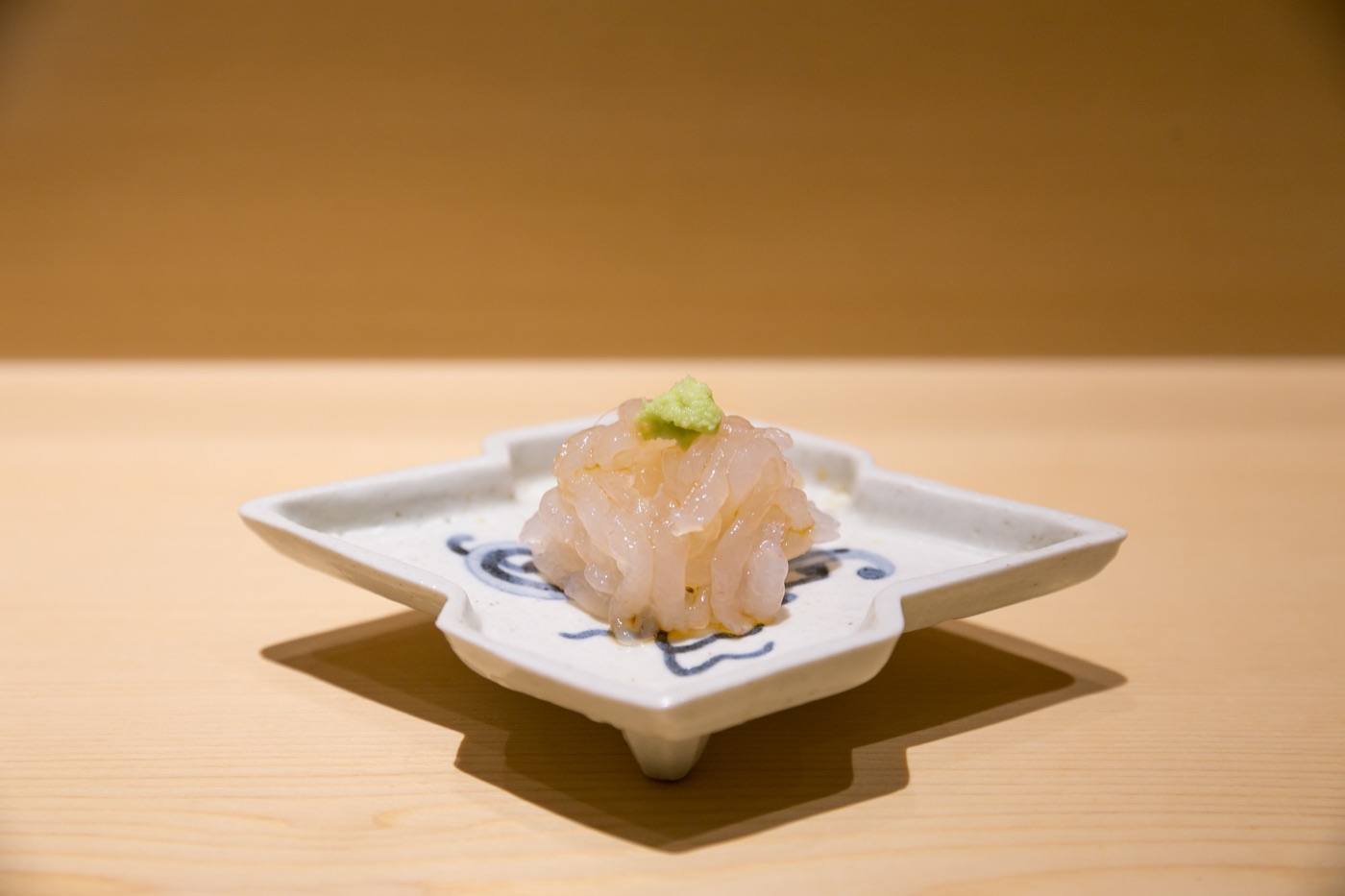
Tiny translucent shrimp from the deep bay, eaten raw as sushi or fried. Landed and served the same morning.
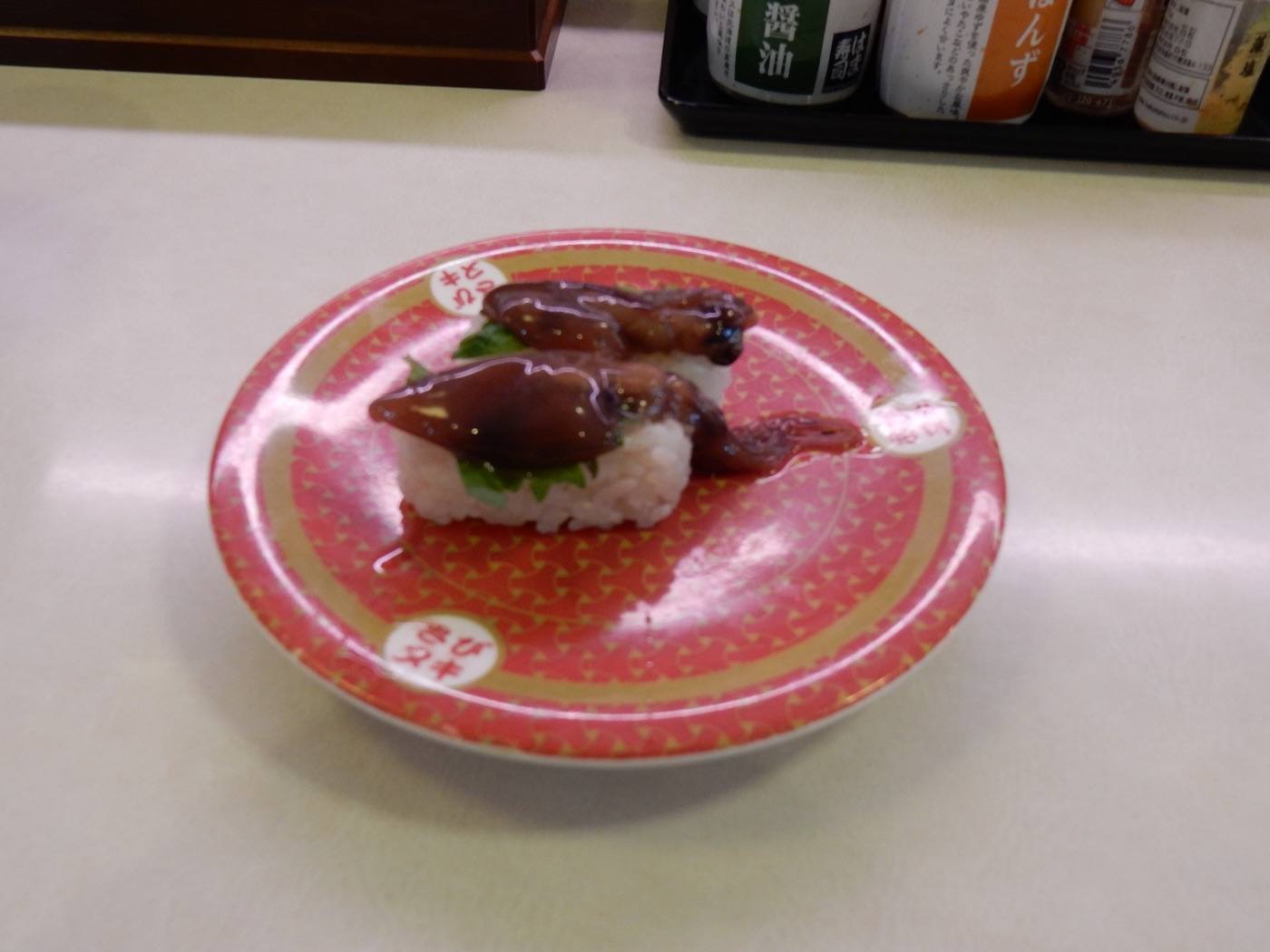
Firefly squid, which glow in the bay in spring. Boiled or raw, and only for a few weeks.

Ramen in a soy broth so dark it looks like ink, heavily peppered. Made for labourers, and still salty.
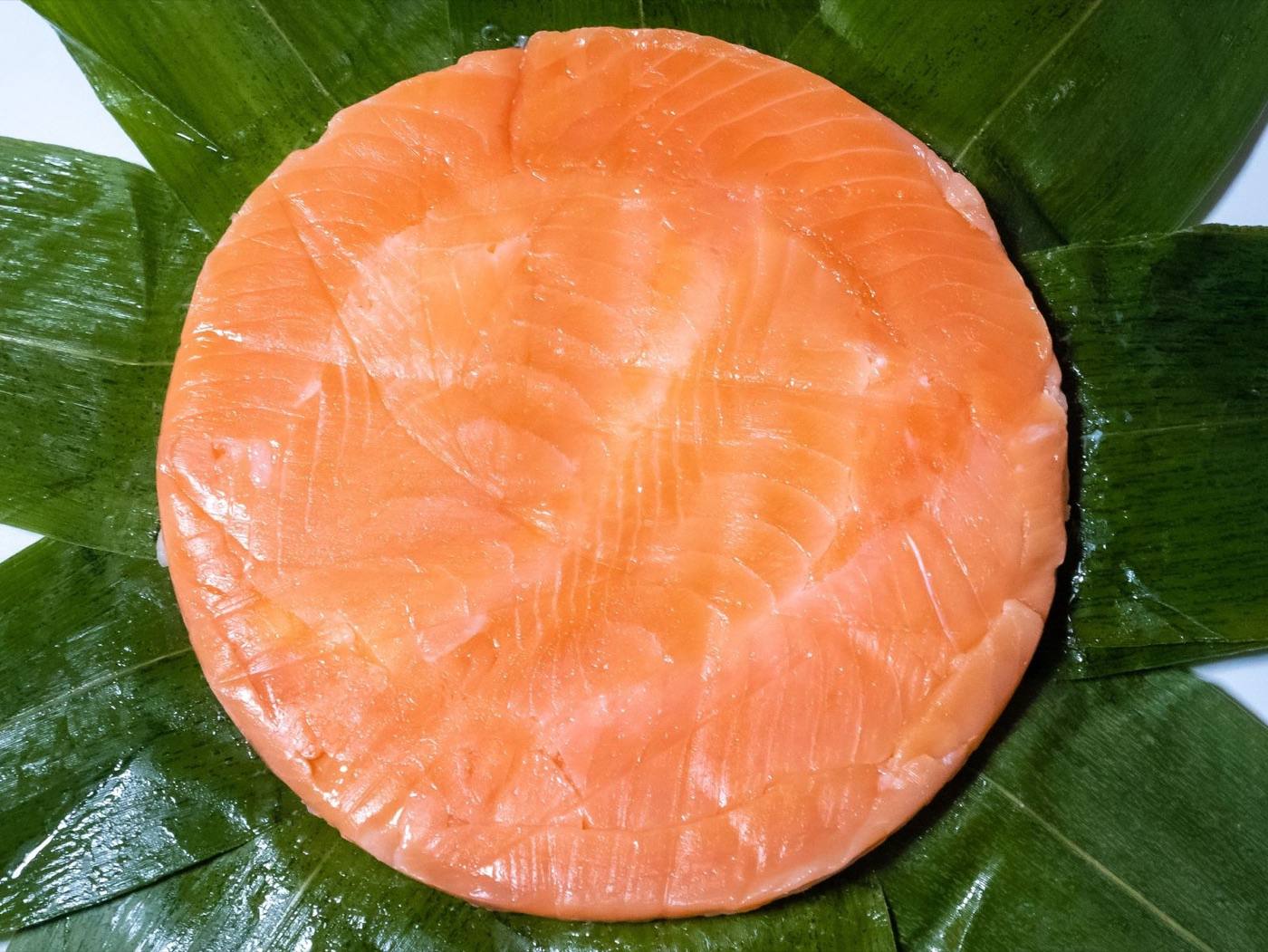
Trout pressed on vinegared rice in a round wooden box, cut like a cake. Sold at the station for a century.
Small shops, no English sign outside, and worth the walk.
The soup is nearly black and heavily salted. Order the rice with it — the bowl is built to be eaten against plain rice, not drunk on its own. There is coarse black pepper on top.
Trout pressed into vinegared rice in a round wooden box, wrapped in bamboo leaf. Bought at the station and eaten on the train.
Shirebi are about four centimetres long and are peeled by hand, one at a time. They are caught in the deep trench of Toyama Bay and almost never leave the region.
Himi udon is stretched by hand and oiled as it is pulled, so it comes out thin and unusually springy — closer to somen in thickness but with real bite.
Toyama sat at the end of the kelp route from Hokkaido, and the habit stuck — here it goes on rice balls instead of seaweed. The kelp is pressed and shaved into fine threads.
Toyama wraps its kamaboko in kelp instead of standing it on a board, and carves it into sea bream and cranes for weddings. Here you can watch it made, or roll one yourself.
Gokayama is a valley of steep thatched houses. Its tofu is pressed harder than the ordinary kind, so it stays whole when grilled or simmered.
A canteen on the floor above the fish market at Himi. It opens before seven.
Hotaru-ika are small squid that light up. They come into Toyama Bay in spring, and this museum on the shore keeps them alive to show.
Tonami City describes daimon somen as hand-pulled noodles coiled into a round bundle rather than laid out straight. Made from early winter through late spring.