Eating in Tottori
Try these dishes while you are here.
Try these dishes while you are here.
Order the first one and work down the list.
We recommend ordering this one first.
Snow crab landed here from November. Boiled whole, or raw as sashimi at the port.
Cattle raised on the slopes of Mt. Daisen. Less famous than Kobe, and considerably cheaper.
The prefecture eats more curry than most. Local versions use beef from Daisen and pears in the sauce.
Crisp, pale, extremely juicy pears, picked from late August. Sold at every roadside stand.
Small shops, no English sign outside, and worth the walk.
Tofu mixed with white fish and steamed into a roll. It is made here and almost nowhere else in Japan. Book ahead and you can shape your own, then eat it warm.
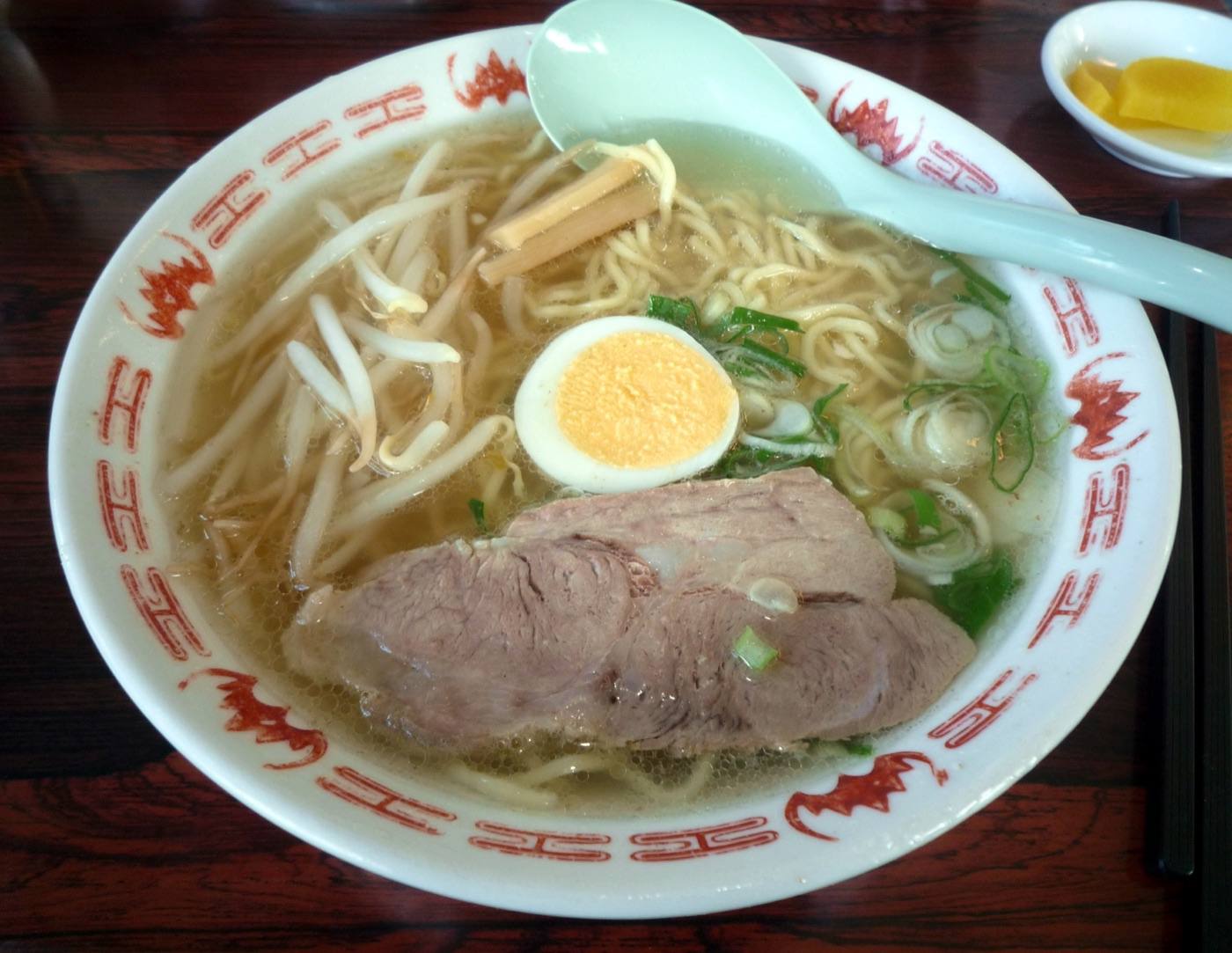
Central Tottori builds its ramen broth from beef bones rather than pork. Sweeter and lighter than it sounds. The evening service runs until two in the morning.
At the central entrance to the sand dunes, so it is where most people eat before or after walking out onto the sand. Fish from the Japan Sea, and Tottori beef.
Tottori grew the nashi pear that made its name — pale green, crisp, more water than flesh. The museum keeps three varieties on the tasting counter all year round.
Cattle graze on the slope of Daisen, the mountain that dominates this coast. The dairy runs a shop and a restaurant up here, with the mountain on one side and the sea on the other.
This is the market building at the port. Twelve fishmongers sell side by side, and there are tables inside where you can eat what you have just bought.
Kurayoshi keeps a street of white-walled warehouses under red tiles, along a canal lined with carp. This shop sits at the park end of it and makes rice dumplings, and only those.
Tochi-mochi is pounded rice worked with the nut of the horse chestnut, which gives it a faint bitterness. The shop is in the Misasa hot spring village.
Mosa-ebi are shrimp caught off Iwami, and spring is their season. The roadside station fries them in batter.