Eating in Mie
Try these dishes while you are here.
Try these dishes while you are here.
Order the first one and work down the list.
We recommend ordering this one first.
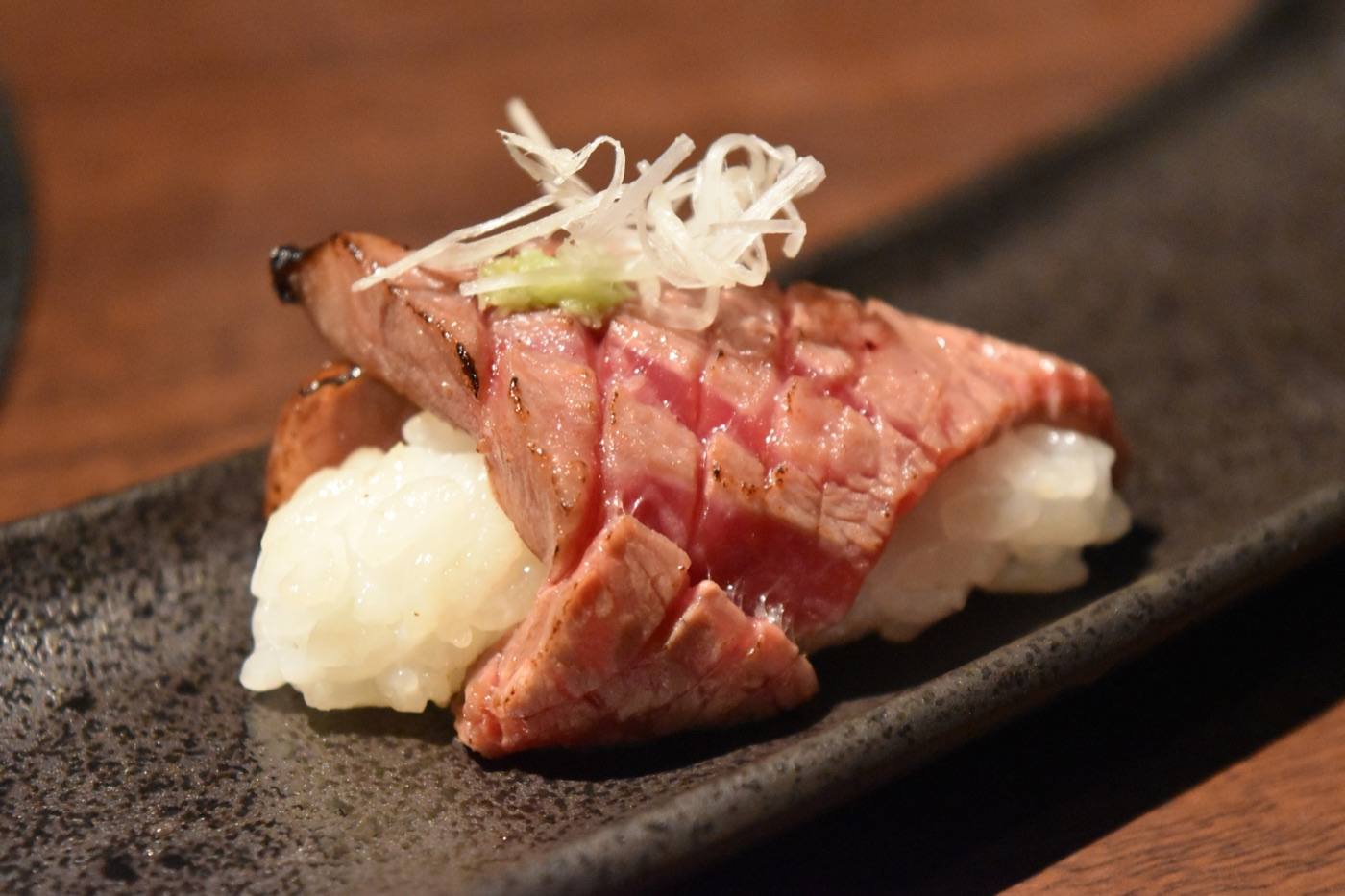
Beef from the plain south of Nagoya. Grilled, or as sukiyaki.

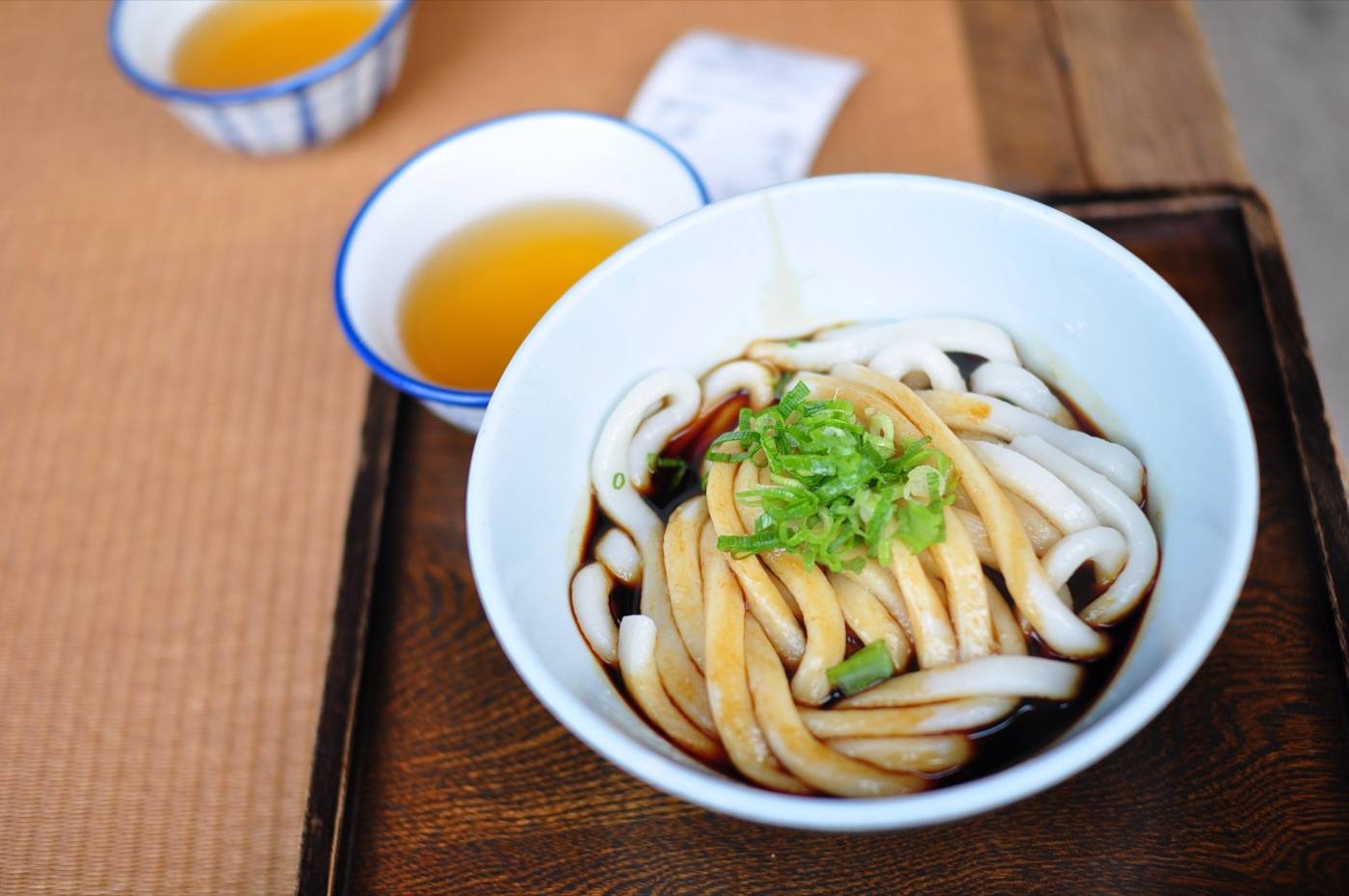
Very soft thick udon with a small pool of dark sweet sauce rather than broth. Nothing like the udon of the west.
Marinated bonito mixed by hand through vinegared rice. Fishermen’s food from the Ise coast.
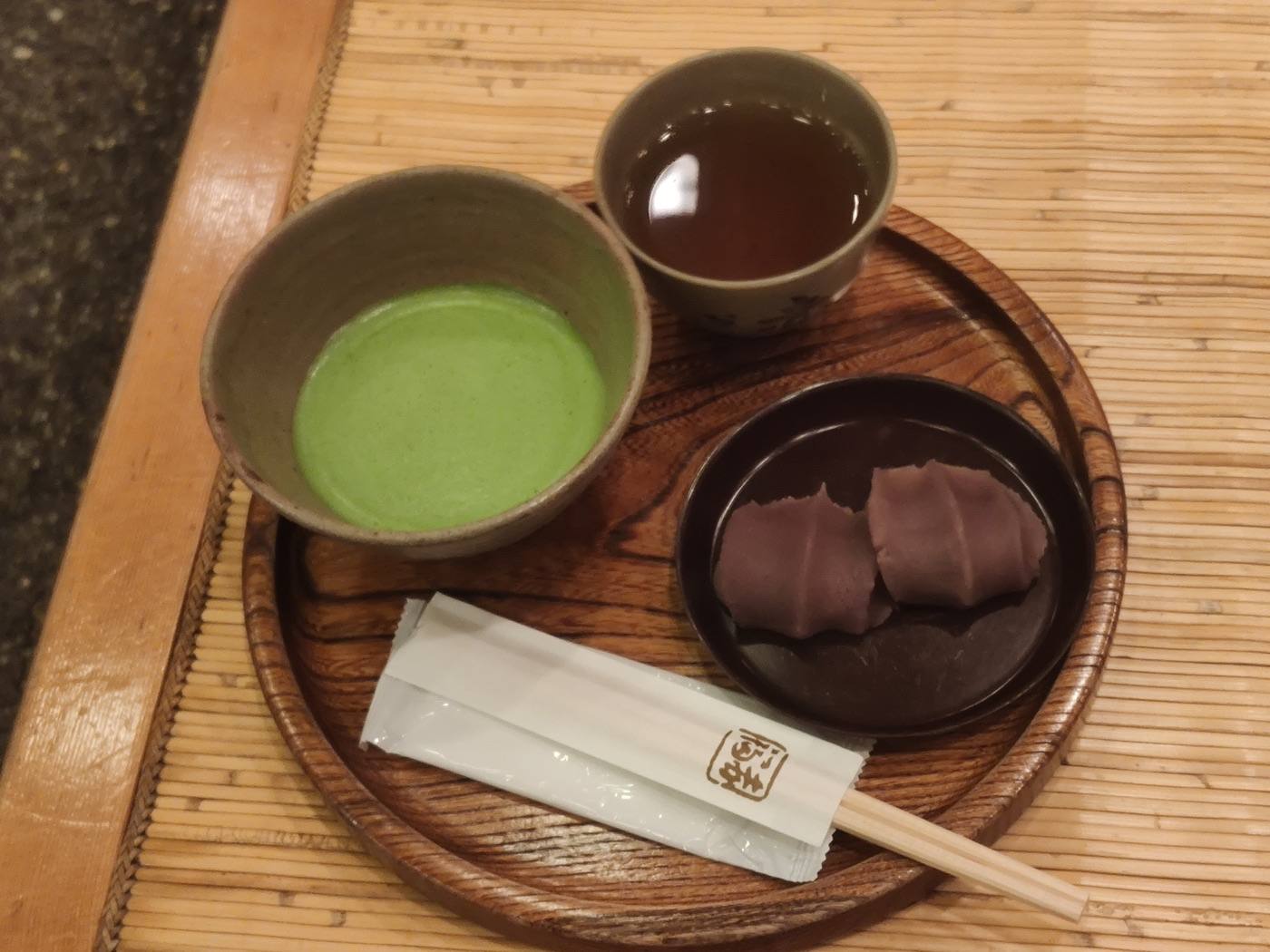
Rice cake under a fold of red bean paste, sold on the street up to Ise Jingu since 1707.
Small shops, no English sign outside, and worth the walk.
Tonteki is a thick cut of pork grilled and coated in a dark sauce, and it belongs to this city. This is a neighbourhood canteen, not a restaurant — the set comes with rice and soup.
Ise udon is thick soft noodles with a small pool of dark sweet sauce at the bottom rather than broth. You stir it up yourself.
On the old street outside the Inner Shrine. Bean paste is spread over a small rice cake with three finger marks in it, meant to look like the river beside the shop.
Matsusaka cattle are raised for over 900 days, longer than almost any beef in Japan. Here the sukiyaki is seasoned with nothing but soy and sugar, and a server cooks it for you.
Bonito is sliced, steeped in soy, and folded into vinegared rice by hand — which is what the name means. Fishermen made it on the boat. Five minutes from the aquarium.
Yokanzuke is white gourd hollowed out, packed with shiso leaf and ginger, and pickled in soy sauce for months. Iga sells it as the food the ninja carried.
Kuwana stood where the Tokaido crossed the bay by boat. Yasunaga-mochi is a long thin rice cake with bean paste inside, pressed and grilled on a griddle.
Kameyama fries udon on the griddle with meat, offal, cabbage and a sweet-salty miso. Lorry drivers on the trunk road made it the local dish.
Sanma-zushi is saury cured in vinegar and laid over rice. The coast from Shima down to Wakayama eats it at festivals.
A small rice ball with a battered prawn tucked inside, wrapped in a strip of seaweed. Made to order, not in advance.