Eating in Fukuoka
Try these dishes while you are here.
Try these dishes while you are here.
Order the first one and work down the list.
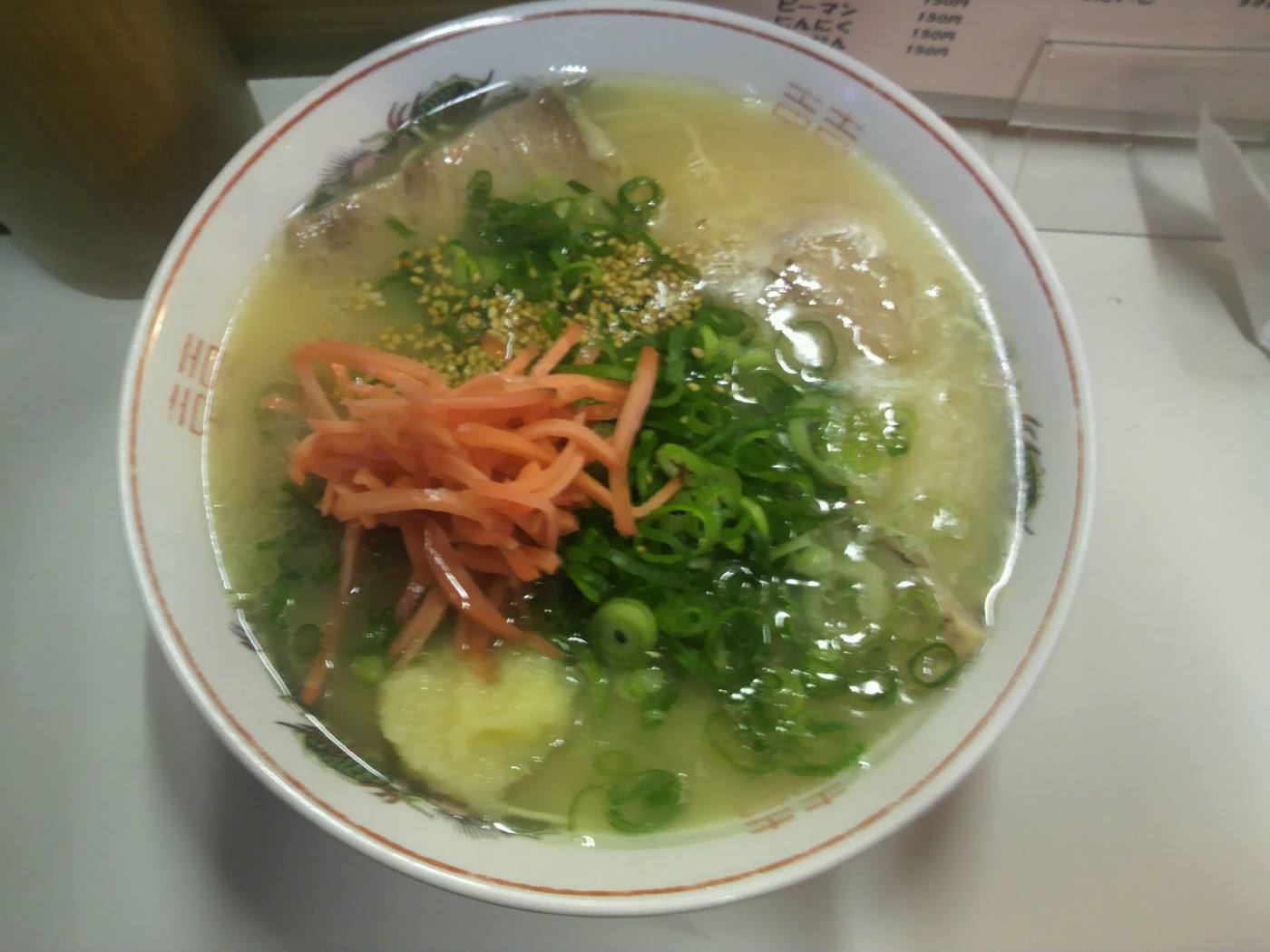
We recommend ordering this one first.
Thin straight noodles in pork-bone soup. Order extra noodles — kaedama — when the first lot goes.
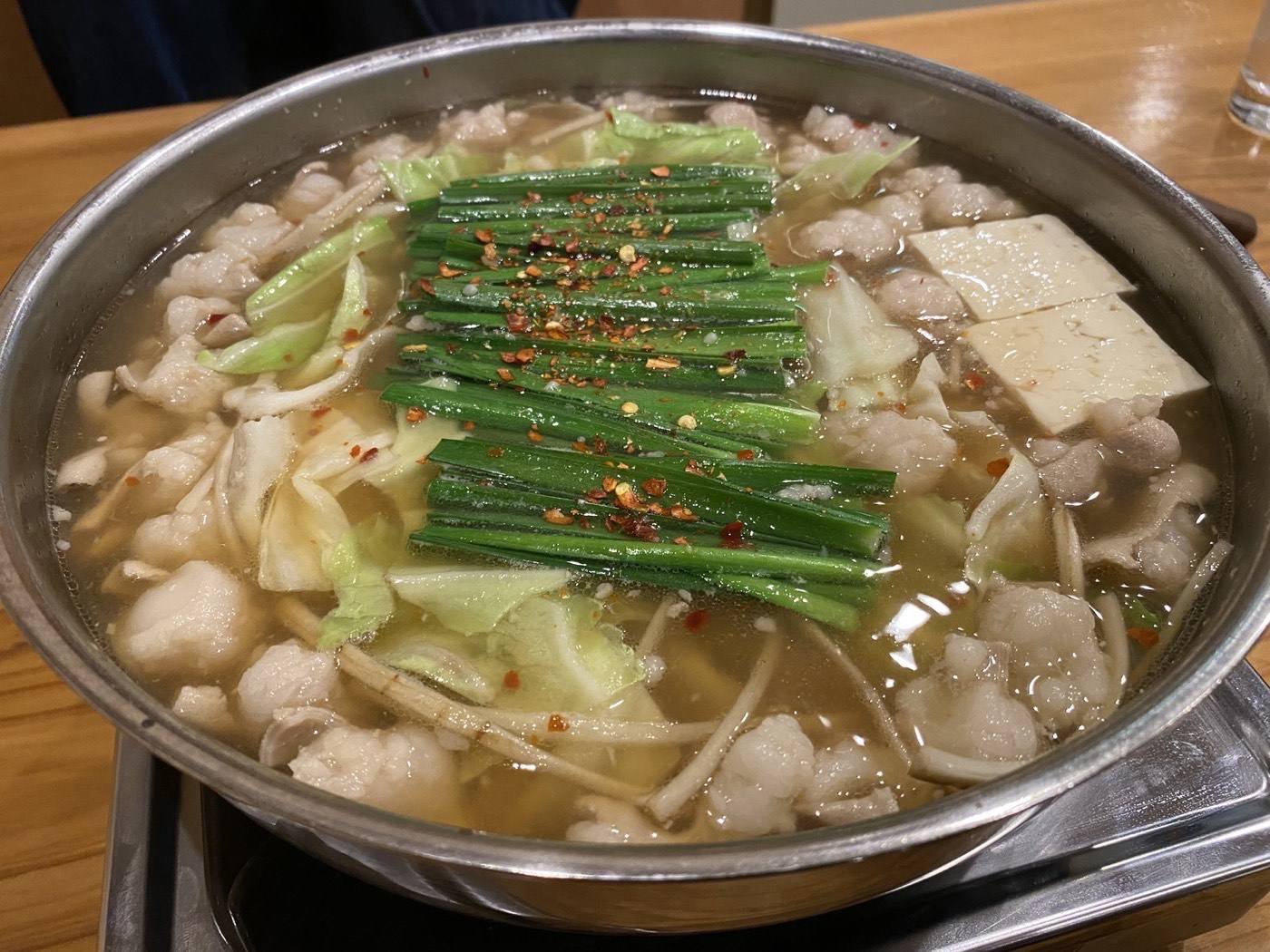
Beef offal simmered with cabbage and garlic chives in soy or miso broth. Winter food, shared.
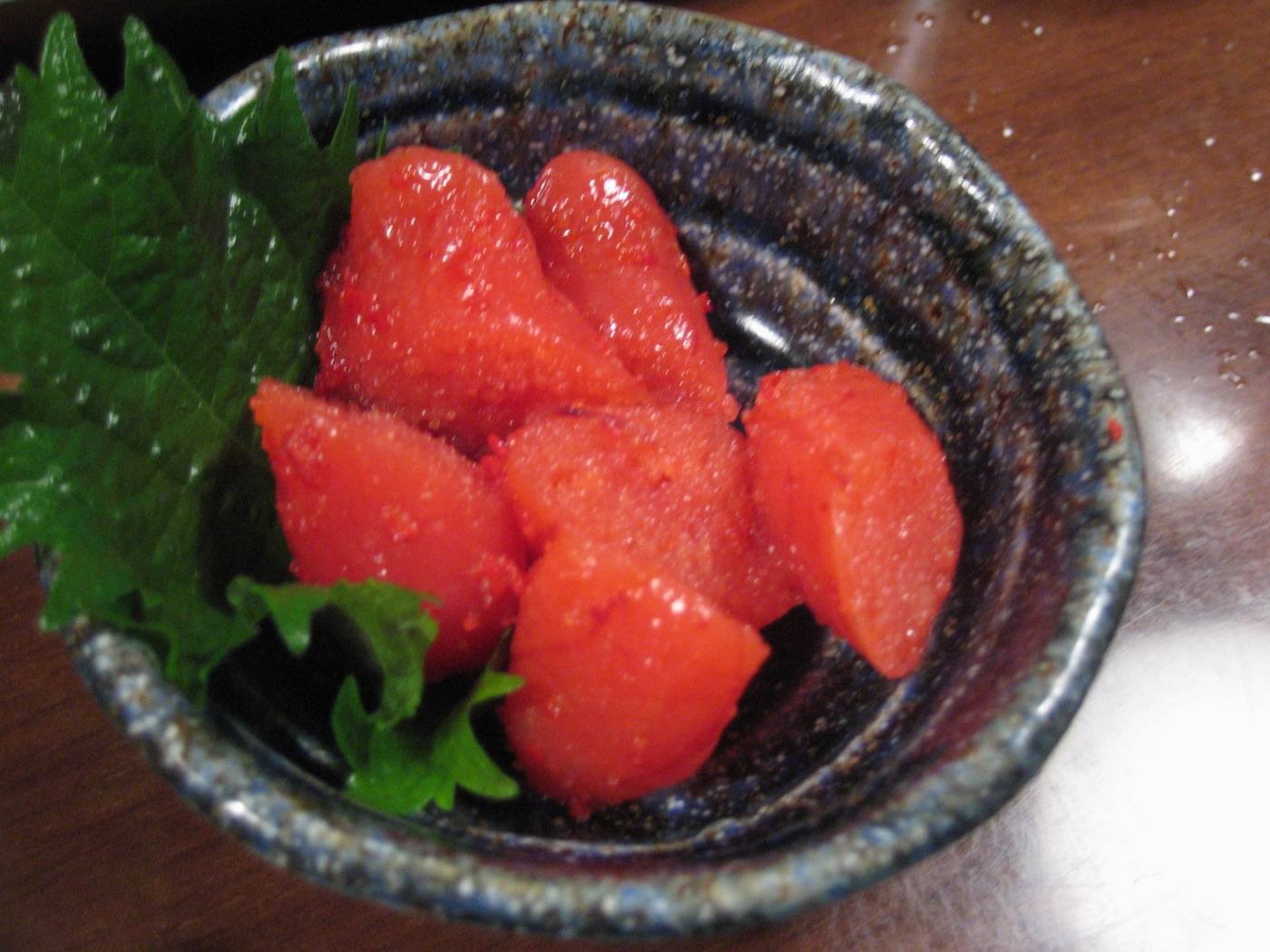
Cod roe cured with chilli. Eaten with rice, in pasta, and in everything else Fukuoka can think of.
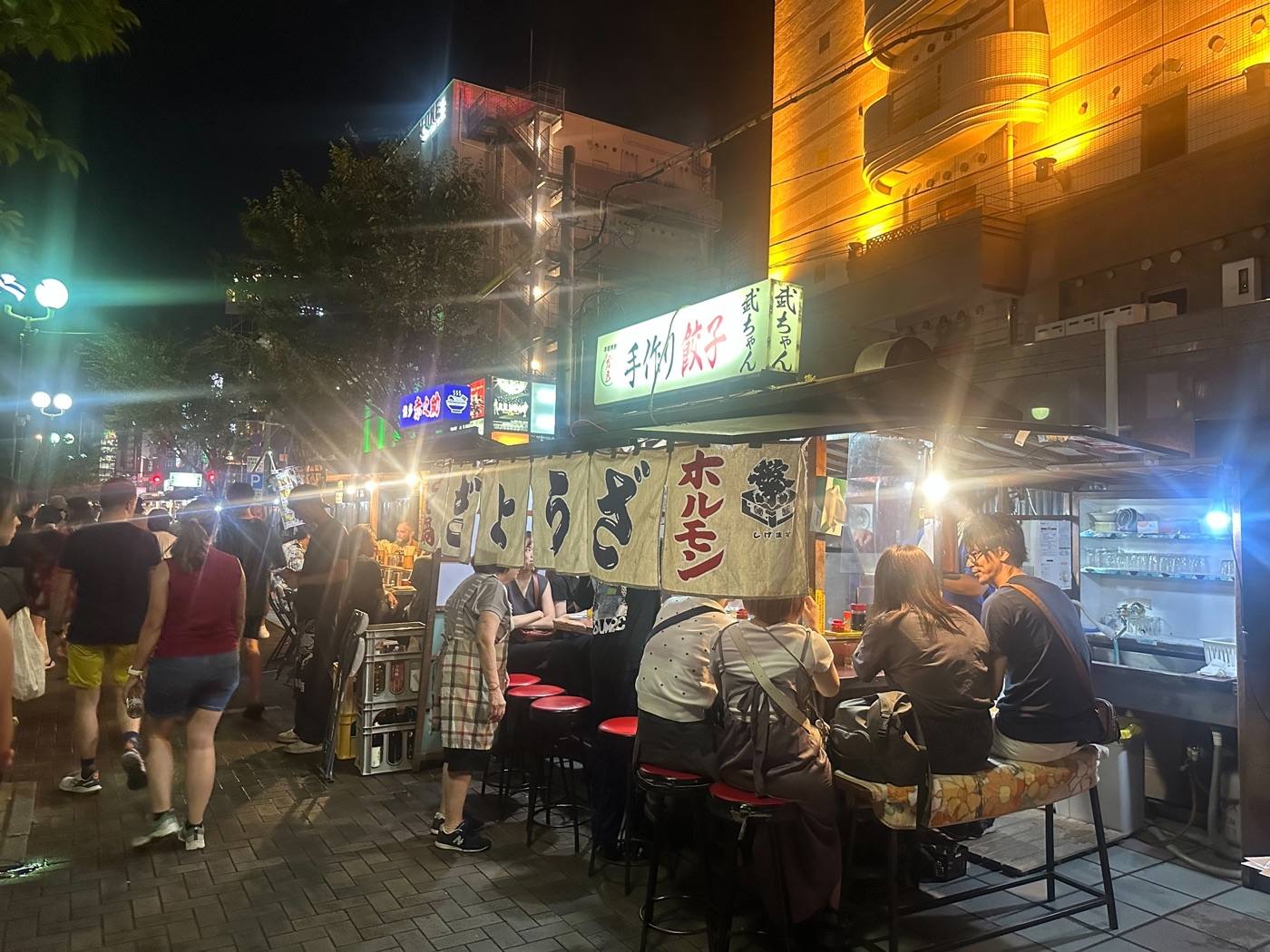
Ramen, grilled skewers, tempura and gyoza at canvas-sided stalls along the river. Cash only.
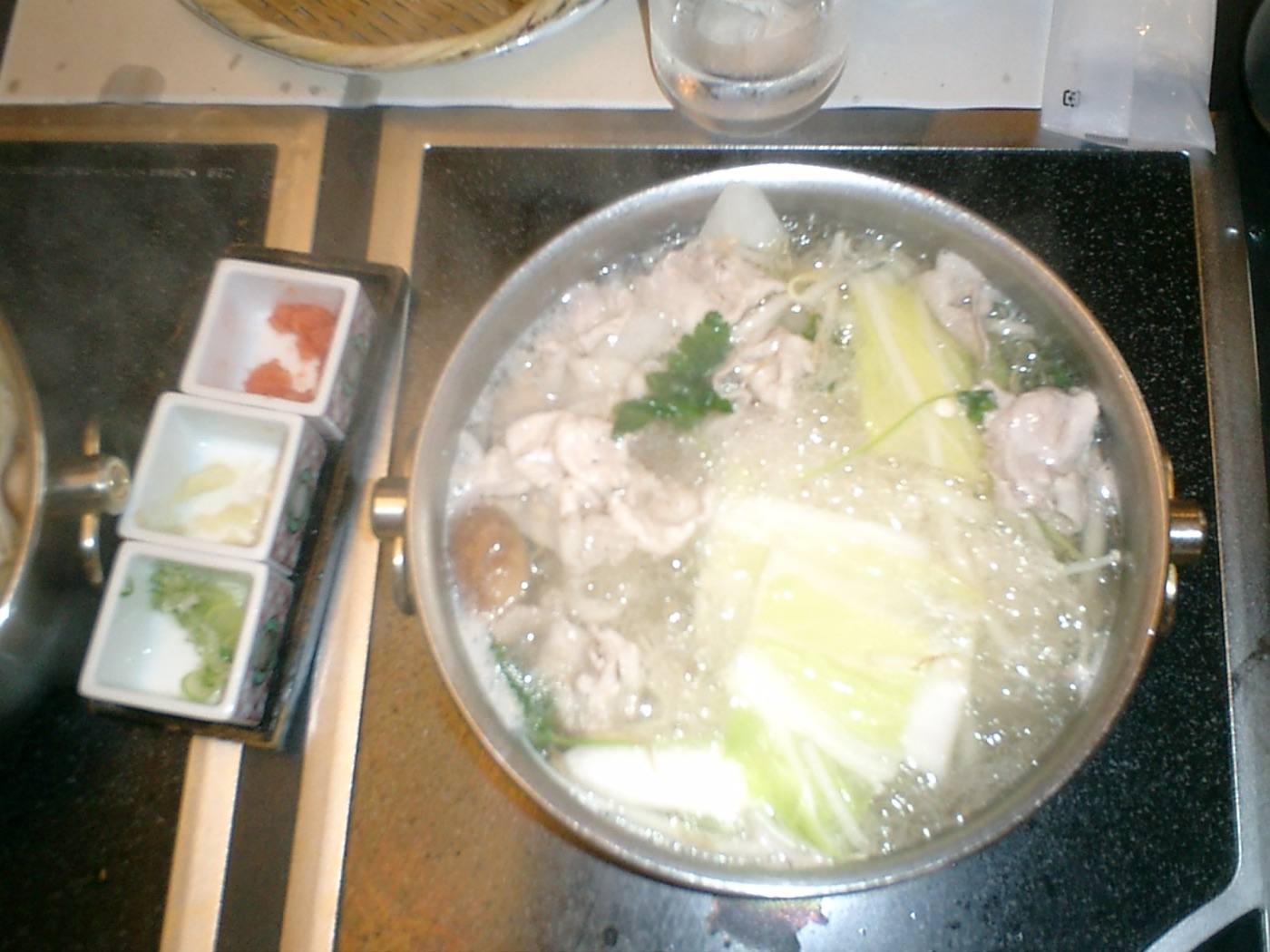
Chicken simmered in its own white broth. You drink the soup first, then eat the meat, then cook rice in what is left. The pot that works if you do not eat offal.

Raw mackerel in sesame and soy, eaten over rice. Most of Japan cooks mackerel; here the boats are close enough to eat it raw.

Soft noodles, no bite to them, in a clear broth with burdock fritter or beef. Faster and cheaper than ramen, and eaten far more often by people who live here.
Skewers grilled over charcoal, starting with pork belly rather than chicken. A plate of raw cabbage arrives first, free, and is refilled.
Small shops, no English sign outside, and worth the walk.
The chicken wings are what this place is known for — order them first, and order more than you think. The gyoza are small enough to eat in one bite. A counter, a few tables, and no fuss.
Nagahama is the thin-noodle, light-pork-broth style the city is known for. This one is out in Higashi ward, away from the tourist counters.
Motsunabe is beef offal simmered with cabbage and garlic chives. This one is in Hakata, and it shuts on only two days a year.
A quieter room ten minutes from Tenjin. The only motsunabe on this page you can eat at lunchtime, and only at the weekend.
Kurume is thirty-five minutes south of Hakata by train, and its pork-bone broth is thicker than the city version. This one runs straight through the afternoon, so you can eat at three.
Beef offal, cabbage and garlic chives in a broth you keep topping up, in the covered arcade by the river. Champon noodles go in at the end.
The approach to Tenmangu shrine is lined with shops selling umegae-mochi. The dough is pressed on a hot iron marked with a plum crest, and it is eaten warm on the spot.
Yanagawa is cut through by canals, and people ride them in flat-bottomed boats. Here the eel is grilled, laid over rice, and then steamed in the wooden box it comes in.
Mojiko bakes its curry in the oven rather than ladling it over rice. This place stands beside the station in the old port quarter and never closes.