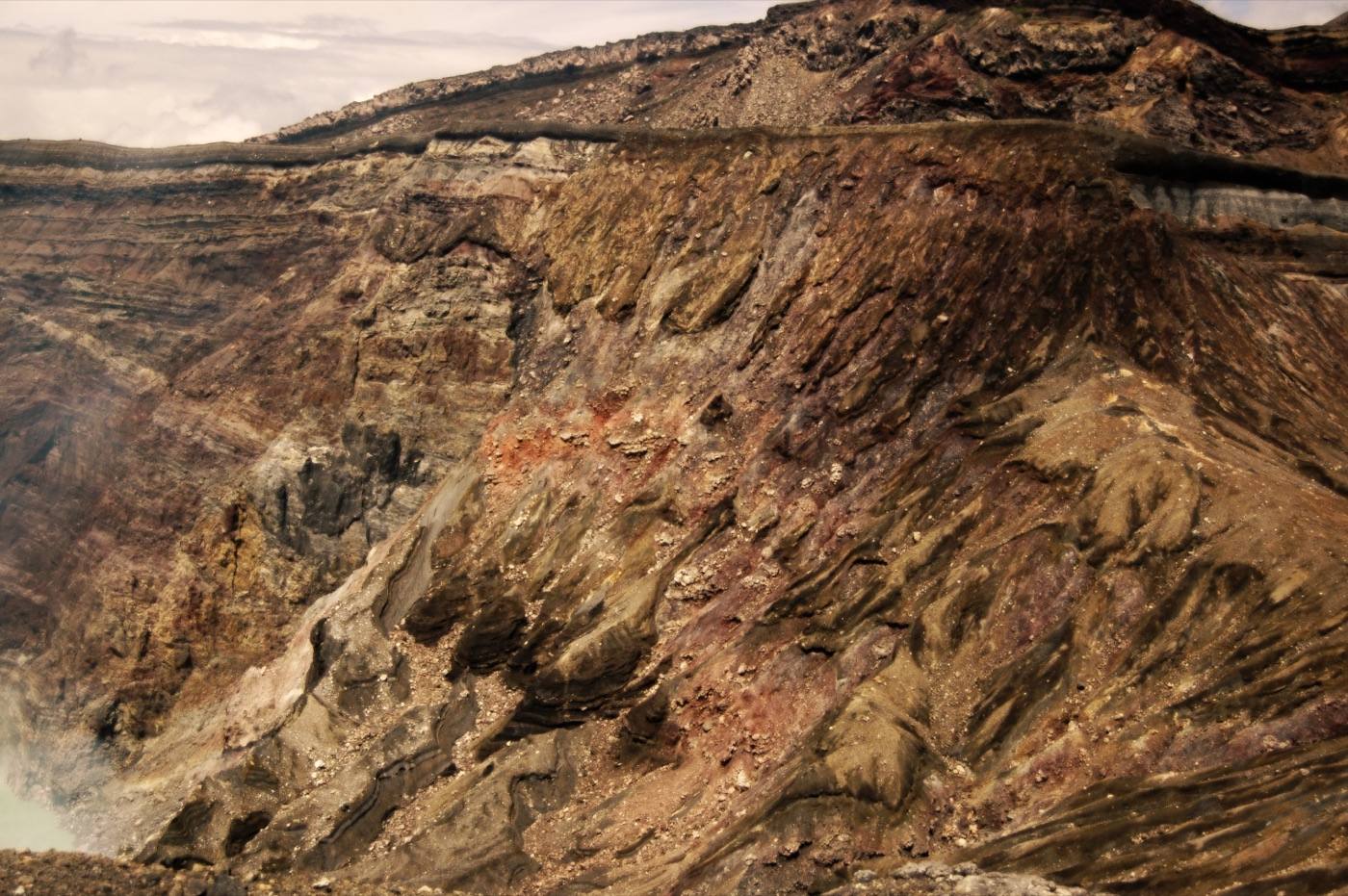
Volcanoes火山
Stand on one that is still working. Four plates meet under this country.
Stand on one that is still working. Four plates meet under this country.
Japan sits where four plates meet, which is why it has mountains, hot springs and about a hundred active volcanoes. Several of them can be visited on an ordinary day out, by road or ropeway, and at a few you can stand at a fence and look into the crater.
The hot springs of Japan exist because of them. So do the grasslands at Aso, the sand baths at Ibusuki, the steaming valleys at Beppu and Noboribetsu, and the shape of Mt. Fuji.
The practical rule is the same everywhere: access is decided locally, on the morning, according to gas and wind — and it is announced at the gate rather than in advance.
Volcanic gas. Where a crater is open there will be a notice about it, and where it says people with asthma, heart or respiratory conditions should not approach, that includes you. The gas is invisible and it collects in hollows.
The staff at the gate decide, not you. If it is closed the day you came, the grassland, the rim viewpoints and the hot springs below are open, and they are the better half of the day anyway. Always have that second plan.
Each links to its prefecture, where you will find how to get there.
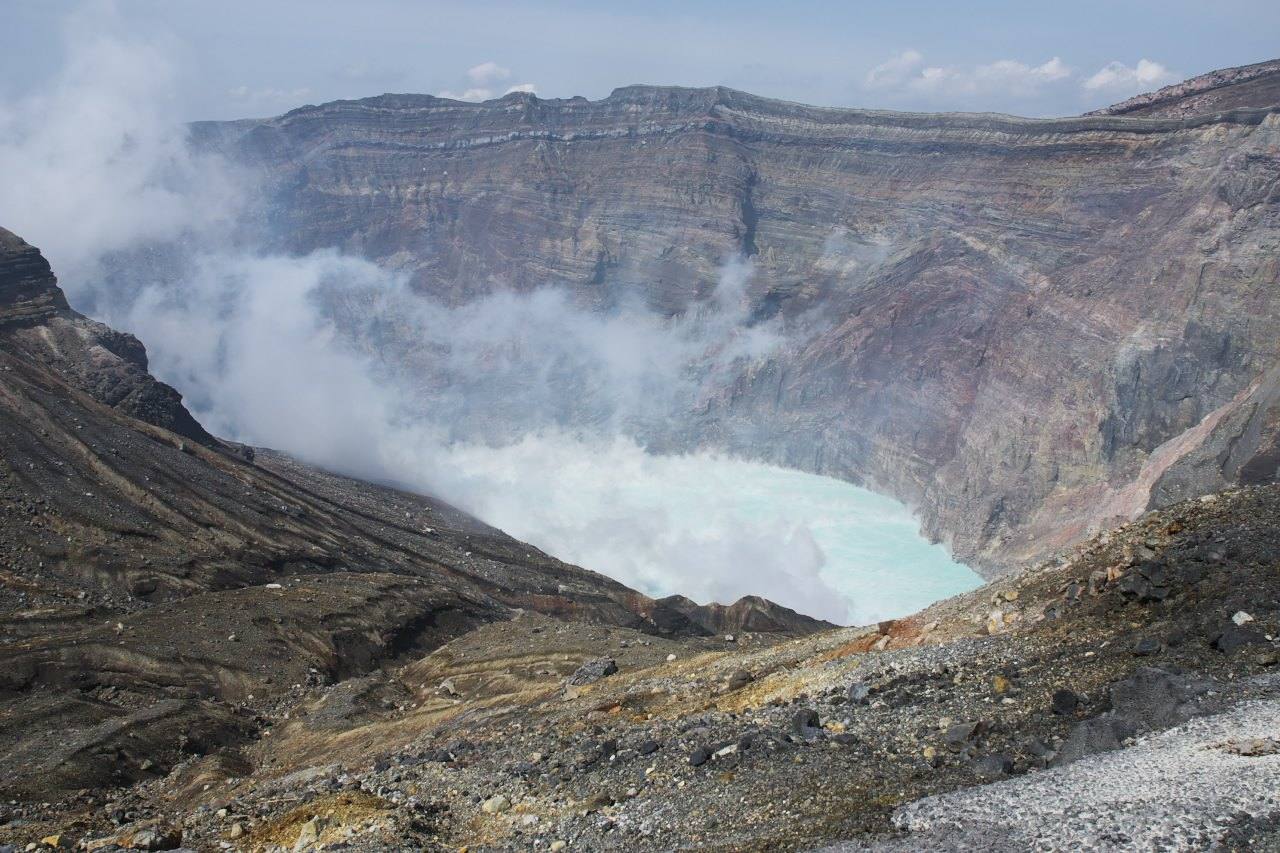
A live crater and a caldera twenty-five kilometres across, with towns inside it.
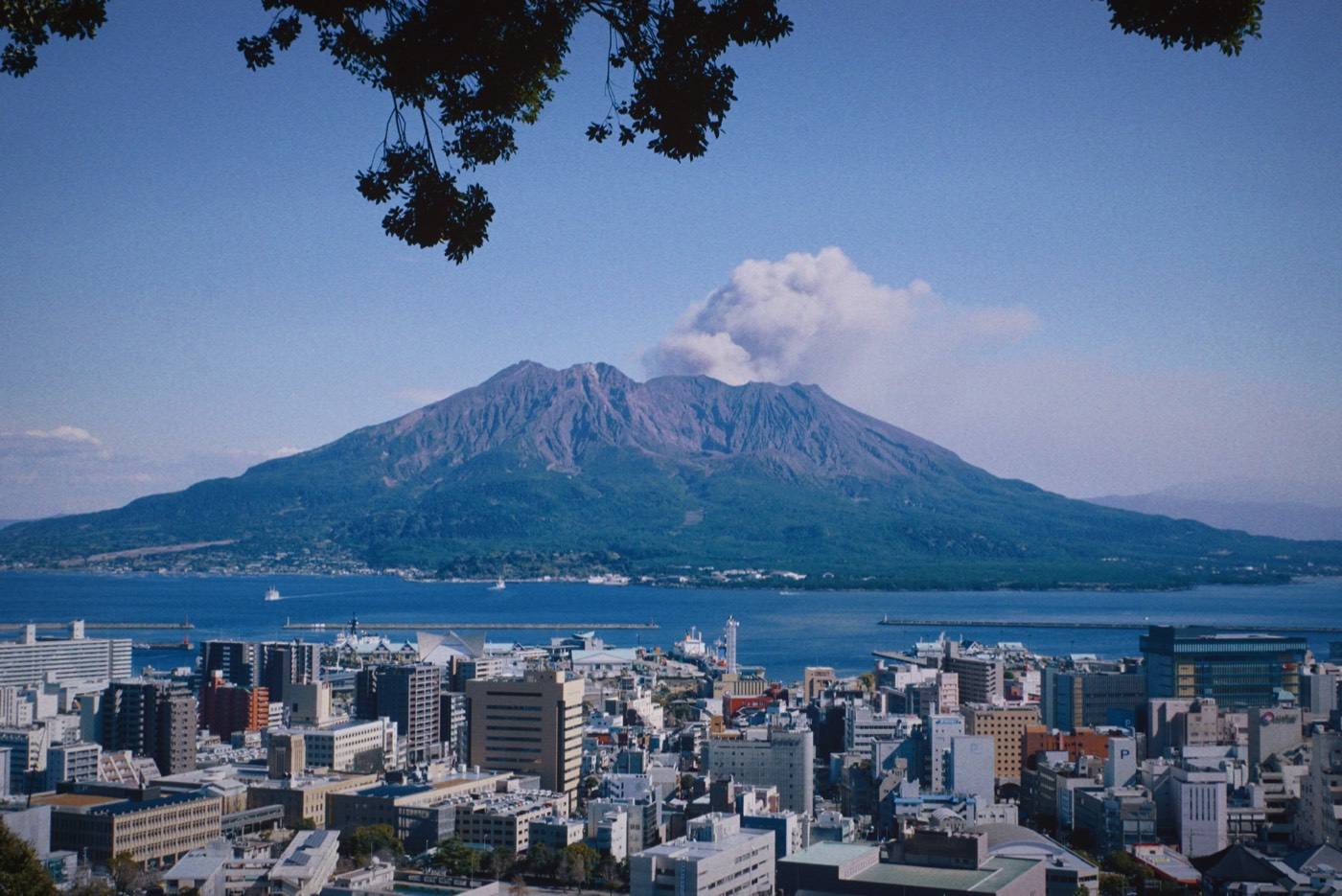
Smokes most days, across a bay from a city, by a ferry that runs all night.
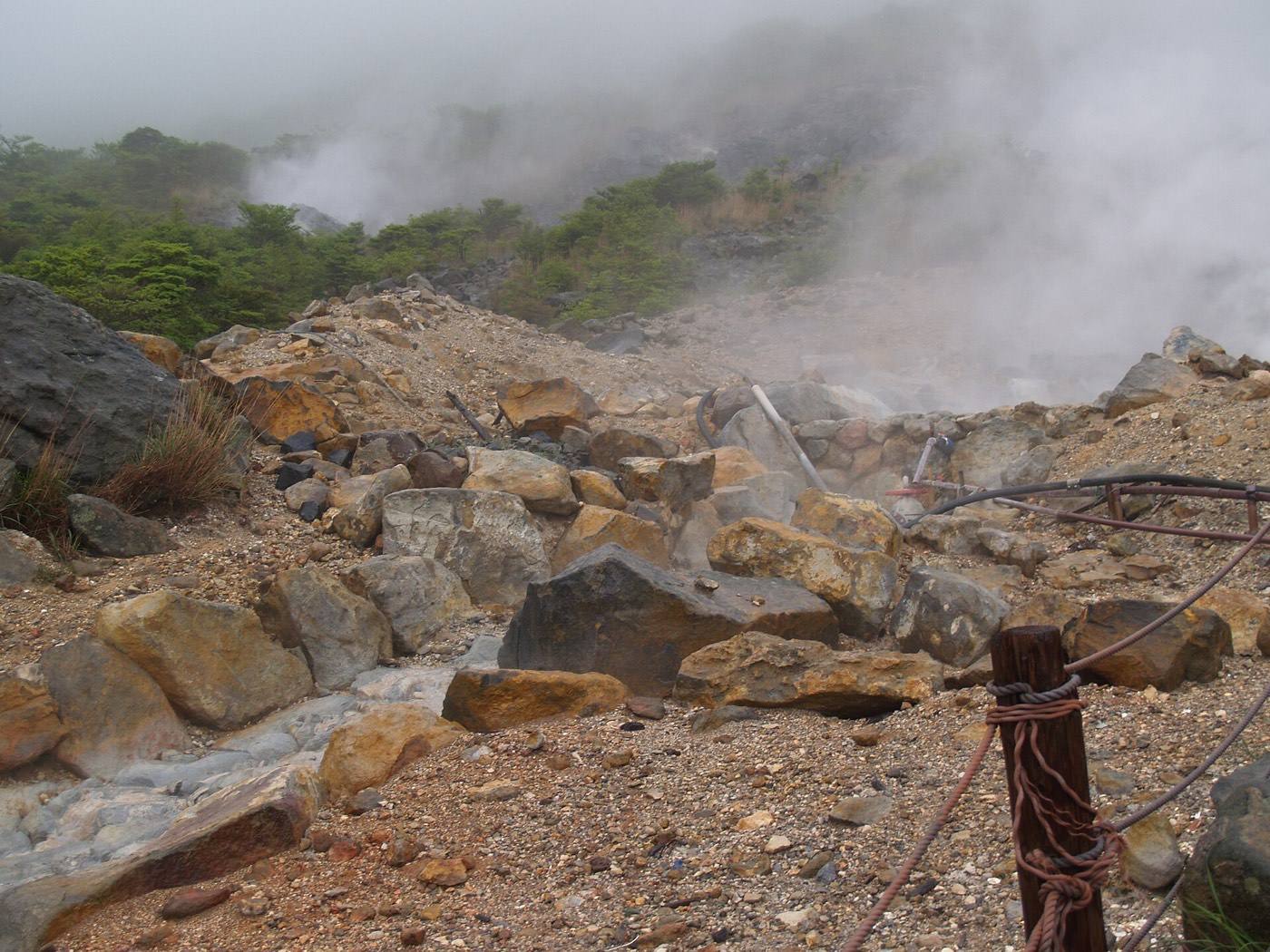
A steaming slope crossed by ropeway, under two hours from Tokyo.
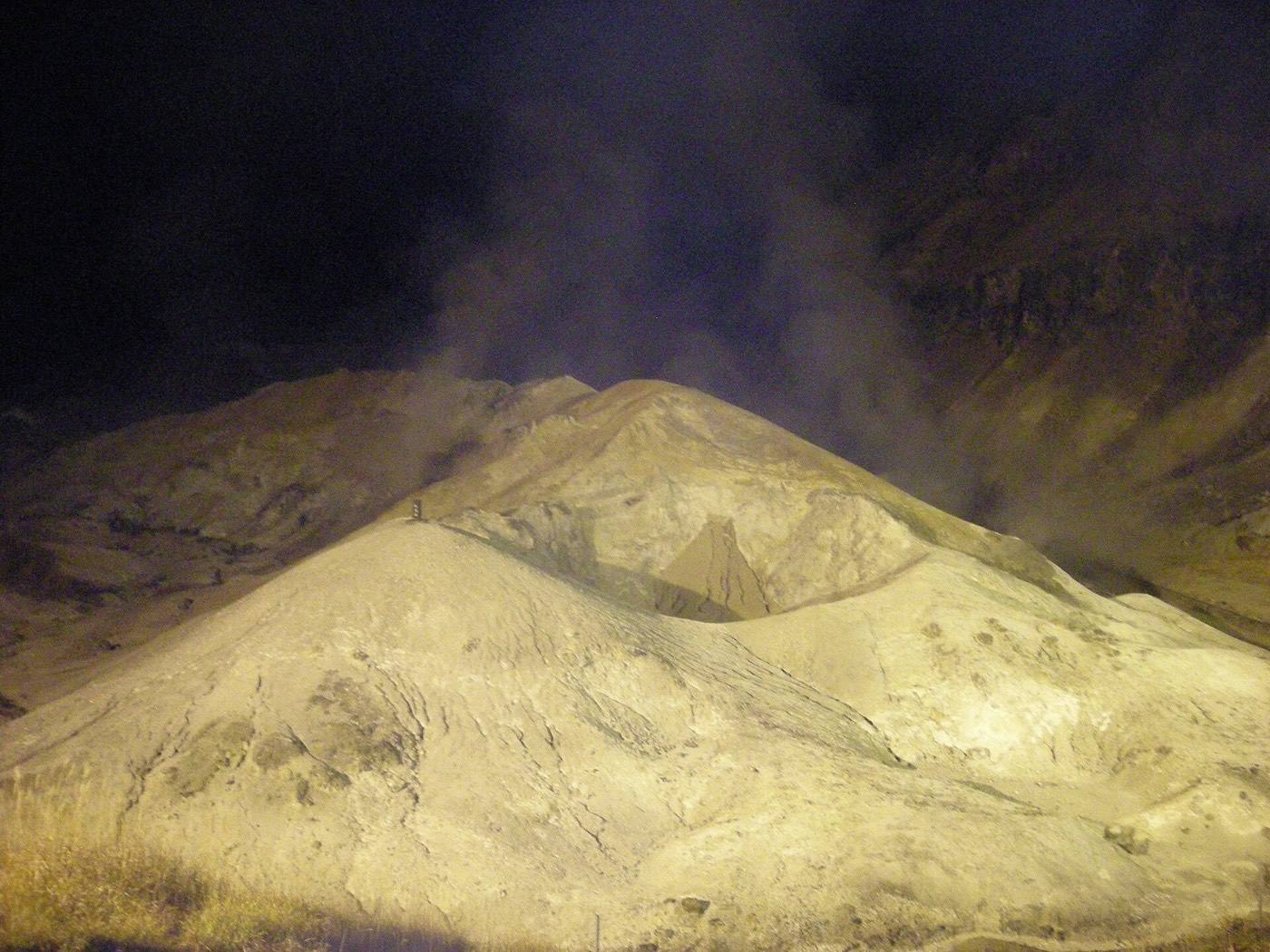
A bare steaming crater floor you can walk across, with nine kinds of hot water beside it.
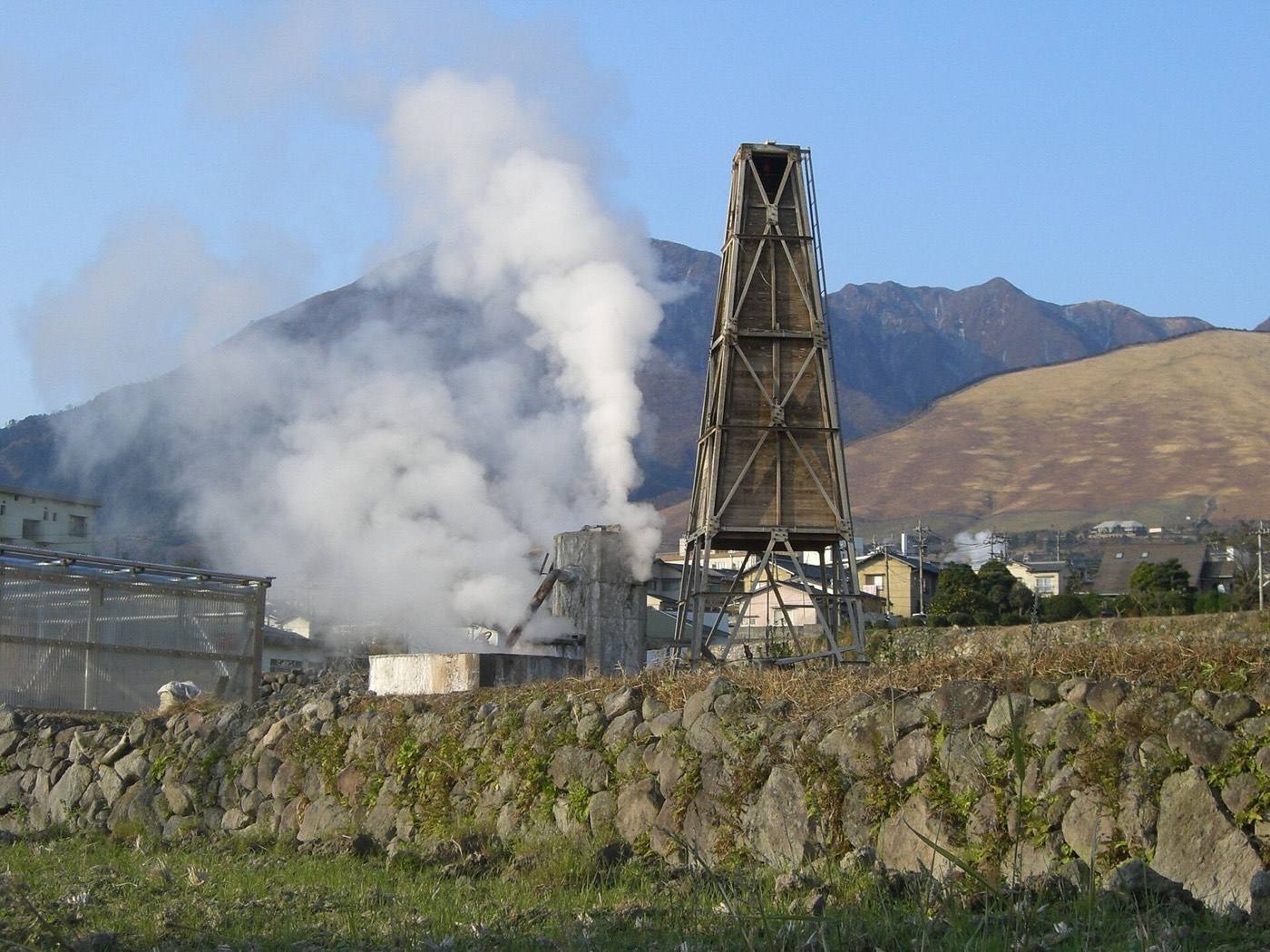
Not a crater but the result of one: steam rising out of the streets of a whole town.
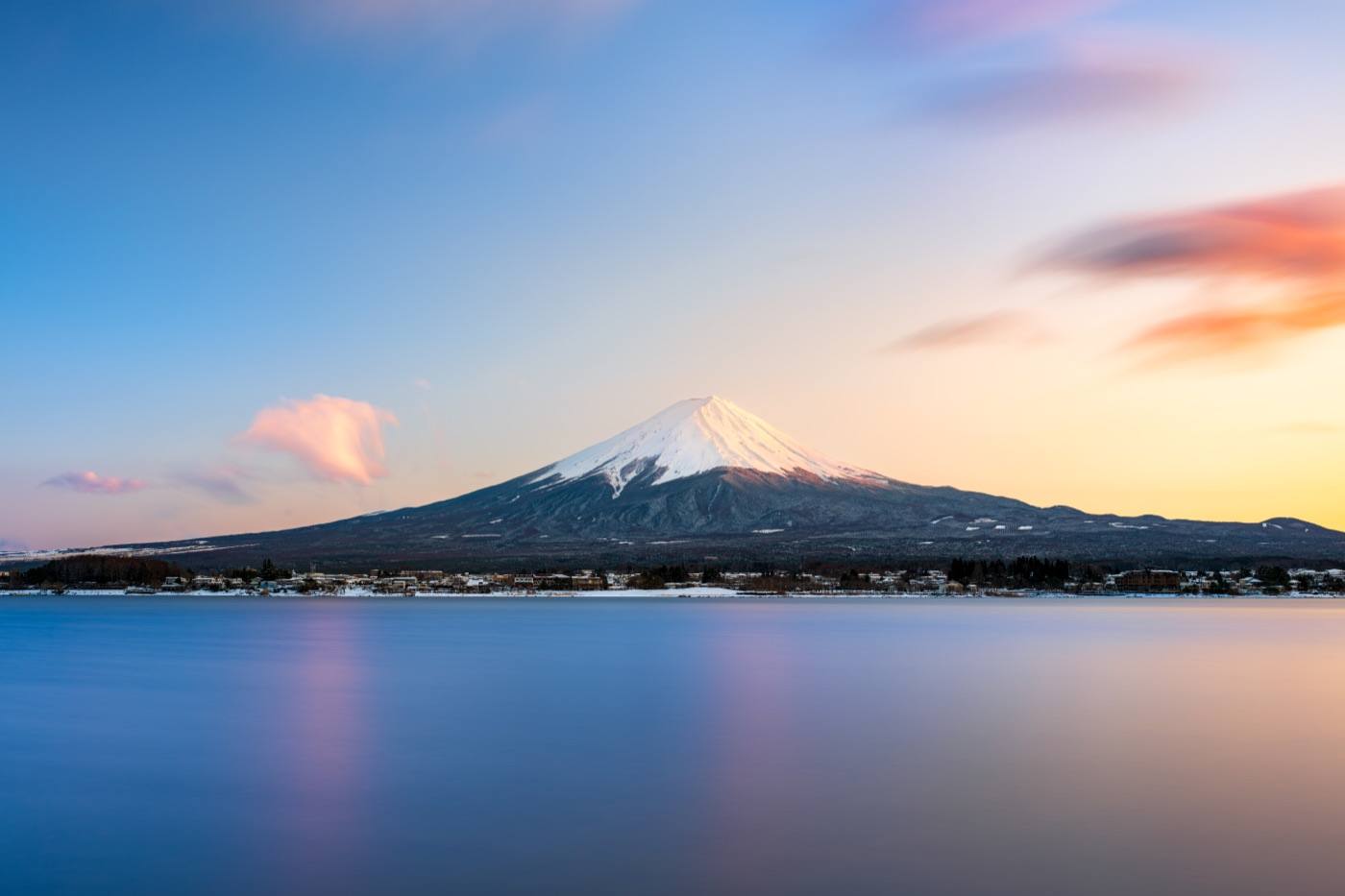
Dormant, not extinct. Climbable in July and August; visible in winter mornings.