Eating in Wakayama
Try these dishes while you are here.
Try these dishes while you are here.
Order the first one and work down the list.
We recommend ordering this one first.
Soy and pork bone together, eaten with pressed mackerel sushi from a box on the counter.
Tuna is landed here fresh rather than frozen, auctioned in the morning and served on the same street.
Pickled plums from Minabe, the largest plum-growing area in Japan. Salty, sour, and an acquired habit.
Sesame set into a soft block, served at the temple lodgings on Koyasan. Entirely vegetarian.
Small shops, no English sign outside, and worth the walk.
A rice ball wrapped in a whole pickled mustard leaf, big enough that you open your eyes wide to bite it — which is what the name means. It was food for people working in the forests and on the boats.
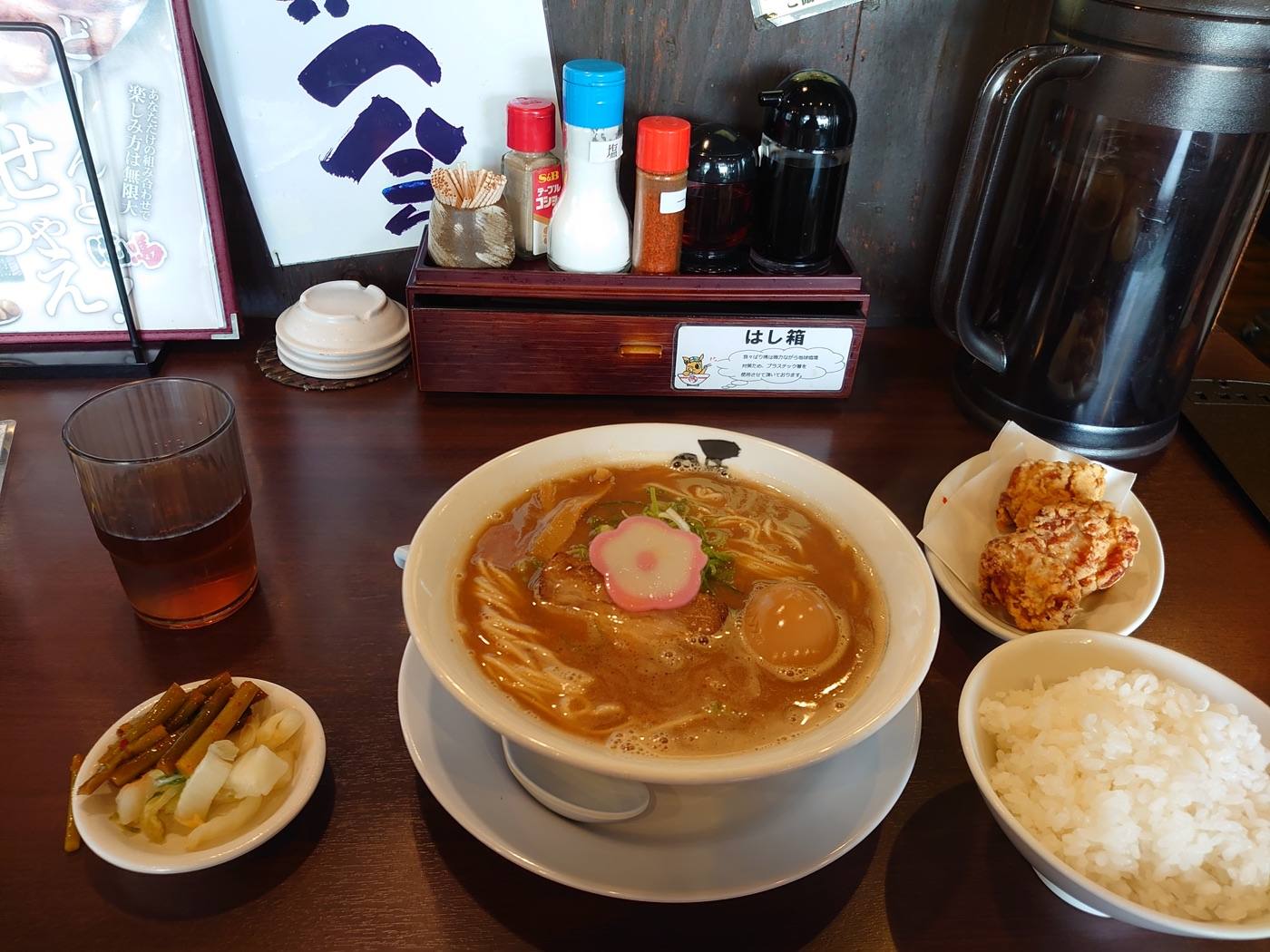
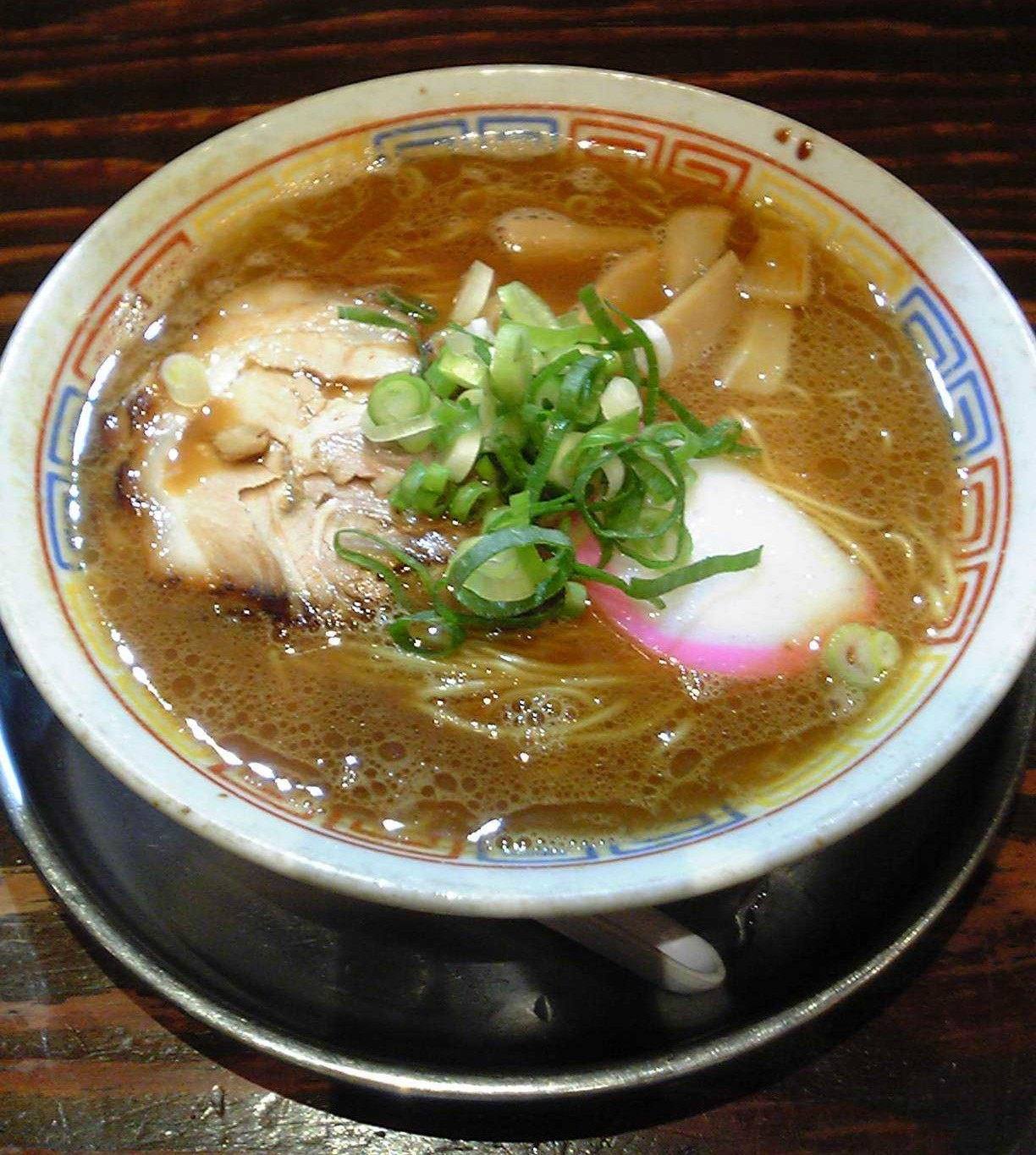
Wakayama calls its ramen chuka soba. Pork bone and soy together, thick and dark, with straight thin noodles. Ten minutes from Wakayama station.
The barrels here are cedar and taller than a person. You can walk through the brewery and taste at the end.
Minabe grows more ume than anywhere in Japan. The fruit is salted, dried in the sun and packed. You can taste a dozen kinds at the counter, or salt your own jar.
Koyasan is a mountain of temples where monks eat no meat, and sesame tofu is the protein. Ground sesame set with kudzu starch, using spring water from the shop's own ground.
Katsuura is a longline port, so the tuna comes in chilled and never frozen. At this counter you pick a block out of the case yourself and take it to the till.
Shirahama is a hot-spring town on a bay of white sand. Kagerou is a thin baked wafer with cream inside, sold at the counter and eaten in the café behind it.
Moude-mochi is bean paste wrapped in pounded rice and dusted with brown rice flour. It is sold only beside the three Kumano shrines, and this tea room faces the Hongu one.
Tanabe eats moray eel. This place serves it in a hotpot, dried overnight, glazed, deep-fried, or seared and sliced.