Eating in Nara
Try these dishes while you are here.
Try these dishes while you are here.
Order the first one and work down the list.
We recommend ordering this one first.
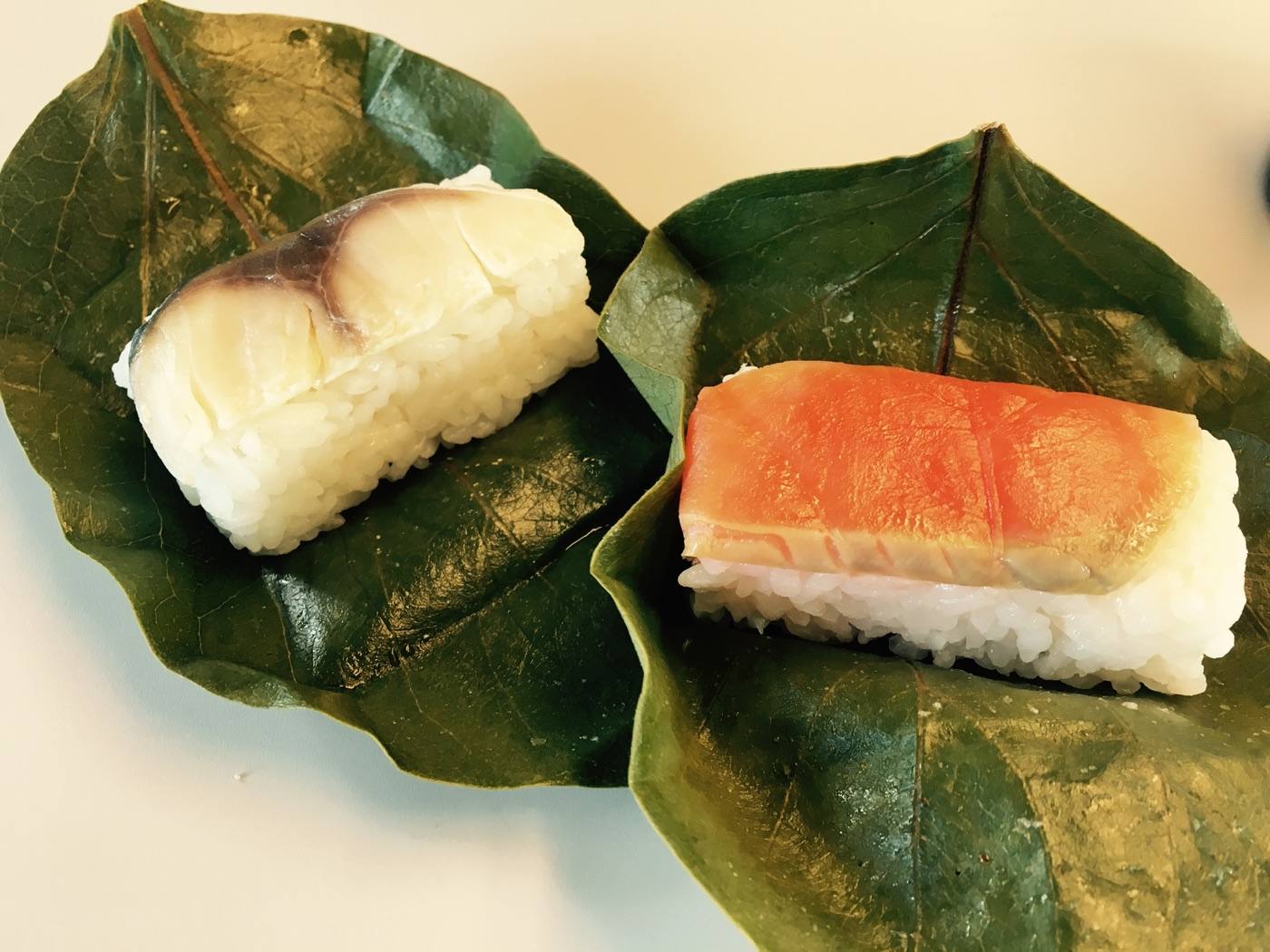
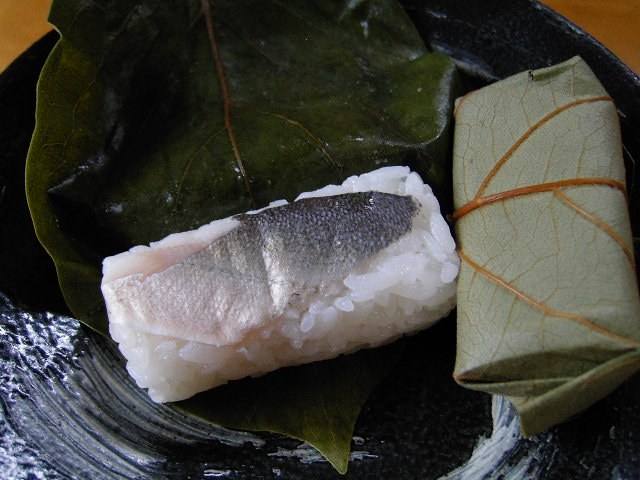
Pressed mackerel sushi wrapped in a persimmon leaf. Made to keep, and it travels well.
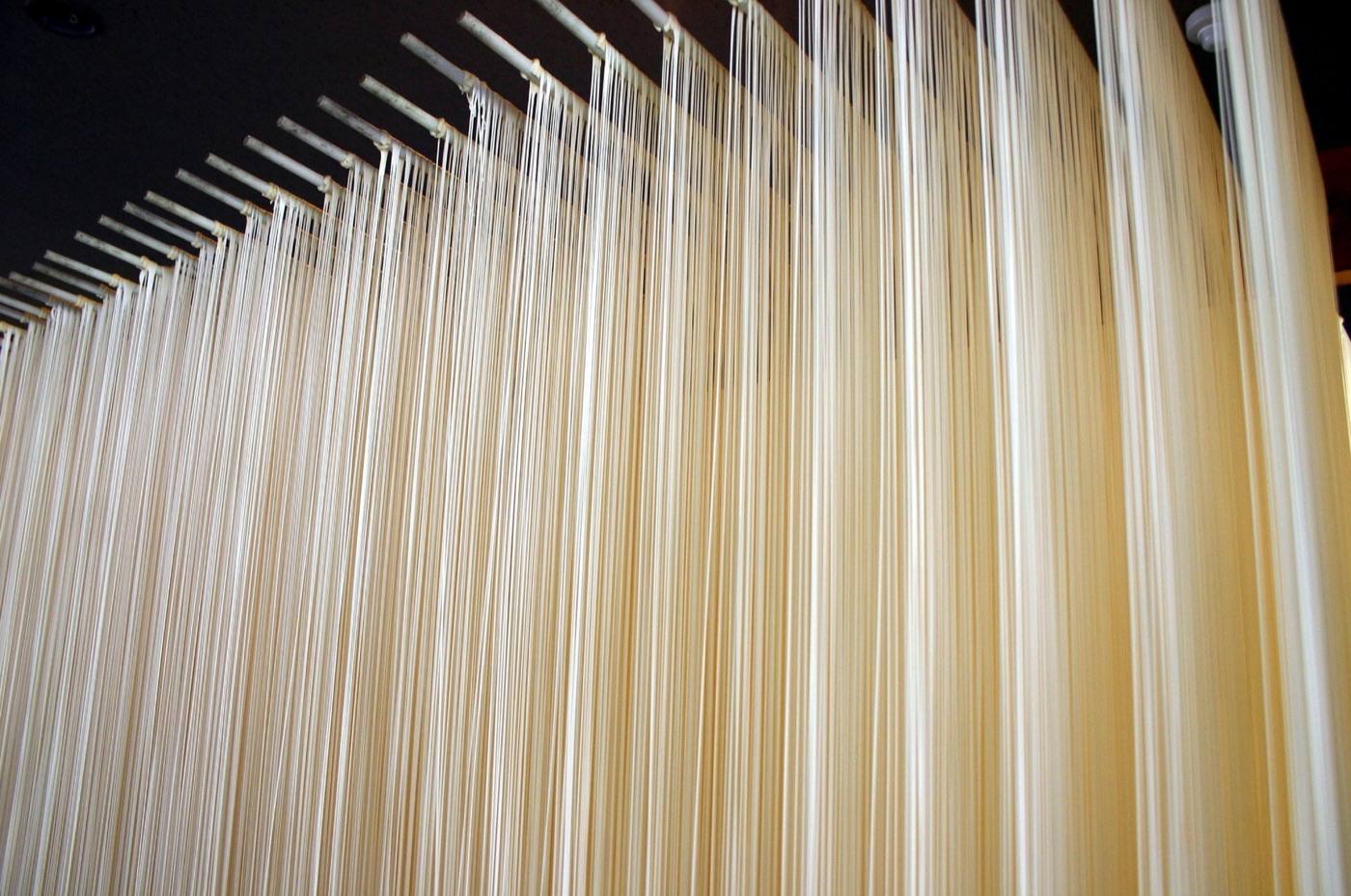
Very thin wheat noodles, said to have started here. Cold in summer, in hot broth in winter.
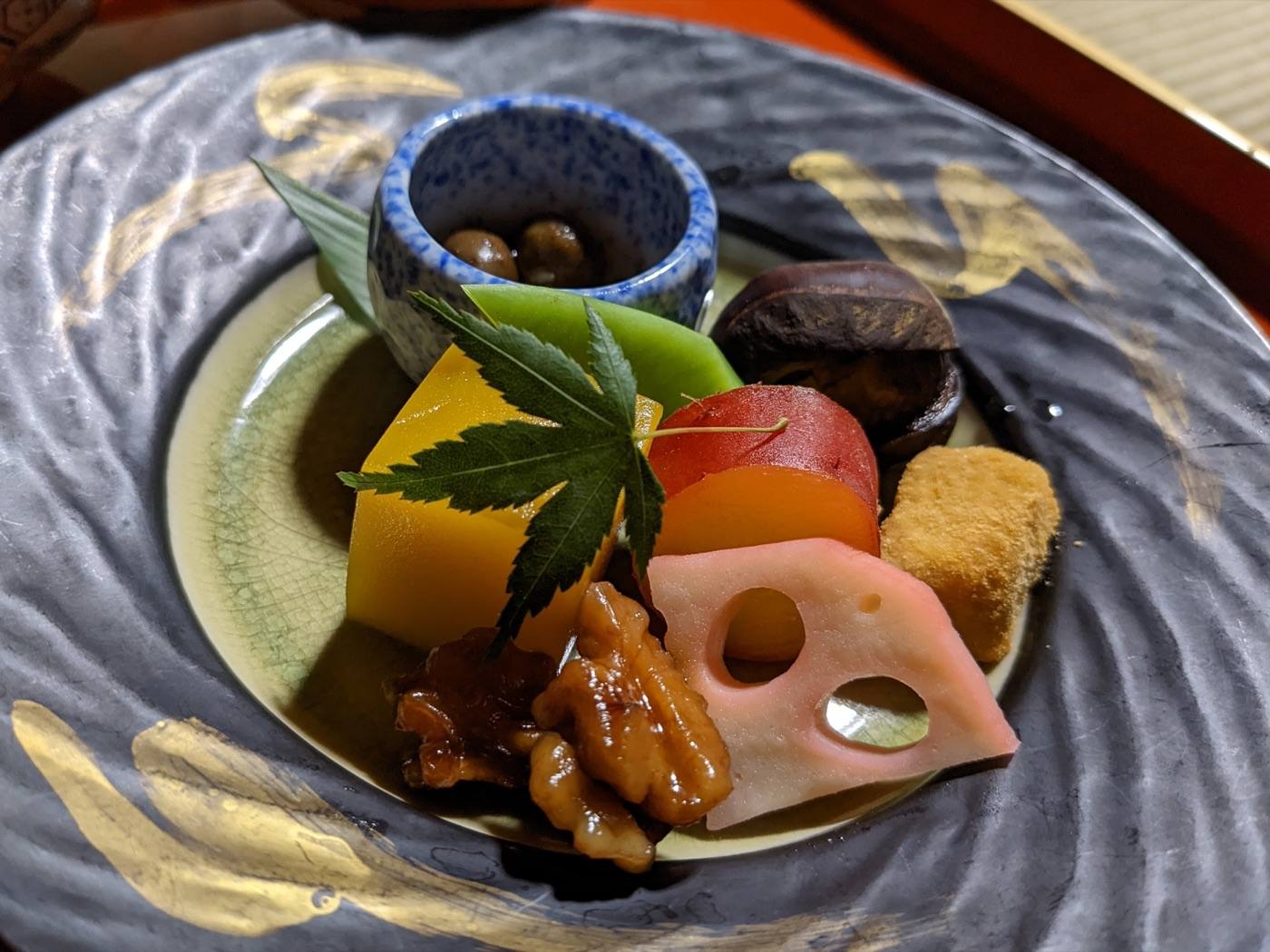
Buddhist temple cooking, entirely vegetarian by rule. Nara and Koyasan are where to eat it.
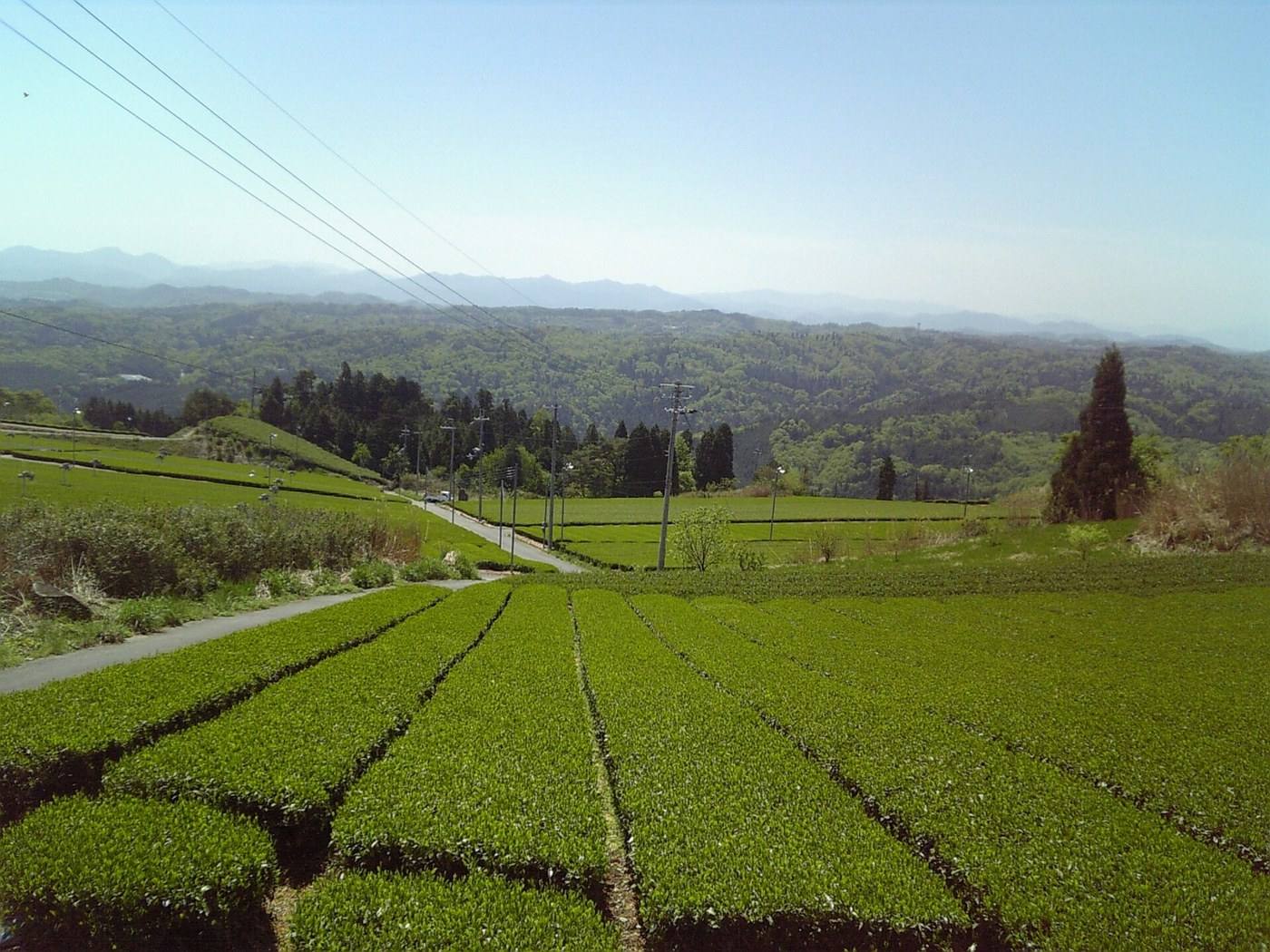
Tea grown in the hills, and sweets shaped for the season, served near the deer park.
Small shops, no English sign outside, and worth the walk.
Cured fish pressed onto vinegared rice and wrapped in a persimmon leaf. The leaf keeps it from drying out, so it travels — which makes it the thing to buy before a train.
Somen is wheat noodles pulled thin by hand and dried. Miwa makes them, and this is the maker’s own tea house, near Omiwa shrine.
Rice, stock and toppings go into a small iron pot and are cooked over a flame from raw, so it takes about 25 minutes. A short walk from the deer park.
Sold in a glass bottle with a cloth cap, like old school milk. The building itself is shaped like a pudding, in a wood north of the city.
Narazuke is melon and cucumber packed in the lees left from brewing sake, and repacked in fresh lees over and over for a year or more. The shop faces the great gate of Todaiji.
Kudzu starch is dissolved, heated and set in front of you, and it has to be eaten within about ten minutes or it clouds over. It cannot be taken away.
This ramen comes piled with stewed Chinese cabbage and a great deal of garlic. The same company still runs a night stall as well as this shop.
Asuka was the capital before Nara was, and its fields are still fields. The pot here is built on chicken stock with fresh milk poured into it — the village’s own dish.
Chagayu is rice simmered in roasted tea rather than plain water. This place sits by Nara Park, and the pickles are yours to help yourself to.